

Feb . 11, 2026 00:01 Back to list
underground pvc pipe factories Manufacturing Analysis
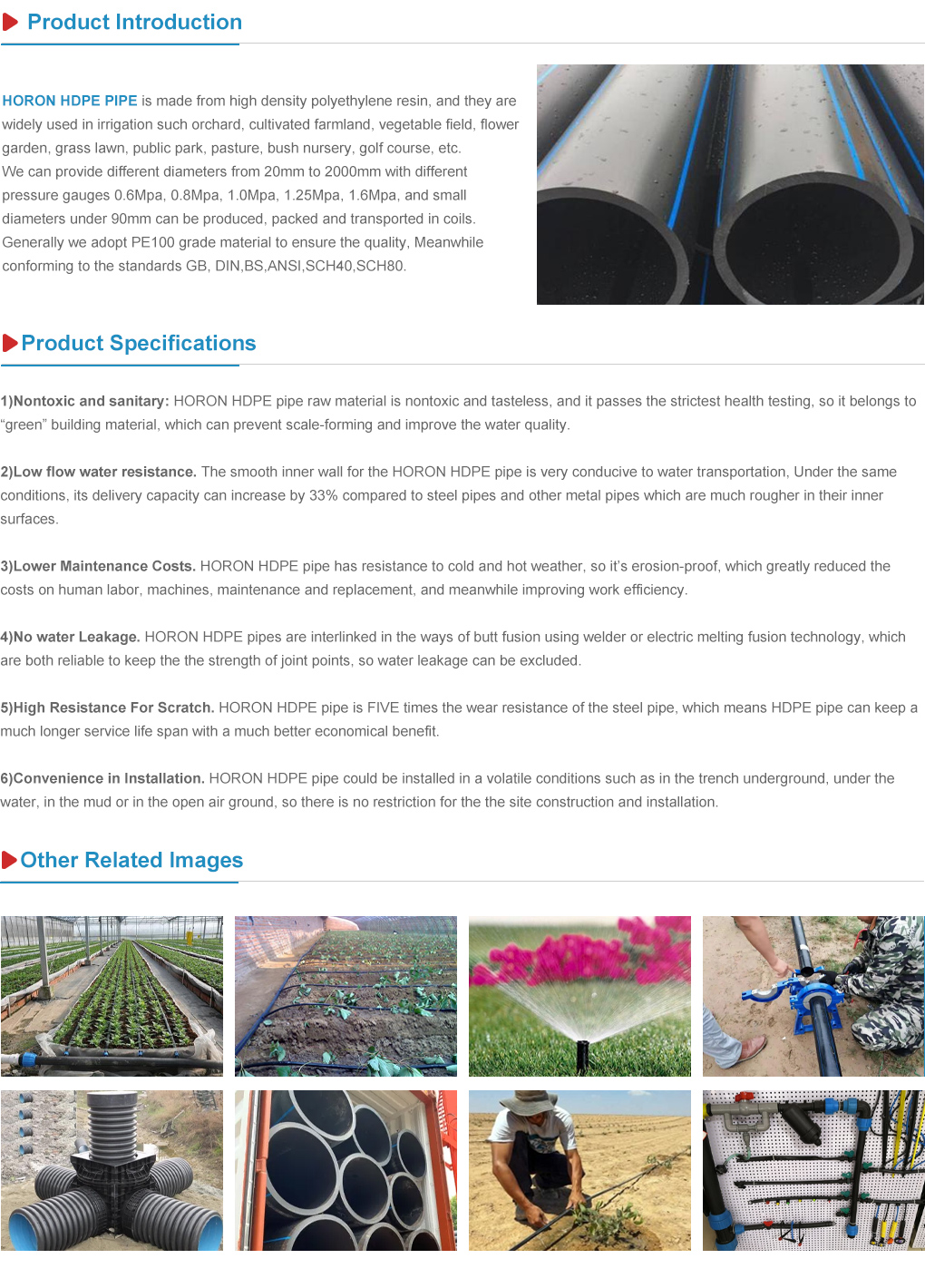
Introduction
Polyvinyl Chloride (PVC) underground piping systems constitute a critical component of modern infrastructure, facilitating the conveyance of water, sewage, and other fluids. This technical guide provides a comprehensive analysis of PVC pipe manufacturing, material science, performance characteristics, failure modes, and relevant industry standards. PVC’s prevalence stems from its cost-effectiveness, durability, and relative ease of installation compared to traditional materials like ductile iron or concrete. However, ensuring long-term reliability requires a deep understanding of the material’s limitations, environmental factors, and appropriate installation practices. The industry faces ongoing challenges relating to long-term soil stress cracking, joint integrity, and increasingly stringent environmental regulations regarding plasticizers and PVC recycling. This guide aims to address these pain points, providing a detailed resource for engineers, procurement managers, and manufacturing personnel involved in the underground PVC pipe industry.
Material Science & Manufacturing
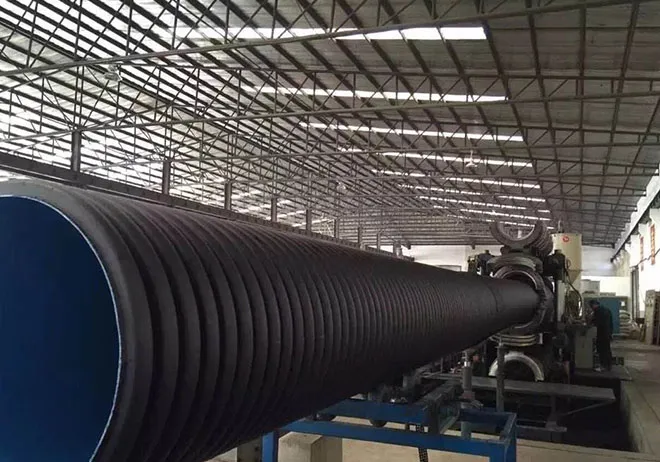
Underground PVC pipe is predominantly manufactured from PVC resin, typically suspension PVC (S-PVC), owing to its superior impact resistance. The PVC resin is compounded with a range of additives, including plasticizers (often phthalates or alternative non-phthalate plasticizers), stabilizers (typically metal-based compounds like barium, zinc, and calcium stearates to prevent thermal degradation), lubricants, fillers (calcium carbonate is common), and pigments. The selection and proportion of these additives significantly impact the pipe’s final properties. The manufacturing process typically involves extrusion. PVC resin and additives are fed into an extruder where they are heated and mixed to form a homogenous melt. This melt is then forced through a die to create the pipe’s desired dimensions. Critical parameters during extrusion include barrel temperature profile (typically ranging from 160°C to 210°C depending on the formulation), screw speed, and die temperature. Precise control of these parameters is essential to prevent thermal degradation and ensure uniform material distribution. Following extrusion, pipes are cooled (often using water baths), calibrated to maintain dimensional accuracy, and cut to length. Jointing methods vary, including solvent cementing, rubber ring joints, and fused joints, each influencing the system’s overall integrity. The molecular weight distribution of the PVC resin, assessed via Gel Permeation Chromatography (GPC), is a key indicator of material quality and impact resistance. The level of residual vinyl chloride monomer (VCM) must be tightly controlled to comply with environmental regulations.
Performance & Engineering
The performance of underground PVC pipe is governed by several key engineering principles. Hydrostatic pressure resistance, determined by the pipe’s dimensions and material properties, is paramount, particularly in gravity-fed sewer systems and water distribution networks. This is often assessed using short-term and long-term hydrostatic strength tests, adhering to standards like ASTM D2412. Soil loading, encompassing vertical and lateral loads from backfill and traffic, introduces significant stress on the pipe. The pipe's ability to withstand these loads without deformation or cracking is crucial. Finite Element Analysis (FEA) is frequently employed to model soil-structure interaction and optimize pipe wall thickness. The coefficient of thermal expansion for PVC (approximately 8 x 10^-5 /°C) must be considered during installation to accommodate temperature fluctuations and prevent stress buildup. Chemical resistance is also vital; PVC exhibits good resistance to many common chemicals but can be affected by strong acids, bases, and certain solvents. Long-term creep resistance – the tendency of the material to deform under sustained stress – is a critical consideration, especially in pressurized systems. The pipe's deflection under load is a key metric, often specified as a percentage of the pipe diameter. Groundwater conditions, including pH and the presence of aggressive chemicals, can influence PVC’s degradation rate. Corrosion potential, though PVC itself does not corrode, can affect metallic components in joints or fittings.
Technical Specifications
| Parameter | Unit | ASTM D1785 - 21 Standard | Typical Value (Schedule 40 PVC) |
|---|---|---|---|
| Nominal Pipe Size | inches | 0.5 to 24 | 4, 6, 8, 10, 12 |
| Pressure Rating | psi | Variable based on schedule | Up to 200 psi (Schedule 40) |
| Wall Thickness | inches | Variable based on schedule | 0.133 (4-inch Schedule 40) |
| Outside Diameter | inches | Variable based on schedule | 4.500 (4-inch Schedule 40) |
| Density | g/cm³ | 1.40 - 1.43 | 1.42 |
| Impact Resistance (Izod Notched) | ft-lb/in | Minimum 1.0 | >2.0 |
Failure Mode & Maintenance
Underground PVC pipes are susceptible to several failure modes. Soil stress cracking, induced by sustained tensile stresses from soil loading, is a common issue, particularly in unstable or expansive soils. This can lead to longitudinal cracks and eventual pipe failure. Joint failures, resulting from improper solvent cementing, gasket deterioration, or excessive joint deflection, can cause leakage. Slow crack growth (SCG), initiated by surface defects or stress concentrators, is exacerbated by exposure to certain chemicals and UV radiation. Thermal deformation, caused by excessive temperature fluctuations and inadequate allowance for expansion and contraction, can lead to joint separation or pipe buckling. Third-party damage during excavation or construction activities is a frequent cause of failure. Maintenance typically involves regular inspection for leaks, cracks, and joint displacement. Leak detection methods include acoustic sensors and tracer gas techniques. Minor cracks can be repaired using specialized PVC repair compounds. Preventative maintenance includes ensuring proper backfill compaction, avoiding direct contact with corrosive materials, and implementing robust excavation damage prevention programs. Failure analysis should involve visual inspection, material testing (e.g., tensile strength, impact resistance), and chemical analysis to identify the root cause of failure.
Industry FAQ
Q: What is the expected lifespan of a properly installed underground PVC pipe?
A: A properly installed and maintained PVC pipe can have a lifespan exceeding 50 years, and in some cases, up to 100 years. However, this is contingent on factors such as soil conditions, operating pressure, temperature, and the quality of materials and installation practices. Regular inspections and preventative maintenance are crucial to maximizing service life.
Q: How does soil corrosivity affect PVC pipe performance?
A: While PVC itself is corrosion-resistant, aggressive soil chemistry (low pH, high sulfate content, presence of chlorides) can accelerate degradation, particularly through stress corrosion cracking. Soil analysis is recommended to assess corrosivity and select appropriate pipe materials and protective measures.
Q: What are the limitations of solvent cementing for PVC pipe joints?
A: Solvent cementing requires careful surface preparation, proper application technique, and appropriate environmental conditions (temperature, humidity). Improper cementing can result in weak joints prone to leakage. Alternatives like rubber ring joints or fused joints may be more suitable for critical applications or challenging installation conditions.
Q: What are the concerns surrounding phthalate plasticizers in PVC pipe?
A: Phthalate plasticizers have been subject to increasing regulatory scrutiny due to potential health and environmental concerns. Many manufacturers are transitioning to alternative, non-phthalate plasticizers. It's crucial to verify that the PVC pipe complies with relevant regulations regarding plasticizer content and leaching.
Q: How can the risk of soil stress cracking be mitigated?
A: Mitigating soil stress cracking involves proper trench bedding and backfill compaction, using appropriate pipe bedding materials (e.g., sand or gravel), and considering the use of flexible pipe materials or stress-relieving joints in areas prone to soil movement or expansive soils.
Conclusion
Underground PVC piping remains a prevalent and cost-effective solution for a diverse range of fluid conveyance applications. However, long-term reliability hinges on a thorough understanding of material science, manufacturing processes, engineering principles, and potential failure modes. This guide has detailed these critical aspects, providing a technical foundation for informed decision-making in the design, procurement, installation, and maintenance of PVC pipe systems.
Looking forward, advancements in PVC formulations, including the development of bio-based PVC and enhanced plasticizers, will contribute to improved sustainability and performance. Further research into soil-structure interaction and long-term creep behavior will refine design practices and extend the service life of PVC piping infrastructure. Adherence to established industry standards and best practices remains paramount to ensuring the safety and reliability of these essential systems.
-
DN25 HDPE Compression Fitting-HORON INTERNATIONAL|Reliable Irrigation Solutions
NewsFeb.11,2026
-
china corrugated hdpe pipe fittings Performance Analysis
News2026-05-22
-
china ppr pipe for hot water Performance Analysis
News2026-05-22
-
china ppr Technical Performance Analysis
News2026-05-22
-
china corrugated dual wall pipe Performance Analysis
News2026-05-22
-
china sink inlet pipe Material Performance Analysis
News2026-05-22
-
china 1 2 inch pvc Performance Analysis
News2026-05-21
-
china hdpe pipe joint coupler Performance Analysis
News2026-05-21
-
china ppr pipes and fittings price list Technical Analysis
News2026-05-21
-
china 9 inch pvc pipe price Performance Analysis
News2026-05-21
-
china 2 inch borewell column pipe price Performance Engineering
News2026-05-21
-
china hdpe pipe suppliers Performance Analysis
News2026-05-20
-
china submersible pump column pipe Performance Engineering
News2026-05-20
-
china 8 hdpe corrugated pipe Manufacturing Analysis
News2026-05-20
-
china dual wall hdpe pipe Performance Analysis
News2026-05-20
-
china water lines under sink Performance Analysis
News2026-05-20