

Feb . 11, 2026 00:01 Back to list
PVC Pipe what is pvc pipe used for in plumbing manufacturer Performance Analysis
Introduction
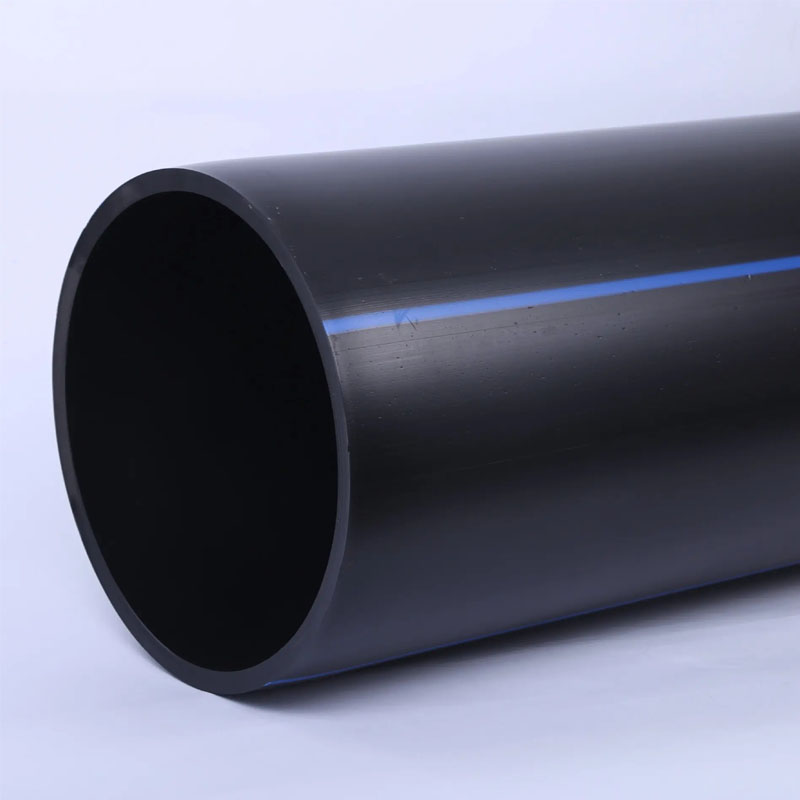
Polyvinyl chloride (PVC) pipe is a ubiquitous material in modern plumbing systems, serving as a cost-effective and versatile solution for potable water distribution, drainage, waste, and vent (DWV) applications. Its technical position within the plumbing industry chain is foundational, replacing traditional materials like galvanized steel, cast iron, and copper in many applications due to its resistance to corrosion, lightweight nature, and ease of installation. Core performance characteristics of PVC pipe include its inherent rigidity, ability to maintain pressure, chemical inertness, and a smooth internal surface that minimizes friction loss. However, its temperature sensitivity and potential for environmental stress cracking require careful consideration during selection and installation. This guide provides an in-depth exploration of PVC pipe, covering material science, manufacturing processes, performance parameters, failure modes, and relevant industry standards.
Material Science & Manufacturing
PVC is a thermoplastic polymer synthesized from the polymerization of vinyl chloride monomer (VCM). The raw material, ethylene dichloride (EDC), is produced from ethylene and chlorine. EDC is then cracked to produce VCM, which undergoes polymerization to create PVC resin. This resin, in its pure form, is brittle. Therefore, plasticizers, stabilizers, and other additives are incorporated to impart flexibility, resistance to degradation, and processing characteristics. Common plasticizers include phthalates and adipates, impacting the pipe's flexibility and temperature performance. Stabilizers, typically metal-organic compounds (e.g., tin-based stabilizers), prevent thermal degradation during processing and extend the service life. Manufacturing PVC pipe predominantly utilizes extrusion processes. PVC compound is fed into a single-screw or twin-screw extruder, where it is heated, melted, and forced through a die to form a continuous pipe. Key parameters controlled during extrusion include melt temperature, screw speed, die pressure, and cooling rate. Cooling is crucial, typically achieved via water baths, to solidify the pipe while maintaining dimensional accuracy. Subsequent processes include cutting to length, bell-end forming (for solvent welding), and quality control checks for diameter, wall thickness, and hydrostatic pressure resistance. The molecular weight distribution of the PVC resin significantly influences the pipe’s mechanical properties, with a broader distribution generally leading to increased impact resistance.
Performance & Engineering
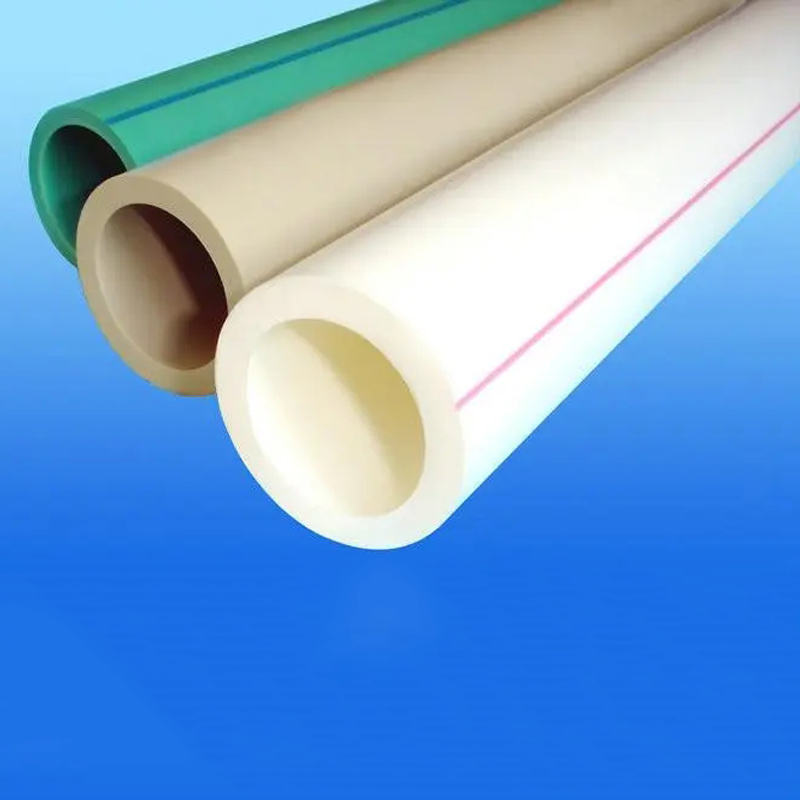
PVC pipe performance is dictated by several engineering considerations. Firstly, hydrostatic pressure rating, determined by the pipe’s schedule (wall thickness) and material, is crucial for potable water systems. Schedule 40 and Schedule 80 are common classifications, with higher schedule numbers indicating thicker walls and increased pressure capacity. Force analysis includes consideration of internal pressure, external loads (soil pressure in underground installations), and dynamic loads (water hammer). The tensile strength of PVC, typically ranging from 50-70 MPa, dictates its resistance to hoop stress from internal pressure. Environmental resistance is a critical factor; PVC exhibits excellent resistance to acids and bases but is susceptible to degradation from prolonged UV exposure and certain organic solvents. Compliance requirements vary by region, with ASTM D1785 (for PVC pipe) and ASTM D2466 (for PVC fittings) being key standards in North America. Temperature limitations are significant. PVC becomes brittle at low temperatures (below 0°C) and can soften and lose strength at elevated temperatures (above 60°C). Therefore, hot water distribution systems typically utilize CPVC (chlorinated PVC), which offers improved temperature resistance. The smooth internal surface of PVC minimizes friction loss, reducing pumping energy requirements and improving flow rates. Chemical compatibility is paramount in DWV systems, ensuring the pipe does not react with or leach contaminants from wastewater.
Technical Specifications
| Parameter | Schedule 40 PVC | Schedule 80 PVC | CPVC (ASTM D2846) |
|---|---|---|---|
| Material | PVC (Polyvinyl Chloride) | PVC (Polyvinyl Chloride) | CPVC (Chlorinated Polyvinyl Chloride) |
| Tensile Strength (MPa) | 55-65 | 60-70 | 70-80 |
| Hydrostatic Pressure Rating (at 23°C) | Up to 4.5 MPa | Up to 6.9 MPa | Up to 8.3 MPa |
| Maximum Operating Temperature (°C) | 60 | 60 | 93 |
| Impact Strength (Izod Notched, J/m) | 400-600 | 500-700 | 300-500 |
| Coefficient of Linear Thermal Expansion (mm/m°C) | 0.065 | 0.065 | 0.045 |
Failure Mode & Maintenance
PVC pipe is susceptible to several failure modes. Environmental stress cracking (ESC) occurs due to the combined effects of tensile stress, aggressive chemicals, and exposure to the environment. This manifests as brittle fractures, often initiated at stress concentration points like fittings. UV degradation causes discoloration and embrittlement, reducing the pipe’s impact resistance. Prolonged exposure to high temperatures can lead to softening and creep, resulting in deformation. Mechanical damage, such as impact from excavation equipment, can cause cracking or puncture. Fatigue cracking can occur in systems subject to cyclic pressure fluctuations. Improper solvent welding (insufficient solvent, incorrect application technique) results in weak joints prone to leakage. Maintenance involves regular visual inspection for cracks, discoloration, and leaks. Protecting PVC pipe from direct sunlight with coatings or burial is essential. Properly supporting the pipe to prevent excessive stress and strain is critical. In cases of ESC or significant UV degradation, pipe replacement is recommended. Avoid using abrasive cleaners or solvents not specifically approved for PVC. For damaged sections, cut out the affected area and replace with new PVC pipe and fittings, ensuring proper solvent welding procedures are followed.
Industry FAQ
Q: What is the difference between Schedule 40 and Schedule 80 PVC pipe, and when should each be used?
A: Schedule 40 PVC pipe has thinner walls and is suitable for lower-pressure applications, such as residential drainage and irrigation. Schedule 80 PVC pipe possesses thicker walls, providing greater pressure capacity and impact resistance. It is typically used in industrial applications, high-pressure water systems, and situations where greater mechanical strength is required. The choice depends on the system’s operating pressure, temperature, and potential external loads.
Q: Can PVC pipe be used for hot water distribution?
A: Standard PVC pipe is not recommended for hot water distribution due to its limited temperature resistance. The maximum recommended operating temperature for PVC is 60°C. CPVC (Chlorinated Polyvinyl Chloride) is specifically designed for hot water systems, offering a higher temperature rating (up to 93°C) and improved resistance to thermal deformation.
Q: What causes environmental stress cracking in PVC pipe, and how can it be prevented?
A: Environmental stress cracking (ESC) is caused by the synergistic effect of sustained tensile stress, exposure to aggressive chemicals, and environmental factors. Preventing ESC involves minimizing stress on the pipe, avoiding contact with incompatible chemicals (e.g., certain solvents), and protecting the pipe from UV exposure. Proper installation, support, and material selection are crucial.
Q: What is the proper procedure for solvent welding PVC pipe and fittings?
A: Proper solvent welding involves cleaning and deburring the pipe and fitting surfaces, applying a thin, even coat of PVC primer, followed by a generous coat of PVC cement. Immediately assemble the joint, ensuring proper alignment, and hold firmly for at least 30 seconds to allow the cement to set. Avoid twisting or applying excessive force during assembly. Follow the cement manufacturer’s instructions for curing time and temperature.
Q: How does UV exposure affect PVC pipe, and what measures can be taken to mitigate its effects?
A: Prolonged UV exposure causes discoloration, embrittlement, and reduced impact resistance in PVC pipe. Mitigation strategies include painting the pipe with a UV-resistant coating, burying the pipe underground, or using PVC compounds formulated with UV stabilizers. Regular inspection for signs of UV degradation is also recommended.
Conclusion
PVC pipe remains a cornerstone material in plumbing infrastructure due to its cost-effectiveness, durability, and ease of installation. Understanding its material properties, manufacturing processes, and performance limitations is essential for ensuring long-term reliability and system integrity. Proper design, installation, and maintenance practices, including protection from UV exposure and prevention of environmental stress cracking, are crucial for maximizing the service life of PVC plumbing systems.
As environmental concerns grow, research into more sustainable PVC formulations, including bio-based plasticizers and recycled content, is becoming increasingly important. Further advancements in PVC technology may lead to enhanced temperature resistance, improved impact strength, and reduced environmental impact, solidifying PVC’s position as a vital material in the plumbing industry.
-
DN25 HDPE Compression Fitting-HORON INTERNATIONAL|Reliable Irrigation Solutions
NewsFeb.11,2026
-
china corrugated hdpe pipe fittings Performance Analysis
News2026-05-22
-
china ppr pipe for hot water Performance Analysis
News2026-05-22
-
china ppr Technical Performance Analysis
News2026-05-22
-
china corrugated dual wall pipe Performance Analysis
News2026-05-22
-
china sink inlet pipe Material Performance Analysis
News2026-05-22
-
china 1 2 inch pvc Performance Analysis
News2026-05-21
-
china hdpe pipe joint coupler Performance Analysis
News2026-05-21
-
china ppr pipes and fittings price list Technical Analysis
News2026-05-21
-
china 9 inch pvc pipe price Performance Analysis
News2026-05-21
-
china 2 inch borewell column pipe price Performance Engineering
News2026-05-21
-
china hdpe pipe suppliers Performance Analysis
News2026-05-20
-
china submersible pump column pipe Performance Engineering
News2026-05-20
-
china 8 hdpe corrugated pipe Manufacturing Analysis
News2026-05-20
-
china dual wall hdpe pipe Performance Analysis
News2026-05-20
-
china water lines under sink Performance Analysis
News2026-05-20