

Feb . 11, 2026 00:01 Back to list
PVC Pipe what is pvc pipe used for in plumbing factory Performance Analysis
Introduction
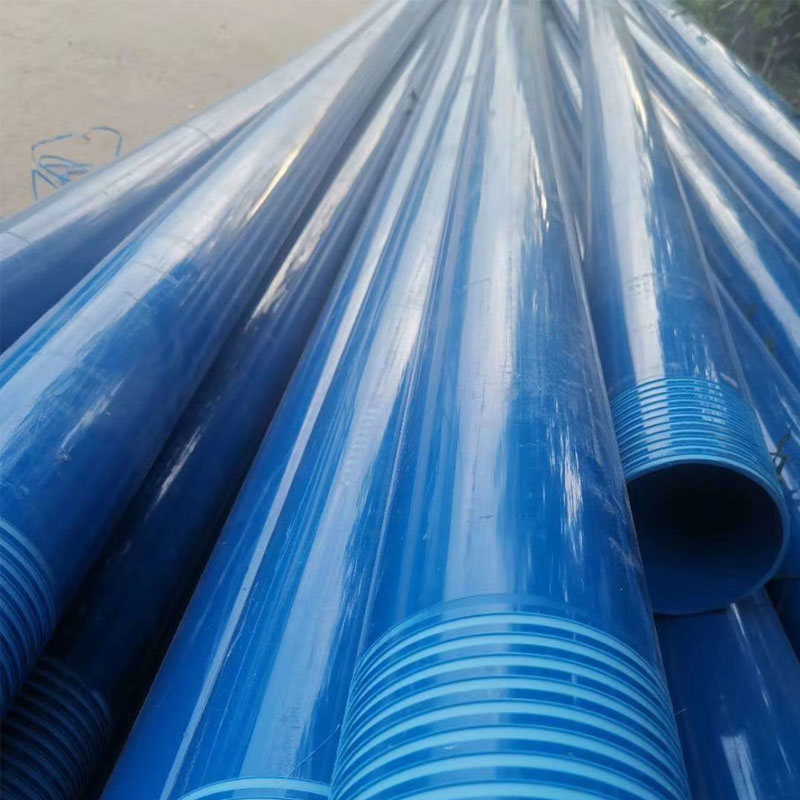
Polyvinyl Chloride (PVC) pipe is a ubiquitous material in modern plumbing systems, particularly within industrial factory settings. Its primary function lies in the conveyance of fluids – water, wastewater, and certain chemicals – serving as a critical component of process piping, drainage systems, and supply lines. The technical position of PVC pipe within the plumbing industry chain is as a cost-effective and chemically resistant alternative to traditional materials such as galvanized steel, copper, and cast iron. Its lightweight nature and ease of installation further contribute to its widespread adoption. Core performance characteristics include excellent chemical inertness, low friction loss, high tensile strength (dependent on schedule and compound), and resistance to corrosion. However, its temperature limitations and susceptibility to UV degradation are key considerations in its application. A primary industry pain point revolves around ensuring long-term reliability in chemically aggressive environments, particularly when handling industrial effluents and cleaning solutions. Proper material selection – schedule number and compound formulation – is paramount to mitigate these risks.
Material Science & Manufacturing
PVC is a thermoplastic polymer composed of vinyl chloride monomers. The raw material, vinyl chloride, is derived from ethylene and chlorine. The polymerization process, typically suspension or emulsion polymerization, creates PVC resin in powder form. This resin is then compounded with plasticizers (e.g., phthalates, adipates), stabilizers (e.g., tin stabilizers, calcium-zinc stabilizers), lubricants, and fillers (e.g., calcium carbonate) to tailor its properties for specific applications. The type and concentration of these additives significantly influence PVC’s flexibility, impact resistance, and long-term durability. Manufacturing PVC pipe primarily involves extrusion. The compounded PVC material is fed into an extruder, where it is heated, melted, and forced through a die to create a seamless pipe. Key parameters in the extrusion process include barrel temperature profile (critical for achieving proper melt viscosity), screw speed (affecting production rate and material homogeneity), and die design (determining pipe dimensions and wall thickness). Cooling is essential post-extrusion, typically using water baths, to solidify the pipe and maintain dimensional accuracy. Schedule numbers (e.g., Schedule 40, Schedule 80) denote wall thickness, directly impacting pressure bearing capacity. Chemical compatibility is heavily influenced by the plasticizer content; higher plasticizer levels improve flexibility but reduce chemical resistance.
Performance & Engineering
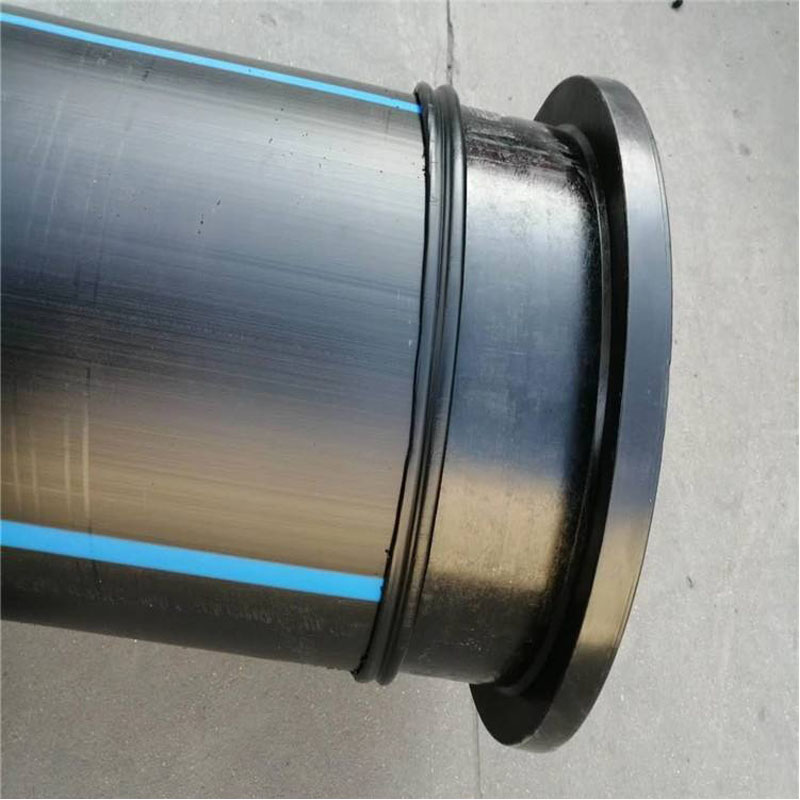
The performance of PVC pipe in plumbing applications is dictated by several engineering considerations. Hydrostatic pressure testing, conforming to ASTM D1785, verifies the pipe’s ability to withstand internal pressure without failure. Force analysis involves calculating hoop stress (tensile stress in the pipe wall due to internal pressure) and longitudinal stress (stress due to axial loads). These calculations are crucial for selecting the appropriate schedule number for a given application and operating pressure. Environmental resistance is a critical factor. While PVC exhibits good resistance to many chemicals, it is susceptible to degradation by prolonged exposure to UV radiation, causing embrittlement and discoloration. The use of UV stabilizers in the compound formulation mitigates this issue. Temperature limitations are also significant; PVC becomes brittle at low temperatures and can soften or deform at high temperatures. Typical operating temperature ranges are between 14°F (-10°C) and 140°F (60°C). Compliance requirements vary by region and application, often involving certifications from organizations like NSF International (for potable water systems) and adherence to local plumbing codes. For industrial applications, chemical resistance charts must be consulted to ensure compatibility between the PVC pipe and the conveyed fluid, preventing swelling, cracking, or leaching of chemicals into the fluid stream.
Technical Specifications
| Parameter | Schedule 40 (inches) | Schedule 80 (inches) | ASTM D1785 Pressure Rating (psi) @ 73°F |
|---|---|---|---|
| 1/2" Nominal Pipe Size - Outside Diameter | 0.625 | 0.625 | 600 |
| 1/2" Nominal Pipe Size - Wall Thickness | 0.065 | 0.083 | 600 |
| 1" Nominal Pipe Size - Outside Diameter | 1.050 | 1.050 | 450 |
| 1" Nominal Pipe Size - Wall Thickness | 0.080 | 0.112 | 450 |
| 2" Nominal Pipe Size - Outside Diameter | 2.375 | 2.375 | 300 |
| 2" Nominal Pipe Size - Wall Thickness | 0.154 | 0.187 | 300 |
Failure Mode & Maintenance
PVC pipe is susceptible to several failure modes in plumbing applications. Fatigue cracking can occur due to repeated pressure fluctuations or mechanical stress, particularly at joints and connections. Chemical attack, resulting from incompatibility with the conveyed fluid, can lead to swelling, cracking, or degradation of the pipe material. UV degradation, as previously mentioned, causes embrittlement and discoloration, reducing impact resistance. Thermal deformation can occur if the pipe is exposed to temperatures exceeding its operating limits. Soil loading (for buried pipes) can cause ovalization or cracking if inadequate bedding or backfill is used. Joint failures are common, often resulting from improper solvent cementing techniques or gasket deterioration. Maintenance strategies include regular visual inspections for cracks, leaks, or discoloration. Pressure testing can identify leaks and assess the overall integrity of the system. Joints should be inspected for proper adhesion and gasket sealing. In chemically aggressive environments, periodic material testing can assess the extent of degradation. Preventative measures include using appropriate PVC compounds for the specific application, ensuring proper installation techniques, providing adequate UV protection, and implementing a regular maintenance schedule. For significant damage, complete pipe replacement is often the most effective solution.
Industry FAQ
Q: What is the impact of different PVC compounds (e.g., Type I, Type II) on chemical resistance?
A: PVC compounds are categorized based on their formulation and resulting properties. Type I PVC, commonly used for Schedule 40 and 80 pipe, offers a broad range of chemical resistance but is less flexible. Type II PVC, often containing higher plasticizer content, exhibits increased flexibility but diminished chemical resistance. Selecting the appropriate type depends on the specific chemicals the pipe will encounter. For highly corrosive environments, a specialized PVC compound with enhanced chemical resistance, even if less flexible, is generally recommended.
Q: How does solvent cementing contribute to long-term joint integrity, and what are common causes of cement joint failure?
A: Solvent cementing creates a fusion bond between the PVC pipe and fitting, resulting in a joint as strong as or stronger than the pipe itself. The process involves softening the PVC surfaces with the solvent cement, allowing them to intermingle and create a homogenous weld. Common causes of cement joint failure include insufficient cement application, improper cement viscosity, inadequate dwell time, and contaminated surfaces. Temperature and humidity during the cementing process also significantly impact bond strength.
Q: What are the considerations for using PVC pipe in buried applications, specifically regarding soil conditions and bedding requirements?
A: Soil conditions significantly impact the performance of buried PVC pipe. Corrosive soils can accelerate degradation, while rocky soils can cause mechanical damage. Proper bedding is crucial to distribute load evenly and prevent stress concentrations. Bedding materials should be granular and well-compacted, free from sharp objects. Geotextile fabric can be used to provide additional protection against soil abrasion and root intrusion. Adherence to local plumbing codes regarding burial depth and backfill material is essential.
Q: Can PVC pipe be used for hot water applications? What are the limitations?
A: While PVC pipe can technically handle temperatures up to 140°F (60°C), its use for continuous hot water applications is generally not recommended. Prolonged exposure to elevated temperatures can lead to softening, deformation, and a reduction in pressure-bearing capacity. CPVC (Chlorinated Polyvinyl Chloride) is a more suitable material for hot water applications due to its higher temperature resistance.
Q: What are the methods for detecting leaks in PVC plumbing systems, and what tools are commonly employed?
A: Leak detection in PVC systems relies on both visual inspection and specialized tools. Visual inspection can identify obvious cracks or leaks at joints. Pressure testing with air or water is a common method to identify leaks by monitoring pressure drop. Acoustic leak detection equipment uses sensitive microphones to pinpoint the source of leaks based on the sound of escaping fluid. Tracer gas detection, involving injecting a harmless gas into the system and using a sensor to detect its presence, is also employed for pinpointing difficult-to-locate leaks.
Conclusion
PVC pipe remains a dominant material in plumbing factory systems due to its cost-effectiveness, chemical resistance, and ease of installation. However, realizing its full potential requires a thorough understanding of its material properties, manufacturing processes, and potential failure modes. Proper material selection based on the specific application – considering factors like chemical compatibility, temperature, and pressure – is crucial for long-term reliability. Furthermore, adherence to established installation practices and a proactive maintenance program are essential for preventing failures and ensuring the continued integrity of the plumbing system.
The continued development of advanced PVC compounds with enhanced properties, such as increased UV resistance and improved chemical compatibility, will likely expand the range of applications for PVC pipe in industrial settings. Focusing on sustainable manufacturing practices and responsible end-of-life management will also be critical for minimizing the environmental impact of PVC, ensuring its continued viability as a key material in the plumbing industry.
-
DN25 HDPE Compression Fitting-HORON INTERNATIONAL|Reliable Irrigation Solutions
NewsFeb.11,2026
-
china corrugated hdpe pipe fittings Performance Analysis
News2026-05-22
-
china ppr pipe for hot water Performance Analysis
News2026-05-22
-
china ppr Technical Performance Analysis
News2026-05-22
-
china corrugated dual wall pipe Performance Analysis
News2026-05-22
-
china sink inlet pipe Material Performance Analysis
News2026-05-22
-
china 1 2 inch pvc Performance Analysis
News2026-05-21
-
china hdpe pipe joint coupler Performance Analysis
News2026-05-21
-
china ppr pipes and fittings price list Technical Analysis
News2026-05-21
-
china 9 inch pvc pipe price Performance Analysis
News2026-05-21
-
china 2 inch borewell column pipe price Performance Engineering
News2026-05-21
-
china hdpe pipe suppliers Performance Analysis
News2026-05-20
-
china submersible pump column pipe Performance Engineering
News2026-05-20
-
china 8 hdpe corrugated pipe Manufacturing Analysis
News2026-05-20
-
china dual wall hdpe pipe Performance Analysis
News2026-05-20
-
china water lines under sink Performance Analysis
News2026-05-20