

Feb . 11, 2026 00:01 Back to list
PVC Pipe what is pvc pipe used for in plumbing factories Performance Analysis
Introduction
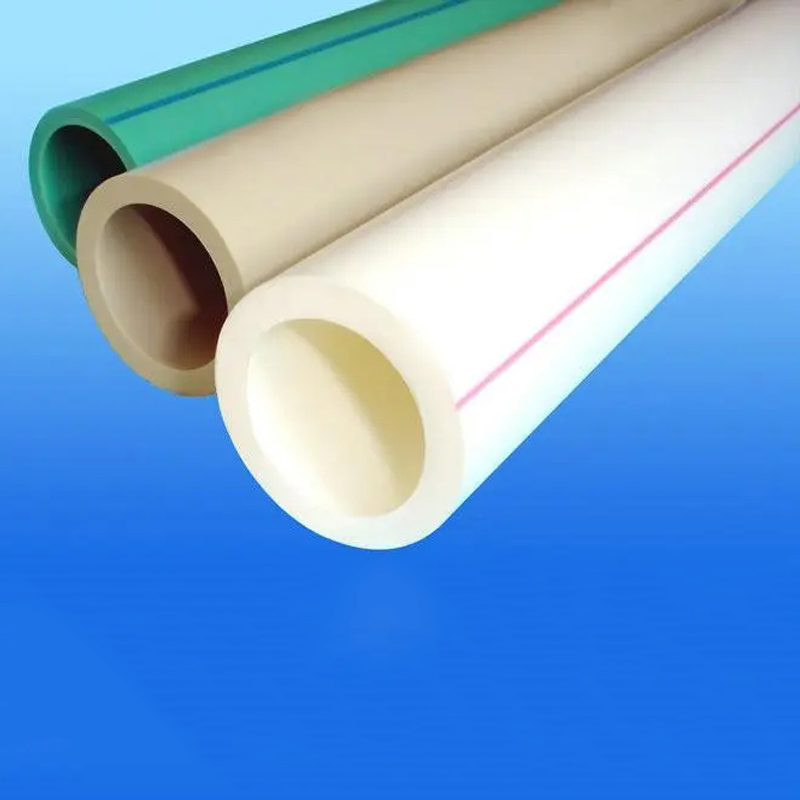
Polyvinyl Chloride (PVC) pipe is a ubiquitous material in modern plumbing systems, particularly within manufacturing facilities. Its application extends far beyond residential use, becoming a critical component in the complex networks required for industrial processes, waste management, and water distribution within plumbing factories. PVC’s technical position in the plumbing chain is defined by its cost-effectiveness, corrosion resistance, and ease of installation, often serving as a replacement for metallic piping in non-pressurized applications. Core performance characteristics include its ability to handle a wide range of chemical effluents common in manufacturing, maintaining fluid integrity, and providing a long service life with minimal maintenance. A major industry pain point revolves around ensuring consistent material quality to mitigate long-term degradation and prevent unexpected system failures, impacting production uptime. The selection of appropriate PVC compounds – Schedule 40, Schedule 80, and CPVC – is paramount to meeting specific operational demands regarding temperature, pressure, and chemical exposure.
Material Science & Manufacturing
PVC is a thermoplastic polymer produced by the polymerization of vinyl chloride monomer (VCM). The raw material, ethylene dichloride (EDC), is derived from ethylene and chlorine. The physical properties of PVC are heavily influenced by the addition of plasticizers, stabilizers, and lubricants. Unplasticized PVC (uPVC), commonly used in plumbing, exhibits high rigidity and tensile strength. Key properties include a glass transition temperature (Tg) around 80°C, a density of 1.4 g/cm³, and a tensile strength ranging from 50-70 MPa depending on the formulation. Manufacturing processes for PVC pipe primarily involve extrusion. The PVC compound is heated to a plastic state and forced through a die to create the desired pipe dimensions. Critical parameters during extrusion include temperature control (barrel zones, die temperature), screw speed, and pullulating speed to ensure consistent wall thickness and diameter. Proper cooling is also crucial to prevent deformation. Post-extrusion, pipes undergo dimensional inspection, hydrostatic testing to verify pressure resistance, and marking for identification (Schedule, size, and relevant standards). The addition of impact modifiers like acrylics increases the pipe's resistance to fracture, particularly in cold environments. Chemical compatibility with various industrial cleaning agents and process chemicals is ensured through specific formulation adjustments during compounding.
Performance & Engineering
The performance of PVC pipe in plumbing factory applications is dictated by several engineering considerations. Force analysis focuses on both internal pressure (from fluid flow) and external loads (soil cover, mechanical stress). Burst pressure calculations, based on Barlow's formula (P = 2St/D, where P is pressure, S is tensile strength, t is wall thickness, and D is diameter), are essential for determining safe operating limits. Environmental resistance is a critical factor, with PVC exhibiting good resistance to many acids, alkalis, and salts. However, prolonged exposure to UV radiation can cause embrittlement, necessitating the use of UV stabilizers or shielded installation. Compliance requirements are stringent, governed by standards like ASTM D1785 (for PVC pipe) and local plumbing codes. Functional implementation demands careful consideration of jointing methods. Solvent welding is common, creating a fused bond between pipe and fitting. Proper solvent application and curing time are vital for ensuring leak-proof connections. Threaded PVC fittings, while available, are less common in industrial plumbing due to potential leakage issues and lower pressure ratings. The coefficient of thermal expansion for PVC (approximately 8 x 10⁻⁵ /°C) must be accounted for in long pipe runs to prevent stress buildup and potential cracking.
Technical Specifications
| Parameter | Schedule 40 PVC | Schedule 80 PVC | CPVC (Chlorinated PVC) |
|---|---|---|---|
| Pressure Rating (psi) | Up to 100 psi @ 73°F | Up to 200 psi @ 73°F | Up to 300 psi @ 73°F |
| Temperature Rating (°F) | Up to 140°F | Up to 140°F | Up to 194°F |
| Tensile Strength (MPa) | 55-65 | 60-70 | 70-80 |
| Impact Strength (Izod Notched, J/m) | 400-600 | 600-800 | 800-1000 |
| Chemical Resistance | Good to Excellent (most acids & bases) | Good to Excellent (most acids & bases) | Superior (higher temperature resistance expands chemical compatibility) |
| Typical Wall Thickness (inches) | 0.133 | 0.179 | Varies depending on Schedule |
Failure Mode & Maintenance
PVC pipe failures in plumbing factories can stem from several sources. Fatigue cracking, particularly in systems subjected to vibration or repeated pressure fluctuations, is a common issue. This can initiate at stress concentrations around fittings or joints. Delamination, the separation of layers within the pipe wall, can occur due to improper extrusion or material defects. Degradation, induced by prolonged UV exposure or chemical attack, weakens the pipe material, reducing its strength and flexibility. Oxidation, especially at elevated temperatures, can lead to embrittlement and cracking. Preventative maintenance includes regular visual inspections for cracks, leaks, or discoloration. Hydrostatic testing can verify the integrity of the system. Joints should be inspected for signs of solvent weld failure or loosening. If cracks are detected, sections of pipe should be replaced immediately. For minor leaks, PVC repair compounds can provide a temporary fix, but complete replacement is the preferred long-term solution. Proper storage of PVC pipe is also essential; it should be protected from direct sunlight and extreme temperatures. Scheduled cleaning to remove buildup of corrosive substances is also vital to extend pipe lifespan.
Industry FAQ
Q: What are the key differences between Schedule 40 and Schedule 80 PVC pipe and when would I choose one over the other?
A: Schedule 80 PVC pipe has a thicker wall than Schedule 40, resulting in a higher pressure rating and greater impact resistance. Schedule 40 is suitable for lower-pressure, non-critical applications like drainage and ventilation. Schedule 80 is preferred for higher-pressure systems, chemical transfer lines, or areas where physical damage is a concern. The increased wall thickness translates to higher material cost, so a cost-benefit analysis is crucial.
Q: How does temperature affect the performance of PVC pipe?
A: PVC becomes more brittle at lower temperatures and can lose strength at elevated temperatures. The maximum operating temperature for standard PVC is typically 140°F. CPVC is designed for higher temperature applications, up to 194°F. Temperature fluctuations also cause PVC to expand and contract, which must be considered during installation to prevent stress on joints.
Q: What chemicals are incompatible with PVC?
A: While PVC exhibits good resistance to many chemicals, it is susceptible to degradation by aromatic hydrocarbons (benzene, toluene), ketones (acetone), and chlorinated solvents. Prolonged exposure to strong oxidizing agents can also cause damage. Always consult a chemical compatibility chart before using PVC in contact with unknown substances.
Q: What is the best method for joining PVC pipe in a plumbing factory setting?
A: Solvent welding is the most common and reliable method for joining PVC pipe. It creates a permanent, leak-proof bond. Proper surface preparation (cleaning and priming) and the correct solvent cement application are crucial. Mechanical fittings, like threaded connections, can be used, but they are less reliable and prone to leakage over time.
Q: What are the long-term considerations for maintaining PVC pipe systems in an industrial environment?
A: Regular inspections for cracks, leaks, and signs of degradation are essential. Implement a preventative maintenance schedule including hydrostatic testing. Protect PVC pipe from direct sunlight and extreme temperatures. Ensure compatibility of transported fluids with the PVC material. Consider implementing a corrosion monitoring program if handling aggressive chemicals.
Conclusion
PVC pipe remains a cornerstone material for plumbing systems in manufacturing facilities due to its cost-effectiveness, chemical resistance, and ease of installation. However, its performance is contingent upon careful material selection, proper installation techniques, and consistent maintenance. Understanding the limitations of PVC, particularly regarding temperature and chemical compatibility, is crucial for ensuring long-term system reliability and minimizing downtime.
Looking ahead, advancements in PVC formulations, such as the development of enhanced impact modifiers and UV stabilizers, will further extend its lifespan and broaden its application range. Increased focus on sustainable materials may also drive the development of bio-based PVC alternatives. Ultimately, a thorough engineering approach – incorporating robust design, diligent maintenance, and adherence to relevant industry standards – is paramount to maximizing the value and longevity of PVC pipe installations in demanding plumbing factory environments.
-
DN25 HDPE Compression Fitting-HORON INTERNATIONAL|Reliable Irrigation Solutions
NewsFeb.11,2026
-
china corrugated hdpe pipe fittings Performance Analysis
News2026-05-22
-
china ppr pipe for hot water Performance Analysis
News2026-05-22
-
china ppr Technical Performance Analysis
News2026-05-22
-
china corrugated dual wall pipe Performance Analysis
News2026-05-22
-
china sink inlet pipe Material Performance Analysis
News2026-05-22
-
china 1 2 inch pvc Performance Analysis
News2026-05-21
-
china hdpe pipe joint coupler Performance Analysis
News2026-05-21
-
china ppr pipes and fittings price list Technical Analysis
News2026-05-21
-
china 9 inch pvc pipe price Performance Analysis
News2026-05-21
-
china 2 inch borewell column pipe price Performance Engineering
News2026-05-21
-
china hdpe pipe suppliers Performance Analysis
News2026-05-20
-
china submersible pump column pipe Performance Engineering
News2026-05-20
-
china 8 hdpe corrugated pipe Manufacturing Analysis
News2026-05-20
-
china dual wall hdpe pipe Performance Analysis
News2026-05-20
-
china water lines under sink Performance Analysis
News2026-05-20