

Feb . 11, 2026 00:01 Back to list
pvc pipe used for manufacturer Performance and Engineering
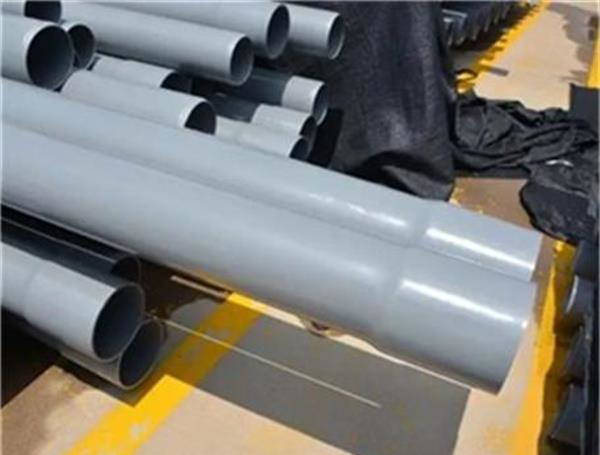
Introduction
Polyvinyl chloride (PVC) pipe is a thermoplastic piping system widely utilized in diverse industrial applications, particularly for fluid and gas conveyance. Positioned as a cost-effective alternative to metallic piping, PVC’s primary industrial role lies in its robust chemical resistance, non-conductivity, and ease of installation. Within the manufacturing chain, PVC pipe represents a critical downstream product of the petrochemical industry, derived from vinyl chloride monomer (VCM). Its core performance characteristics include pressure containment, fluid flow capacity, and long-term durability, significantly impacting plant operational efficiency and safety. The selection of PVC pipe grade (Schedule 40, 80, etc.) is paramount, directly influencing its mechanical strength and suitability for specific operational parameters. A key industry pain point involves ensuring consistent material quality to prevent premature failure due to factors like UV degradation or improper installation practices. Understanding the interplay of these elements is crucial for effective deployment within industrial facilities.
Material Science & Manufacturing
PVC is a homopolymer comprised of repeating vinyl chloride units (C₂H₃Cl). The raw material, ethylene dichloride (EDC), is produced from ethylene and chlorine. EDC then undergoes pyrolysis to yield VCM. Polymerization of VCM, typically via suspension or emulsion processes, results in PVC resin. This resin is then compounded with stabilizers (typically heat stabilizers based on metal carboxylates like calcium-zinc or organotin compounds), lubricants, plasticizers (phthalates or alternatives like DINP), and pigments to achieve desired properties.
Manufacturing PVC pipe typically involves extrusion. The PVC compound is fed into a single-screw or twin-screw extruder, where it's heated and plastified. The molten PVC is then forced through a die, shaping it into the desired pipe diameter and wall thickness. Precise control of extrusion temperature (ranging from 160-210°C depending on the formulation), screw speed, and die pressure is critical for consistent dimensional accuracy and material properties. Cooling is achieved through water baths, followed by sizing and cutting to specified lengths. Hydrostatic testing is commonly employed for quality control, verifying the pipe’s ability to withstand internal pressure. The choice of stabilizer package directly affects the pipe's thermal stability during processing and its long-term resistance to degradation. Key parameters monitored include melt flow index (MFI) to assess processability, and impact strength (Izod or Charpy) to evaluate toughness.
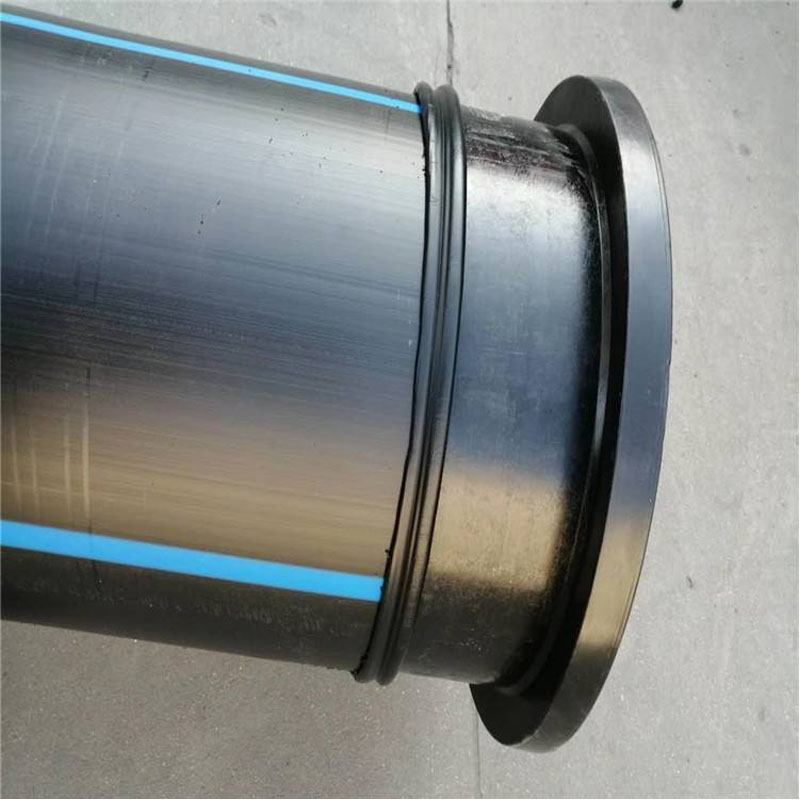
Performance & Engineering
The performance of PVC pipe in industrial applications is governed by several engineering principles. Stress analysis, considering both internal pressure and external loads, is crucial for determining appropriate pipe schedules (wall thickness). The Barlow formula (S = PR/2t, where S=stress, P=pressure, R=radius, t=wall thickness) provides a basic framework for pressure containment calculations. Long-term hydrostatic strength (LTHS) is a critical parameter, representing the maximum sustained pressure the pipe can withstand over its intended service life.
PVC exhibits relatively low tensile strength (typically 50-70 MPa) compared to metals, requiring careful consideration of support structures and expansion joints to accommodate thermal expansion and contraction. The coefficient of thermal expansion for PVC is approximately 8 x 10⁻⁵ /°C, significantly higher than steel. Chemical resistance is a major advantage, with PVC demonstrating excellent resistance to acids, alkalis, and many solvents. However, it’s susceptible to attack by aromatic hydrocarbons and chlorinated solvents. Environmental resistance necessitates UV stabilization, as prolonged exposure to ultraviolet radiation causes chain scission and embrittlement. Compliance requirements, dictated by standards like ASTM D1785 (for PVC pipe) and NSF/ANSI 61 (for potable water applications), mandate specific material formulations and testing procedures to ensure safety and performance. Fatigue resistance is relevant in applications involving cyclical pressure fluctuations or vibrations.
Technical Specifications
| Parameter | Schedule 40 (Typical) | Schedule 80 (Typical) | ASTM D1785 Standard |
|---|---|---|---|
| Material | PVC (Polyvinyl Chloride) | PVC (Polyvinyl Chloride) | Type I, Grade 1 |
| Pressure Rating (psi at 73°F) | 200 | 325 | Variable depending on size & temperature |
| Tensile Strength (MPa) | 55 | 60 | Minimum 55 MPa |
| Impact Strength (Izod, notched, J/m) | 600 | 800 | Minimum 540 J/m |
| Water Absorption (24 hours, %) | <0.1 | <0.1 | Maximum 0.5% |
| Coefficient of Linear Thermal Expansion (°C⁻¹) | 8 x 10⁻⁵ | 8 x 10⁻⁵ | Typical range: 7-9 x 10⁻⁵ °C⁻¹ |
Failure Mode & Maintenance
PVC pipe can experience several failure modes in industrial settings. Brittle Fracture: This occurs due to impact, especially at low temperatures, exacerbated by material defects or stress concentrations. Environmental Stress Cracking (ESC): Long-term exposure to certain chemicals (particularly those causing swelling) under tensile stress can lead to crack initiation and propagation. UV Degradation: Prolonged sunlight exposure causes discoloration, embrittlement, and a reduction in mechanical properties. Thermal Distortion: Excessive temperatures can cause softening and deformation, particularly in unsupported sections. Corrosion (Chemical Attack): Exposure to incompatible chemicals can dissolve or weaken the PVC matrix.
Maintenance protocols should include regular visual inspections for cracks, discoloration, or deformation. Protecting pipes from direct sunlight with coatings or shading is crucial for preventing UV degradation. Proper support structures and expansion joints are essential to minimize stress. Avoiding exposure to incompatible chemicals and implementing a preventative maintenance schedule for joints and fittings (torque checks, leak detection) can significantly extend service life. For ESC mitigation, selecting appropriate PVC formulations and avoiding contact with aggressive chemicals are paramount. If cracking is detected, sections should be replaced promptly. Hydrostatic re-testing can assess the overall integrity of the piping system.
Industry FAQ
Q: What is the impact of temperature on the pressure rating of PVC pipe?
A: The pressure rating of PVC pipe decreases as temperature increases. This is due to the reduction in material strength at elevated temperatures. ASTM D1785 provides derating factors based on operating temperature; for example, a pipe rated for 200 psi at 73°F might have a significantly lower pressure rating at 140°F. Operating beyond the specified temperature and pressure limits can lead to catastrophic failure.
Q: How does PVC pipe compare to steel pipe in terms of corrosion resistance in a chemical processing plant?
A: PVC offers superior corrosion resistance to steel in many chemical environments. Steel is susceptible to rust and corrosion from various acids, bases, and salts, requiring protective coatings or the use of corrosion-resistant alloys. PVC is inherently resistant to many of these chemicals. However, PVC is vulnerable to attack by aromatic hydrocarbons and chlorinated solvents, where steel might be a better choice. A detailed chemical compatibility assessment is always necessary.
Q: What are the considerations for joining PVC pipe in a critical industrial application?
A: Proper jointing is paramount. Solvent cementing is the most common method, requiring careful surface preparation (cleaning and priming) and the use of compatible PVC cements. The cement’s viscosity and application rate must be controlled. Threaded connections, while possible, are less common due to potential leakage. Gaskets and flanges can be used for larger diameter pipes or applications requiring frequent disassembly. Joints are often the weakest point in a PVC piping system, and proper installation is crucial.
Q: What are the implications of using recycled PVC in industrial pipe applications?
A: Using recycled PVC can reduce costs and environmental impact. However, the quality and properties of recycled PVC can vary significantly depending on the source and processing method. Recycled PVC may have lower mechanical strength, reduced UV resistance, and contain contaminants. Industrial applications often require virgin PVC to ensure consistent performance and reliability, particularly for critical applications involving high pressure or hazardous materials.
Q: What are the main factors to consider when selecting the appropriate PVC schedule (40, 80, etc.) for a given application?
A: Schedule number dictates wall thickness and pressure rating. Schedule 80 pipe has a thicker wall than Schedule 40, offering higher pressure capacity and greater mechanical strength. Selection depends on operating pressure, temperature, fluid type, and external loads. Higher pressures and temperatures necessitate thicker-walled pipe (higher schedule). Corrosive environments or applications prone to mechanical damage also benefit from increased wall thickness. Cost is also a consideration, as higher schedules are more expensive.
Conclusion
PVC pipe remains a vital component in numerous industrial applications, valued for its cost-effectiveness, chemical resistance, and ease of installation. However, successful implementation demands a thorough understanding of its material properties, manufacturing processes, and potential failure modes. Careful consideration of operating conditions, proper material selection (including the appropriate schedule and stabilizer package), and adherence to relevant industry standards are crucial for ensuring long-term reliability and safety.
Future developments in PVC technology are focused on enhancing its performance characteristics, such as improving impact resistance, increasing thermal stability, and developing more sustainable formulations utilizing bio-based plasticizers and recycled content. Continued research into ESC mitigation strategies and improved UV stabilization techniques will further broaden the scope of PVC’s industrial applications. Proactive maintenance programs and rigorous quality control measures remain essential for maximizing the service life of PVC piping systems.
-
DN25 HDPE Compression Fitting-HORON INTERNATIONAL|Reliable Irrigation Solutions
NewsFeb.11,2026
-
china 2 inch upvc column pipe price Performance Analysis
News2026-05-30
-
china hdpe to pvc coupling Performance Analysis
News2026-05-30
-
china 2 hdpe to pvc coupling Performance Analysis
News2026-05-30
-
china 48 inch hdpe pipe cost Performance Analysis
News2026-05-30
-
china upvc column pipe price Performance Analysis
News2026-05-30
-
china hdpe pipe to pvc pipe connection Performance Engineering
News2026-05-29
-
china 12 inch pvc pipe Performance Analysis
News2026-05-29
-
china pvc to hdpe pipe connection Performance Analysis
News2026-05-29
-
china types of pipes pvc Performance Analysis
News2026-05-29
-
china 2 hdpe coupling Material Science
News2026-05-29
-
china 48 hdpe pipe for sale Performance Analysis
News2026-05-28
-
china perforated land drainage pipe Performance Analysis
News2026-05-28
-
china clear pvc hose Performance Analysis
News2026-05-28
-
china kitchen sink hot cold water lines Performance Analysis
News2026-05-28
-
china 110 mm pvc pipe Performance Analysis
News2026-05-28