

Feb . 11, 2026 00:01 Back to list
pvc pipe used for factories Performance Analysis
Introduction
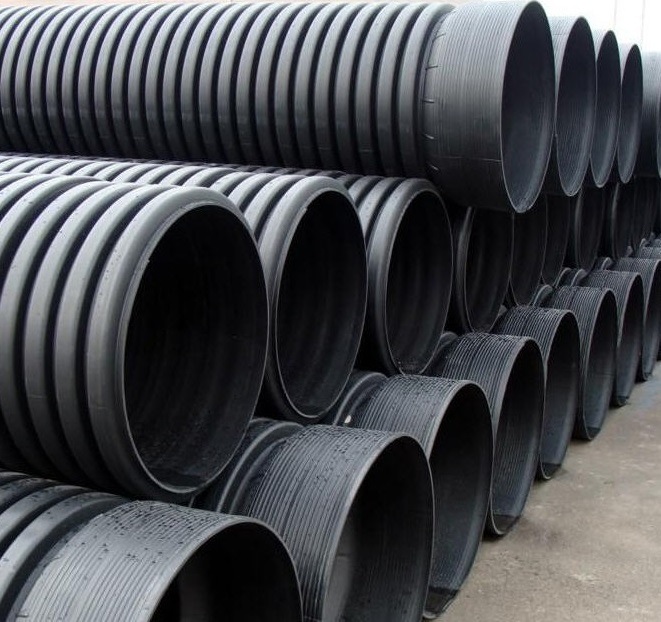
Polyvinyl chloride (PVC) pipe is a ubiquitous material in industrial settings, serving as a critical component in fluid transfer, drainage, venting, and structural applications within factories. Its prevalence stems from a balance of cost-effectiveness, corrosion resistance, and ease of installation. This guide provides an in-depth technical overview of PVC pipe specifically geared towards factory applications, encompassing material science, manufacturing processes, performance characteristics, failure modes, and relevant industry standards. PVC’s position in the industrial chain is fundamental, often replacing metallic piping systems in non-critical applications where the higher cost and maintenance of metals are undesirable. Core performance attributes include pressure handling capacity (dependent on schedule rating), chemical inertness, and dielectric strength, making it suitable for a diverse range of industrial fluids. A primary industry pain point is the potential for embrittlement with prolonged exposure to UV radiation and certain chemicals, necessitating appropriate material selection and installation practices. Another significant concern is the potential for catastrophic failure due to improper joining techniques or exceeding pressure limits, highlighting the need for qualified personnel and rigorous quality control.
Material Science & Manufacturing
PVC is a thermoplastic polymer composed of vinyl chloride monomers. Its raw material, vinyl chloride monomer (VCM), is derived from ethylene and chlorine. The polymerization process, typically suspension or emulsion polymerization, yields PVC resin, a white, brittle powder. Plasticizers, stabilizers, lubricants, and impact modifiers are added to the resin to impart desired flexibility, durability, and processability. The choice of plasticizer significantly impacts the final properties. For factory applications requiring greater rigidity and temperature resistance, unplasticized PVC (uPVC) is commonly employed. uPVC boasts a higher glass transition temperature and superior mechanical strength compared to plasticized PVC. Manufacturing PVC pipe involves extrusion. The PVC compound is fed into a hopper, conveyed through a screw extruder, and melted. The molten PVC is then forced through a die to create the desired pipe diameter and wall thickness. Critical parameters during extrusion include temperature control (to prevent degradation), screw speed (influencing output rate and melt homogeneity), and die design (dictating dimensional accuracy). Cooling is crucial, typically achieved with water baths, to solidify the pipe and maintain its shape. Proper calibration is necessary to maintain consistent dimensions. Post-extrusion, pipes are often marked with identification, size, and schedule information. Chemical compatibility is a key consideration; PVC exhibits good resistance to acids, bases, and aliphatic hydrocarbons but is susceptible to degradation by aromatic hydrocarbons, ketones, and chlorinated solvents.
Performance & Engineering
The performance of PVC pipe in factory settings hinges on its ability to withstand internal pressure, external loads, and environmental stressors. Hydrostatic pressure testing is a standard quality control measure to verify the pipe's burst strength. The pressure rating is directly proportional to the schedule number (e.g., Schedule 40, Schedule 80), with higher schedules indicating thicker walls and greater pressure capacity. Force analysis considers both hoop stress (circumferential stress due to internal pressure) and longitudinal stress. Soil loading, in buried applications, induces external pressure, requiring adequate bedding and backfill support. Thermal expansion and contraction are significant, particularly in long runs of pipe. Expansion loops or flexible joints are often incorporated to accommodate these movements and prevent stress cracking. PVC's dielectric strength is high, making it suitable for applications involving electrically conductive fluids. However, PVC is combustible, and flame retardant additives are often included in the formulation to meet fire safety codes. Compliance with relevant standards, such as ASTM D1785 (for PVC pipe) and local building codes, is mandatory. Corrosion resistance is a major advantage, eliminating the need for costly protective coatings commonly required for metallic pipes. However, long-term exposure to UV radiation can cause chain scission, leading to embrittlement and reduced impact strength. UV stabilizers are added to PVC formulations intended for outdoor applications. Proper jointing techniques, including solvent welding or threaded connections, are crucial to maintain the integrity of the system and prevent leakage.
Technical Specifications
| Parameter | Schedule 40 (Typical) | Schedule 80 (Typical) | Units |
|---|---|---|---|
| Outside Diameter | 1.900 inches (48.3 mm) | 2.067 inches (52.5 mm) | inches/mm |
| Wall Thickness | 0.133 inches (3.4 mm) | 0.179 inches (4.5 mm) | inches/mm |
| Pressure Rating (at 73°F) | 400 psi | 600 psi | psi |
| Tensile Strength | 6,000 - 7,000 | 7,000 - 8,000 | psi |
| Impact Strength (Izod Notched) | 8-12 | 10-15 | ft-lb/in |
| Water Absorption (24hr) | <0.1% | <0.1% | % |
Failure Mode & Maintenance
PVC pipe can experience several failure modes in factory environments. Fatigue cracking can occur in systems subjected to cyclical pressure fluctuations or mechanical vibrations. This initiates at stress concentration points, such as joints or areas of damage. Chemical attack from incompatible fluids can cause degradation, swelling, or embrittlement. UV degradation leads to chain scission and loss of impact strength, making the pipe brittle and susceptible to cracking. Thermal deformation can occur if the pipe is exposed to temperatures exceeding its service limit, causing warping or distortion. Stress cracking arises from the combined effect of tensile stress and chemical exposure. Joint failure is a common issue, often stemming from improper solvent welding techniques (insufficient surface preparation, incorrect adhesive application, or inadequate curing time) or loose threaded connections. Maintenance strategies include regular visual inspections to identify cracks, leaks, or signs of degradation. Pressure testing should be conducted periodically to verify the integrity of the system. Protective measures, such as shielding the pipe from UV radiation and ensuring chemical compatibility, are crucial for extending its service life. For minor leaks, patching compounds can provide a temporary repair, but complete pipe replacement is often necessary for significant damage. Proper support and anchoring are essential to prevent excessive stress on the pipe and joints.
Industry FAQ
Q: What is the impact of temperature on the pressure rating of PVC pipe?
A: The pressure rating of PVC pipe is typically specified at 73°F (23°C). As temperature increases, the pressure rating decreases. This is because the tensile strength of PVC decreases with increasing temperature. A derating factor should be applied when operating PVC pipe at temperatures significantly above 73°F. Consult the manufacturer's specifications for specific derating curves.
Q: Can PVC pipe be used for compressed air lines?
A: While PVC can handle some pneumatic pressure, it’s generally not recommended for compressed air lines, especially where consistent, high-pressure delivery is crucial. PVC’s inherent brittleness and susceptibility to impact damage increase the risk of catastrophic failure under pressure spikes common in compressed air systems. Metal or reinforced nylon tubing is preferred for these applications.
Q: What is the best method for joining PVC pipe in a factory setting?
A: Solvent welding (using PVC cement and primer) is generally the preferred method for joining PVC pipe, creating a chemical weld that is as strong as the pipe itself. However, proper surface preparation (cleaning and priming) and adequate curing time are essential. Threaded connections are also possible but are more prone to leakage if not properly sealed with PTFE tape or pipe dope.
Q: How can I mitigate the risk of UV degradation in outdoor PVC pipe installations?
A: Use PVC compounds formulated with UV stabilizers. Paint the pipe with a UV-resistant coating. Shield the pipe from direct sunlight using covers or enclosures. Bury the pipe underground to provide natural protection. Regular inspection and preventative maintenance are also crucial.
Q: What type of chemicals should be avoided when using PVC pipe?
A: PVC is incompatible with aromatic hydrocarbons (benzene, toluene, xylene), ketones (acetone, methyl ethyl ketone), chlorinated solvents (methylene chloride, chloroform), and esters. Exposure to these chemicals can cause swelling, softening, cracking, or complete failure of the pipe. Always consult a chemical compatibility chart before using PVC pipe with any new fluid.
Conclusion
PVC pipe remains a cost-effective and versatile material for a wide range of factory applications. Its inherent corrosion resistance, ease of installation, and acceptable mechanical properties make it a viable alternative to metallic piping in numerous scenarios. However, its limitations regarding temperature resistance, UV degradation, and chemical compatibility must be carefully considered during material selection and system design. Understanding the potential failure modes and implementing appropriate preventative maintenance strategies are paramount to ensuring long-term reliability and preventing costly downtime.
Future advancements in PVC formulations, such as enhanced UV stabilizers and impact modifiers, will likely broaden its applicability in demanding industrial environments. Furthermore, the development of more robust joining techniques and non-destructive testing methods will contribute to increased system integrity and safety. Prioritizing proper installation practices, comprehensive chemical compatibility assessments, and diligent maintenance will continue to be crucial for maximizing the service life and performance of PVC pipe in factory settings.
-
DN25 HDPE Compression Fitting-HORON INTERNATIONAL|Reliable Irrigation Solutions
NewsFeb.11,2026
-
china 2 inch upvc column pipe price Performance Analysis
News2026-05-30
-
china hdpe to pvc coupling Performance Analysis
News2026-05-30
-
china 2 hdpe to pvc coupling Performance Analysis
News2026-05-30
-
china 48 inch hdpe pipe cost Performance Analysis
News2026-05-30
-
china upvc column pipe price Performance Analysis
News2026-05-30
-
china hdpe pipe to pvc pipe connection Performance Engineering
News2026-05-29
-
china 12 inch pvc pipe Performance Analysis
News2026-05-29
-
china pvc to hdpe pipe connection Performance Analysis
News2026-05-29
-
china types of pipes pvc Performance Analysis
News2026-05-29
-
china 2 hdpe coupling Material Science
News2026-05-29
-
china 48 hdpe pipe for sale Performance Analysis
News2026-05-28
-
china perforated land drainage pipe Performance Analysis
News2026-05-28
-
china clear pvc hose Performance Analysis
News2026-05-28
-
china kitchen sink hot cold water lines Performance Analysis
News2026-05-28
-
china 110 mm pvc pipe Performance Analysis
News2026-05-28