

Feb . 11, 2026 00:01 Back to list
pvc pipe class 7 manufacturer Performance Analysis
Introduction
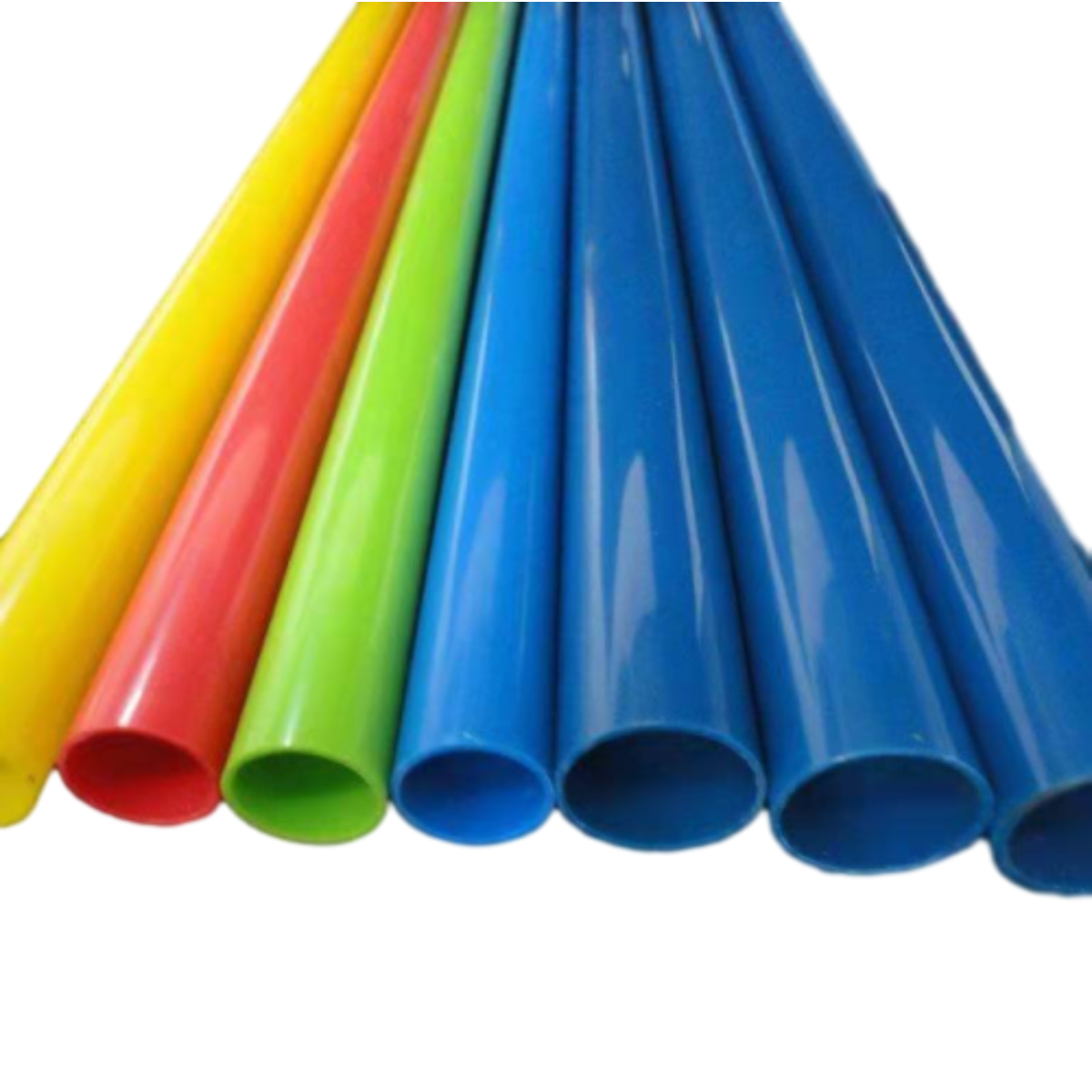
PVC (Polyvinyl Chloride) Class 7 pipe represents a specific grade of rigid PVC piping commonly utilized in industrial fluid handling applications requiring elevated pressure and temperature resistance. Positioned within the broader PVC piping industry, Class 7 differentiates itself through its enhanced mechanical properties and adherence to stringent manufacturing standards. This guide provides a detailed technical overview of PVC Class 7 pipe, covering material science, manufacturing processes, performance characteristics, failure modes, and relevant industry standards. Core performance attributes include its high tensile strength, chemical inertness, and ability to maintain structural integrity under significant hydrostatic pressure. A key pain point in the industry revolves around ensuring consistent material quality and dimensional accuracy to prevent premature failures and costly downtime in critical process systems. The proper selection and installation of PVC Class 7 pipe are paramount to long-term reliability and safety.
Material Science & Manufacturing
PVC Class 7 pipe is primarily composed of PVC resin, typically a copolymer of vinyl chloride monomer. The resin is blended with a variety of additives including impact modifiers (like chlorinated polyethylene - CPE), heat stabilizers (often based on organotin compounds or calcium-zinc stabilizers), lubricants (stearates), and processing aids. The specific formulation determines the final mechanical and thermal properties. Raw material quality is critical; resin should meet ASTM D1788 specifications. Manufacturing typically employs extrusion processes. PVC compound is fed into a single-screw or twin-screw extruder, melted, and forced through a die to form a continuous pipe profile. Precise control of extrusion temperature (typically 180-210°C), screw speed, and die dimensions is crucial to achieve consistent wall thickness and dimensional accuracy. Cooling is accomplished using water baths, followed by sizing and cutting to specified lengths. Post-extrusion processes may include hydrostatic testing to verify pressure rating and visual inspection for defects. Parameter control relies on closed-loop feedback systems monitoring temperature, pressure, and dimensions throughout the process. Degradation of PVC during extrusion, leading to discoloration and reduced mechanical properties, is a common challenge, necessitating careful temperature control and the use of effective heat stabilizers.
Performance & Engineering
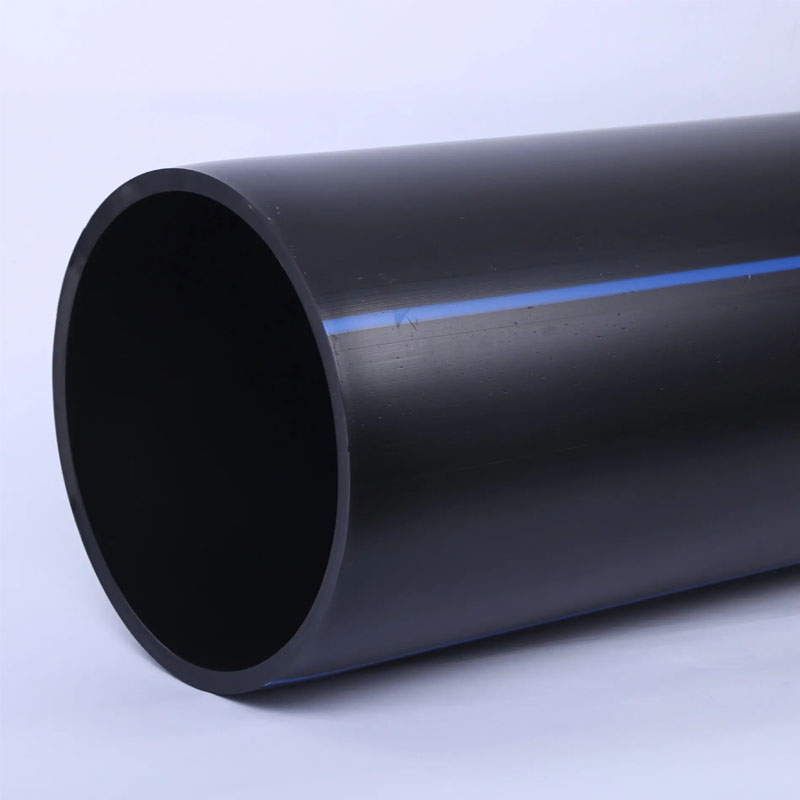
The performance of PVC Class 7 pipe is governed by its ability to withstand internal hydrostatic pressure, external loads, and chemical exposure. Hydrostatic design stress (HDS) is a critical parameter, typically calculated based on the pipe’s dimensions, material properties, and a safety factor. Finite element analysis (FEA) is routinely used to model stress distribution under various loading conditions. External loads, such as soil loading in buried applications, must be considered to prevent pipe collapse. PVC exhibits creep behavior, meaning it deforms slowly under sustained stress; this must be accounted for in long-term design. Chemical resistance is generally excellent for many common industrial fluids, however, compatibility should be verified with specific chemicals through immersion testing. PVC’s glass transition temperature (Tg) is approximately 80°C; exceeding this temperature significantly reduces its mechanical properties. Compliance requirements are dictated by standards like ASTM D1785 (for dimensional and performance specifications) and NSF/ANSI 61 (for potable water applications, if applicable). Installation practices, including proper jointing using solvent cement or gasketed fittings, are critical for maintaining performance. Incorrectly joined pipes are a major source of leaks and failures.
Technical Specifications
| Parameter | Unit | Specification (Typical) | Test Method |
|---|---|---|---|
| Nominal Pipe Size | inch | 0.5 - 12 | ASTM D1785 |
| Schedule Number | - | 40, 80 | ASTM D1785 |
| Pressure Rating | psi | Up to 600 (dependent on size & schedule) | ASTM D1599 |
| Tensile Strength | psi | >7000 | ASTM D638 |
| Flexural Modulus | psi | >400,000 | ASTM D790 |
| Impact Strength (Izod Notched) | ft-lb/in | >10 | ASTM D256 |
Failure Mode & Maintenance
PVC Class 7 pipe can experience several failure modes. Hydrostatic rupture occurs when the internal pressure exceeds the pipe’s design limit. Fatigue cracking can develop under cyclic pressure loading, particularly near joints. Environmental stress cracking (ESC) results from the combined effects of stress and exposure to certain chemicals. UV degradation can embrittle the material, especially in outdoor applications. Soil loading can cause ovalization and collapse in buried pipes. Delamination can occur if the PVC compound is not properly mixed or processed. Maintenance primarily involves regular visual inspections for cracks, leaks, or signs of degradation. Joints should be checked for tightness and evidence of solvent cement failure. Protective coatings can be applied to mitigate UV degradation. In cases of minor damage, repairs can be made using appropriate PVC repair compounds. For significant damage, pipe replacement is generally recommended. Preventive maintenance programs, including proper installation and load support, are crucial for extending pipe service life. Proper storage of PVC pipe, protected from direct sunlight and extreme temperatures, is also important to prevent pre-installation degradation.
Industry FAQ
Q: What is the primary difference between PVC Schedule 40 and Schedule 80 pipe, and how does it relate to Class 7 performance?
A: Schedule 40 and Schedule 80 refer to the pipe wall thickness. Schedule 80 has a thicker wall, resulting in a higher pressure rating and increased resistance to impact and external loads. Class 7 doesn’t inherently define a schedule, but typically, Class 7 performance requirements are met by using Schedule 80 pipe for higher pressure applications. The designation "Class 7" signifies a higher level of quality control and material consistency compared to standard PVC pipe, ensuring it meets stringent pressure and temperature specifications, often requiring Schedule 80 for its realization.
Q: What chemical compatibility testing should be performed before using PVC Class 7 in a specific industrial process?
A: Immersion testing is essential. Expose PVC samples to the process fluid at the expected operating temperature for a defined period (e.g., 72 hours, 168 hours). Evaluate changes in weight, dimensions, and mechanical properties (tensile strength, elongation). Consult chemical resistance charts as a starting point, but always verify compatibility with the specific formulation of PVC being used. Consider the potential for synergistic effects if multiple chemicals are present.
Q: How does temperature affect the long-term performance of PVC Class 7 pipe?
A: Elevated temperatures accelerate creep and reduce the pipe’s strength. Operating above the glass transition temperature (Tg) of approximately 80°C significantly degrades mechanical properties. Derate the pressure rating at higher temperatures according to ASTM D1599. Consider using temperature-resistant PVC compounds for applications exceeding typical operating temperatures. Long-term exposure to UV radiation also causes degradation, leading to embrittlement.
Q: What are the key considerations for solvent cementing PVC Class 7 pipe to ensure a leak-proof joint?
A: Proper surface preparation is crucial – clean and dry the pipe and fitting thoroughly. Use a primer specifically designed for PVC. Apply the solvent cement evenly and avoid excessive amounts. Ensure adequate “wetting” of the surfaces. Allow sufficient curing time before pressurizing the system (typically 24 hours). Follow the solvent cement manufacturer's instructions precisely. Temperature and humidity can affect curing time.
Q: What types of failures are common in buried PVC Class 7 pipelines, and how can they be mitigated?
A: Common failures include soil loading-induced collapse, environmental stress cracking (ESC) from aggressive soil chemistry, and joint separation due to settlement. Mitigation strategies include proper bedding and backfill compaction, using a geotextile barrier to isolate the pipe from aggressive soils, and designing for anticipated soil movement. Consider using restrained joints in areas prone to significant settlement or uplift. Regular inspections can identify potential problems before they lead to catastrophic failures.
Conclusion
PVC Class 7 pipe stands as a robust and reliable solution for industrial fluid handling, particularly when demanding pressure and temperature requirements are present. Its performance is deeply rooted in careful material selection, controlled manufacturing processes, and adherence to rigorous industry standards. Understanding the material’s limitations, including susceptibility to creep, UV degradation, and chemical attack, is crucial for ensuring long-term service reliability.
Moving forward, advancements in PVC formulations, such as incorporating nano-fillers to enhance mechanical properties and UV stabilizers to improve weathering resistance, promise to further extend the capabilities of PVC Class 7 pipe. Continuous monitoring of installation practices and the implementation of proactive maintenance programs remain essential for maximizing the lifespan and preventing costly failures in critical infrastructure applications.
-
DN25 HDPE Compression Fitting-HORON INTERNATIONAL|Reliable Irrigation Solutions
NewsFeb.11,2026
-
china corrugated hdpe pipe fittings Performance Analysis
News2026-05-22
-
china ppr pipe for hot water Performance Analysis
News2026-05-22
-
china ppr Technical Performance Analysis
News2026-05-22
-
china corrugated dual wall pipe Performance Analysis
News2026-05-22
-
china sink inlet pipe Material Performance Analysis
News2026-05-22
-
china 1 2 inch pvc Performance Analysis
News2026-05-21
-
china hdpe pipe joint coupler Performance Analysis
News2026-05-21
-
china ppr pipes and fittings price list Technical Analysis
News2026-05-21
-
china 9 inch pvc pipe price Performance Analysis
News2026-05-21
-
china 2 inch borewell column pipe price Performance Engineering
News2026-05-21
-
china hdpe pipe suppliers Performance Analysis
News2026-05-20
-
china submersible pump column pipe Performance Engineering
News2026-05-20
-
china 8 hdpe corrugated pipe Manufacturing Analysis
News2026-05-20
-
china dual wall hdpe pipe Performance Analysis
News2026-05-20
-
china water lines under sink Performance Analysis
News2026-05-20