

Feb . 11, 2026 00:01 Back to list
ppr service Material Science and Manufacturing
Introduction
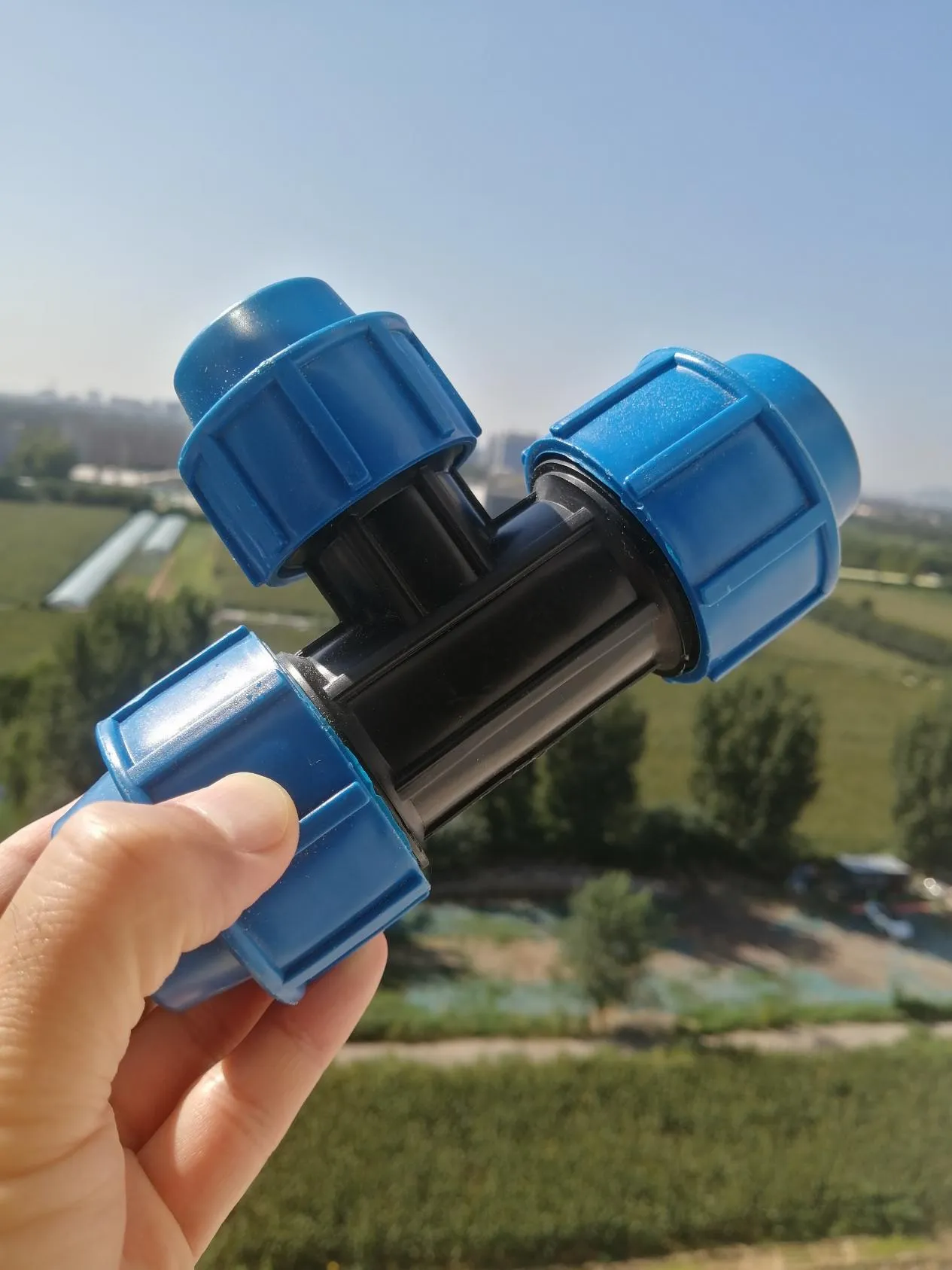
Polypropylene Random Copolymer (PPR) service encompasses the installation, maintenance, and repair of piping systems constructed from PPR materials. PPR, a thermoplastic produced from the polymerization of propylene, has become a prevalent material in hot and cold water distribution, industrial fluid transfer, and increasingly, heating systems. Its position in the construction and industrial chain is defined by its role as a durable, corrosion-resistant alternative to traditional metal piping, offering significant advantages in terms of cost-effectiveness, ease of installation, and hygiene. Core performance characteristics center around pressure resistance, temperature stability (typically up to 95°C), chemical inertness to a broad range of fluids, and a smooth inner surface minimizing scale buildup and flow restriction. A key pain point in the industry revolves around ensuring consistent weld quality, particularly in complex network layouts, and proper material selection for specific fluid compatibility, as variations in copolymer ratios impact long-term performance.
Material Science & Manufacturing
PPR is manufactured through the random copolymerization of propylene monomer. The ‘random’ designation signifies the irregular arrangement of comonomers (typically ethylene) within the polypropylene chain, disrupting the crystallinity and resulting in improved impact strength and flexibility compared to homopolymer polypropylene. Raw material selection focuses on polypropylene granules meeting stringent purity standards, impacting weldability and long-term durability. The manufacturing process typically involves extrusion. Granules are fed into an extruder, melted, and forced through a die to create pipes and fittings of various diameters and shapes. Critical parameters include melt temperature (typically 200-240°C), extrusion speed, and cooling rate. Precise control is vital to ensure uniform wall thickness and minimize residual stress. Fusion welding, using either hot plate or electrofusion methods, is the primary joining technique. Hot plate welding involves heating the pipe and fitting surfaces on a heated plate, then quickly aligning and pressing them together. Electrofusion utilizes an internal heating element within the fitting to melt and fuse the pipe and fitting simultaneously. Successful welding necessitates meticulous surface preparation (cleaning and deburring) and adherence to specific heating and cooling times dictated by the material and dimension.
Performance & Engineering
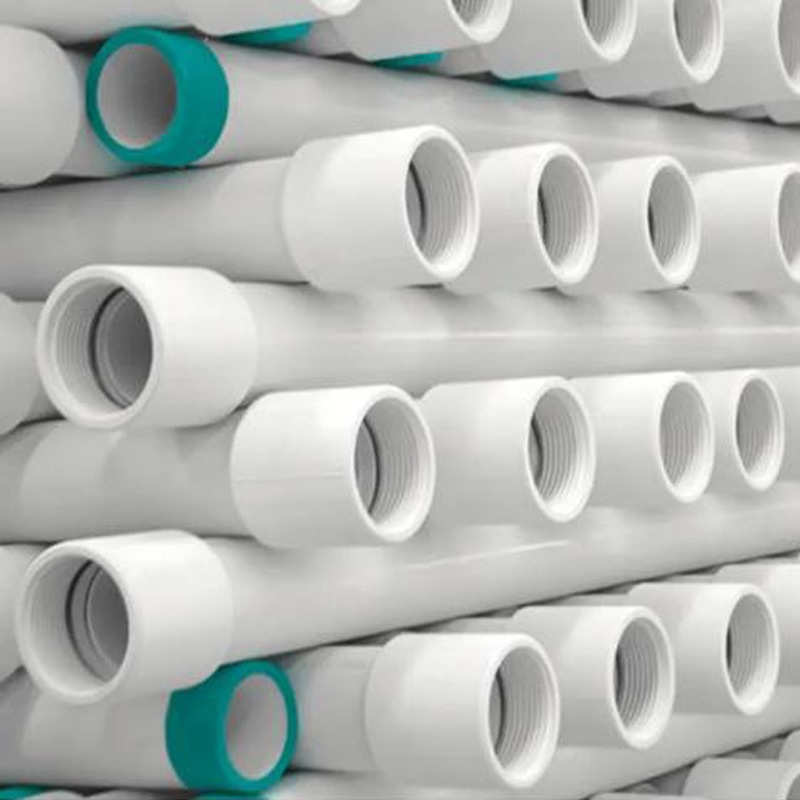
PPR piping systems are subject to internal pressure stemming from fluid flow and external stresses from thermal expansion/contraction and structural loads. Force analysis dictates pipe wall thickness based on operating pressure, temperature, and safety factors, adhering to standards like ISO 15876. Environmental resistance is a key consideration. While PPR exhibits excellent resistance to many chemicals, prolonged exposure to strong oxidizing agents and certain solvents can induce degradation. UV degradation can also occur with prolonged sunlight exposure, requiring protective measures in outdoor applications. Compliance requirements vary by region, typically aligning with local building codes and potable water regulations (e.g., NSF/ANSI 61 in the US, WRAS in the UK). Engineering considerations extend to expansion loops to accommodate thermal movement, proper support spacing to prevent sagging and stress concentration, and appropriate venting to prevent air pockets. The coefficient of linear thermal expansion for PPR is significantly higher than that of metal pipes (approximately 0.15 mm/m°C vs. 0.012 mm/m°C for steel), necessitating careful design to prevent stress on connected components.
Technical Specifications
| Parameter | Unit | Standard PPR Type 1 | Standard PPR Type 2 |
|---|---|---|---|
| Density | g/cm³ | 0.905 - 0.920 | 0.905 - 0.920 |
| Hydrostatic Pressure (20°C, 100h) | MPa | 12.5 | 16.0 |
| Maximum Operating Temperature (Continuous) | °C | 70 | 95 |
| Maximum Operating Temperature (Short Term) | °C | 90 | 110 |
| Oxygen Permeability | cm³/m²·day·bar | < 0.1 | < 0.1 |
| Modulus of Elasticity | MPa | 800-1200 | 800-1200 |
Failure Mode & Maintenance
Common failure modes in PPR piping systems include weld defects (incomplete fusion, oxidation), cracking due to excessive stress (particularly at joints), and degradation caused by prolonged exposure to incompatible fluids or elevated temperatures. Fatigue cracking can occur under cyclical pressure fluctuations. Delamination may arise from improper surface preparation during welding. Oxidation can occur in the presence of chlorine or other oxidizing agents, leading to embrittlement. Maintenance primarily focuses on preventative measures: regular visual inspections for leaks or signs of stress, periodic flushing to remove sediment buildup, and ensuring proper support to prevent mechanical stress. If a leak is detected, the affected section should be cut out and replaced with a new piece of PPR pipe and fitting, utilizing proper welding techniques. For minor surface scratches, cleaning and polishing may suffice. Chemical cleaning should be approached with caution, verifying compatibility with PPR to avoid degradation. A critical aspect of failure analysis involves examining weld integrity, material composition, and operational conditions to determine the root cause and prevent recurrence.
Industry FAQ
Q: What is the impact of varying copolymer ratios in PPR on long-term performance?
A: Higher ethylene content in the copolymer generally enhances impact resistance and flexibility, making the material more suitable for applications involving vibrations or seismic activity. However, excessively high ethylene content can reduce the maximum operating temperature and increase susceptibility to creep. Type 2 PPR, with a higher ethylene ratio, is preferable for hot water applications while Type 1 is suitable for cold water.
Q: How critical is surface preparation before hot plate welding, and what are the common pitfalls?
A: Surface preparation is paramount. Contaminants like dirt, grease, or moisture can prevent proper fusion. Common pitfalls include insufficient cleaning, inadequate deburring of cut ends (creating sharp edges that hinder fusion), and allowing excessive time between surface preparation and welding (recontamination). Using appropriate cleaning agents (typically isopropyl alcohol) and ensuring a dry, clean surface is essential.
Q: What are the limitations of PPR when handling aggressive chemicals?
A: PPR exhibits good resistance to many common chemicals, but it is susceptible to degradation by strong oxidizing agents (e.g., concentrated bleach, nitric acid) and certain organic solvents. Exposure to these chemicals can cause swelling, cracking, or dissolution of the material. Consult a chemical compatibility chart before using PPR in environments with potentially aggressive fluids.
Q: How does thermal expansion affect PPR piping installations, and what mitigation strategies are recommended?
A: PPR has a significantly higher coefficient of thermal expansion than metal pipes. Without adequate accommodation, thermal expansion and contraction can induce stresses on joints and connected equipment, leading to leaks or failures. Mitigation strategies include incorporating expansion loops or bends in long pipe runs, utilizing flexible connectors, and providing sufficient support with appropriate spacing to allow for movement.
Q: What are the key differences between electrofusion and hot plate welding, and when should each method be preferred?
A: Electrofusion provides a more controlled and reliable weld, particularly for larger diameter pipes and fittings, as the heating element is integrated within the fitting, ensuring uniform heating. Hot plate welding is simpler and more cost-effective for smaller diameters but requires more skill to ensure consistent heating and alignment. Electrofusion is generally preferred for critical applications where weld integrity is paramount.
Conclusion
PPR service represents a crucial component of modern plumbing and industrial fluid handling systems, offering a durable, cost-effective, and hygienic alternative to traditional materials. Understanding the material science behind PPR, from its copolymer composition to its manufacturing processes, is vital for ensuring optimal performance and longevity. Proper engineering considerations – including stress analysis, thermal expansion mitigation, and chemical compatibility assessment – are essential for designing reliable and safe systems.
Future development in PPR technology will likely focus on enhancing UV resistance, improving resistance to specific aggressive chemicals, and developing more sophisticated welding techniques for automated installation. Continuous monitoring of industry standards and regulatory requirements is also crucial for maintaining compliance and ensuring the long-term integrity of PPR piping systems.
-
DN25 HDPE Compression Fitting-HORON INTERNATIONAL|Reliable Irrigation Solutions
NewsFeb.11,2026
-
china corrugated hdpe pipe fittings Performance Analysis
News2026-05-22
-
china ppr pipe for hot water Performance Analysis
News2026-05-22
-
china ppr Technical Performance Analysis
News2026-05-22
-
china corrugated dual wall pipe Performance Analysis
News2026-05-22
-
china sink inlet pipe Material Performance Analysis
News2026-05-22
-
china 1 2 inch pvc Performance Analysis
News2026-05-21
-
china hdpe pipe joint coupler Performance Analysis
News2026-05-21
-
china ppr pipes and fittings price list Technical Analysis
News2026-05-21
-
china 9 inch pvc pipe price Performance Analysis
News2026-05-21
-
china 2 inch borewell column pipe price Performance Engineering
News2026-05-21
-
china hdpe pipe suppliers Performance Analysis
News2026-05-20
-
china submersible pump column pipe Performance Engineering
News2026-05-20
-
china 8 hdpe corrugated pipe Manufacturing Analysis
News2026-05-20
-
china dual wall hdpe pipe Performance Analysis
News2026-05-20
-
china water lines under sink Performance Analysis
News2026-05-20