

Feb . 11, 2026 00:01 Back to list
ppr products Performance Analysis
Introduction
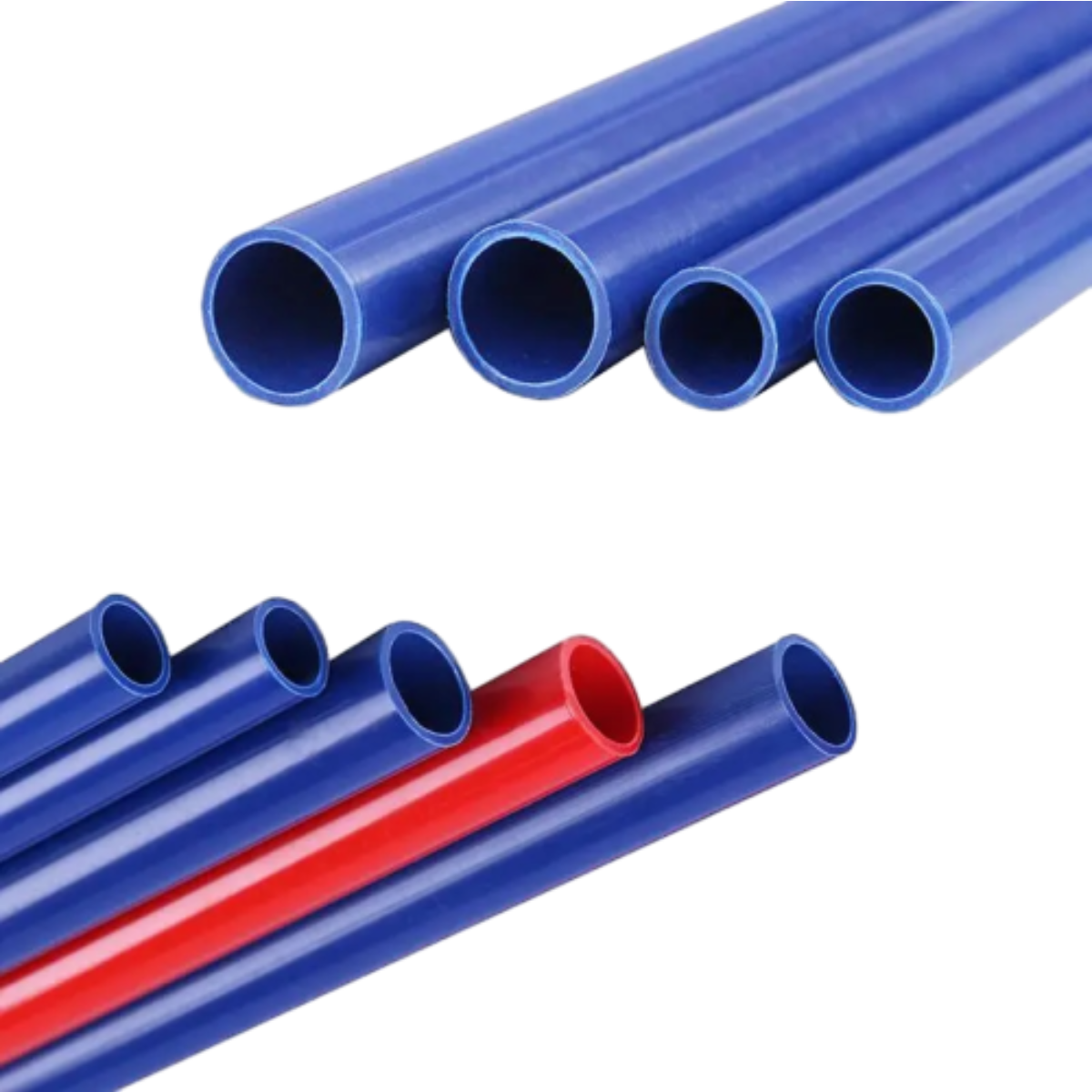
Polypropylene Random Copolymer (PPR) piping systems represent a significant advancement in fluid conveyance technology, particularly within building infrastructure and industrial applications. Positioned between traditional materials like PVC and more costly options like stainless steel or copper, PPR offers a compelling balance of performance, durability, and cost-effectiveness. Its core function is the reliable transport of potable water (hot and cold), heating and cooling fluids, and certain industrial chemicals. PPR's resistance to corrosion, scalability, and ease of installation address key pain points in construction and maintenance. This guide details the material science, manufacturing processes, performance characteristics, potential failure modes, and industry standards associated with PPR piping systems, offering a comprehensive technical overview for engineers, procurement specialists, and installation professionals.
Material Science & Manufacturing
PPR’s foundation lies in polypropylene, a thermoplastic polymer known for its chemical inertness and versatility. However, standard polypropylene exhibits brittleness, especially at lower temperatures. PPR overcomes this limitation through random copolymerization. This process introduces ethylene monomers randomly into the polypropylene chain, disrupting the polymer's crystallinity and enhancing its impact resistance and flexibility. Raw material selection is critical. Polypropylene resin must meet stringent purity standards (typically >99.5%) to ensure long-term performance and avoid degradation. The manufacturing process typically involves extrusion. Polypropylene granules are fed into an extruder, where they are heated and melted. A helical screw forces the molten polymer through a die, forming the pipe's shape. Key parameters during extrusion include temperature control (melt temperature typically 190-230°C), screw speed (influences melt homogeneity), and die pressure (affects dimensional accuracy). Subsequent cooling is essential to solidify the pipe, often utilizing water baths. Pipe diameter and wall thickness are controlled by adjusting the die geometry and extrusion rate. Quality control measures include hydrostatic testing (to verify pressure resistance) and dimensional checks (to ensure compliance with standards). Fusion welding, using either hot plate or socket fusion techniques, is the primary method for joining PPR pipes. The welding process requires precise temperature control (typically 130-180°C) and pressure to achieve a homogenous weld, minimizing stress concentrations. Improper welding is a significant source of failures.
Performance & Engineering
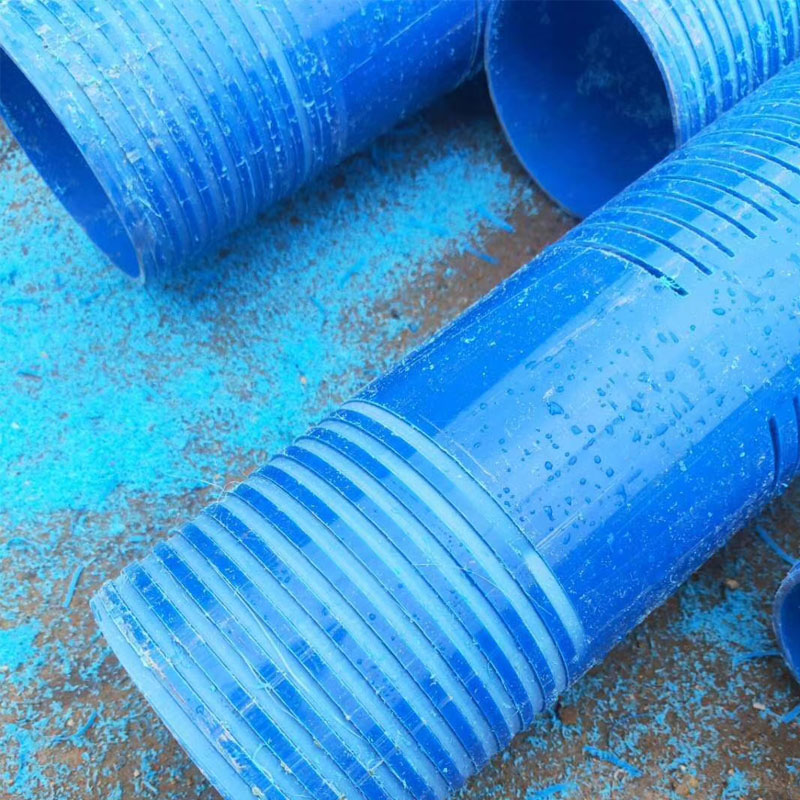
PPR piping systems demonstrate superior performance characteristics when assessed against conventional materials. Their primary advantage is inherent corrosion resistance, stemming from the polymer’s chemical inertness. This eliminates the risk of rust or scale formation, common in metallic piping, preserving fluid quality and reducing maintenance needs. From an engineering perspective, the pressure rating of PPR pipes is a crucial parameter. This is determined by the pipe’s dimensions (diameter and wall thickness) and the material’s hydrostatic strength. Calculations adhere to standards like ISO 15876, employing Barlow’s formula or similar methods to determine maximum allowable pressures at specified temperatures. Thermal expansion is a significant consideration. PPR exhibits a coefficient of thermal expansion approximately 10 times greater than steel. Expansion loops and flexible connectors are essential to accommodate temperature fluctuations, preventing stress buildup and potential pipe rupture. Force analysis during installation and operation must account for internal pressure, external loads (soil pressure, weight of fluid), and thermal stresses. Long-term creep resistance is also critical, particularly in hot water applications. PPR’s performance is subject to compliance requirements stipulated by local building codes and plumbing regulations. These often mandate specific pressure ratings, material certifications, and installation procedures. The chemical compatibility of PPR with the conveyed fluid is paramount. While generally resistant to common chemicals, exposure to certain solvents or aggressive substances can cause swelling, degradation, or leaching.
Technical Specifications
| Parameter | Unit | Typical Value (PN20) | Typical Value (PN25) |
|---|---|---|---|
| Pressure Rating | Bar | 20 | 25 |
| Operating Temperature | °C | -20 to +95 | -20 to +95 |
| Tensile Strength | MPa | >20 | >22 |
| Elongation at Break | % | >200 | >250 |
| Hydrostatic Pressure Test | Bar | 30 | 37.5 |
| Thermal Conductivity | W/m·K | 0.24 | 0.24 |
Failure Mode & Maintenance
PPR piping systems, while durable, are susceptible to specific failure modes. Fatigue cracking can occur at joints subjected to repeated pressure cycles and mechanical stress, often initiated by pre-existing imperfections in the weld. Delamination can occur within the pipe wall due to inadequate mixing during copolymerization or exposure to ultraviolet radiation (especially in outdoor applications). Oxidation, though slow, can degrade the polymer matrix over extended periods at high temperatures, reducing its mechanical properties. Thermal expansion stress induced failures are common if proper expansion loops are not implemented. Chemical attack from incompatible fluids can cause swelling, softening, and eventual leakage. Third-party damage during construction or excavation represents a frequent cause of failure. Maintenance should focus on preventative measures. Regular visual inspections for signs of cracking, discoloration, or leakage are crucial. Periodic hydrostatic testing (particularly for critical applications) can identify weakened sections. Weld integrity should be periodically assessed using non-destructive testing methods (e.g., ultrasonic testing). Avoid exposing PPR pipes to direct sunlight for extended periods. If exposure is unavoidable, use UV-stabilized grades or apply protective coatings. Properly support the piping system to prevent excessive stress on joints. In the event of a leak, the damaged section should be cut out and replaced with a new section using appropriate fusion welding techniques. Always verify chemical compatibility before conveying fluids other than potable water.
Industry FAQ
Q: What are the limitations of PPR compared to metal piping systems like copper or stainless steel?
A: While PPR offers excellent corrosion resistance and cost-effectiveness, it has lower temperature resistance than copper or stainless steel. PPR’s maximum operating temperature is typically around 95°C, whereas copper and stainless steel can handle significantly higher temperatures. PPR also has a lower pressure rating for a given wall thickness compared to metal pipes. Furthermore, PPR is more susceptible to damage from physical impacts and ultraviolet radiation.
Q: How does the quality of the fusion welding process impact the long-term reliability of a PPR system?
A: Fusion welding is paramount. Improper welding – insufficient heating, inadequate pressure, or contamination – creates weak points prone to failure. Welds should be visually inspected for uniformity and proper bead formation. Non-destructive testing methods, such as ultrasonic testing, can verify weld integrity. Training and certification of welders are critical to ensure consistent weld quality.
Q: What are the key considerations for designing a PPR system to accommodate thermal expansion and contraction?
A: Expansion loops, flexible connectors, and strategically placed expansion joints are essential. The number and size of these components depend on the length of the pipe run, the temperature range, and the material’s coefficient of thermal expansion. Properly anchoring the pipe to prevent undue stress on joints is also crucial. Calculations should account for both linear expansion and potential bending stresses.
Q: What chemicals are known to be incompatible with PPR, and how can chemical compatibility be verified?
A: Strong oxidizing agents, chlorinated solvents, and aromatic hydrocarbons are generally incompatible with PPR. Swelling, softening, or leaching can occur upon exposure. Chemical compatibility should be verified by consulting manufacturer’s data sheets and performing compatibility tests with representative fluids before system installation. A small section of PPR pipe can be immersed in the fluid for an extended period, and changes in weight, dimensions, and mechanical properties can be monitored.
Q: What are the typical service life expectations for a properly installed and maintained PPR piping system?
A: A properly installed and maintained PPR piping system can reliably operate for 50 years or more, under normal operating conditions. However, this lifespan is contingent on adherence to installation best practices, proper material selection, and avoidance of exposure to incompatible chemicals or excessive temperatures. Regular inspection and preventative maintenance are essential to maximize service life.
Conclusion
PPR piping systems offer a compelling alternative to traditional materials, presenting a balance of corrosion resistance, cost-effectiveness, and ease of installation. Its success, however, relies heavily on understanding the material’s properties, adhering to stringent manufacturing and installation standards, and proactively addressing potential failure modes. The random copolymerization process is critical to improving the impact resistance and overall durability of the material.
Future advancements in PPR technology may focus on enhancing UV resistance, improving high-temperature performance, and developing innovative jointing techniques. Furthermore, the integration of smart sensors into PPR piping systems could enable real-time monitoring of pressure, temperature, and flow rates, facilitating predictive maintenance and optimizing system performance. Continued research and development are crucial to expanding the applications of PPR in diverse industrial and infrastructure settings.
-
DN25 HDPE Compression Fitting-HORON INTERNATIONAL|Reliable Irrigation Solutions
NewsFeb.11,2026
-
china corrugated hdpe pipe fittings Performance Analysis
News2026-05-22
-
china ppr pipe for hot water Performance Analysis
News2026-05-22
-
china ppr Technical Performance Analysis
News2026-05-22
-
china corrugated dual wall pipe Performance Analysis
News2026-05-22
-
china sink inlet pipe Material Performance Analysis
News2026-05-22
-
china 1 2 inch pvc Performance Analysis
News2026-05-21
-
china hdpe pipe joint coupler Performance Analysis
News2026-05-21
-
china ppr pipes and fittings price list Technical Analysis
News2026-05-21
-
china 9 inch pvc pipe price Performance Analysis
News2026-05-21
-
china 2 inch borewell column pipe price Performance Engineering
News2026-05-21
-
china hdpe pipe suppliers Performance Analysis
News2026-05-20
-
china submersible pump column pipe Performance Engineering
News2026-05-20
-
china 8 hdpe corrugated pipe Manufacturing Analysis
News2026-05-20
-
china dual wall hdpe pipe Performance Analysis
News2026-05-20
-
china water lines under sink Performance Analysis
News2026-05-20