

Feb . 11, 2026 00:01 Back to list
ppr pipe 63mm manufacturer Performance Analysis
Introduction
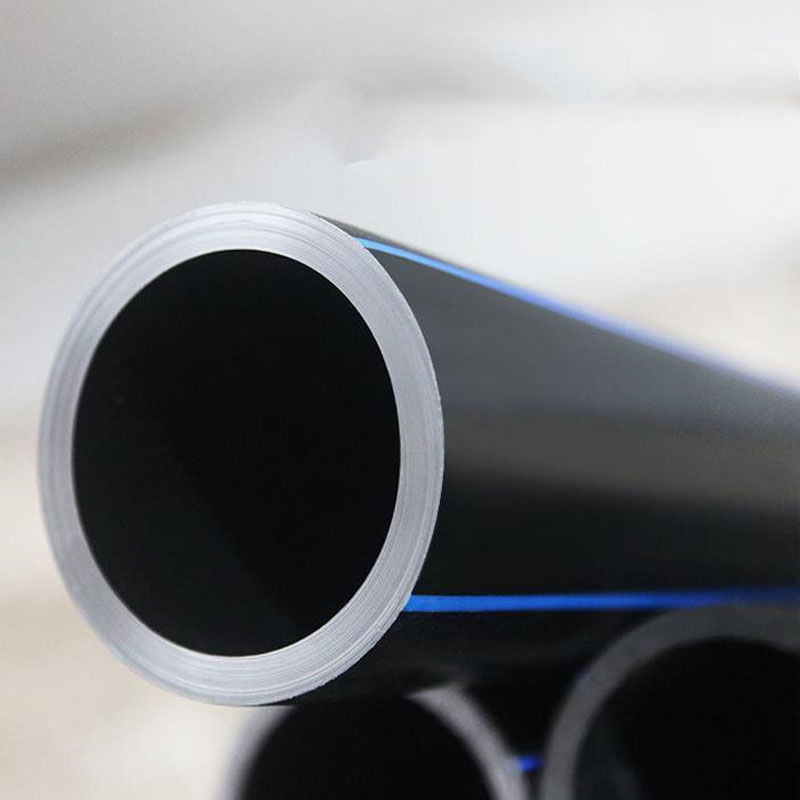
Polypropylene Random Copolymer (PPR) pipe, specifically the 63mm diameter variant, represents a significant advancement in fluid transport systems across various industries, including potable water distribution, industrial fluid handling, and irrigation. Its position within the industry chain is as a direct replacement for traditional metallic piping systems, offering advantages in cost, corrosion resistance, and ease of installation. PPR 63mm pipe is characterized by its homogenous material composition, minimizing weak points and enhancing long-term reliability. Core performance metrics revolve around pressure resistance, temperature sustainability, and chemical inertness, all of which are critical for maintaining system integrity and fluid purity. The 63mm size is a common dimension employed in main distribution lines and substantial branch connections, accommodating significant flow rates. Understanding the nuances of PPR pipe manufacture, material properties, and installation procedures is essential for engineers, procurement managers, and contractors seeking to optimize system performance and longevity.
Material Science & Manufacturing
PPR pipe derives its properties from polypropylene random copolymer, a thermoplastic polymer created by polymerizing propylene with a small amount of ethylene. This random copolymerization disrupts the polymer chain’s crystallinity, resulting in increased flexibility and improved impact resistance compared to homopolymer polypropylene. Raw material quality is paramount; the polypropylene resin must meet stringent purity standards, with minimal residual catalyst and controlled molecular weight distribution.
Manufacturing typically involves extrusion. Polypropylene granules are fed into an extruder, melted, and forced through a die to create the pipe’s cylindrical shape. Critical parameters during extrusion include melt temperature (typically 190-230°C), screw speed, and die pressure. Maintaining consistent melt temperature is vital to prevent degradation and ensure a homogenous structure. The pipe is then cooled through a water bath, carefully controlled to prevent warping or dimensional instability. The 63mm diameter necessitates precise die design and cooling control to achieve accurate dimensions and wall thickness. Socket fusion or electrofusion welding are common joining methods. Socket fusion involves heating both the pipe and fitting, then joining them under pressure, creating a homogenous weld. Electrofusion uses an electrical current to melt the pipe and fitting simultaneously. Parameter control during welding – temperature, time, and pressure – is critical to weld strength. Post-production quality control involves hydrostatic testing, where pipes are pressurized with water to verify leak-free performance and resistance to bursting. Regular material testing – Melt Flow Rate (MFR), Vicat softening point, and impact strength – ensures consistency between production batches.
Performance & Engineering
The performance of PPR 63mm pipe is dictated by its ability to withstand hydrostatic pressure, thermal stresses, and chemical exposure. Hydrostatic pressure resistance is directly related to pipe wall thickness and material strength. Engineering calculations must consider the maximum operating pressure, safety factors (typically 2.5 or higher), and potential pressure surges. Temperature sustainability is another key factor; PPR can handle temperatures up to 95°C for short-term exposure and 70°C continuously, making it suitable for hot and cold water applications. However, prolonged exposure to temperatures exceeding these limits can lead to creep and reduced pressure resistance.
Chemical resistance is generally excellent, with PPR being inert to most common water treatment chemicals and many industrial fluids. However, it's susceptible to attack by strong oxidizing agents and certain organic solvents. Installation practices significantly influence performance. Proper support spacing is essential to prevent sagging and stress concentrations. Expansion loops should be incorporated into long pipe runs to accommodate thermal expansion and contraction. Joints are the most vulnerable points; correct welding parameters and skilled installation are critical to avoid leaks and failures. Furthermore, the pipe must conform to relevant industry standards regarding water quality and potable water safety, preventing leaching of harmful substances into the fluid. Finite Element Analysis (FEA) is frequently used in design to simulate stress distribution and optimize pipe dimensions for specific applications.
Technical Specifications
| Parameter | Unit | Typical Value (PPR 63mm) | Testing Standard |
|---|---|---|---|
| Outside Diameter | mm | 63.0 ± 0.5 | ISO 15876 |
| Wall Thickness | mm | 3.0 – 6.0 (depending on pressure class) | ISO 15876 |
| Hydrostatic Pressure (PN) | bar | PN10, PN16, PN20 | ISO 15876 |
| Maximum Operating Temperature | °C | 70 (continuous), 95 (short-term) | DIN 19569 |
| Tensile Strength | MPa | >20 | ISO 6259 |
| Elongation at Break | % | >200 | ISO 6259 |
| Vicat Softening Temperature | °C | 135-150 | ISO 306 |
Failure Mode & Maintenance
PPR 63mm pipe, while durable, is susceptible to several failure modes. One common issue is fatigue cracking, particularly at joints, caused by repeated pressure cycling and thermal stress. Improper welding – insufficient heat, excessive pressure, or contamination – can create weak points prone to cracking. Another potential failure mode is creep, the slow deformation under constant load, especially at elevated temperatures. Long-term exposure to temperatures near the upper limit of the material’s operating range accelerates creep.
Chemical attack, although less frequent, can occur if the pipe is exposed to incompatible fluids. UV degradation is also a concern in outdoor applications; prolonged exposure to sunlight can cause embrittlement and cracking. Delamination can occur due to poor material mixing or contamination during manufacturing. To mitigate these failures, regular inspections are crucial. Visually inspect joints for cracks or discoloration. Perform hydrostatic testing periodically to verify pressure resistance. If a leak is detected, the affected section should be cut out and replaced with a properly welded section. Protect exposed pipe from UV radiation with protective coatings or shielding. Implement preventative maintenance programs focusing on proper welding procedures, temperature control, and material selection. For outdoor installations, consider using UV-stabilized PPR formulations. Failure analysis should be conducted on any significant failures to identify the root cause and prevent recurrence.
Industry FAQ
Q: What is the expected lifespan of a properly installed PPR 63mm pipe system?
A: A properly installed and maintained PPR 63mm pipe system can realistically be expected to have a service life of 50 years or more. This assumes adherence to proper installation procedures, consistent operating conditions within specified temperature and pressure limits, and protection from UV exposure and incompatible chemicals.
Q: How does PPR pipe compare to CPVC in terms of chemical resistance?
A: CPVC generally exhibits superior chemical resistance to a wider range of aggressive chemicals, particularly chlorinated solvents and strong oxidizing agents. PPR has good resistance to many common chemicals, but it is more susceptible to attack from these stronger substances. The specific application and the fluids being transported should dictate the material selection.
Q: What are the key considerations for selecting the appropriate PN (Pressure Nominal) rating for a PPR 63mm pipe system?
A: The PN rating should be selected based on the maximum operating pressure of the system, including potential pressure surges. A safety factor of at least 2.5 should be applied. Higher PN ratings indicate thicker walls and increased pressure resistance, but also higher material costs. Accurate hydraulic calculations are vital to determine the expected pressure variations.
Q: What is the impact of water hammer on PPR pipe systems and how can it be mitigated?
A: Water hammer, caused by sudden changes in flow velocity, can generate significant pressure surges that can damage PPR pipe, particularly at joints. Mitigation strategies include installing water hammer arrestors, using slow-closing valves, and ensuring proper pipe support to prevent movement. Pressure relief valves can also provide protection.
Q: Are there specific requirements for grounding PPR pipe systems?
A: PPR itself is a non-conductive material and does not require grounding for electrical safety. However, if metallic fittings or other conductive components are used in conjunction with the PPR pipe, proper grounding procedures must be followed to comply with electrical codes.
Conclusion
PPR 63mm pipe represents a robust and cost-effective solution for a wide array of fluid transport applications. Its inherent corrosion resistance, ease of installation, and acceptable performance characteristics make it a compelling alternative to traditional metallic piping. However, successful implementation hinges upon a thorough understanding of the material’s properties, manufacturing processes, and potential failure modes.
Maintaining strict quality control throughout the entire lifecycle – from raw material sourcing to installation and maintenance – is crucial for maximizing system longevity and ensuring reliable performance. Continued research and development are focusing on enhancing PPR formulations, improving welding techniques, and developing more sophisticated monitoring systems to further optimize the benefits of this versatile piping material.
-
DN25 HDPE Compression Fitting-HORON INTERNATIONAL|Reliable Irrigation Solutions
NewsFeb.11,2026
-
china corrugated hdpe pipe fittings Performance Analysis
News2026-05-22
-
china ppr pipe for hot water Performance Analysis
News2026-05-22
-
china ppr Technical Performance Analysis
News2026-05-22
-
china corrugated dual wall pipe Performance Analysis
News2026-05-22
-
china sink inlet pipe Material Performance Analysis
News2026-05-22
-
china 1 2 inch pvc Performance Analysis
News2026-05-21
-
china hdpe pipe joint coupler Performance Analysis
News2026-05-21
-
china ppr pipes and fittings price list Technical Analysis
News2026-05-21
-
china 9 inch pvc pipe price Performance Analysis
News2026-05-21
-
china 2 inch borewell column pipe price Performance Engineering
News2026-05-21
-
china hdpe pipe suppliers Performance Analysis
News2026-05-20
-
china submersible pump column pipe Performance Engineering
News2026-05-20
-
china 8 hdpe corrugated pipe Manufacturing Analysis
News2026-05-20
-
china dual wall hdpe pipe Performance Analysis
News2026-05-20
-
china water lines under sink Performance Analysis
News2026-05-20