

Feb . 11, 2026 00:01 Back to list
ppr pipe 63mm factory Performance Analysis
Introduction
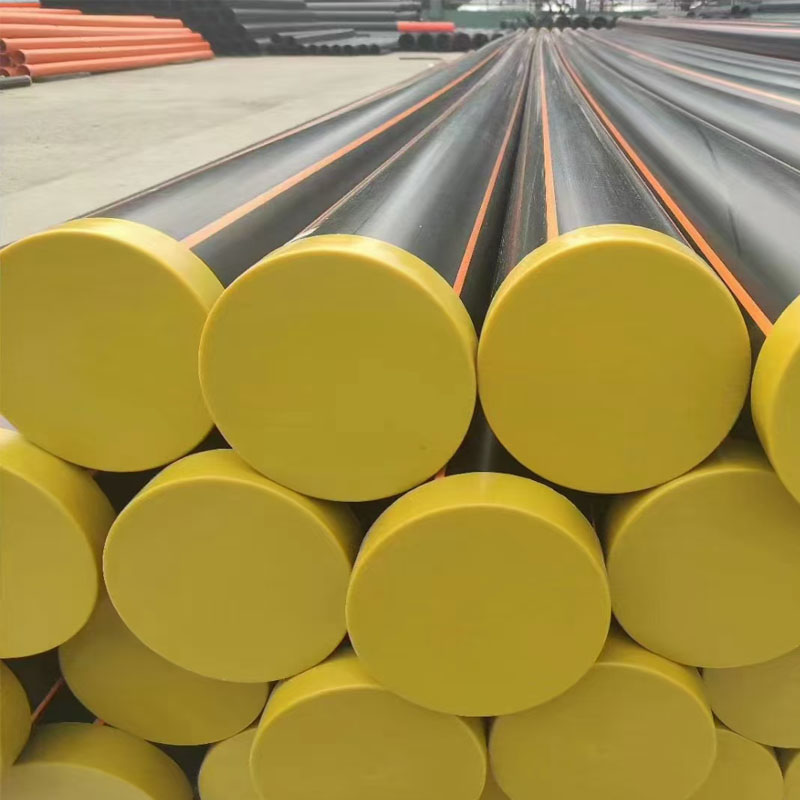
Polypropylene Random (PPR) pipe, specifically the 63mm variant manufactured by dedicated factories, represents a significant advancement in fluid conveyance systems. Positioned within the building and construction industry’s plumbing and infrastructure chain, PPR pipe serves as a robust and corrosion-resistant alternative to traditional metal piping. This guide provides an in-depth technical analysis of 63mm PPR pipe, covering its material science, manufacturing processes, performance characteristics, potential failure modes, and relevant industry standards. The 63mm diameter is particularly prevalent in main water supply lines, hot and cold water distribution within buildings, and industrial applications demanding higher flow rates. Core performance characteristics include pressure resistance, thermal stability, chemical inertness, and ease of installation via heat fusion welding. Understanding these aspects is crucial for procurement managers, engineers, and maintenance personnel seeking to optimize system design and longevity.
Material Science & Manufacturing
PPR pipe derives its properties from polypropylene random copolymer resin. The base material, polypropylene, is a thermoplastic polymer known for its chemical resistance and relatively low cost. The “random” copolymerization introduces ethylene monomers randomly along the polymer chain, disrupting the crystallinity of the polypropylene and imparting improved impact strength and flexibility, particularly at lower temperatures. Raw material quality is paramount; the resin must meet stringent purity standards to ensure consistent weldability and long-term performance. Manufacturing typically involves extrusion. Polypropylene granules are melted and forced through a die that forms the pipe’s shape. Key parameters controlled during extrusion include melt temperature (typically 200-240°C), die pressure (maintained consistently to ensure uniform wall thickness), and cooling rate (critical for preventing warpage and maintaining dimensional accuracy). The 63mm dimension requires precise die calibration. Following extrusion, pipes undergo dimensional inspection, hydrostatic testing (to verify pressure integrity), and surface finish assessment. Quality control measures often incorporate real-time monitoring of process parameters and regular laboratory testing of material properties, including melt flow index, tensile strength, and oxidation induction time (OIT).
Performance & Engineering
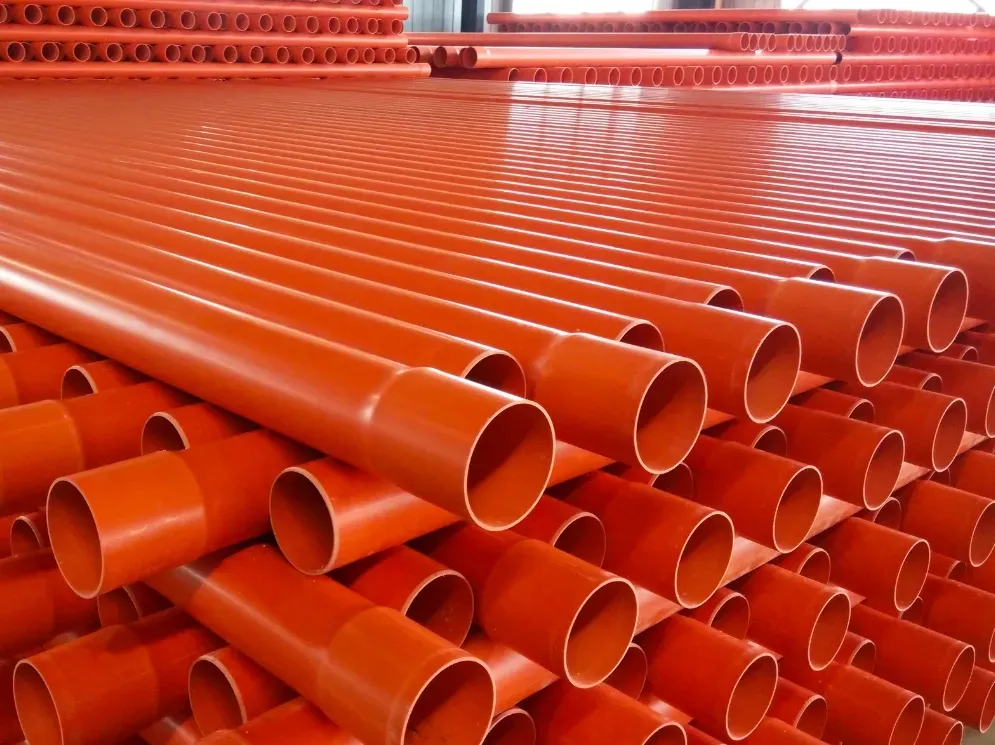
The performance of 63mm PPR pipe is dictated by its ability to withstand hydrostatic pressure, thermal expansion and contraction, and potential chemical attack from conveyed fluids. Hydrostatic pressure testing, performed according to industry standards (see footer), assesses the pipe's short-term burst pressure and long-term pressure-sustaining capability. PPR exhibits a relatively high coefficient of thermal expansion (approximately 0.15 mm/m°C), requiring careful consideration in system design. Expansion loops and anchoring strategies are crucial to accommodate thermal movement and prevent stress on joints. Engineering analysis often involves finite element modeling (FEM) to simulate stress distribution under various loading conditions. Chemical resistance is generally excellent, with PPR being inert to most common waterborne chemicals and diluted acids. However, prolonged exposure to strong oxidizing agents or certain organic solvents can lead to degradation. The 63mm diameter pipe's wall thickness (typically ranging from 2.0mm to 4.2mm depending on the pressure rating - PN10, PN16, PN20) is a critical engineering parameter, directly influencing pressure resistance and stiffness. Compliance requirements vary by region, but generally adhere to standards governing potable water systems and building codes.
Technical Specifications
| Parameter | PN10 (SDR 17.6) | PN16 (SDR 11.7) | PN20 (SDR 9.8) | Unit |
|---|---|---|---|---|
| Nominal Diameter | 63 | 63 | 63 | mm |
| Outside Diameter | 63.5 | 63.5 | 63.5 | mm |
| Wall Thickness | 3.5 | 4.2 | 5.0 | mm |
| Pressure Rating | 1.0 | 1.6 | 2.0 | MPa |
| Burst Pressure (Hydrostatic) | 3.0 | 4.8 | 6.0 | MPa |
| Maximum Operating Temperature | 95 | 95 | 95 | °C |
Failure Mode & Maintenance
PPR pipe failures can stem from several sources. Fatigue cracking can occur at joints subjected to cyclic pressure fluctuations, especially if improper welding techniques were employed. Delamination, a separation of layers within the pipe wall, often results from insufficient fusion during welding or the presence of contaminants. Oxidation, particularly at elevated temperatures and in the presence of oxygen, can degrade the polymer over time, reducing its mechanical strength. UV degradation can also affect long-term performance if the pipe is exposed to direct sunlight for extended periods. Joint failures are the most common failure point. Maintenance should focus on visual inspection of joints for cracks or leaks. Regular pressure testing can identify weaknesses before catastrophic failure. Preventive maintenance includes protecting pipes from physical damage, avoiding exposure to extreme temperatures and harsh chemicals, and ensuring proper insulation to minimize thermal stress. In the event of a leak, the affected section should be cut out and replaced using heat fusion welding, adhering strictly to manufacturer’s recommendations. Analyzing failed sections can help identify the root cause of the failure and prevent recurrence.
Industry FAQ
Q: What is the impact of water hammer on 63mm PPR pipe systems?
A: Water hammer, or hydraulic shock, can create significant pressure surges within the piping system. 63mm PPR pipe, while durable, can be susceptible to fatigue cracking at joints if subjected to repeated water hammer events. Mitigation strategies include installing pressure relief valves, water hammer arrestors, and ensuring proper pipe anchoring to absorb shock. Careful system design to minimize flow velocities can also reduce the likelihood of water hammer.
Q: How does the choice of welding equipment affect joint integrity?
A: The welding equipment, specifically the heating tool, must be accurately calibrated to deliver the correct heat input for the specific pipe diameter and wall thickness. Inconsistent heating or excessive pressure during fusion can result in incomplete welds, leading to leaks or premature failure. Digital temperature controllers and consistent clamping pressure are crucial for achieving reliable joints.
Q: What is the long-term effect of chlorine in potable water on PPR pipe?
A: PPR exhibits good resistance to chlorine typically found in potable water systems at standard concentrations. However, extremely high chlorine levels, or prolonged exposure to chloramines, can lead to gradual degradation of the polymer. Monitoring water quality and ensuring chlorine levels remain within acceptable limits is recommended.
Q: Can PPR pipe be used for transporting compressed air?
A: Generally, it is not recommended to use PPR pipe for transporting compressed air. PPR is not specifically designed to withstand the sustained high pressures and pulsating loads associated with compressed air systems. The risk of brittle failure is significantly higher compared to piping designed for compressed air applications (e.g., steel or aluminum).
Q: What is the recommended minimum bend radius for 63mm PPR pipe?
A: The recommended minimum bend radius for 63mm PPR pipe is typically 2.5 to 3 times the outside diameter. Exceeding this radius can induce stress on the pipe wall, potentially leading to cracking or deformation. Using factory-made bends is always preferable to field-formed bends, as they ensure consistent geometry and minimize stress concentration.
Conclusion
63mm PPR pipe represents a viable and cost-effective solution for numerous fluid conveyance applications, offering advantages in corrosion resistance, ease of installation, and thermal performance. However, realizing these benefits requires meticulous attention to material selection, manufacturing quality control, proper installation techniques—particularly heat fusion welding—and a thorough understanding of potential failure modes. The performance of the system is heavily reliant on adherence to industry standards and best practices during all phases of the project, from procurement to maintenance.
Future developments in PPR technology may focus on enhancing UV resistance, improving impact strength at low temperatures, and developing more sophisticated monitoring systems for detecting early signs of degradation. Continued research into polymer blends and additives will likely lead to further improvements in the long-term durability and reliability of PPR piping systems. A proactive approach to maintenance and regular inspections are essential for maximizing the service life and minimizing the risk of costly failures.
-
DN25 HDPE Compression Fitting-HORON INTERNATIONAL|Reliable Irrigation Solutions
NewsFeb.11,2026
-
china corrugated hdpe pipe fittings Performance Analysis
News2026-05-22
-
china ppr pipe for hot water Performance Analysis
News2026-05-22
-
china ppr Technical Performance Analysis
News2026-05-22
-
china corrugated dual wall pipe Performance Analysis
News2026-05-22
-
china sink inlet pipe Material Performance Analysis
News2026-05-22
-
china 1 2 inch pvc Performance Analysis
News2026-05-21
-
china hdpe pipe joint coupler Performance Analysis
News2026-05-21
-
china ppr pipes and fittings price list Technical Analysis
News2026-05-21
-
china 9 inch pvc pipe price Performance Analysis
News2026-05-21
-
china 2 inch borewell column pipe price Performance Engineering
News2026-05-21
-
china hdpe pipe suppliers Performance Analysis
News2026-05-20
-
china submersible pump column pipe Performance Engineering
News2026-05-20
-
china 8 hdpe corrugated pipe Manufacturing Analysis
News2026-05-20
-
china dual wall hdpe pipe Performance Analysis
News2026-05-20
-
china water lines under sink Performance Analysis
News2026-05-20