

Feb . 11, 2026 00:01 Back to list
ppr pipe 20mm price product Performance Analysis
Introduction
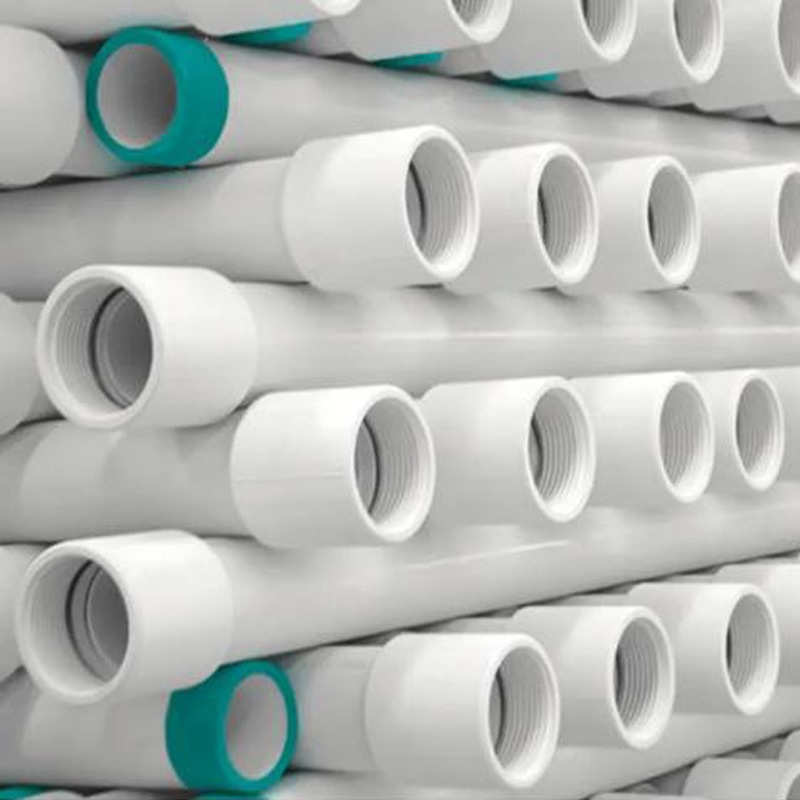
Polypropylene Random Copolymer (PPR) pipe, specifically the 20mm variant, is a thermoplastic pipe system widely utilized in potable water supply, heating systems, and industrial applications. Its position within the plumbing and piping industry chain lies as a direct competitor to traditional materials like copper, PVC-U, and polyethylene (PE). PPR offers a balance of cost-effectiveness, corrosion resistance, and ease of installation, driving its increasing adoption. Core performance characteristics center on its pressure rating, temperature resistance, and chemical inertness. The 20mm diameter represents a common size for residential and small commercial applications, offering a suitable flow rate for typical fixture demands. Understanding the nuanced material properties and installation techniques is crucial for ensuring long-term system reliability and preventing premature failure, a key pain point within the construction and plumbing industries. The ‘price’ consideration is linked directly to material grade, manufacturing quality, and adherence to international standards – factors often overlooked in cost-sensitive projects.
Material Science & Manufacturing
PPR pipe derives its properties from polypropylene random copolymer, a polymer synthesized by polymerizing propylene with ethylene. This random copolymerization disrupts the crystallinity of polypropylene, resulting in enhanced impact resistance and flexibility. Raw material selection is critical; the quality of the polypropylene resin directly impacts the final pipe’s performance. Key properties of the polypropylene homopolymer and copolymer include a density ranging from 0.90 to 0.91 g/cm³, a glass transition temperature (Tg) around -10 to 0°C, and a melting point between 130-170°C, varying based on copolymer ratio. The manufacturing process typically involves extrusion. Polypropylene granules are melted and forced through a die to create a continuous pipe profile. Critical parameters during extrusion include melt temperature (190-230°C), die pressure (30-60 bar), and cooling rate. Variations in these parameters can lead to inconsistencies in wall thickness and mechanical properties. Socket fusion welding is the predominant joining method, relying on heating both the pipe and fitting to a consistent temperature (typically 260-280°C) and pressing them together to create a homogenous weld. Proper temperature control and sufficient welding time are essential to achieve a strong, leak-proof joint. Dimensional stability is controlled through precise die design and post-extrusion cooling processes, adhering to standards like ISO 15876.
Performance & Engineering
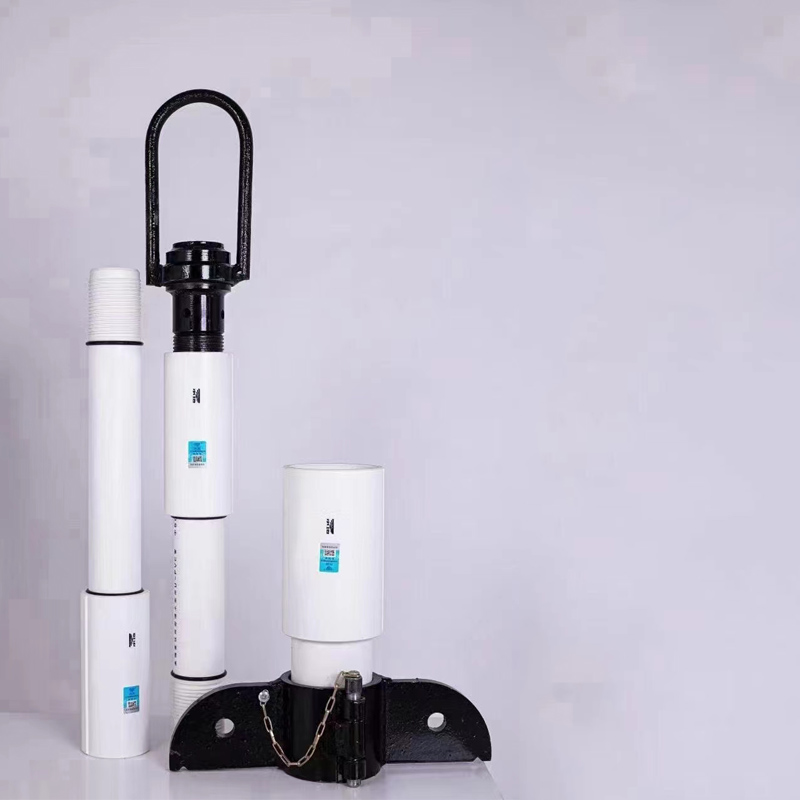
The performance of PPR pipe is governed by its hydrostatic strength, thermal expansion coefficient, and resistance to chemical attack. Hydrostatic strength, typically tested according to ISO 1167, measures the pipe's ability to withstand internal pressure without failure. A 20mm PPR pipe generally exhibits a pressure rating of PN20 (2.0 MPa or approximately 290 psi) at 20°C. However, this rating decreases with increasing temperature. Force analysis considers hoop stress developed due to internal pressure, demanding sufficient wall thickness to prevent brittle fracture or creep rupture. PPR exhibits a relatively high coefficient of thermal expansion (approximately 0.15 mm/m°C), necessitating the incorporation of expansion loops or flexible connectors in long runs to accommodate thermal movement and prevent stress concentration. Environmental resistance is excellent against most common chemicals found in potable water and diluted cleaning agents. However, prolonged exposure to strong oxidizing agents or certain organic solvents can cause degradation. Compliance requirements are dictated by local plumbing codes and international standards. For potable water applications, compliance with NSF/ANSI 61 ensures the material doesn't leach harmful contaminants into the water supply. Furthermore, adherence to DIN 8077 and EN ISO 15876 are critical for ensuring dimensional accuracy and long-term performance.
Technical Specifications
| Parameter | Unit | PN20 (20mm) | PN25 (20mm) |
|---|---|---|---|
| Outer Diameter | mm | 21.5 | 21.5 |
| Wall Thickness | mm | 2.3 | 2.8 |
| Pressure Rating (20°C) | MPa | 2.0 | 2.5 |
| Burst Pressure (20°C) | MPa | 8.0 | 10.0 |
| Operating Temperature | °C | -20 to +95 | -20 to +95 |
| Coefficient of Linear Expansion | mm/m°C | 0.15 | 0.15 |
Failure Mode & Maintenance
Common failure modes in PPR pipe systems include slow crack growth (SCG), particularly at welded joints subjected to sustained stress. SCG is often initiated by imperfections in the weld or the presence of residual stress. Another failure mode is oxidative degradation, especially at elevated temperatures and in the presence of oxygen. This manifests as embrittlement and cracking of the pipe material. Joint failures are frequently attributed to improper welding techniques, insufficient heating temperatures, or inadequate welding time. Fatigue cracking can occur in areas subjected to cyclic pressure or mechanical stress. Delamination can also occur in instances of contaminated material or incorrect extrusion process. Maintenance primarily involves visual inspection for leaks, cracks, or discoloration. Regular pressure testing can identify hidden leaks. For minor leaks at joints, re-welding may be possible, but complete replacement is often recommended for significant damage. Preventive maintenance includes ensuring proper support for the pipe, minimizing mechanical stress, and avoiding exposure to excessive temperatures or corrosive chemicals. Long-term durability is enhanced by employing stress relief techniques during installation and avoiding direct sunlight exposure which can accelerate UV degradation. Periodic inspection for expansion/contraction stresses is also crucial.
Industry FAQ
Q: What is the impact of water hardness on the lifespan of PPR pipes?
A: Water hardness, specifically the concentration of calcium and magnesium ions, can lead to scale buildup within the pipe interior. While PPR is generally resistant to scale adhesion, excessive buildup can reduce the flow area and potentially contribute to localized stress concentrations, accelerating corrosion in metal fittings if used in conjunction with PPR. Regular flushing and consideration of water softening systems are recommended in areas with high water hardness.
Q: How does the choice of welding equipment affect the joint integrity of PPR pipes?
A: The welding equipment’s temperature control accuracy is paramount. Inconsistent heating can lead to under-welding (insufficient fusion) or over-welding (material degradation). Digital welding tools offering precise temperature setting and feedback are preferable to basic, non-adjustable tools. It’s also crucial to utilize the correct welding tips and dies for the specific pipe diameter and schedule.
Q: Can PPR pipes be used for conveying gas, and if so, what considerations are necessary?
A: While PPR pipes can be used for low-pressure gas lines in some regions, stringent regulations and specific grades of PPR designed for gas applications must be employed. Gas permeability is a critical concern, requiring thicker wall sections and specific material formulations. Leak testing and adherence to local gas codes are essential. Standard potable water grade PPR is not suitable for gas conveyance.
Q: What is the recommended maximum allowable slope for a PPR drainage system?
A: A minimum slope of 1% (1 cm per meter) is generally recommended for PPR drainage systems to ensure adequate self-cleaning and prevent solid waste accumulation. Steeper slopes can be used, but they may increase flow velocity and potentially cause noise issues. The slope must be consistent throughout the system to avoid stagnant areas.
Q: What is the long-term effect of UV exposure on PPR pipes installed outdoors?
A: Prolonged UV exposure can cause degradation of the polypropylene material, leading to embrittlement and reduced impact resistance. PPR pipes installed outdoors should be shielded from direct sunlight using protective coverings or buried underground. UV-stabilized PPR formulations are available, offering improved resistance to UV degradation, but even these require some form of protection for extended service life.
Conclusion
PPR pipe systems, particularly the 20mm variant, represent a viable and increasingly popular solution for a broad range of plumbing and piping applications. Their inherent corrosion resistance, ease of installation, and competitive pricing, coupled with adherence to relevant industry standards, contribute to their widespread adoption. However, achieving long-term reliability necessitates a thorough understanding of the material properties, proper installation techniques – especially welding procedures – and consideration of environmental factors such as temperature, water quality, and UV exposure.
Future development in PPR technology is focusing on enhancing impact resistance at lower temperatures, improving UV stability, and developing more robust welding techniques to minimize the risk of SCG. Furthermore, advancements in material formulations aim to reduce the coefficient of thermal expansion and improve resistance to aggressive chemicals. Proper specification and installation, guided by a deep understanding of these technical nuances, will remain crucial for maximizing the lifespan and performance of PPR pipe systems.
-
DN25 HDPE Compression Fitting-HORON INTERNATIONAL|Reliable Irrigation Solutions
NewsFeb.11,2026
-
china corrugated hdpe pipe fittings Performance Analysis
News2026-05-22
-
china ppr pipe for hot water Performance Analysis
News2026-05-22
-
china ppr Technical Performance Analysis
News2026-05-22
-
china corrugated dual wall pipe Performance Analysis
News2026-05-22
-
china sink inlet pipe Material Performance Analysis
News2026-05-22
-
china 1 2 inch pvc Performance Analysis
News2026-05-21
-
china hdpe pipe joint coupler Performance Analysis
News2026-05-21
-
china ppr pipes and fittings price list Technical Analysis
News2026-05-21
-
china 9 inch pvc pipe price Performance Analysis
News2026-05-21
-
china 2 inch borewell column pipe price Performance Engineering
News2026-05-21
-
china hdpe pipe suppliers Performance Analysis
News2026-05-20
-
china submersible pump column pipe Performance Engineering
News2026-05-20
-
china 8 hdpe corrugated pipe Manufacturing Analysis
News2026-05-20
-
china dual wall hdpe pipe Performance Analysis
News2026-05-20
-
china water lines under sink Performance Analysis
News2026-05-20