

Feb . 11, 2026 00:01 Back to list
ppr pipe 1 2 price products Performance Analysis
Introduction
Polypropylene Random Copolymer (PPR) pipe, specifically designated as ‘PPR pipe 1/2’ referring to its nominal diameter, represents a significant advancement in fluid conveyance systems across various industries. Positioned within the broader plumbing and piping infrastructure supply chain, PPR pipe offers a cost-effective and durable alternative to traditional materials like copper, PVC, and galvanized steel. Its core performance characteristics center around chemical resistance, thermal stability, and hygienic fluid transport. The ‘price’ element, though a commercial consideration, is intrinsically linked to raw material costs (polypropylene homopolymer and random copolymer), manufacturing complexities (extrusion and injection molding), and adherence to international quality standards. This guide details the material science, manufacturing processes, performance metrics, potential failure modes, and maintenance procedures associated with PPR pipe 1/2, targeting procurement managers, engineers, and maintenance personnel seeking comprehensive technical understanding.
Material Science & Manufacturing
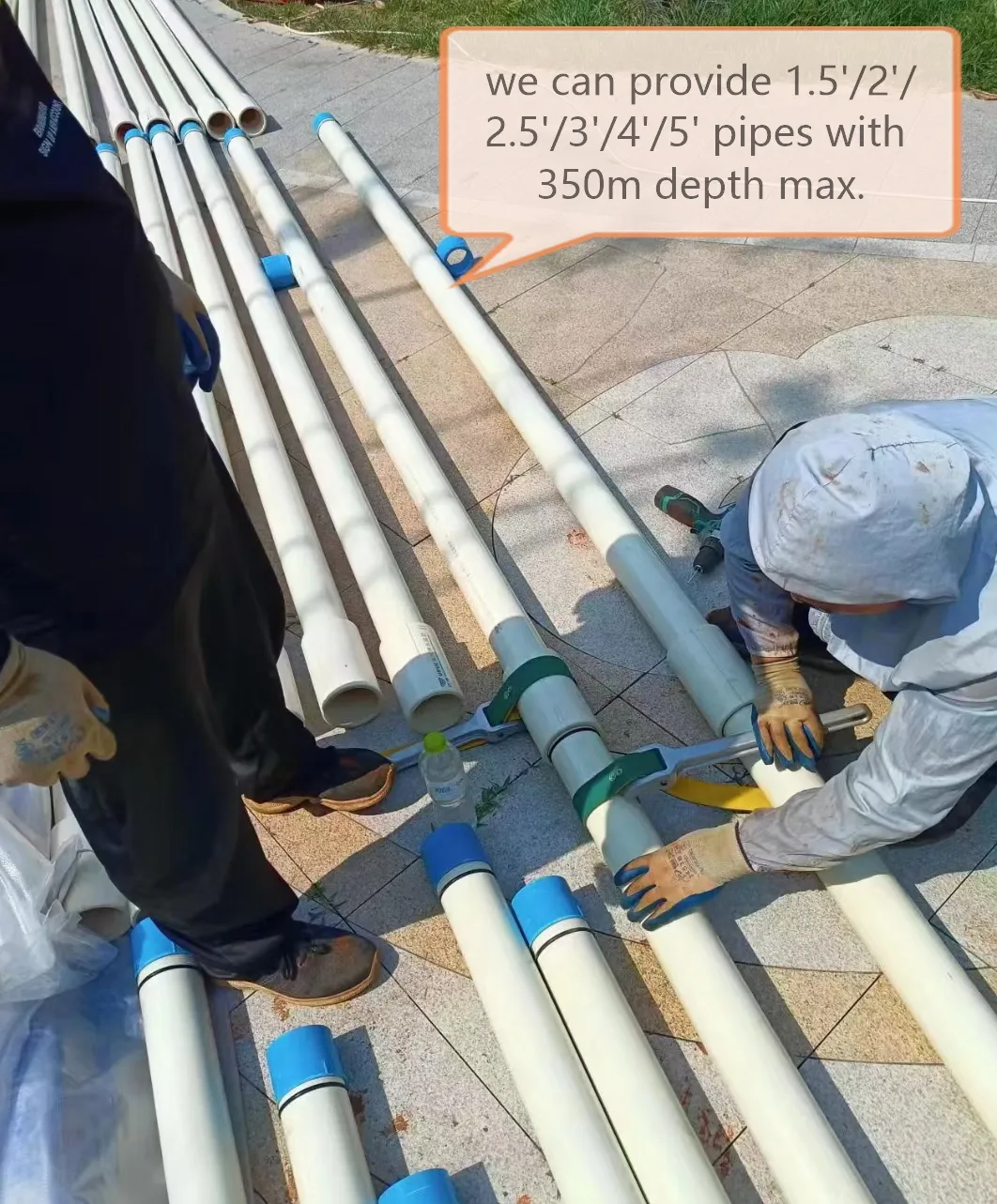
PPR pipe derives its properties from polypropylene, a thermoplastic polymer synthesized from propylene monomer. The ‘random copolymer’ designation signifies the inclusion of ethylene monomer during polymerization, disrupting the polymer chain’s crystallinity. This random arrangement results in increased flexibility, improved impact resistance, and enhanced stress crack resistance compared to homopolymer polypropylene. The raw material, typically in granular form, undergoes stringent quality control to ensure compliance with purity and melt flow index specifications. Manufacturing involves extrusion molding, where the PP copolymer granules are melted and forced through a die, creating a continuous pipe profile. Key parameters during extrusion include temperature control (melt temperature, die temperature), screw speed, and haul-off speed, all critical for dimensional accuracy and layer adhesion. Fusion welding, utilizing either hot plate or electrofusion techniques, joins the pipe segments, creating a homogenous, leak-proof connection. Injection molding is employed for producing fittings such as elbows, tees, and couplings, requiring precise mold design and temperature regulation to prevent warping or shrinkage. Chemical compatibility dictates that PPR pipe is ideally suited for transporting potable water, heating fluids, and certain industrial chemicals, but not strong oxidizing agents or aromatic hydrocarbons.
Performance & Engineering
The performance of PPR pipe is dictated by several engineering considerations. Hydrostatic pressure testing, conducted according to ISO 11671, verifies the pipe’s ability to withstand internal pressure without failure. Long-term hydrostatic strength (LTHS) is a crucial parameter, reflecting the pipe’s ability to maintain its integrity over an extended period under sustained pressure and elevated temperature. The material’s coefficient of linear thermal expansion (approximately 0.15 mm/m°C) must be accounted for during installation to prevent stress buildup due to temperature fluctuations. Force analysis dictates that the pipe’s resistance to external loads (soil pressure, traffic loads) is dependent on its wall thickness and embedment depth. Creep resistance, the tendency to deform under sustained stress, is a critical factor in applications involving continuous fluid flow at elevated temperatures. Compliance with drinking water regulations, such as NSF/ANSI 61, is paramount to ensure the absence of harmful leachates. The pipe’s resistance to chlorine and chloramines, common disinfectants in potable water systems, must be considered for long-term performance. Furthermore, the pipe's frictional losses need to be calculated during system design to ensure adequate flow rates and minimize energy consumption. Appropriate pipe supports and expansion joints are crucial engineering controls to mitigate thermal stresses and maintain system integrity.
Technical Specifications
| Parameter | Unit | Specification (PPR Pipe 1/2") | Test Standard |
|---|---|---|---|
| Nominal Diameter | mm | 15 | ISO 15876-2 |
| Outside Diameter | mm | 21.5 | ISO 15876-2 |
| Wall Thickness | mm | 2.3 | ISO 15876-2 |
| Hydrostatic Pressure (20°C) | MPa | 1.25 | ISO 11671 |
| Long Term Hydrostatic Strength (LTHS) | MPa | 1.0 | ISO 11671 |
| Maximum Operating Temperature | °C | 95 | DIN 19569-2 |
| Thermal Conductivity | W/m·K | 0.24 | ASTM E1269 |
Failure Mode & Maintenance
PPR pipe, while durable, is susceptible to specific failure modes. Stress cracking, induced by sustained tensile stress in the presence of certain chemicals, can lead to gradual crack propagation and eventual leakage. Fatigue cracking, resulting from cyclic pressure fluctuations, is more prevalent in systems with frequent water hammer events. Oxidation, particularly at elevated temperatures, can degrade the polymer matrix, reducing its mechanical strength. UV degradation, from prolonged exposure to sunlight, can cause embrittlement and surface cracking. Delamination, a separation of layers within the pipe wall, can occur due to improper welding or material defects. Maintenance procedures include periodic visual inspections for cracks or leaks, regular pressure testing to identify weakening sections, and proper insulation to mitigate temperature fluctuations. In cases of minor leaks, electrofusion welding can often provide a reliable repair. Preventing water hammer through the installation of pressure reducing valves and air chambers is crucial for extending the pipe’s lifespan. Avoid using abrasive cleaning agents or solvents that can compromise the material’s integrity. Proper backfilling and support during installation are essential to prevent external stresses that could contribute to failure.
Industry FAQ
Q: What is the impact of water hardness on the long-term performance of PPR pipe?
A: High water hardness can lead to scale buildup inside the pipe, reducing the internal diameter and increasing frictional losses. While PPR itself is not corroded by hard water, the scale can create stress concentrations and potentially contribute to localized failures over time. Regular flushing and the use of water softeners are recommended in areas with extremely hard water.
Q: Can PPR pipe be used for compressed air systems?
A: Generally, no. While PPR can withstand moderate pressure, it is not designed for the dynamic stresses and potential oil contamination associated with compressed air systems. The material’s permeability to air can also lead to leakage over time. Specialized compressed air piping materials, such as aluminum or stainless steel, are recommended.
Q: What is the recommended minimum bending radius for PPR pipe to avoid kinking?
A: The recommended minimum bending radius is typically 5 times the outside diameter of the pipe. For PPR pipe 1/2" (OD 21.5mm), the minimum bending radius should be approximately 107.5mm. Exceeding this radius can induce stress concentrations and potential failure points.
Q: How does the choice of welding technique (hot plate vs. electrofusion) affect the joint strength?
A: Electrofusion welding generally provides a stronger and more reliable joint compared to hot plate welding. Electrofusion precisely controls the welding temperature and pressure, ensuring optimal fusion of the pipe and fitting materials. Hot plate welding relies on operator skill and can be more susceptible to variations in temperature and pressure, potentially leading to weaker joints.
Q: Are there specific guidelines for grounding PPR pipe in electrical systems?
A: PPR pipe is not conductive and does not require grounding. However, if metallic fittings are used in conjunction with PPR pipe, those fittings must be properly grounded according to local electrical codes. Do not rely on PPR pipe to provide a grounding path.
Conclusion
PPR pipe 1/2” represents a robust and versatile solution for fluid conveyance, offering a compelling balance of performance, cost-effectiveness, and ease of installation. Its material properties, derived from polypropylene random copolymer, contribute to its chemical resistance, thermal stability, and durability. However, successful implementation demands a thorough understanding of engineering principles, including hydrostatic pressure testing, thermal expansion considerations, and appropriate welding techniques.
Effective long-term performance relies on diligent adherence to international standards, proper installation practices, and proactive maintenance procedures. Addressing potential failure modes – such as stress cracking, oxidation, and UV degradation – through preventative measures ensures the longevity and reliability of PPR piping systems. Continued advancements in copolymer formulations and welding technologies will likely further enhance the performance characteristics and broaden the applications of PPR pipe in the future.
-
DN25 HDPE Compression Fitting-HORON INTERNATIONAL|Reliable Irrigation Solutions
NewsFeb.11,2026
-
china corrugated hdpe pipe fittings Performance Analysis
News2026-05-22
-
china ppr pipe for hot water Performance Analysis
News2026-05-22
-
china ppr Technical Performance Analysis
News2026-05-22
-
china corrugated dual wall pipe Performance Analysis
News2026-05-22
-
china sink inlet pipe Material Performance Analysis
News2026-05-22
-
china 1 2 inch pvc Performance Analysis
News2026-05-21
-
china hdpe pipe joint coupler Performance Analysis
News2026-05-21
-
china ppr pipes and fittings price list Technical Analysis
News2026-05-21
-
china 9 inch pvc pipe price Performance Analysis
News2026-05-21
-
china 2 inch borewell column pipe price Performance Engineering
News2026-05-21
-
china hdpe pipe suppliers Performance Analysis
News2026-05-20
-
china submersible pump column pipe Performance Engineering
News2026-05-20
-
china 8 hdpe corrugated pipe Manufacturing Analysis
News2026-05-20
-
china dual wall hdpe pipe Performance Analysis
News2026-05-20
-
china water lines under sink Performance Analysis
News2026-05-20