

Feb . 11, 2026 00:01 Back to list
ppr pipe 1 2 price manufacturers Performance Analysis
Introduction
Polypropylene Random (PPR) piping systems represent a significant advancement in fluid conveyance technology, widely utilized in potable water, heating, and cooling applications. Manufacturers specializing in ‘ppr pipe 1 2 price’ focus on delivering cost-effective solutions without compromising on performance or longevity. PPR pipes are characterized by their homogeneous material structure, offering superior resistance to corrosion and scaling compared to traditional metal piping. Within the broader industrial chain, PPR pipe manufacturers occupy a crucial position – converting polypropylene resin into semi-finished products (pipes, fittings, valves) distributed to construction, plumbing, and HVAC industries. Core performance characteristics include high flow capacity due to smooth inner surfaces, thermal stability facilitating hot water distribution, and ease of installation via hot welding techniques. This guide provides a detailed technical overview of PPR pipes, covering material science, manufacturing processes, performance parameters, potential failure modes, and relevant industry standards.
Material Science & Manufacturing
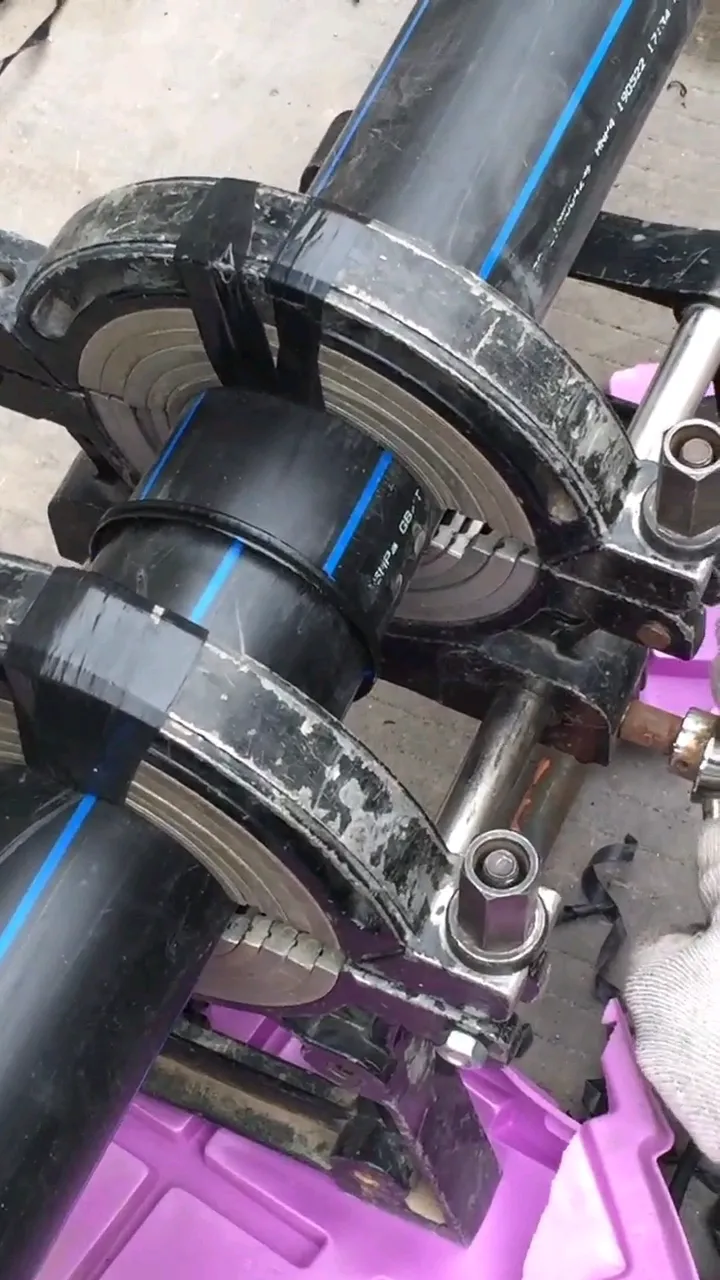
PPR pipes are primarily manufactured from polypropylene random copolymer. This copolymerization process introduces comonomers, such as ethylene, into the polypropylene chain, disrupting the polymer’s crystallinity. This disruption yields increased flexibility, improved impact resistance, and enhanced stress crack resistance compared to homopolymer polypropylene. Raw material selection is critical; the polypropylene resin must meet stringent quality control criteria regarding molecular weight distribution, melt flow index (MFI), and purity. Manufacturing typically involves extrusion. Polypropylene granules are fed into an extruder, melted, and forced through a die to form the pipe’s shape. Key parameters controlled during extrusion include die temperature, screw speed, and haul-off speed, directly impacting pipe diameter, wall thickness, and surface finish. Hot welding is the predominant joining technique for PPR pipes. This process involves heating both the pipe and fitting surfaces to a controlled temperature and then joining them under pressure, creating a homogeneous weld. Precise temperature control is paramount to achieve optimal weld strength and prevent material degradation. The quality of the weld is heavily influenced by the welding machine’s accuracy, operator skill, and the cleanliness of the joining surfaces.
Performance & Engineering
The performance of PPR pipes is governed by several engineering principles. Hydrostatic pressure testing, conducted according to standards like ISO 1167, verifies the pipe’s ability to withstand internal pressure without failure. Force analysis considers hoop stress (resulting from internal pressure) and longitudinal stress (due to thermal expansion/contraction). PPR’s relatively low coefficient of linear thermal expansion minimizes stress concentrations. Environmental resistance is another key consideration. While PPR exhibits excellent resistance to many chemicals, prolonged exposure to strong oxidizing agents can lead to degradation. UV exposure can also cause embrittlement, necessitating the use of UV stabilizers in formulations intended for outdoor applications. Compliance requirements vary by region. European standards (EN ISO 15876) and ASTM standards (ASTM D3261) outline specific performance criteria for PPR piping systems, including material properties, hydrostatic strength, and long-term performance. Proper system design, including adequate support and expansion loops, is crucial to accommodate thermal movements and prevent stress on the pipe and joints.
Technical Specifications
| Parameter | Unit | Typical Value (PN20) | Testing Standard |
|---|---|---|---|
| Nominal Pressure Rating | Bar | 20 | ISO 1167 |
| Hydrostatic Pressure Test | Bar | 40 | ISO 1167 |
| Tensile Strength | MPa | 25-35 | ISO 527-2 |
| Elongation at Break | % | 200-400 | ISO 527-2 |
| Water Absorption | % (24h) | <0.1 | ISO 62 |
| Vicat Softening Temperature | °C | 135-150 | ISO 306 |
Failure Mode & Maintenance
PPR pipes, while durable, are susceptible to specific failure modes. Stress cracking, particularly in areas of high stress concentration (around fittings or supports), is a common issue. This can be exacerbated by aggressive water chemistry or improper installation. Fatigue cracking can occur under cyclic pressure loads, especially in systems subjected to water hammer. Delamination, a separation of layers within the pipe wall, can result from overheating during welding or defects in the material. Oxidation, caused by prolonged exposure to high temperatures and oxygen, can lead to embrittlement and reduced impact resistance. Maintenance primarily involves visual inspection for leaks, cracks, or deformations. Regular checks of welded joints are essential, particularly in critical applications. If leaks are detected, the affected section should be cut out and replaced with a new section, utilizing proper hot welding techniques. Preventive maintenance includes flushing the system periodically to remove sediment and scale buildup, preventing blockages and reducing the risk of corrosion. Avoid using abrasive cleaning agents that could damage the inner surface of the pipe. Protecting exposed pipe sections from direct sunlight can mitigate UV degradation.
Industry FAQ
Q: What is the impact of water hardness on the lifespan of a PPR piping system?
A: High water hardness can lead to scale buildup within the PPR pipe, reducing flow capacity and potentially causing localized stress concentrations. While PPR is inherently resistant to corrosion, scale deposits can create preferential sites for corrosion of any metal components within the system (e.g., valves, taps). Regular flushing and the use of water softening systems can mitigate this issue.
Q: How does the welding temperature affect the strength of a PPR joint?
A: Insufficient welding temperature results in incomplete fusion, creating a weak joint prone to failure. Excessive welding temperature can lead to material degradation and burning, also weakening the joint. Following the manufacturer's recommended welding parameters, based on pipe diameter and wall thickness, is critical. A properly calibrated welding tool is essential.
Q: What is the recommended maximum operating temperature for PPR pipes?
A: The maximum continuous operating temperature for standard PPR (Type 1) pipes is typically 70°C. For higher temperature applications, PPR-HT (High Temperature) pipes, formulated with enhanced thermal stability, can withstand temperatures up to 95°C for short periods and 75°C continuously. Exceeding these limits can cause softening and deformation.
Q: Are PPR pipes suitable for conveying compressed air?
A: Generally, PPR pipes are not recommended for conveying compressed air at high pressures. Compressed air can cause the pipe to burst due to its higher energy content compared to water. PPR lacks the impact resistance and burst pressure required for this application. Specialized compressed air piping systems made from materials like aluminum or stainless steel are recommended.
Q: What is the difference between PPR Type 1, Type 2, and Type 3?
A: PPR Type 1 is suitable for cold water applications. Type 2 is designed for hot and cold water. Type 3 (PPR-RC) incorporates a glass fiber reinforcement layer, offering increased stiffness and resistance to deformation, particularly at higher temperatures and pressures. Type 3 is often used for industrial applications or larger diameter piping.
Conclusion
PPR piping systems offer a compelling combination of cost-effectiveness, ease of installation, and durability for a wide range of fluid conveyance applications. Understanding the material science behind PPR – specifically the role of random copolymerization – is essential for appreciating its enhanced properties compared to conventional polypropylene. Proper manufacturing control, adherence to industry standards, and meticulous installation techniques are paramount to ensuring long-term performance and preventing premature failure.
The future of PPR technology lies in the development of advanced formulations with improved UV resistance, increased temperature capabilities, and enhanced mechanical properties. Continued research into welding techniques and the integration of smart monitoring systems will further optimize the performance and reliability of PPR piping networks, solidifying their position as a leading solution in the plumbing and HVAC industries.
-
DN25 HDPE Compression Fitting-HORON INTERNATIONAL|Reliable Irrigation Solutions
NewsFeb.11,2026
-
china corrugated hdpe pipe fittings Performance Analysis
News2026-05-22
-
china ppr pipe for hot water Performance Analysis
News2026-05-22
-
china ppr Technical Performance Analysis
News2026-05-22
-
china corrugated dual wall pipe Performance Analysis
News2026-05-22
-
china sink inlet pipe Material Performance Analysis
News2026-05-22
-
china 1 2 inch pvc Performance Analysis
News2026-05-21
-
china hdpe pipe joint coupler Performance Analysis
News2026-05-21
-
china ppr pipes and fittings price list Technical Analysis
News2026-05-21
-
china 9 inch pvc pipe price Performance Analysis
News2026-05-21
-
china 2 inch borewell column pipe price Performance Engineering
News2026-05-21
-
china hdpe pipe suppliers Performance Analysis
News2026-05-20
-
china submersible pump column pipe Performance Engineering
News2026-05-20
-
china 8 hdpe corrugated pipe Manufacturing Analysis
News2026-05-20
-
china dual wall hdpe pipe Performance Analysis
News2026-05-20
-
china water lines under sink Performance Analysis
News2026-05-20