

Feb . 11, 2026 00:01 Back to list
PPR Factories Performance Analysis
Introduction
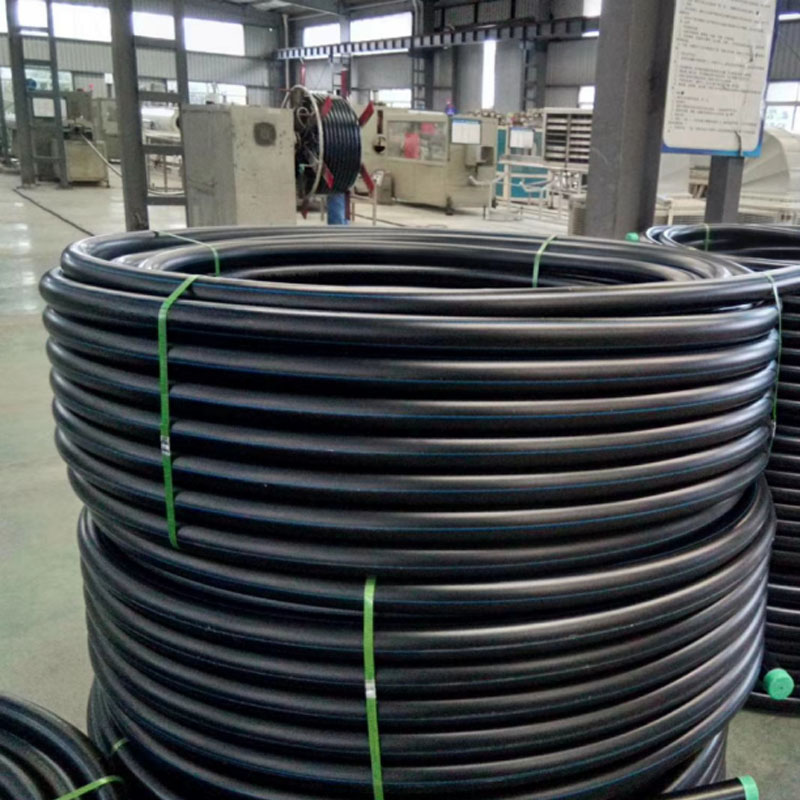
Polypropylene Random Copolymer (PPR) piping systems represent a significant advancement in fluid transport infrastructure, particularly within building services and industrial applications. PPR factories are specialized manufacturing facilities dedicated to the production of these thermoplastic pipes and fittings. Unlike traditional metallic piping, PPR offers inherent corrosion resistance, lower thermal conductivity, and ease of installation, making it a cost-effective and durable solution. The technical position of PPR within the broader piping industry is characterized by increasing adoption due to stringent regulations regarding potable water safety and a growing demand for lightweight, long-lasting materials. Core performance attributes center around pressure resistance, temperature endurance, and chemical inertness, directly impacting the longevity and reliability of fluid conveyance systems. The critical challenge for PPR manufacturers lies in maintaining consistent material quality, precise dimensional control during extrusion, and adherence to evolving international standards.
Material Science & Manufacturing
PPR is produced via the gas-phase polymerization of propylene with ethylene as a comonomer, yielding a random copolymer. The ratio of propylene to ethylene dictates the final material properties. Propylene provides rigidity and strength, while ethylene enhances impact resistance and weldability. Raw material polypropylene homopolymer and ethylene are sourced from petrochemical plants and must meet stringent purity standards (typically exceeding 99.9%). Manufacturing begins with the melting of the PPR granules in extruders, typically twin-screw extruders optimized for consistent mixing and temperature control. Extrusion parameters – barrel temperature profile (typically 180-240°C), screw speed (30-80 rpm), and die temperature – critically impact the melt flow index and molecular weight distribution, influencing pipe wall thickness and mechanical strength. Subsequent cooling, sizing, and cutting operations are performed inline. Fitting production involves injection molding, requiring precise mold temperature control (40-60°C) and injection pressure (50-150 MPa) to minimize warpage and ensure dimensional accuracy. Post-molding annealing is often employed to relieve internal stresses. Quality control throughout the manufacturing process relies heavily on online monitoring of melt temperature, pressure, and dimensions, coupled with off-line mechanical testing (tensile strength, impact resistance, hydrostatic pressure testing).
Performance & Engineering
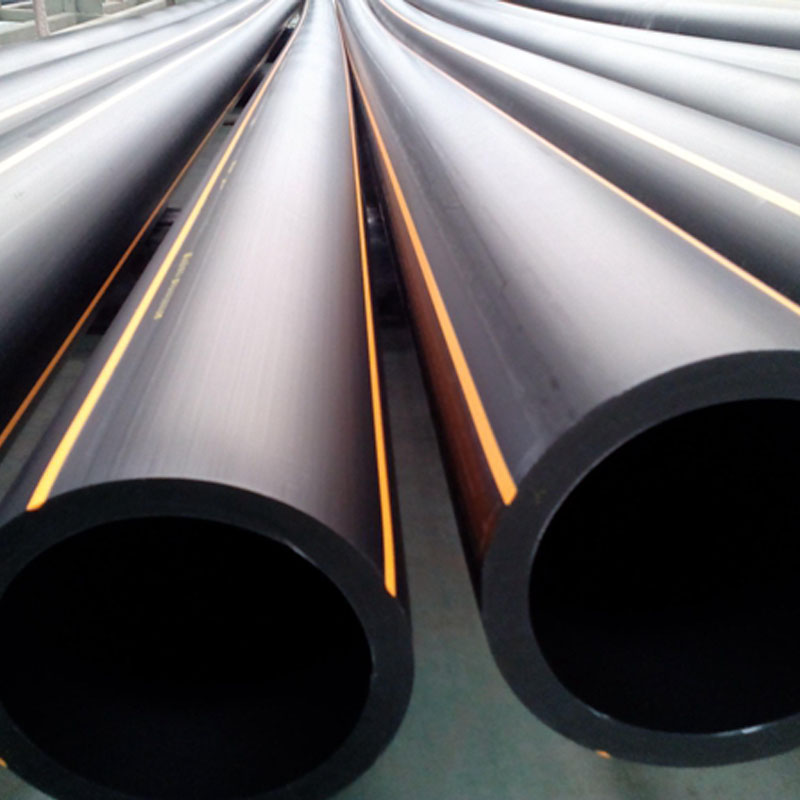
PPR piping systems are engineered to withstand internal hydrostatic pressure and external loads. Force analysis considers hoop stress generated by internal pressure, which is directly proportional to pipe diameter and pressure and inversely proportional to wall thickness. Finite element analysis (FEA) is utilized to optimize pipe wall thickness and fitting geometries for specific operating conditions. Environmental resistance is paramount; PPR exhibits excellent resistance to many chemicals, including dilute acids and bases, but prolonged exposure to strong oxidizing agents or aromatic hydrocarbons can lead to degradation. Thermal expansion and contraction are significant considerations. PPR has a linear coefficient of thermal expansion of approximately 0.15 mm/m°C. Expansion loops and appropriate anchoring are crucial to prevent stress on joints. Compliance requirements include adherence to drinking water regulations (e.g., NSF/ANSI 61) ensuring no harmful substances leach into the water supply, and building codes specifying permissible pressure ratings and installation procedures. Weldability is a key performance characteristic, utilizing either hot plate or electrofusion welding techniques. Weld strength must exceed the strength of the base material to ensure a leak-proof joint. The long-term performance is heavily influenced by the quality of the weld and the absence of contamination during the welding process.
Technical Specifications
| Parameter | Units | Typical Value (DN20 Pipe) | Testing Standard |
|---|---|---|---|
| Nominal Diameter | mm | 20 | ISO 15876 |
| Pressure Rating (PN) | bar | 20 | ISO 15876 |
| Wall Thickness | mm | 2.3 | ISO 15876 |
| Tensile Strength | MPa | 25 | ISO 527 |
| Impact Strength (Izod Notched) | kJ/m² | 5 | ISO 145 |
| Hydrostatic Pressure Test | bar | 40 (for 2 hours) | ISO 11671 |
Failure Mode & Maintenance
Common failure modes in PPR piping systems include slow crack growth (SCG) induced by sustained tensile stress and exposure to aggressive chemicals, particularly chlorine-containing compounds. SCG manifests as brittle fractures originating at stress concentrators (e.g., weld defects, sharp bends). Another failure mechanism is oxidative degradation due to prolonged exposure to elevated temperatures and UV radiation, leading to embrittlement and loss of impact resistance. Joint failures can occur due to inadequate welding parameters (insufficient heating temperature or pressure), contamination during welding, or improper pipe preparation. Maintenance involves periodic visual inspection for leaks, cracks, or discoloration. Regular pressure testing can identify hidden leaks before they escalate. Preventative maintenance includes protecting exposed piping from direct sunlight with UV-resistant coatings and avoiding the use of harsh cleaning agents. If a leak is detected, the affected section should be cut out and replaced with a new PPR fitting utilizing proper welding techniques. For SCG prevention, it is vital to use only certified PPR materials and avoid prolonged exposure to chlorine or other aggressive chemicals. Regular flushing of the system can also prevent buildup of sediment that can induce stress corrosion.
Industry FAQ
Q: What is the long-term performance expectancy of a properly installed PPR piping system?
A: A properly installed and maintained PPR piping system, utilizing materials conforming to relevant standards, is expected to have a service life of 50 years or more. However, this is contingent on operating within specified temperature and pressure limits, avoiding exposure to incompatible chemicals, and performing regular inspections.
Q: How does PPR compare to CPVC in terms of chemical resistance?
A: While both PPR and CPVC exhibit good chemical resistance, CPVC generally offers superior resistance to chlorinated solvents and oxidizing agents. PPR is better suited for applications involving dilute acids and bases. The specific chemical compatibility must be verified based on the application requirements.
Q: What are the critical parameters to control during electrofusion welding to ensure a reliable joint?
A: Key parameters include welding voltage, welding time, and the temperature of the welding area. Precise control of these parameters, as specified by the fitting manufacturer, is crucial. Incorrect parameters can lead to under-welding or over-welding, compromising joint integrity.
Q: What impact does water hardness have on the performance of PPR piping?
A: High water hardness can lead to the formation of scale deposits inside the pipes, reducing the internal diameter and increasing flow resistance. While PPR itself is not directly affected by water hardness, scale buildup can impact system performance and may require periodic cleaning.
Q: Are PPR fittings universally compatible across different manufacturers?
A: No, PPR fittings are generally not universally compatible. Different manufacturers may utilize slightly different material formulations and fitting geometries. Using fittings from the same manufacturer as the pipe is highly recommended to ensure optimal weldability and system performance.
Conclusion
PPR piping systems offer a robust and cost-effective solution for a wide range of fluid transport applications. Their inherent corrosion resistance, ease of installation, and compliance with stringent safety standards have driven widespread adoption across diverse industries. Successful implementation hinges on meticulous material selection, precise manufacturing control, and adherence to established welding procedures.
Looking forward, advancements in PPR material formulations, such as the incorporation of UV stabilizers and enhanced impact modifiers, will further extend their application range. Continued development of automated welding techniques and improved quality control methodologies will contribute to greater system reliability and reduced life-cycle costs. Ultimately, a thorough understanding of the material properties, manufacturing processes, and potential failure modes is critical for maximizing the long-term performance of PPR piping systems.
-
DN25 HDPE Compression Fitting-HORON INTERNATIONAL|Reliable Irrigation Solutions
NewsFeb.11,2026
-
china corrugated hdpe pipe fittings Performance Analysis
News2026-05-22
-
china ppr pipe for hot water Performance Analysis
News2026-05-22
-
china ppr Technical Performance Analysis
News2026-05-22
-
china corrugated dual wall pipe Performance Analysis
News2026-05-22
-
china sink inlet pipe Material Performance Analysis
News2026-05-22
-
china 1 2 inch pvc Performance Analysis
News2026-05-21
-
china hdpe pipe joint coupler Performance Analysis
News2026-05-21
-
china ppr pipes and fittings price list Technical Analysis
News2026-05-21
-
china 9 inch pvc pipe price Performance Analysis
News2026-05-21
-
china 2 inch borewell column pipe price Performance Engineering
News2026-05-21
-
china hdpe pipe suppliers Performance Analysis
News2026-05-20
-
china submersible pump column pipe Performance Engineering
News2026-05-20
-
china 8 hdpe corrugated pipe Manufacturing Analysis
News2026-05-20
-
china dual wall hdpe pipe Performance Analysis
News2026-05-20
-
china water lines under sink Performance Analysis
News2026-05-20