

Feb . 11, 2026 00:01 Back to list
ppr 14 pipe factory Technical Analysis
Introduction
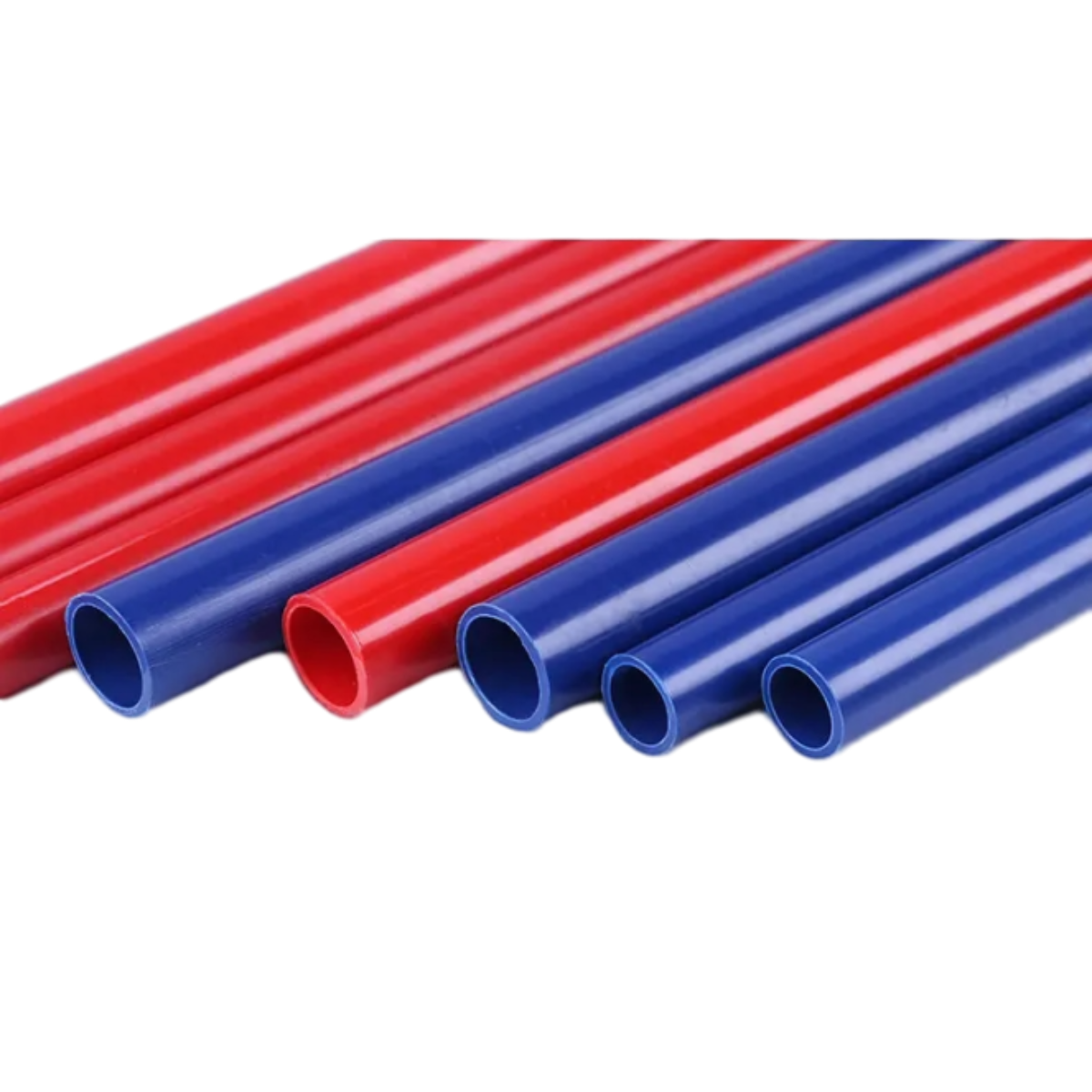
Polypropylene Random Copolymer (PPR) pipe, specifically the 14-pipe designation, represents a crucial component in modern fluid transport systems. PPR 14 signifies a nominal diameter of 14mm, commonly used for residential and commercial hot and cold water distribution, industrial applications, and increasingly, specialized systems like radiant floor heating. This guide provides a comprehensive technical overview of PPR 14 pipes manufactured by ppr 14 pipe factory, focusing on material science, manufacturing processes, performance characteristics, potential failure modes, and relevant industry standards. The primary advantage of PPR systems lies in their corrosion resistance, thermal stability, and ease of installation via heat fusion welding, minimizing leakage risks. Understanding the intricacies of PPR 14 pipe production and application is vital for engineers, procurement managers, and installation professionals seeking reliable and long-lasting piping solutions. The current industry faces challenges related to ensuring consistent material quality, proper weld integrity, and adherence to evolving regulatory requirements regarding potable water safety.
Material Science & Manufacturing
PPR 14 pipe is manufactured from polypropylene random copolymer, a thermoplastic polymer produced by the polymerization of propylene with ethylene. The random copolymerization introduces ethylene units, disrupting the crystallinity of the polypropylene and improving its impact resistance, flexibility, and weldability. The raw material typically arrives at the ppr 14 pipe factory as polypropylene granules. These granules undergo rigorous quality control checks for melt flow index (MFI), density, and purity before processing. The manufacturing process primarily involves extrusion. The granules are fed into an extruder, where they are heated and melted under controlled temperature profiles (typically 190-240°C). The molten polymer is then forced through a circular die of 14mm diameter, forming the pipe. Critical parameters during extrusion include die temperature, screw speed, and haul-off speed. Precise control of these parameters dictates the pipe’s wall thickness, dimensional accuracy, and surface finish. Following extrusion, the pipe is cooled in a water bath to solidify its shape. The cooling rate is crucial to prevent warping or internal stresses. The final stage involves cutting the pipe to specified lengths and quality inspection, including hydrostatic pressure testing to ensure structural integrity. Chemical compatibility is a key consideration; PPR exhibits excellent resistance to many common chemicals, but prolonged exposure to strong oxidizing agents should be avoided.
Performance & Engineering
The performance of PPR 14 pipe is fundamentally governed by its mechanical properties and its ability to withstand internal pressure and external loads. Hydrostatic pressure testing, as per DIN 19569 or equivalent standards, is a critical quality control measure. PPR 14 typically exhibits a hydrostatic pressure rating of at least 20 bar at 20°C, diminishing with increasing temperature. The long-term hydrostatic strength (LTS) is a more relevant parameter for service life prediction, considering the effects of creep. Force analysis involves evaluating hoop stress within the pipe wall due to internal pressure, which is calculated using the Barlow’s formula (σ = PD/2t, where P is pressure, D is diameter, and t is wall thickness). Environmental resistance is also paramount. While PPR is inherently UV resistant, prolonged exposure to direct sunlight can cause degradation. Therefore, outdoor applications require UV-stabilized formulations or protective coatings. Thermal expansion is another critical engineering consideration. PPR has a relatively high coefficient of thermal expansion (approximately 0.15 mm/m°C). Installation designs must accommodate this expansion and contraction to prevent stress on joints and connections. Compliance requirements often dictate specific material formulations and testing procedures to ensure potable water safety, preventing leaching of harmful substances into the water supply. The ppr 14 pipe factory must maintain traceability of raw materials and production batches to demonstrate compliance with relevant regulations.
Technical Specifications
| Parameter | Unit | PPR 14 Pipe (Typical) | Standard Specification (DIN 19569) |
|---|---|---|---|
| Nominal Diameter | mm | 14 | 14 |
| Wall Thickness | mm | 2.3 - 3.2 | ≥ 2.3 |
| Hydrostatic Pressure (20°C) | bar | ≥ 20 | ≥ 20 |
| Long-Term Hydrostatic Strength (50 years, 20°C) | bar | ≥ 10 | ≥ 10 |
| Tensile Strength | MPa | ≥ 25 | ≥ 20 |
| Elongation at Break | % | ≥ 300 | ≥ 200 |
Failure Mode & Maintenance
PPR 14 pipe, while robust, is susceptible to several failure modes. Fatigue cracking can occur at joints subjected to cyclic pressure fluctuations, especially if the weld is improperly performed. Delamination, the separation of layers within the pipe wall, can result from insufficient mixing of materials during extrusion or contamination. Degradation due to prolonged exposure to high temperatures (above 70°C) can reduce the pipe’s mechanical strength. Oxidation can occur in the presence of oxygen and elevated temperatures, leading to embrittlement. Another potential failure mode is slow crack growth (SCG) in certain chemical environments. Preventive maintenance includes regular visual inspections for leaks, cracks, or discoloration. Proper installation is critical; heat fusion welding must be performed using calibrated equipment and by trained personnel, adhering to recommended welding parameters (temperature and pressure). Joints should be thoroughly inspected for complete fusion. Avoid mechanical stress during installation, such as excessive bending or impact. In the event of a leak, the affected section of pipe should be cut out and replaced with a new section, using proper welding techniques. Chemical cleaning of the piping system should be performed with compatible cleaning agents to avoid damaging the PPR material.
Industry FAQ
Q: What is the maximum operating temperature for PPR 14 pipe?
A: The continuous operating temperature for PPR 14 pipe is typically limited to 70°C. Short-term exposure to temperatures up to 95°C is permissible, but prolonged exposure above 70°C will accelerate degradation and reduce the pipe’s lifespan. The specific temperature rating depends on the PPR formulation and the manufacturer's specifications.
Q: How does UV exposure affect PPR pipe, and what mitigation strategies are recommended?
A: Prolonged exposure to ultraviolet (UV) radiation can cause surface degradation and embrittlement of PPR pipe. This is due to the breakdown of polymer chains by UV photons. Mitigation strategies include using UV-stabilized PPR formulations, painting the pipe with a UV-resistant coating, or shielding the pipe from direct sunlight with insulation or cladding.
Q: What are the key considerations for heat fusion welding of PPR 14 pipe?
A: Key considerations include using a calibrated welding tool with appropriate temperature settings, ensuring clean and dry pipe ends, applying consistent pressure during the welding process, and allowing sufficient cooling time before pressurizing the joint. Incorrect welding parameters can lead to incomplete fusion, weak joints, and potential leaks.
Q: How does PPR pipe compare to traditional metal piping (e.g., copper) in terms of cost and longevity?
A: PPR pipe typically has a lower initial material cost compared to copper pipe. However, installation costs may be higher due to the requirement for specialized welding equipment and trained personnel. In terms of longevity, properly installed and maintained PPR pipe can have a service life comparable to or exceeding that of copper pipe (50+ years), but it is more susceptible to damage from mechanical impact.
Q: What certifications and standards should I look for when sourcing PPR 14 pipe?
A: Look for certifications such as DIN 19569, EN ISO 15876, or equivalent standards relevant to your region. These certifications demonstrate that the pipe has been tested and meets specific performance and safety requirements. Traceability of raw materials and production batches is also important to ensure quality control.
Conclusion
PPR 14 pipe represents a viable and increasingly popular solution for a wide range of fluid transport applications. Its corrosion resistance, thermal stability, and ease of installation offer significant advantages over traditional metal piping systems. However, achieving optimal performance and longevity requires careful consideration of material properties, manufacturing processes, installation techniques, and potential failure modes. The ppr 14 pipe factory plays a critical role in ensuring consistent product quality and adherence to industry standards.
Looking forward, advancements in PPR formulations, such as the incorporation of enhanced UV stabilizers and improved impact modifiers, will further broaden the application scope of PPR pipe. Continued research and development in welding technologies will also contribute to improved joint integrity and reduced installation costs. Ultimately, a thorough understanding of the technical intricacies of PPR 14 pipe is essential for engineers, procurement professionals, and installers seeking to maximize the benefits of this versatile piping material.
-
DN25 HDPE Compression Fitting-HORON INTERNATIONAL|Reliable Irrigation Solutions
NewsFeb.11,2026
-
china 3 4 ppr pipe in mm Performance Analysis
News2026-04-28
-
china hdpe couplings Performance Analysis
News2026-04-28
-
china 75mm pvc pipe Performance Analysis
News2026-04-28
-
china pvc pipe price per meter Technical Analysis
News2026-04-28
-
china hdpe pipe for drinking water Performance Analysis
News2026-04-28
-
china 24 inch diameter pvc pipe price Performance Engineering
News2026-04-27
-
china 4 hdpe drain pipe Performance Analysis
News2026-04-27
-
china 12 hdpe pipe Performance Analysis
News2026-04-27
-
china hdpe reducing coupling Performance Analysis
News2026-04-27
-
china hdpe corrugated sewer pipe Performance Analysis
News2026-04-27
-
china pvc pipe cost per foot Technical Analysis
News2026-04-26
-
china double walled corrugated pipe Performance Analysis
News2026-04-26
-
china hdpe sprinkler pipe price list Performance Analysis
News2026-04-26
-
china water pipe in kitchen Performance Analysis
News2026-04-26
-
china hdpe to pvc pipe coupling Performance Analysis
News2026-04-26