

Feb . 11, 2026 00:01 Back to list
ppr 14 pipe factories Performance Analysis
Introduction
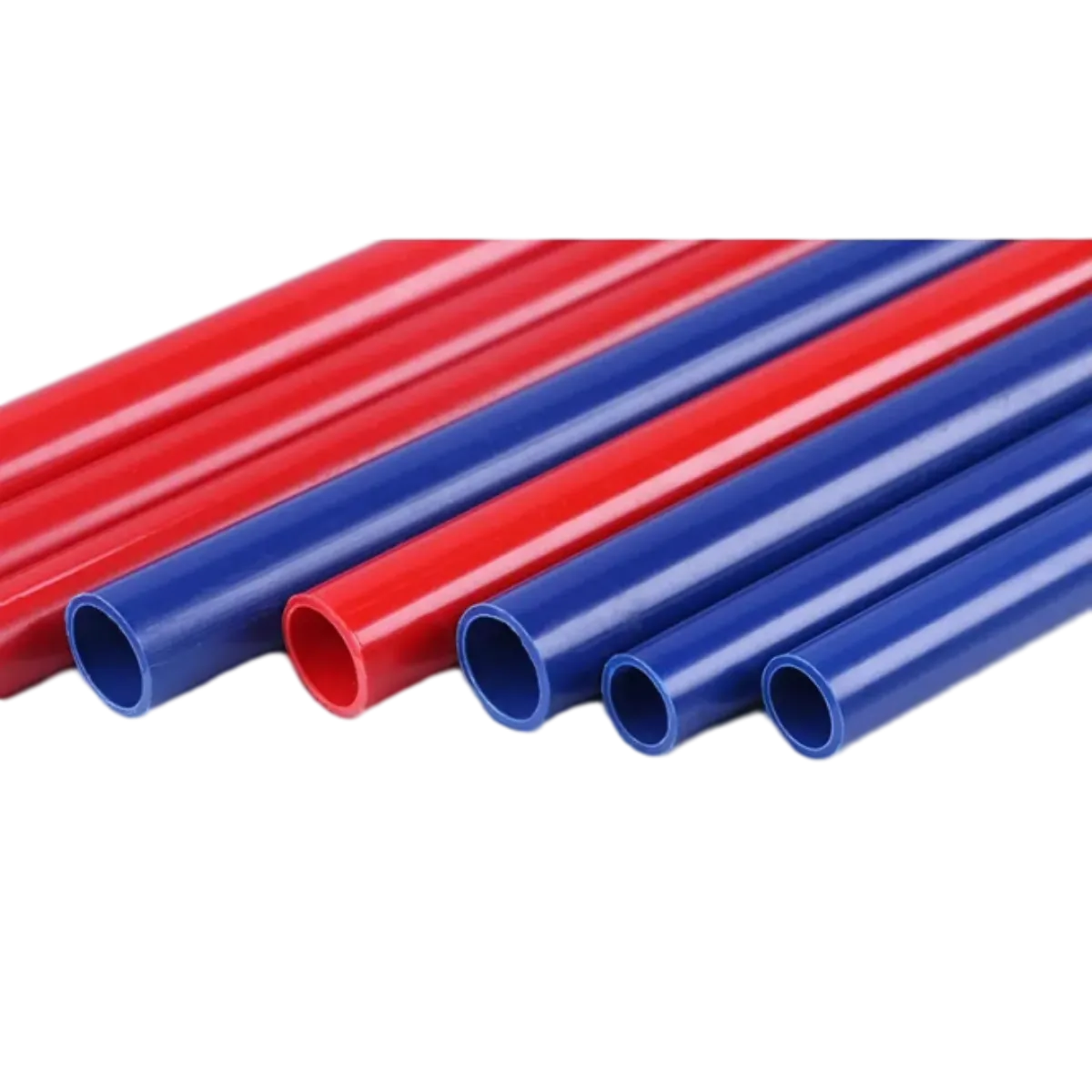
Polypropylene Random (PPR) pipe, designated as Type 14 in various international standards, represents a significant advancement in thermoplastic piping systems for fluid conveyance. PPR 14 pipe factories specialize in the manufacturing of these pipes, primarily intended for pressure applications in hot and cold water systems, industrial fluid transport, and increasingly, specialized applications like radiant floor heating and compressed air networks. Positioned within the broader polymer piping industry, PPR 14 distinguishes itself through its enhanced resistance to thermal deformation and creep, a direct result of the random copolymerization of propylene monomers. Core performance characteristics include high flow capacity due to smooth internal surfaces, excellent chemical resistance to a broad spectrum of substances, and a robust, long-term durability profile when installed and operated within specified parameters. The industry currently faces challenges related to raw material price volatility, maintaining consistent wall thickness during extrusion, and addressing concerns around long-term performance in highly aggressive chemical environments. Meeting stringent international standards and ensuring weld integrity are critical pain points for manufacturers and end-users alike.
Material Science & Manufacturing
PPR 14 pipe is fabricated from polypropylene random copolymer, a thermoplastic polymer synthesized from propylene monomer through a process of polymerization. The 'random' designation denotes the statistical distribution of comonomers, typically ethylene, within the polymer chain, disrupting the crystallinity of standard polypropylene. This randomization imparts improved impact strength, flexibility, and resistance to stress cracking. Raw material selection is paramount; the polypropylene resin must meet specific criteria regarding melt flow index (MFI), density, and molecular weight distribution. Manufacturing commences with the extrusion process, where polypropylene granules are melted and forced through a die to form the pipe. Key parameters include barrel temperature (typically 180-240°C), die temperature (similar to barrel temperature), and haul-off speed. Precise control of these parameters dictates wall thickness uniformity and dimensional accuracy. Socket fusion or electrofusion welding are standard joining methods, requiring skilled operators and rigorously controlled welding parameters (temperature and time) to achieve structurally sound joints. Quality control involves hydrostatic pressure testing to verify burst resistance and leak-tightness, as well as dimensional inspection to ensure adherence to specified tolerances. The cooling process is also critical; rapid cooling can induce internal stresses that compromise long-term performance.
Performance & Engineering
The performance of PPR 14 pipe is heavily governed by its mechanical and thermal properties. Force analysis during installation and operation necessitates consideration of internal pressure, external loads (soil loading, traffic loads), and thermal expansion/contraction. The pipe's ability to withstand sustained pressure is dictated by its hydrostatic design stress (HDS), calculated based on the material's minimum yield strength and a design factor. Environmental resistance is crucial; prolonged exposure to UV radiation can cause degradation, necessitating the use of UV stabilizers in the material formulation or protective coatings. Chemical compatibility must be assessed for each application; while PPR exhibits excellent resistance to many common chemicals, it is susceptible to degradation by strong oxidizing agents and certain organic solvents. Compliance requirements vary by region, but generally involve adherence to standards like EN 1610 (European), ASTM D3261 (North American), and GB/T 5817 (Chinese). The design of piping systems requires accounting for thermal expansion/contraction through the use of expansion loops or flexible connectors to prevent stresses on the pipe and joints. The creep resistance of PPR 14, improved over standard PPR, is critical for hot water applications, minimizing long-term deformation under sustained temperature and pressure. Fatigue analysis is also relevant in applications involving cyclic pressure fluctuations.
Technical Specifications
| Parameter | Unit | PPR 14 (Typical Value) | Testing Standard |
|---|---|---|---|
| Hydrostatic Pressure (Short Term) | MPa | 12.5 | ISO 1167 |
| Hydrostatic Pressure (Long Term) | MPa | 1.0 | ISO 1167 |
| Tensile Strength | MPa | 28 | ISO 527 |
| Elongation at Break | % | 300 | ISO 527 |
| Vicat Softening Temperature | °C | 135 | ISO 306 |
| Maximum Operating Temperature | °C | 95 | EN 1610 |
Failure Mode & Maintenance
Common failure modes in PPR 14 pipe systems include slow crack growth (SCG), primarily induced by sustained tensile stress and exposure to aggressive chemicals. SCG often originates at stress concentrators such as weld joints or areas with imperfections in the pipe wall. Another failure mode is creep rupture, occurring under sustained high temperature and pressure, leading to gradual deformation and eventual failure. Oxidation, particularly in high-temperature applications, can degrade the polymer matrix, reducing its mechanical properties. Delamination can occur if the pipe material is poorly compounded or improperly processed. Weld failures are frequent, often stemming from insufficient welding temperature, incorrect welding time, or contamination at the joint interface. Maintenance involves regular visual inspections for signs of cracking, deformation, or leaks. Preventive maintenance includes periodic pressure testing and verification of weld integrity. In the event of a leak, the affected pipe section should be cut out and replaced with a new section using appropriate welding techniques. The use of compatible fittings and proper installation practices are crucial for preventing failures. Avoid exposing the pipe to direct sunlight for extended periods and ensure adequate support to prevent excessive bending stresses.
Industry FAQ
Q: What is the impact of water hardness on the lifespan of PPR 14 pipes?
A: Water hardness, specifically the concentration of calcium and magnesium ions, can contribute to scale buildup within the pipe. While PPR 14 is generally resistant to scale, significant buildup can reduce flow capacity and potentially create localized stress concentrations. Regular flushing or the implementation of water softening systems can mitigate this issue. The material itself isn’t chemically affected by hard water, but the resultant scale is the primary concern.
Q: How does the quality of the welding equipment affect the long-term reliability of PPR 14 pipe joints?
A: Welding equipment quality is critical. Inconsistent heating temperatures, inaccurate timers, and poorly maintained heating elements can lead to under-welded or over-welded joints. Under-welded joints have reduced strength and are prone to failure, while over-welded joints can cause material degradation and distortion. Calibration of welding equipment should be performed regularly and documented.
Q: What are the considerations for using PPR 14 pipes in seismic zones?
A: In seismic zones, increased flexibility and ductility are essential. PPR 14 possesses a degree of flexibility, but additional measures may be required, such as flexible connectors and proper anchoring to prevent excessive stress during ground movement. The piping system should be designed to accommodate anticipated displacement and avoid rigid connections that could lead to cracking.
Q: Can PPR 14 pipes be used for transporting compressed air, and if so, what are the specific requirements?
A: Yes, PPR 14 pipes can be used for compressed air, but it requires careful consideration. The system must be designed to withstand the maximum operating pressure of the compressed air system, and all connections must be securely welded or mechanically fastened. Moisture separators should be installed to prevent condensation buildup, which can lead to corrosion and reduced air quality. Use of specific PPR-C compounds designed for compressed air is recommended.
Q: What is the recommended storage procedure for PPR 14 pipes to prevent degradation before installation?
A: PPR 14 pipes should be stored in a cool, dry, and well-ventilated area, protected from direct sunlight and extreme temperatures. They should be stacked neatly and supported to prevent deformation. Avoid storing pipes directly on the ground, as this can lead to contamination. Long-term storage may require covering the pipes with opaque materials to prevent UV degradation.
Conclusion
PPR 14 pipe represents a robust and versatile solution for a wide range of fluid conveyance applications. Its enhanced creep resistance and improved mechanical properties, stemming from the random copolymerization of polypropylene, position it favorably compared to standard PPR materials. However, successful implementation demands meticulous attention to material selection, manufacturing process control, proper installation techniques, and adherence to relevant international standards.
Looking ahead, advancements in polymer formulation, such as the incorporation of nanoparticles to further enhance mechanical strength and barrier properties, are expected to broaden the applicability of PPR 14. The development of more sophisticated non-destructive testing methods for weld integrity assessment will also be critical for ensuring long-term reliability. Furthermore, continued research into the effects of various chemical environments on PPR 14 performance will be essential for optimizing its use in challenging industrial applications.
-
DN25 HDPE Compression Fitting-HORON INTERNATIONAL|Reliable Irrigation Solutions
NewsFeb.11,2026
-
china 3 4 ppr pipe in mm Performance Analysis
News2026-04-28
-
china hdpe couplings Performance Analysis
News2026-04-28
-
china 75mm pvc pipe Performance Analysis
News2026-04-28
-
china pvc pipe price per meter Technical Analysis
News2026-04-28
-
china hdpe pipe for drinking water Performance Analysis
News2026-04-28
-
china 24 inch diameter pvc pipe price Performance Engineering
News2026-04-27
-
china 4 hdpe drain pipe Performance Analysis
News2026-04-27
-
china 12 hdpe pipe Performance Analysis
News2026-04-27
-
china hdpe reducing coupling Performance Analysis
News2026-04-27
-
china hdpe corrugated sewer pipe Performance Analysis
News2026-04-27
-
china pvc pipe cost per foot Technical Analysis
News2026-04-26
-
china double walled corrugated pipe Performance Analysis
News2026-04-26
-
china hdpe sprinkler pipe price list Performance Analysis
News2026-04-26
-
china water pipe in kitchen Performance Analysis
News2026-04-26
-
china hdpe to pvc pipe coupling Performance Analysis
News2026-04-26