

Feb . 11, 2026 00:01 Back to list
hdpe sprinkler pipe fittings products Performance Engineering
Introduction
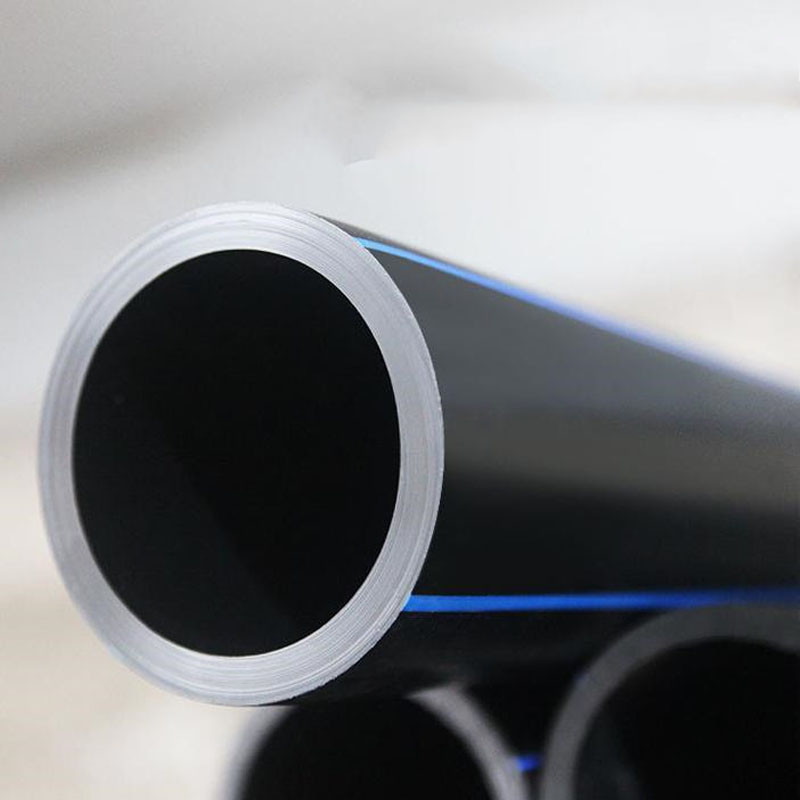
High-Density Polyethylene (HDPE) sprinkler pipe fittings represent a crucial component within modern irrigation systems, serving as connectors for a network delivering water to agricultural fields, landscaping, and fire suppression systems. Positioned downstream from main water supply lines, these fittings facilitate the controlled distribution of water via sprinkler heads. Their role is increasingly significant due to the growing demand for efficient water management and the inherent advantages of HDPE over traditional materials like metal in corrosion resistance and cost-effectiveness. Core performance characteristics include pressure handling capacity, leak-proof joint integrity, UV resistance to prevent degradation, and resistance to common soil chemicals. This guide provides a comprehensive technical overview of HDPE sprinkler pipe fittings, covering material science, manufacturing processes, performance engineering, failure modes, and relevant industry standards.
Material Science & Manufacturing
HDPE sprinkler pipe fittings are typically manufactured from high-density polyethylene resins, specifically grades designated for pressure pipe applications, conforming to standards such as PE 4710. The raw material possesses key properties: a density between 0.931 and 0.965 g/cm³, a tensile strength ranging from 20 to 35 MPa, and a relatively high impact strength even at low temperatures. Crucially, HDPE exhibits excellent chemical resistance to acids, bases, and salts commonly found in irrigation water and soil environments.
Manufacturing predominantly utilizes two methods: injection molding and butt fusion. Injection molding is employed for smaller fittings like tees, elbows, and couplings, involving the melting of HDPE pellets and injecting them into a mold cavity. Critical parameters during injection molding include melt temperature (typically 200-250°C), mold temperature (30-50°C), injection pressure (60-100 MPa), and cooling time. Precise control of these parameters is vital to prevent warping, sink marks, and inadequate weld line strength.
Butt fusion is used for larger diameter fittings and joining pipe sections. This process involves heating the fitting and pipe ends to their melting point (approximately 130-180°C) and then pressing them together under controlled pressure. Butt fusion creates a homogenous weld, offering superior strength and leak resistance compared to solvent cementing. Key parameters include heating time, heating temperature, fusion pressure (typically 0.5-1 MPa), and cooling time. Proper surface preparation and adherence to standardized procedures, like those outlined in ASTM F2620, are paramount for successful butt fusion.
Performance & Engineering
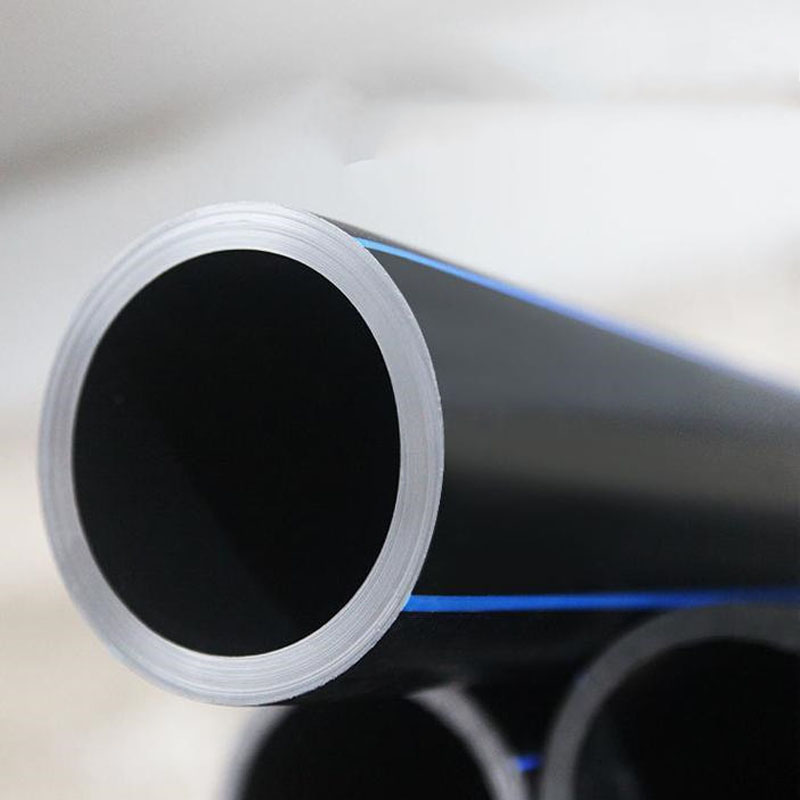
The performance of HDPE sprinkler pipe fittings is dictated by several engineering considerations. Primarily, pressure rating is critical, determined by the pipe schedule (e.g., Schedule 40, Schedule 80) and fitting geometry. Fittings must withstand hydrostatic pressure testing as per ASTM D2412, confirming their ability to operate safely at specified working pressures. Force analysis during operation involves evaluating hoop stress within the fitting wall, accounting for internal pressure and temperature fluctuations. Higher temperatures reduce the tensile strength of HDPE, necessitating derating factors in pressure calculations.
Environmental resistance is another crucial aspect. While HDPE is inherently resistant to UV degradation, prolonged exposure can lead to embrittlement. The addition of carbon black or UV stabilizers to the HDPE compound mitigates this effect. Long-term burial in soil requires consideration of soil chemistry. Highly acidic or alkaline soils can potentially accelerate degradation, although HDPE’s chemical inertness generally provides robust protection. Compliance requirements vary by region but typically involve adherence to NSF/ANSI 61 standards for potable water contact and local plumbing codes. The impact resistance of the fittings is critical to prevent failure during installation and operation, especially in areas prone to ground movement or accidental impact. This is often assessed using impact testing methods like those outlined in ASTM D2444.
Technical Specifications
| Parameter | Unit | Typical Value | Testing Standard |
|---|---|---|---|
| Material | - | PE 4710 | ASTM D3350 |
| Density | g/cm³ | 0.945 | ASTM D1505 |
| Tensile Strength | MPa | 28 | ASTM D638 |
| Hydrostatic Pressure Rating (Schedule 40) | PSI | 100 | ASTM D2412 |
| Operating Temperature Range | °C | -40 to 60 | - |
| UV Resistance | Hours (50% Retention) | 1000+ | ASTM G154 |
Failure Mode & Maintenance
HDPE sprinkler pipe fittings, while durable, are susceptible to specific failure modes. Slow Crack Growth (SCG), induced by sustained tensile stress in the presence of certain detergents or chemicals, is a common issue. This results in the gradual formation of cracks, eventually leading to leakage. Environmental Stress Cracking (ESC) is similar, initiated by external stresses combined with chemical exposure. Fatigue cracking can occur in fittings subjected to repeated pressure fluctuations, especially at weld joints. Delamination can occur in injection molded fittings due to insufficient material bonding during the manufacturing process. Oxidation, though less common, can degrade the HDPE material over extended periods of high-temperature exposure.
Preventative maintenance involves regular visual inspections for cracks, leaks, or signs of deformation. Ensuring proper installation, avoiding excessive bending radii, and providing adequate support to prevent stress concentration are critical. Flush irrigation lines periodically to remove debris and prevent clogging. For minor leaks, HDPE repair couplings can be used to create a localized repair. For significant damage or SCG, the affected fitting should be replaced. Regularly inspect butt fusion welds for signs of porosity or incomplete fusion, which can weaken the joint. Storage of fittings should be in a cool, dry, and shaded location to minimize UV exposure and temperature-related degradation.
Industry FAQ
Q: What is the impact of water hammer on HDPE sprinkler pipe fittings?
A: Water hammer, the pressure surge caused by sudden changes in flow velocity, can create significant stress on HDPE fittings. While HDPE has good impact resistance, repeated water hammer events can lead to fatigue cracking, particularly at weld joints. Mitigation strategies include the installation of surge suppressors and slow-closing valves to dampen pressure fluctuations.
Q: How does soil acidity affect the long-term performance of buried HDPE fittings?
A: Highly acidic soils can accelerate the degradation of HDPE, albeit slowly. The acidic environment can promote oxidation and reduce the material's tensile strength. While HDPE is generally chemically inert, prolonged exposure to extreme pH levels should be avoided. Using fittings with enhanced UV and chemical resistance compounds and providing adequate burial depth can minimize the impact.
Q: What are the considerations for selecting the appropriate HDPE fitting schedule for a given application?
A: The fitting schedule (e.g., Schedule 40, Schedule 80) dictates the wall thickness and, consequently, the pressure rating. Selection should be based on the maximum operating pressure of the irrigation system, considering potential pressure surges. Higher schedules provide greater pressure capacity but also increase material cost. Consulting pressure-flow charts and engineering guidelines is crucial for proper selection.
Q: What is the acceptable level of ovality in a butt-fused HDPE fitting?
A: Ovality, or deviation from a circular shape, in a butt-fused fitting can indicate improper fusion parameters or inadequate pressure during the fusion process. Industry standards, such as ASTM F2620, specify maximum acceptable ovality limits, typically around 5-10% of the outer diameter. Excessive ovality can weaken the joint and increase the risk of leakage.
Q: Can HDPE sprinkler pipe fittings be used with dissimilar materials, such as PVC or metal?
A: While direct connection between HDPE and dissimilar materials is not recommended due to differing thermal expansion coefficients and potential for galvanic corrosion, transition fittings are available. These fittings typically incorporate adapters that allow for a secure and compatible connection between HDPE and PVC or metal piping. It’s critical to select adapters specifically designed for this purpose and follow the manufacturer's instructions carefully.
Conclusion
HDPE sprinkler pipe fittings provide a robust and reliable solution for irrigation and water distribution systems. Their inherent corrosion resistance, relatively low cost, and ease of installation make them a preferred choice over traditional materials. Understanding the material science principles governing HDPE’s performance, coupled with adherence to proper manufacturing and installation practices, is crucial for ensuring long-term system integrity. The selection of appropriate fitting schedules, regular inspections, and preventative maintenance are essential for maximizing service life and minimizing the risk of failure.
Future advancements in HDPE compound technology will likely focus on enhancing UV resistance, impact strength, and resistance to SCG. The increasing adoption of smart irrigation systems and the demand for sustainable water management practices will continue to drive innovation in HDPE fitting design and manufacturing. Ultimately, the effective utilization of these fittings relies on a comprehensive understanding of their technical capabilities and limitations, coupled with a commitment to quality control and responsible engineering practices.
-
DN25 HDPE Compression Fitting-HORON INTERNATIONAL|Reliable Irrigation Solutions
NewsFeb.11,2026
-
discount ppr for hot water Performance Analysis
News2026-06-25
-
discount bulk pvc pipe Material Performance
News2026-06-25
-
discount pvc pipes price list Material Science and Manufacturing
News2026-06-25
-
discount 20 ft pvc pipe Performance Analysis
News2026-06-25
-
discount ppr cold water pipe Performance Analysis
News2026-06-25
-
discount 24 inch diameter pvc pipe price Performance Analysis
News2026-06-24
-
discount 4 hdpe drain pipe Performance Analysis
News2026-06-24
-
discount 12 hdpe pipe Performance Analysis
News2026-06-24
-
discount hdpe reducing coupling Performance Analysis
News2026-06-24
-
discount hdpe corrugated sewer pipe Performance Engineering
News2026-06-24
-
discount pvc pipe cost per foot Material and Performance Analysis
News2026-06-23
-
discount double walled corrugated pipe Performance Analysis
News2026-06-23
-
discount hdpe sprinkler pipe price list Performance and Engineering
News2026-06-23
-
discount water pipe in kitchen Technical Analysis
News2026-06-23
-
discount hdpe to pvc pipe coupling Performance Engineering
News2026-06-23