

Feb . 11, 2026 00:01 Back to list
hdpe sprinkler coupler product Performance Analysis
Introduction
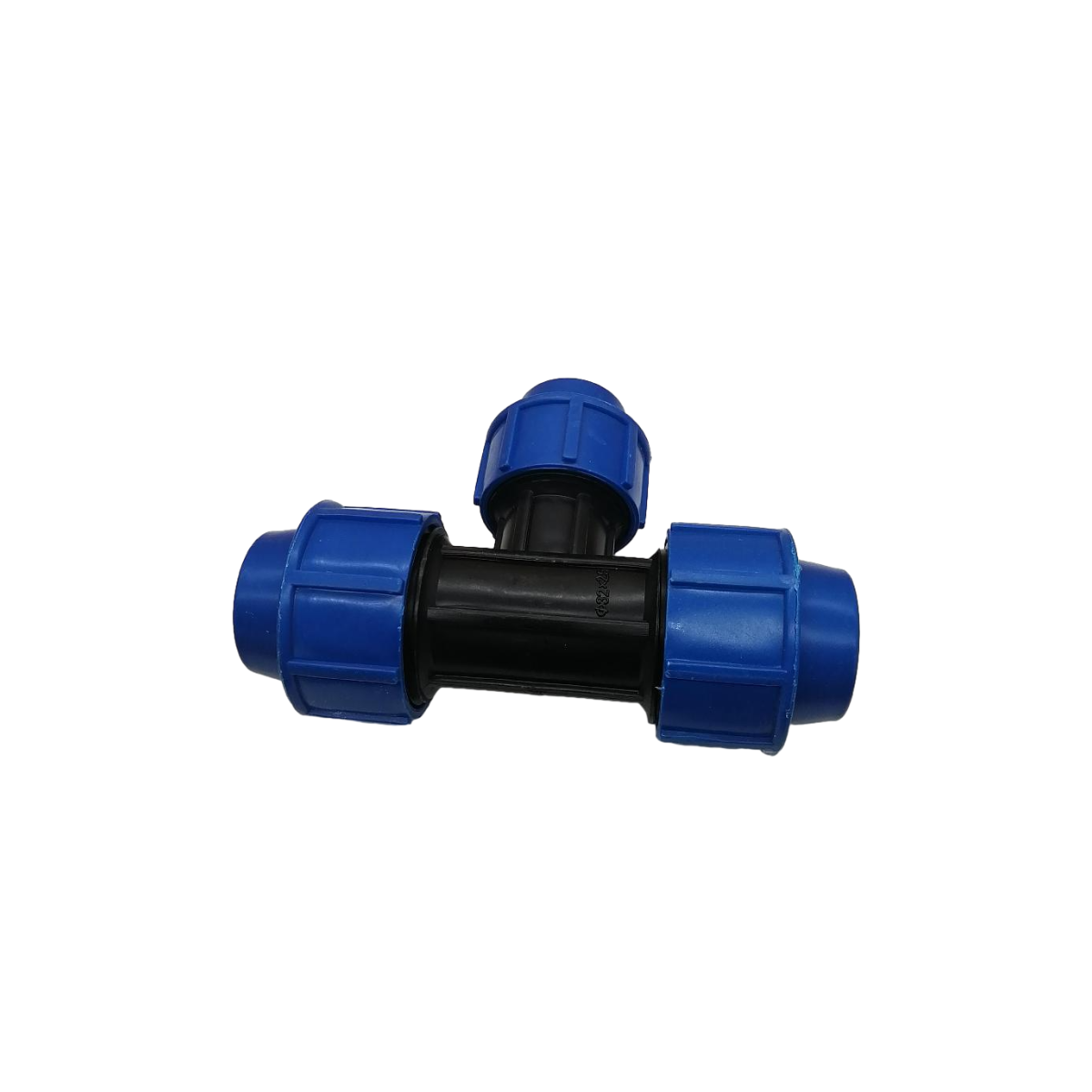
High-Density Polyethylene (HDPE) sprinkler couplers are critical components within irrigation systems, facilitating secure and leak-proof connections between sprinkler lines and risers. Positioned as intermediary components in the broader water conveyance infrastructure, these couplers bridge the gap between rigid piping (typically PVC or metal) and flexible polyethylene tubing commonly used for sprinkler distribution. Their core performance centers around maintaining consistent water pressure, resisting environmental degradation, and ensuring long-term operational reliability. The demand for HDPE sprinkler couplers is driven by the increasing adoption of efficient irrigation technologies in agriculture, landscaping, and sports turf management. A key industry pain point is the prevalence of couplers failing due to UV exposure, improper installation, or material inconsistencies, leading to costly repairs and water wastage. This guide will provide an in-depth technical analysis of HDPE sprinkler couplers, covering material science, manufacturing processes, performance characteristics, failure modes, and relevant industry standards.
Material Science & Manufacturing
HDPE sprinkler couplers are predominantly manufactured from high-density polyethylene resins, specifically grades formulated for pressure applications. The raw material's key physical properties include a density typically ranging from 0.941 to 0.965 g/cm³, a tensile strength between 20-30 MPa, and a relatively high impact resistance, even at low temperatures. Chemical resistance to common soil components, fertilizers, and pesticides is also a critical material characteristic. The manufacturing process typically involves injection molding. Polyethylene pellets are heated to a molten state and injected under high pressure into a precisely engineered mold cavity. Key process parameters include melt temperature (typically 180-220°C), mold temperature (30-50°C), injection pressure (70-100 MPa), and cooling rate. Precise control of these parameters is crucial to minimize residual stresses and ensure dimensional accuracy. Some couplers incorporate a stainless steel clamping ring during the molding process for enhanced structural integrity and pressure resistance. The quality of the resin, specifically its molecular weight distribution and degree of branching, directly impacts the final coupler’s performance. Material consistency is paramount, and rigorous quality control measures, including melt flow index (MFI) testing and density measurements, are essential. Post-molding, couplers undergo visual inspection for defects like flash, sink marks, and weld lines. Dimensional verification is also performed to ensure adherence to specified tolerances.
Performance & Engineering
The performance of HDPE sprinkler couplers is fundamentally governed by their ability to withstand internal water pressure and external loads. Force analysis reveals that the primary stresses are circumferential tension due to internal pressure and shear stress at the coupling interface. Coupler design must account for burst pressure ratings, typically ranging from 100 to 200 PSI, depending on the application. Finite element analysis (FEA) is employed to optimize coupler geometry and identify potential stress concentration points. Environmental resistance is a critical consideration. HDPE is susceptible to degradation from prolonged UV exposure, which leads to chain scission and embrittlement. The inclusion of UV stabilizers (e.g., carbon black, hindered amine light stabilizers – HALS) in the resin formulation is vital for extending service life. Furthermore, temperature fluctuations induce thermal expansion and contraction, which can create stress at the connection points. Coupler selection must consider the operating temperature range of the irrigation system. Compliance requirements often dictate specific performance standards. For example, agricultural applications may require couplers to be certified for contact with potable water (e.g., NSF/ANSI 61). Threaded couplers must meet dimensional standards (e.g., NPT or BSP) to ensure compatibility with standard irrigation components. Installation procedures are also critical. Over-tightening can damage the coupler or connecting tubing, while under-tightening can lead to leaks. Proper insertion depth and the use of appropriate lubricants are essential for achieving a reliable seal.
Technical Specifications
| Parameter | Units | Typical Value | Test Standard |
|---|---|---|---|
| Nominal Size | inches | 0.5, 0.75, 1.0, 1.25, 1.5 | Industry Standard |
| Maximum Operating Pressure | PSI | 150 | ASTM D2412 |
| Burst Pressure | PSI | 450 | ASTM D2412 |
| Tensile Strength | MPa | 25 | ASTM D638 |
| Elongation at Break | % | 200 | ASTM D638 |
| UV Resistance (after 1000 hours) | % Retention of Tensile Strength | 70 | ASTM G154 |
Failure Mode & Maintenance
HDPE sprinkler coupler failures commonly manifest as leaks, cracks, or complete separation of the coupling. Fatigue cracking, particularly in areas of high stress concentration (e.g., near threads or clamping rings), is a frequent failure mode. This is often exacerbated by cyclical pressure fluctuations and temperature variations. Environmental Stress Cracking (ESC), induced by exposure to certain chemicals (e.g., fertilizers, cleaning agents) in combination with mechanical stress, can also lead to premature failure. Degradation due to UV exposure causes embrittlement and reduces impact resistance, making the coupler more susceptible to cracking. Delamination, though less common, can occur if the HDPE material is not properly fused during injection molding. Oxidation, especially at elevated temperatures, can degrade the polymer structure and reduce its mechanical properties. Maintenance involves periodic visual inspections for cracks, leaks, and signs of degradation. Couplers should be replaced immediately if any damage is detected. Proper winterization procedures are crucial in regions prone to freezing temperatures. Draining the irrigation system and disconnecting couplers prevents damage from ice expansion. Regular cleaning to remove dirt and debris helps maintain a tight seal. Avoid using abrasive cleaners or solvents, as these can degrade the HDPE material. Lubricating the threads of threaded couplers with a silicone-based lubricant facilitates assembly and disassembly and prevents galling. Implementing a preventative maintenance schedule, including annual coupler replacement in high-stress applications, can significantly extend the lifespan of the irrigation system.
Industry FAQ
Q: What is the impact of water hammer on HDPE sprinkler coupler longevity?
A: Water hammer, the pressure surge caused by sudden changes in flow rate (e.g., rapid valve closure), can significantly reduce the lifespan of HDPE sprinkler couplers. The repeated pressure spikes create cyclic stress, accelerating fatigue cracking and potentially causing catastrophic failure. Implementing slow-close valves, pressure regulators, and air chambers can mitigate water hammer and protect the couplers.
Q: How does the chemical composition of fertilizers affect HDPE coupler performance?
A: Certain fertilizer components, particularly those with high salt concentrations or acidic pH levels, can induce Environmental Stress Cracking (ESC) in HDPE. This is more prevalent with lower-grade HDPE materials lacking adequate chemical resistance. Selecting couplers formulated with enhanced chemical resistance and thoroughly rinsing the irrigation system after fertilizer application can minimize this risk.
Q: What are the key differences between compression and threaded HDPE sprinkler couplers?
A: Compression couplers rely on a mechanical clamping force to create a seal, making them suitable for quick connections and disconnections. Threaded couplers offer a more secure connection but require proper threading and tightening. Compression couplers are generally less susceptible to leaks due to over-tightening, while threaded couplers offer higher pressure ratings if installed correctly.
Q: What is the role of UV stabilizers in extending the life of HDPE couplers exposed to sunlight?
A: UV stabilizers, such as carbon black and hindered amine light stabilizers (HALS), absorb or scatter ultraviolet radiation, preventing it from degrading the HDPE polymer chains. Without adequate UV stabilization, prolonged exposure to sunlight causes chain scission, leading to embrittlement, cracking, and loss of mechanical properties. The concentration and type of UV stabilizer are critical for determining the coupler’s resistance to UV degradation.
Q: What are the recommended torque specifications for threaded HDPE sprinkler couplers?
A: Over-tightening threaded HDPE couplers can damage the threads, distort the coupler body, and create stress concentrations. Under-tightening leads to leaks. Recommended torque specifications vary depending on the coupler size and material grade, but typically range from 10-20 Nm. Using a calibrated torque wrench is essential for ensuring proper installation.
Conclusion
HDPE sprinkler couplers are essential components in modern irrigation systems, providing reliable and leak-proof connections critical for efficient water management. Their performance is dictated by a complex interplay of material science, manufacturing precision, and engineering design. Understanding the factors that influence coupler performance – including pressure ratings, UV resistance, chemical compatibility, and installation procedures – is paramount for ensuring long-term operational reliability and minimizing the risk of failure.
Future advancements in HDPE coupler technology will likely focus on incorporating more advanced UV stabilization techniques, developing new polymer blends with enhanced chemical resistance, and integrating smart sensors for real-time pressure monitoring and leak detection. Implementing rigorous quality control measures throughout the manufacturing process and adhering to relevant industry standards are essential for maintaining the integrity and performance of these critical irrigation components.
-
DN25 HDPE Compression Fitting-HORON INTERNATIONAL|Reliable Irrigation Solutions
NewsFeb.11,2026
-
china 32mm ppr pipe price Performance Analysis
News2026-05-14
-
china hdpe pipe for sale Performance Analysis
News2026-05-14
-
china ppr pipe 32mm Performance Analysis
News2026-05-14
-
china pvc pipes Manufacturing and Performance Analysis
News2026-05-14
-
china hdpe n 12 corrugated dual wall pipe Performance Analysis
News2026-05-14
-
china hdpe corrugated pipe sizes Performance Analysis
News2026-05-13
-
china ppr pipe for hot and cold water Technical Overview
News2026-05-13
-
china 150mm pvc pipe Performance Analysis
News2026-05-13
-
china 60mm pvc pipe Performance Analysis
News2026-05-13
-
china 12 inch diameter pvc pipe Performance Analysis
News2026-05-13
-
china sprinkler pvc pipe Performance and Engineering
News2026-05-12
-
china ppr pipe 3 4 Performance Analysis
News2026-05-12
-
china hdpe sprinkler pipe Performance Analysis
News2026-05-12
-
china hdpe irrigation pipe fittings Performance Analysis
News2026-05-12
-
china whole sale pvc pipe Performance Analysis
News2026-05-12