

Feb . 11, 2026 00:01 Back to list
hdpe sprinkler coupler manufacturers Performance Analysis
Introduction
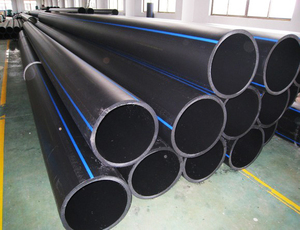
High-Density Polyethylene (HDPE) sprinkler couplers represent a critical component within irrigation systems, facilitating the connection of sprinkler piping and contributing to efficient water distribution. These couplers are predominantly utilized in agricultural, commercial landscaping, and residential irrigation applications. Their technical position within the irrigation supply chain is as a joining element, directly impacting system pressure integrity, leak resistance, and overall operational longevity. Core performance characteristics include robust mechanical strength, chemical inertness to commonly used irrigation water treatments, and UV resistance to mitigate degradation from prolonged sun exposure. The industry faces ongoing challenges in achieving consistent dimensional accuracy during manufacturing, ensuring compatibility across varying pipe schedules, and addressing potential long-term creep deformation under sustained hydrostatic pressure. HDPE couplers offer a cost-effective and corrosion-resistant alternative to traditional metal couplings, albeit with specific performance considerations relating to temperature sensitivity and potential for stress cracking.
Material Science & Manufacturing
HDPE sprinkler couplers are manufactured from high-density polyethylene resin, typically grades conforming to ASTM D3350 standards. This resin exhibits a high degree of crystallinity, contributing to its strength and impermeability. Key physical properties include a density ranging from 0.941 to 0.965 g/cm³, a tensile strength between 20-30 MPa, and a relatively low coefficient of friction. Manufacturing processes primarily involve injection molding. The process begins with HDPE resin pellets being melted and injected into a precisely machined mold cavity. Critical parameters during injection molding include melt temperature (typically 180-220°C), mold temperature (30-50°C), injection pressure (60-90 MPa), and cooling rate. Proper control of these parameters is crucial to minimize internal stresses, prevent warping, and ensure dimensional accuracy of the coupler. Post-molding operations may include deburring, pressure testing to verify leak-proof seals, and surface treatment for UV stabilization. The selection of HDPE grade influences the coupler's resistance to Environmental Stress Cracking (ESC), a common failure mode in irrigation systems exposed to various chemicals and UV radiation. Additives like carbon black are frequently incorporated to enhance UV resistance, while stabilizers are used to mitigate thermal degradation during processing and service.
Performance & Engineering
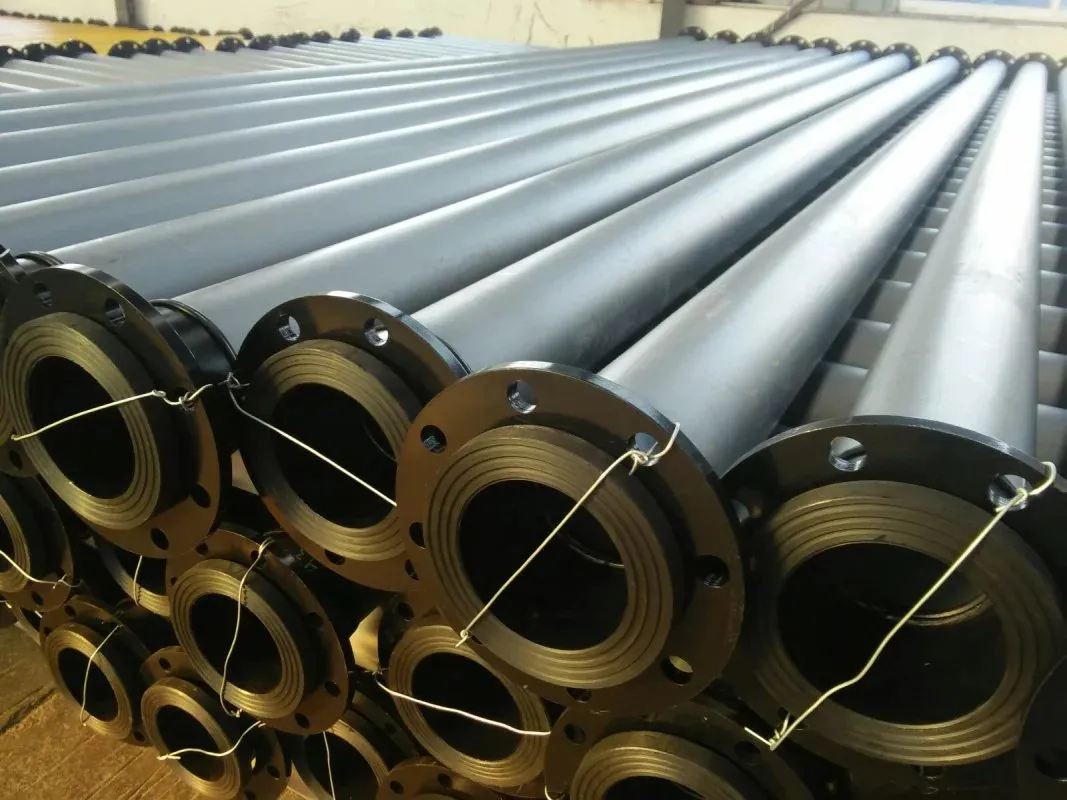
The performance of HDPE sprinkler couplers is governed by several engineering principles. Force analysis under hydrostatic pressure dictates the required wall thickness and structural geometry to prevent bursting or deformation. Couplers must withstand peak operating pressures, which can range from 40 to 100 psi (2.76 to 6.9 bar) depending on the irrigation system design. Environmental resistance is paramount, particularly concerning UV exposure and temperature fluctuations. Prolonged exposure to sunlight degrades HDPE, reducing its tensile strength and increasing brittleness. UV stabilizers are essential to mitigate this effect. Temperature cycling introduces stresses due to the difference in thermal expansion coefficients between HDPE and other irrigation components. Compliance requirements are often dictated by local plumbing codes and irrigation standards, mandating specific pressure ratings, material certifications, and leak testing protocols. Functional implementation relies on the precise fit between the coupler and the pipe, ensuring a watertight seal. Common connection methods include solvent welding (using a compatible HDPE cement) and mechanical compression fittings. The choice of connection method influences the long-term reliability and ease of installation.
Technical Specifications
| Parameter | Unit | Typical Value | Testing Standard |
|---|---|---|---|
| Material | - | HDPE (ASTM D3350) | ASTM D3350 |
| Pressure Rating | psi | 100 | ASTM D1598 |
| Operating Temperature | °C | -40 to 60 | ASTM D790 |
| Tensile Strength | MPa | 25 | ASTM D638 |
| Elongation at Break | % | 300 | ASTM D638 |
| UV Resistance | Hours (to 50% loss of tensile strength) | 500 | ASTM G154 |
Failure Mode & Maintenance
HDPE sprinkler coupler failures typically manifest in several forms. Environmental Stress Cracking (ESC) is a prevalent issue, often initiated by contact with incompatible chemicals (e.g., certain fertilizers or herbicides) and exacerbated by UV exposure and mechanical stress. Fatigue cracking can occur in systems subjected to repeated pressure cycles, particularly at stress concentration points around the coupler’s connection features. Creep deformation, a time-dependent deformation under sustained load, can lead to leaks over extended periods, particularly at elevated temperatures. Oxidation, while less common, can occur in the presence of high temperatures and oxygen, degrading the HDPE matrix. Delamination can occur due to improper welding during installation or manufacturing defects. Maintenance protocols involve regular visual inspections for cracks, leaks, or discoloration. Couplers exhibiting signs of ESC should be replaced immediately. Ensure proper solvent welding techniques are employed during installation, adhering to manufacturer's instructions. Periodically assess the irrigation system’s operating pressure to ensure it remains within the coupler’s rated limits. Implement protective measures (e.g., shielding) to minimize UV exposure where feasible. Consider replacing couplers proactively after 5-7 years of service, depending on the severity of operating conditions.
Industry FAQ
Q: What are the key differences between solvent-welded and mechanical compression HDPE sprinkler couplers?
A: Solvent-welded couplers create a homogenous joint, fusing the coupler material with the pipe material, resulting in a higher pressure rating and greater resistance to leaks. However, they require careful surface preparation and proper application of the solvent cement. Mechanical compression fittings offer a faster and simpler installation process, but generally have a lower pressure rating and are more susceptible to leaks if not properly tightened. The choice depends on the application’s pressure requirements, installation skill level, and maintenance accessibility.
Q: How does UV exposure affect the long-term performance of HDPE sprinkler couplers?
A: UV radiation causes chain scission in the HDPE polymer, reducing its tensile strength, increasing brittleness, and accelerating degradation. This leads to premature failure, particularly cracking. Couplers with incorporated carbon black UV stabilizers offer significantly improved resistance, but even these require periodic inspection and potential replacement after prolonged exposure.
Q: What chemical compatibility concerns should be addressed when using HDPE sprinkler couplers?
A: HDPE is generally resistant to many common chemicals, but it is susceptible to attack by strong oxidizing agents and certain solvents. Avoid prolonged contact with concentrated chlorine bleach, strong acids, and petroleum-based products. Always verify chemical compatibility before introducing new irrigation treatments into the system.
Q: What is the impact of temperature fluctuations on the performance of HDPE sprinkler couplers?
A: HDPE expands and contracts with temperature changes. This thermal expansion/contraction introduces stresses at the connections, particularly in systems with rigid pipe supports. Extreme temperatures can also reduce the coupler's impact resistance and increase the risk of creep deformation. Consider using expansion joints or flexible connections to accommodate thermal movement.
Q: How do I ensure proper solvent welding of HDPE sprinkler couplers?
A: Proper solvent welding requires thorough surface preparation: cleaning the pipe and coupler surfaces with a suitable cleaner (typically isopropanol), applying primer to soften the HDPE, and then applying a uniform layer of solvent cement. Ensure a firm, twisting motion during assembly to promote complete fusion. Allow sufficient curing time (as specified by the cement manufacturer) before pressurizing the system.
Conclusion
HDPE sprinkler couplers are vital components of modern irrigation systems, offering a balance of cost-effectiveness, durability, and chemical resistance. However, their performance is intrinsically linked to material properties, manufacturing precision, and environmental factors. Understanding the potential failure modes, such as ESC, fatigue cracking, and creep deformation, is crucial for ensuring long-term system reliability.
Effective maintenance practices, including regular inspections, proper installation techniques, and consideration of chemical compatibility, are essential for maximizing the service life of these couplers. Adherence to relevant international standards (ASTM, ISO) provides a framework for quality control and performance assurance, ultimately contributing to sustainable water management practices.
-
DN25 HDPE Compression Fitting-HORON INTERNATIONAL|Reliable Irrigation Solutions
NewsFeb.11,2026
-
china 32mm ppr pipe price Performance Analysis
News2026-05-14
-
china hdpe pipe for sale Performance Analysis
News2026-05-14
-
china ppr pipe 32mm Performance Analysis
News2026-05-14
-
china pvc pipes Manufacturing and Performance Analysis
News2026-05-14
-
china hdpe n 12 corrugated dual wall pipe Performance Analysis
News2026-05-14
-
china hdpe corrugated pipe sizes Performance Analysis
News2026-05-13
-
china ppr pipe for hot and cold water Technical Overview
News2026-05-13
-
china 150mm pvc pipe Performance Analysis
News2026-05-13
-
china 60mm pvc pipe Performance Analysis
News2026-05-13
-
china 12 inch diameter pvc pipe Performance Analysis
News2026-05-13
-
china sprinkler pvc pipe Performance and Engineering
News2026-05-12
-
china ppr pipe 3 4 Performance Analysis
News2026-05-12
-
china hdpe sprinkler pipe Performance Analysis
News2026-05-12
-
china hdpe irrigation pipe fittings Performance Analysis
News2026-05-12
-
china whole sale pvc pipe Performance Analysis
News2026-05-12