

Feb . 11, 2026 00:01 Back to list
hdpe quick coupling service Performance Analysis
Introduction
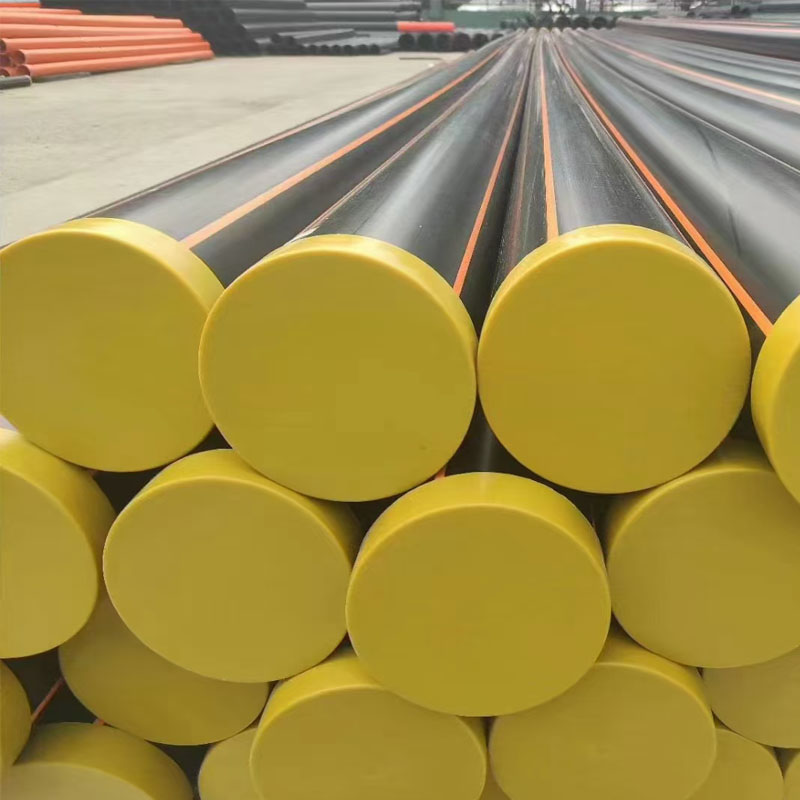
High-Density Polyethylene (HDPE) quick coupling services represent a critical component in fluid transfer systems across a diverse range of industrial applications, including mining, agriculture, oil and gas, and chemical processing. These couplings facilitate the rapid connection and disconnection of hoses and pipes, reducing downtime and enhancing operational efficiency. Unlike traditional threaded connections, quick couplings provide a leak-proof seal with minimal operator effort. The technical position of HDPE quick couplings within the supply chain lies between the raw HDPE material production and the final system installation, requiring precise molding, stringent quality control, and adherence to industry standards for pressure ratings and chemical compatibility. Core performance characteristics hinge on flow rate, pressure capacity, chemical resistance, and long-term durability under cyclical connection/disconnection stress.
Material Science & Manufacturing
HDPE, a thermoplastic polymer made from petroleum, provides the base material for these couplings. Its key properties – high tensile strength-to-density ratio, excellent chemical resistance (to most acids, alkalis, and solvents), and low coefficient of friction – make it ideal for fluid handling. Manufacturing typically involves injection molding. Raw HDPE pellets are heated to a molten state and injected under high pressure into a precision-engineered mold cavity. Critical parameters during injection molding include melt temperature (typically 200-250°C), mold temperature (30-50°C), injection pressure (70-100 MPa), and cooling rate. These parameters directly impact the crystallinity of the HDPE, influencing its strength and resistance to environmental stress cracking. Post-molding, components undergo deburring, quality inspection (visual, dimensional, and pressure testing), and often surface treatments like passivation or anti-static coating. The coupling’s sealing elements are often made of materials like Viton, EPDM, or PTFE, selected for their compatibility with the intended fluid media and their ability to maintain a leak-proof seal under pressure and temperature fluctuations. Material selection for internal locking mechanisms often involves stainless steel alloys to provide robust retention and resistance to corrosion.
Performance & Engineering
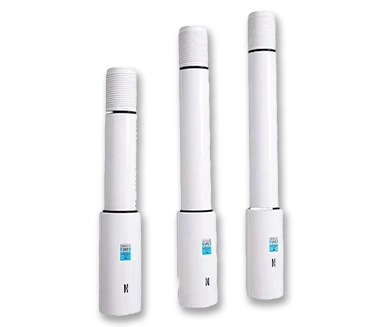
Performance of HDPE quick couplings is heavily influenced by force analysis during connection and disconnection. The locking mechanism must withstand shear forces from fluid pressure and tensile forces from hose movement. Finite Element Analysis (FEA) is routinely used during design to optimize the geometry of the locking jaws and coupling body, minimizing stress concentrations and preventing premature failure. Environmental resistance is also paramount. While HDPE exhibits good resistance to many chemicals, prolonged exposure to UV radiation can cause degradation, leading to embrittlement and cracking. Therefore, UV stabilizers are often added to the HDPE formulation. Temperature considerations are vital; HDPE’s mechanical properties decrease significantly at elevated temperatures. Couplings are typically rated for a maximum operating temperature of 60-80°C. Compliance requirements vary depending on the application. For potable water systems, couplings must comply with NSF/ANSI 61 standards for lead content and material safety. For hazardous chemical handling, compliance with ATEX directives (for explosive atmospheres) and REACH regulations (regarding restricted substances) are essential. The design of the quick coupling must also account for fluid flow characteristics, minimizing pressure drop and turbulence to maintain optimal system performance.
Technical Specifications
| Parameter | Specification (Standard Grade HDPE) | Specification (UV Stabilized HDPE) | Units |
|---|---|---|---|
| Maximum Working Pressure | 150 | 150 | psi |
| Burst Pressure | 450 | 450 | psi |
| Operating Temperature Range | -40 to 60 | -40 to 80 | °C |
| Tensile Strength | 20 | 22 | MPa |
| Elongation at Break | 300 | 350 | % |
| UV Exposure Resistance (ASTM G154) | 500 hours (50% retention) | 2000+ hours (70% retention) | hours |
Failure Mode & Maintenance
Common failure modes in HDPE quick couplings include fatigue cracking at the locking jaw interfaces, particularly under high-frequency connection/disconnection cycles. Environmental stress cracking (ESC) can occur when exposed to certain chemicals or detergents, leading to brittle fracture. Leakage is often caused by degradation of the sealing element (O-ring, gasket) due to chemical incompatibility or wear. Delamination can occur in lower-quality molded parts due to insufficient weld lines or improper cooling. Oxidation, though less common in HDPE than other polymers, can occur at elevated temperatures, leading to surface degradation and reduced mechanical properties. Maintenance involves regular inspection of the coupling body for cracks or deformation, replacement of worn sealing elements, and lubrication of the locking mechanism with a compatible silicone-based lubricant. Avoid using petroleum-based lubricants, as they can accelerate HDPE degradation. Periodic pressure testing should be conducted to verify the integrity of the connection. In applications involving abrasive fluids, consider installing filters upstream of the coupling to prevent particulate matter from damaging the sealing surfaces.
Industry FAQ
Q: What is the impact of fluid velocity on the lifespan of an HDPE quick coupling?
A: Higher fluid velocities can induce erosion of the coupling’s internal surfaces and increase the stress on the sealing elements. This leads to premature wear and potential leakage. It's recommended to maintain fluid velocities within the manufacturer’s specified limits and consider using couplings with abrasion-resistant liners in abrasive fluid applications.
Q: How does the choice of sealing material affect the coupling’s chemical compatibility?
A: The sealing material is critical for ensuring compatibility with the fluid being transferred. Viton offers broad chemical resistance but may not be suitable for strong bases. EPDM is excellent for water and steam applications, while PTFE provides exceptional resistance to almost all chemicals but can be more expensive.
Q: What are the benefits of using stainless steel locking mechanisms in HDPE couplings?
A: Stainless steel provides superior corrosion resistance compared to other metals, preventing rust and maintaining the integrity of the locking mechanism, even in harsh environments. It also offers higher strength and durability, ensuring reliable operation over extended periods.
Q: Can HDPE quick couplings be used with compressed air?
A: While HDPE can withstand moderate pressures, it is not typically recommended for prolonged use with compressed air due to its permeability to air molecules. This can lead to gradual pressure loss and potential safety hazards. Alternative materials like nylon or metal are more suitable for compressed air applications.
Q: What is the recommended torque for tightening the locking mechanism on an HDPE quick coupling?
A: Over-tightening can damage the locking mechanism and compromise the seal. Refer to the manufacturer’s specifications for the recommended torque value. Generally, a snug fit is sufficient; excessive force is not required.
Conclusion
HDPE quick coupling services represent a vital technology for efficient and reliable fluid transfer systems. The material’s inherent properties, combined with precise manufacturing processes and careful engineering design, deliver a robust and cost-effective solution for a wide range of industrial applications. Understanding the performance characteristics, potential failure modes, and relevant industry standards is crucial for ensuring optimal operation and longevity.
Future advancements in HDPE coupling technology are likely to focus on incorporating smart features such as integrated pressure sensors and leak detection systems, enhancing predictive maintenance capabilities and improving overall system safety. Furthermore, the development of more sustainable HDPE formulations, utilizing bio-based feedstocks, will address growing environmental concerns and contribute to a circular economy.
-
DN25 HDPE Compression Fitting-HORON INTERNATIONAL|Reliable Irrigation Solutions
NewsFeb.11,2026
-
china hdpe coupling fittings Performance Analysis
News2026-05-10
-
china hdpe pipe use Performance Analysis
News2026-05-10
-
china hdpe water supply pipe Performance Analysis
News2026-05-10
-
china 1.5 inch pvc pipe Performance Analysis
News2026-05-10
-
china hdpe double wall corrugated pipe Performance Analysis
News2026-05-10
-
china 10mm pvc pipe Performance Analysis
News2026-05-09
-
china ppr pipe for cold water Material Performance
News2026-05-09
-
china type of pvc pipe Material and Manufacturing Analysis
News2026-05-09
-
china hdpe pipe sizes Performance Analysis
News2026-05-09
-
china 50mm pvc pipe Performance Analysis
News2026-05-09
-
china water supply lines under kitchen sink Material Science and Manufacturing
News2026-05-08
-
china green pvc pipe Performance Analysis
News2026-05-08
-
china coupler hdpe pipe Performance Analysis
News2026-05-08
-
china ppr pipe 32mm price Performance Analysis
News2026-05-08
-
china ppr piping system Performance Analysis
News2026-05-08