

Feb . 11, 2026 00:01 Back to list
hdpe pipe sizes products Manufacturing Analysis
Introduction
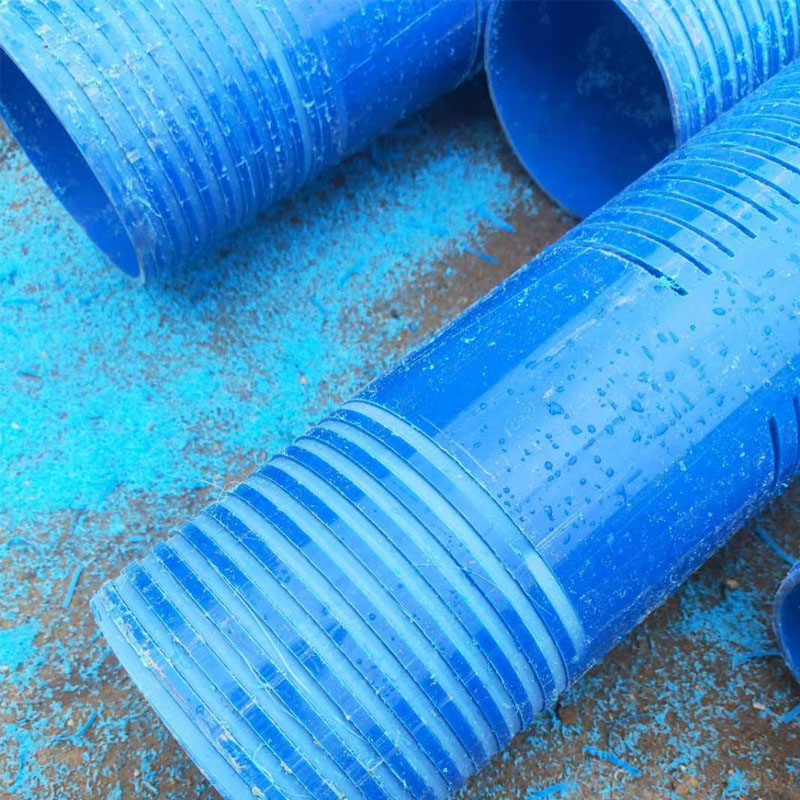
High-Density Polyethylene (HDPE) pipe sizes represent a critical component in modern fluid and gas conveyance systems across diverse industries, including municipal water and sewer, oil and gas, mining, irrigation, and industrial processing. Positioned within the broader pipeline infrastructure value chain, HDPE pipe offers a compelling alternative to traditional materials like ductile iron, steel, and PVC. Its core performance attributes—high strength-to-weight ratio, chemical resistance, flexibility, and leak-tight joints—address key industry pain points related to corrosion, installation complexity, and long-term maintenance costs. Understanding the intricacies of HDPE pipe sizes, their pressure ratings, and application suitability is paramount for engineers, procurement managers, and project stakeholders seeking robust and cost-effective piping solutions. This guide provides an in-depth technical analysis of HDPE pipe, covering material science, manufacturing processes, performance characteristics, failure modes, and relevant industry standards.
Material Science & Manufacturing
HDPE pipe is manufactured from high-density polyethylene, a thermoplastic polymer derived from the polymerization of ethylene. The material's crystalline structure contributes to its high tensile strength, rigidity, and resistance to environmental stress cracking. Raw material properties, notably molecular weight distribution and density (typically ranging from 0.93 to 0.97 g/cm³), directly impact the finished pipe's performance. The manufacturing process primarily utilizes extrusion techniques. Polyethylene resin is melted and forced through a die to form a continuous pipe profile. Key parameters include extrusion temperature (180-240°C), die design, and cooling rate, all influencing the pipe's dimensional accuracy and material properties. Butt fusion, electrofusion, and socket fusion are the dominant joining methods. Butt fusion, commonly employed for larger diameter pipes, involves heating the pipe ends to a molten state and pressing them together under controlled pressure. Electrofusion utilizes an internal heating element within a fitting to melt the pipe and fitting simultaneously. Quality control during manufacturing is critical, encompassing hydrostatic pressure testing, dimensional inspection, and material property verification according to ASTM standards. The addition of carbon black provides UV resistance, while other additives can enhance specific properties like abrasion resistance or flame retardancy. Improper control of these parameters during extrusion can lead to imperfections such as porosity, ovality, and inconsistent wall thickness, impacting long-term performance.
Performance & Engineering
The performance of HDPE pipe is governed by several key engineering principles. Its ability to withstand internal pressure is dictated by Barlow's formula, which relates pressure, pipe diameter, wall thickness, and material strength (specifically, the Minimum Required Strength or MRS). HDPE exhibits significant flexibility, allowing for bending and conforming to ground movements, minimizing stress concentrations and reducing the risk of failure in seismic zones or areas with unstable soil conditions. Stress analysis, often conducted using Finite Element Analysis (FEA), is crucial for designing complex piping systems, particularly those involving bends, tees, and other fittings. Environmental factors, including temperature and UV exposure, can influence HDPE's long-term performance. Lower temperatures increase brittleness, while prolonged UV exposure can lead to degradation. Therefore, appropriate material selection and installation practices, such as burial depth and UV protection, are essential. Compliance with industry standards like AWWA C906 (for potable water) and ASTM F714 (for sewer pipe) is mandatory, dictating material quality, testing procedures, and installation guidelines. Long-term creep resistance is a critical consideration for pressure applications, as HDPE can exhibit time-dependent deformation under sustained stress. Understanding the creep behavior of the specific HDPE grade used is essential for predicting the pipe's lifespan and ensuring long-term integrity.
Technical Specifications
| Nominal Pipe Size (NPS) (inches) | Schedule Number | Outside Diameter (OD) (inches) | Wall Thickness (inches) |
|---|---|---|---|
| 1/2 | 40 | 0.625 | 0.065 |
| 3/4 | 40 | 0.840 | 0.083 |
| 1 | 40 | 1.050 | 0.095 |
| 1 1/2 | 40 | 1.250 | 0.113 |
| 2 | 40 | 1.500 | 0.138 |
| 4 | 40 | 2.375 | 0.218 |
Failure Mode & Maintenance
HDPE pipe, while robust, is susceptible to specific failure modes. Slow Crack Growth (SCG), induced by sustained tensile stress and aggressive environments, is a prevalent concern. This manifests as brittle fractures emanating from localized stress concentrations. Another common failure mode is third-party damage during excavation or construction activities, leading to punctures or cuts. Long-term exposure to UV radiation can cause surface oxidation and embrittlement. Internal pressure surges (water hammer) can induce transient stresses exceeding the pipe's pressure rating, leading to rupture. Failure analysis typically involves visual inspection, fracture surface examination (using microscopy), and chemical analysis to identify the root cause. Preventative maintenance includes regular pressure testing, leak detection surveys, and cathodic protection (in corrosive environments). Repairs can be accomplished using electrofusion welding or mechanical couplings. Proper backfilling and bedding procedures are crucial to prevent stress concentrations and provide adequate support. Regular inspections of exposed pipe sections for UV degradation are also recommended. Detailed record-keeping of installation parameters, maintenance activities, and any observed anomalies is essential for proactive pipeline management.
Industry FAQ
Q: What is the impact of temperature on the allowable operating pressure of HDPE pipe?
A: Higher temperatures reduce the MRS of HDPE, therefore decreasing the allowable operating pressure. Pressure derating factors, as specified in standards like ASTM D3261, must be applied to account for temperature variations. Conversely, lower temperatures increase the material's brittleness, potentially increasing the risk of fracture under impact.
Q: How does HDPE pipe perform in corrosive environments compared to ductile iron?
A: HDPE exhibits exceptional resistance to a wide range of chemicals and corrosive substances, significantly outperforming ductile iron, which is susceptible to corrosion and requires protective coatings. This resistance eliminates the need for costly corrosion control measures often associated with metallic piping systems.
Q: What are the considerations for installing HDPE pipe in areas with potential soil movement?
A: HDPE’s flexibility is a significant advantage in such scenarios. However, proper bedding and backfilling procedures are critical. The pipe must be adequately supported to prevent excessive bending stress. The use of flexible joints or expansion loops may also be necessary to accommodate large movements.
Q: What is the long-term creep resistance of HDPE, and how does it affect pipeline design?
A: HDPE exhibits creep behavior under sustained stress, meaning it will slowly deform over time. Design engineers must account for creep using appropriate design factors and creep rupture models to ensure the pipeline maintains its integrity over its intended lifespan. The specific HDPE grade and operating temperature significantly influence creep performance.
Q: What are the key differences between butt fusion and electrofusion welding of HDPE pipe?
A: Butt fusion is typically used for larger diameter pipes and involves heating both pipe ends and fusing them together under pressure. Electrofusion utilizes an internal heating element within a fitting to melt the pipe and fitting simultaneously, offering greater control and precision for smaller diameters and complex geometries. Both methods, when performed correctly, create strong, leak-tight joints.
Conclusion
HDPE pipe sizes offer a compelling solution for a wide array of fluid and gas transport applications, driven by its inherent material properties and manufacturing advantages. Its resistance to corrosion, flexibility, and leak-tight joints address critical industry pain points, providing long-term cost savings and enhanced reliability compared to traditional materials. Successful implementation requires a thorough understanding of material science, engineering principles, and industry standards.
Future advancements in HDPE technology will likely focus on enhancing creep resistance, improving UV stabilization, and developing new joining methods. Continued research and development, coupled with adherence to rigorous quality control measures, will further solidify HDPE’s position as a premier piping material for demanding applications worldwide.
-
DN25 HDPE Compression Fitting-HORON INTERNATIONAL|Reliable Irrigation Solutions
NewsFeb.11,2026
-
china corrugated hdpe pipe fittings Performance Analysis
News2026-05-22
-
china ppr pipe for hot water Performance Analysis
News2026-05-22
-
china ppr Technical Performance Analysis
News2026-05-22
-
china corrugated dual wall pipe Performance Analysis
News2026-05-22
-
china sink inlet pipe Material Performance Analysis
News2026-05-22
-
china 1 2 inch pvc Performance Analysis
News2026-05-21
-
china hdpe pipe joint coupler Performance Analysis
News2026-05-21
-
china ppr pipes and fittings price list Technical Analysis
News2026-05-21
-
china 9 inch pvc pipe price Performance Analysis
News2026-05-21
-
china 2 inch borewell column pipe price Performance Engineering
News2026-05-21
-
china hdpe pipe suppliers Performance Analysis
News2026-05-20
-
china submersible pump column pipe Performance Engineering
News2026-05-20
-
china 8 hdpe corrugated pipe Manufacturing Analysis
News2026-05-20
-
china dual wall hdpe pipe Performance Analysis
News2026-05-20
-
china water lines under sink Performance Analysis
News2026-05-20