

Feb . 11, 2026 00:01 Back to list
hdpe pipe sizes factories Performance Analysis
Introduction
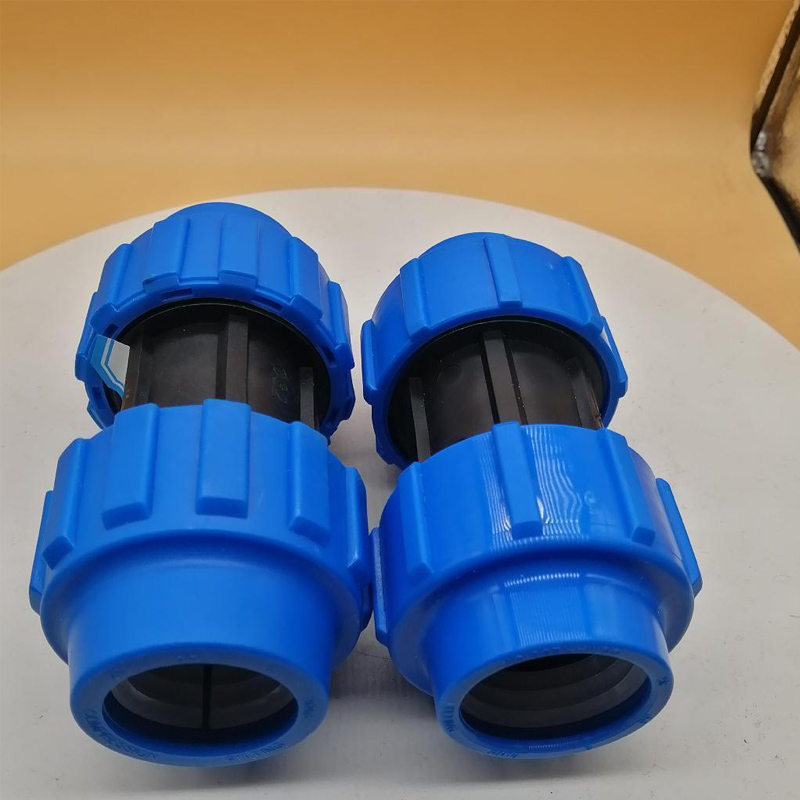
High-Density Polyethylene (HDPE) pipes represent a critical component in modern infrastructure, serving diverse applications including water distribution, gas transmission, irrigation, and drainage. HDPE pipe sizes factories specialize in the extrusion and fabrication of these pipes, adhering to stringent quality control and dimensional tolerances. Unlike metallic counterparts, HDPE offers inherent corrosion resistance, lightweight properties, and flexibility, leading to reduced installation costs and extended service life. The industry chain positions these factories as key suppliers to municipalities, construction firms, agricultural enterprises, and energy companies. Core performance characteristics hinge on pressure ratings (PN), material density, hydrostatic design stress (SDR), and adherence to international standards like ASTM and EN. This guide provides an in-depth technical overview of HDPE pipe manufacturing, performance, failure modes, and maintenance practices.
Material Science & Manufacturing
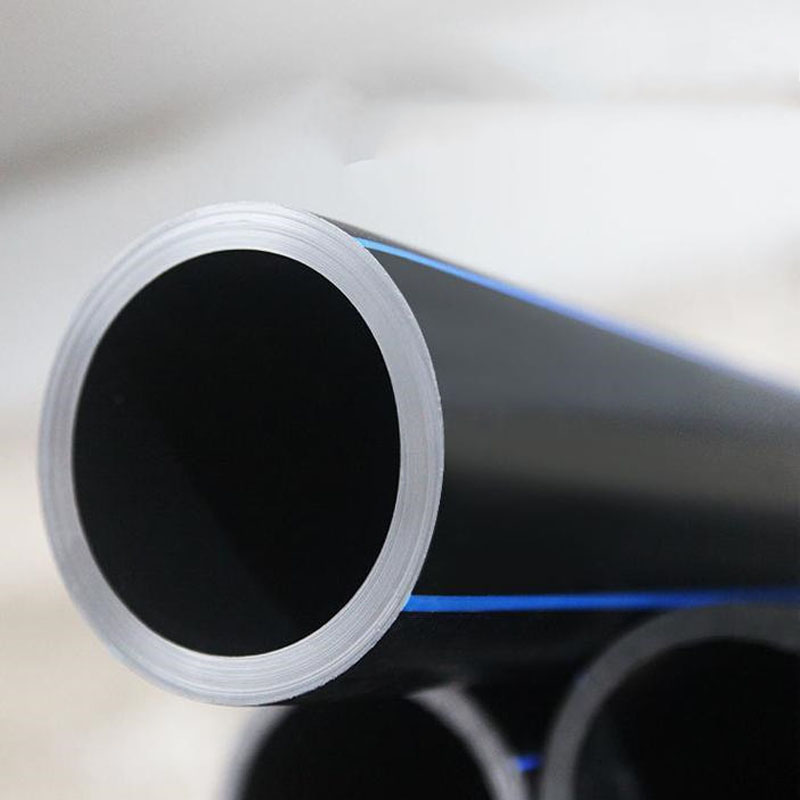
HDPE pipes are primarily manufactured from high-density polyethylene resin, a thermoplastic polymer produced through the polymerization of ethylene. The resin’s molecular weight and density (typically 0.93 to 0.97 g/cm³) significantly impact the pipe’s strength and durability. Raw material selection is critical; resin must meet specific standards for melt flow index (MFI), oxidative induction time (OIT), and carbon black content for UV resistance. The manufacturing process commonly employs extrusion. HDPE resin is fed into an extruder, where it’s heated and melted. The molten plastic is then forced through a die to form the desired pipe diameter and wall thickness. Parameter control during extrusion is paramount. Die temperature, screw speed, and haul-off speed must be precisely regulated to ensure consistent dimensions and prevent defects like ovality or variations in wall thickness. Cooling is typically achieved via a water bath system. Subsequent processes may include butt fusion, electrofusion, or socket fusion for joining pipe sections. Quality control includes hydrostatic testing to verify pressure resistance and dimensional inspection using calibrated instruments. The addition of carbon black imparts UV stability; however, prolonged exposure still necessitates protective measures like pipe covering or specialized coatings in certain applications. The grade of polyethylene (PE 80, PE 100) directly affects the long-term hydrostatic strength.
Performance & Engineering
The performance of HDPE pipes is governed by several engineering principles. Pressure containment is calculated based on Barlow’s formula, considering pipe diameter, wall thickness, and material’s hydrostatic design stress (SDR). SDR, the ratio of diameter to wall thickness, is a crucial parameter influencing pressure rating. Lower SDR values indicate thicker walls and higher pressure capacity. HDPE exhibits excellent ductile behavior, allowing for some deformation under stress without fracture. However, creep rupture – time-dependent deformation under sustained stress – must be considered, particularly at elevated temperatures. Environmental factors significantly impact performance. Temperature fluctuations cause thermal expansion and contraction; therefore, proper allowance for expansion loops and anchoring is essential. Soil loading during burial introduces external pressure; the pipe’s ability to withstand this pressure is assessed based on the soil type and burial depth. Chemical resistance is generally excellent, but exposure to strong oxidizing agents can lead to degradation. Furthermore, HDPE pipes demonstrate good resistance to surge pressures (water hammer) due to their inherent flexibility, but surge protection devices may be required in critical applications. Compliance with standards like AWWA C906 for water distribution and ASTM D3350 for polyethylene pipes ensures structural integrity and long-term performance.
Technical Specifications
| Parameter | Unit | PE 80 (Typical) | PE 100 (Typical) |
|---|---|---|---|
| Hydrostatic Design Stress (SDR) | - | 17.6 | 12.5 |
| Pressure Rating (PN) – 1” Pipe | bar | 16 | 20 |
| Density | g/cm³ | 0.953 | 0.960 |
| Melt Flow Index (MFI) | g/10min | 0.5-1.0 | 0.3-0.8 |
| Oxidative Induction Time (OIT) | min | 120 | 200 |
| Carbon Black Content (UV Protection) | % | 2.0-2.5 | 2.0-2.5 |
Failure Mode & Maintenance
HDPE pipe failures can occur due to several mechanisms. Slow Crack Growth (SCG) is a common issue, particularly in older pipes or those exposed to sustained tensile stress and certain chemicals. This manifests as brittle fracture initiated at stress concentrators. Fatigue cracking can occur from cyclical pressure fluctuations or external loads. Joint failures are frequently attributed to improper fusion techniques (insufficient heating, incorrect pressure, or contamination). Environmental stress cracking (ESC) arises from the combined effects of stress and aggressive chemicals. Oxidation can degrade the material over time, reducing its strength and flexibility, especially in environments with high temperatures or UV exposure. Third-party damage during excavation is a significant concern. Maintenance practices include regular visual inspections for cracks or deformation, pressure testing to detect leaks, and proper backfilling procedures to prevent external stress. For SCG prevention, using PE 100 material and avoiding contact with incompatible chemicals is vital. Joints should be routinely inspected for integrity. In areas prone to third-party damage, protective barriers or warning tape should be installed. Hydrostatic testing helps identify weakened sections before catastrophic failure occurs. Cleaning the pipes periodically to remove debris is also recommended to maintain flow rates and prevent corrosion from buildup.
Industry FAQ
Q: What is the impact of different SDR values on the long-term performance of HDPE pipes?
A: Lower SDR values correspond to thicker pipe walls, resulting in higher pressure ratings and improved resistance to creep rupture and external loads. However, lower SDR pipes are more expensive. Selecting the appropriate SDR requires a thorough analysis of the operating pressure, temperature, soil conditions, and desired service life. A higher SDR can be acceptable for lower-pressure applications, reducing material costs.
Q: How do you mitigate the risk of Slow Crack Growth (SCG) in HDPE piping systems?
A: SCG is best mitigated by using PE 100 material, which exhibits superior resistance compared to PE 80. Avoiding contact with incompatible chemicals (oxidizing agents, strong acids) is critical. Proper joint fusion techniques and stress reduction during installation are also essential. Furthermore, pressure surge control can minimize the likelihood of SCG initiation.
Q: What are the critical parameters to monitor during the butt fusion process?
A: Key parameters include heating temperature, heating time, fusion pressure, and cooling time. Temperatures must be within specified ranges for the PE grade being used. Insufficient heating results in weak joints, while overheating can cause degradation. Fusion pressure ensures intimate contact between the pipe surfaces. Proper cooling allows the joint to solidify without undue stress. Adherence to documented procedures and qualified operators are essential.
Q: How does temperature affect the performance of HDPE pipes?
A: Elevated temperatures reduce the material’s strength and increase creep susceptibility. Conversely, low temperatures can increase brittleness. Thermal expansion and contraction necessitate proper allowance for expansion loops and anchoring to prevent stress buildup. Operating temperatures exceeding the material’s maximum service temperature can lead to premature failure.
Q: What are the common causes of leakage at HDPE pipe joints?
A: Common causes include insufficient heating during fusion, improper fusion pressure, contamination of the fusion surfaces (dirt, moisture), and misalignment of the pipes during fusion. Post-fusion inspection for visual defects and hydrostatic testing are crucial for identifying leaks before commissioning.
Conclusion
HDPE pipe sizes factories play a vital role in supplying a durable and versatile piping solution for diverse industries. The material’s inherent properties – corrosion resistance, flexibility, and lightweight – offer significant advantages over traditional materials. However, achieving optimal performance requires a thorough understanding of material science, manufacturing processes, engineering principles, and potential failure modes. Careful selection of the appropriate PE grade, strict adherence to fusion procedures, and proactive maintenance practices are essential for ensuring long-term reliability and minimizing the risk of system failures.
The ongoing development of advanced HDPE formulations and innovative fusion technologies continues to enhance the capabilities of these piping systems. Future trends may include the incorporation of smart sensors for real-time monitoring of pipe integrity and the development of enhanced joint designs to further improve resistance to SCG and other failure mechanisms. By prioritizing technical expertise and quality control, HDPE pipe sizes factories can continue to deliver robust and sustainable solutions for critical infrastructure applications.
-
DN25 HDPE Compression Fitting-HORON INTERNATIONAL|Reliable Irrigation Solutions
NewsFeb.11,2026
-
china corrugated hdpe pipe fittings Performance Analysis
News2026-05-22
-
china ppr pipe for hot water Performance Analysis
News2026-05-22
-
china ppr Technical Performance Analysis
News2026-05-22
-
china corrugated dual wall pipe Performance Analysis
News2026-05-22
-
china sink inlet pipe Material Performance Analysis
News2026-05-22
-
china 1 2 inch pvc Performance Analysis
News2026-05-21
-
china hdpe pipe joint coupler Performance Analysis
News2026-05-21
-
china ppr pipes and fittings price list Technical Analysis
News2026-05-21
-
china 9 inch pvc pipe price Performance Analysis
News2026-05-21
-
china 2 inch borewell column pipe price Performance Engineering
News2026-05-21
-
china hdpe pipe suppliers Performance Analysis
News2026-05-20
-
china submersible pump column pipe Performance Engineering
News2026-05-20
-
china 8 hdpe corrugated pipe Manufacturing Analysis
News2026-05-20
-
china dual wall hdpe pipe Performance Analysis
News2026-05-20
-
china water lines under sink Performance Analysis
News2026-05-20