

Feb . 11, 2026 00:01 Back to list
hdpe pipe for water supply price list manufacturer Performance Analysis
Introduction
High-Density Polyethylene (HDPE) pipe has become a cornerstone material in modern water supply infrastructure. This technical guide provides an in-depth examination of HDPE pipe, focusing on its material properties, manufacturing processes, performance characteristics, potential failure modes, and relevant industry standards. Positioned within the water distribution chain as a conveyance medium, HDPE offers advantages over traditional materials like ductile iron, PVC, and concrete, notably in corrosion resistance, flexibility, and long-term cost-effectiveness. The 'price list manufacturer' aspect refers to the tiered pricing structures dependent on pipe diameter, pressure rating (SDR – Schedule Dimension Ratio), and quantity ordered. Core performance centers around maintaining potable water quality, withstanding internal and external pressures, and providing a leak-free transport system with minimal headloss. A critical pain point in the industry is accurately predicting long-term performance and ensuring proper installation techniques to prevent premature failure, particularly regarding stress cracking and joint integrity. This guide addresses these concerns with a rigorous, technical approach.
Material Science & Manufacturing
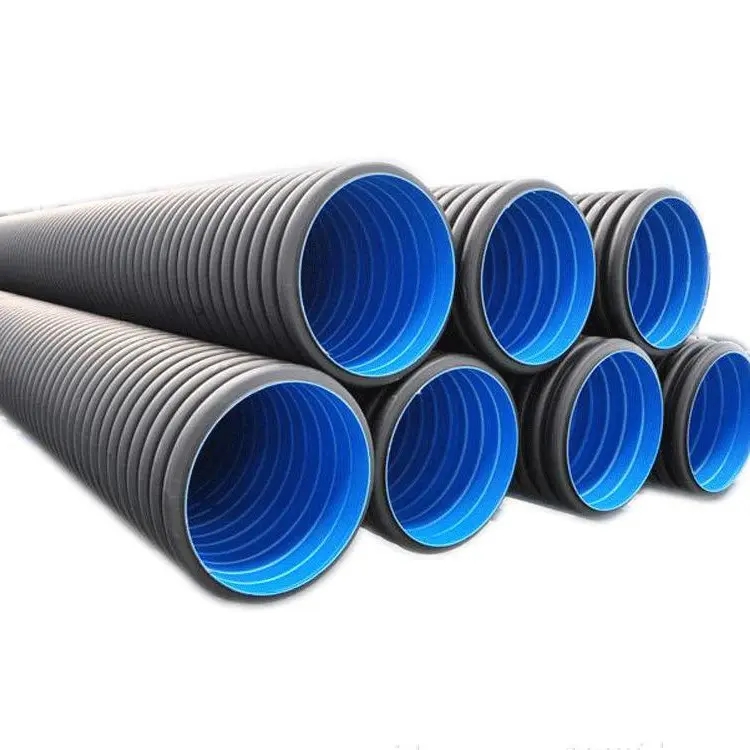
HDPE pipe is produced from polyethylene resin, specifically high-density polyethylene (HDPE) grades conforming to PE3408, PE4710 or PE100 standards. The resin's inherent properties – high tensile strength, flexibility, and chemical inertness – are crucial to the pipe's performance. Raw material selection is paramount; the molecular weight distribution and density of the resin directly impact the pipe’s long-term hydrostatic strength and environmental stress crack resistance (ESCR). Manufacturing typically employs extrusion processes. The process begins with HDPE resin pellets being fed into an extruder, where they are heated and melted. This molten plastic is then forced through a die, shaping it into a continuous pipe. Critical parameters include die temperature, extrusion speed, and cooling rate. Improper control of these parameters can lead to variations in wall thickness, ovality, and residual stresses within the pipe. Butt fusion, electrofusion, and mechanical jointing are common joining methods. Butt fusion involves heating the pipe ends and pressing them together, creating a homogenous weld. Electrofusion utilizes an internal heating element within a fitting to melt and fuse the pipe end. Mechanical joints employ rubber gaskets and compression fittings. Joint integrity is a major concern, and proper operator training and adherence to standards are essential. Post-extrusion quality control includes hydrostatic testing, where the pipe is pressurized to a specified level for a duration to verify its strength and leak-tightness.
Performance & Engineering
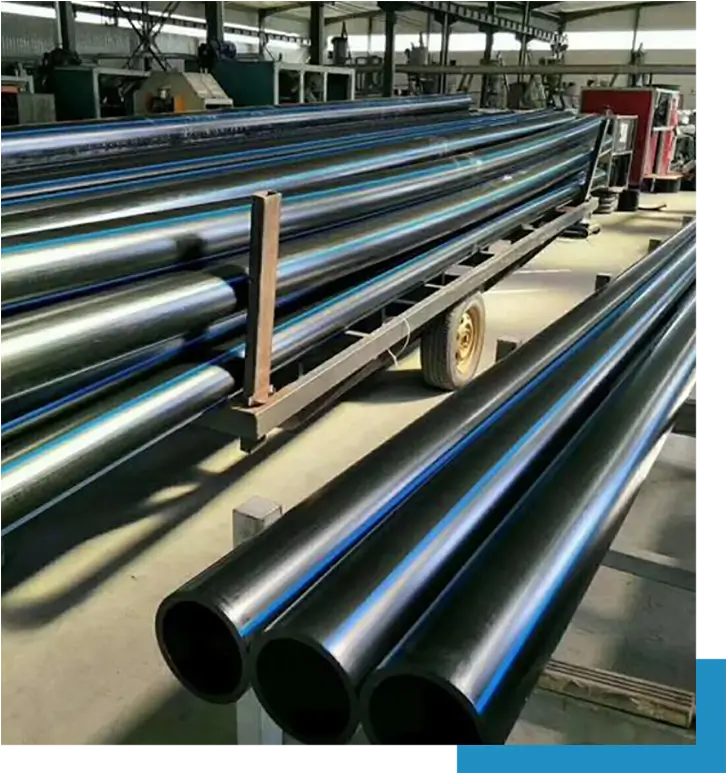
The performance of HDPE pipe in water supply applications is governed by several engineering principles. Hoop stress analysis is critical in determining the pipe's ability to withstand internal pressure. This stress is directly related to the pipe's diameter, wall thickness, and the internal pressure. SDR (Schedule Dimension Ratio), defined as the ratio of the pipe’s outer diameter to its wall thickness, is a key specification used to categorize pressure ratings. Lower SDR values indicate thicker walls and higher pressure ratings. External loads, such as soil overburden and traffic loads, must also be considered. HDPE’s flexibility allows it to accommodate some ground movement and settlement without failure. However, concentrated loads can cause localized stress and potential damage. Environmental resistance is another key aspect. HDPE is highly resistant to corrosion from most chemicals found in soil and water, eliminating the need for expensive cathodic protection systems often required for metallic pipes. However, prolonged exposure to UV radiation can degrade the material, necessitating UV stabilization additives in the resin formulation or protective burial. Compliance requirements vary by region but generally involve adherence to standards set by organizations like AWWA (American Water Works Association) and NSF International. Long-term creep resistance is also a crucial factor; HDPE, like all polymers, exhibits creep – a time-dependent deformation under sustained stress. Understanding and mitigating creep is essential for ensuring the pipe's long-term structural integrity.
Technical Specifications
| Parameter | Units | PE3408 | PE4710 |
|---|---|---|---|
| Minimum Required Strength (MRS) | MPa | 8.0 | 10.0 |
| Hydrostatic Design Stress (HDS) | MPa | 5.0 | 6.3 |
| Density | kg/m³ | 930-955 | 940-965 |
| Environmental Stress Crack Resistance (ESCR) | Hours to Failure | >1000 | >5000 |
| Operating Temperature Range | °C | -40 to +60 | -40 to +60 |
| SDR (Schedule Dimension Ratio) | - | 6.3 - 17 | 6.3 - 17 |
Failure Mode & Maintenance
HDPE pipe, while robust, is susceptible to specific failure modes. Slow Crack Growth (SCG), also known as Environmental Stress Cracking (ESCR), is a primary concern. This occurs when sustained tensile stress, combined with exposure to certain chemicals or environmental factors, leads to crack initiation and propagation. Fatigue cracking can occur due to cyclic pressure fluctuations or external loads. Joint failures are another common issue, often arising from improper fusion techniques, contamination during welding, or inadequate joint design. Oxidation can occur over extended periods, particularly at elevated temperatures, leading to material degradation. UV degradation, as mentioned previously, results in surface embrittlement. Maintenance generally involves regular visual inspections for signs of cracking, deformation, or leakage. Leak detection methods, such as acoustic sensors and tracer gases, can be employed to identify hidden leaks. For minor cracks, repair sleeves or wraps can be used. Significant damage typically requires pipe replacement. Proper bedding and backfill are crucial preventative measures. The pipe should be adequately supported to prevent excessive stress and strain. Avoiding sharp bends and ensuring proper joint alignment during installation are also essential. Routine flushing of the pipeline helps prevent the buildup of sediment and debris, reducing the risk of corrosion and blockage.
Industry FAQ
Q: What is the expected lifespan of an HDPE water supply pipe?
A: Properly installed and maintained HDPE pipes can have a lifespan exceeding 50 years. This is based on accelerated aging tests and field performance data. However, lifespan is contingent on factors like soil conditions, water quality, operating pressure, and UV exposure. Regular inspections and adherence to proper installation practices are critical to maximizing lifespan.
Q: How does HDPE compare to ductile iron pipe in terms of cost?
A: While the initial material cost of HDPE can be higher than ductile iron, the total life-cycle cost is often lower. HDPE eliminates the need for corrosion protection (cathodic protection), reduces installation costs due to its lighter weight and flexibility, and requires less maintenance. Furthermore, HDPE’s leak-free performance minimizes water loss and associated costs.
Q: What is the impact of surge pressure on HDPE pipe?
A: HDPE pipe is more resilient to surge pressure (water hammer) than rigid materials like ductile iron. However, excessive surge pressures can still cause damage. Surge protection devices, such as surge relief valves and air chambers, should be incorporated into the system design to mitigate the risk of damage.
Q: What are the key considerations for joining HDPE pipe in cold weather?
A: Cold weather can significantly impact the fusion process. Lower temperatures reduce the weld time and can lead to incomplete fusion. Preheating the pipe and fittings is crucial to ensure adequate welding temperatures. Windbreaks may also be necessary to protect the fusion area from wind chill. Strict adherence to the manufacturer's recommended fusion parameters is essential.
Q: How do I determine the appropriate SDR for my application?
A: The appropriate SDR is determined by the design pressure, pipe diameter, and soil conditions. Higher pressures and larger diameters require lower SDR values (thicker walls). Consult with a qualified engineer or refer to industry standards like AWWA M55 to determine the correct SDR for your specific application.
Conclusion
HDPE pipe represents a significant advancement in water supply infrastructure, offering a compelling combination of durability, corrosion resistance, and cost-effectiveness. Its inherent material properties, coupled with advancements in manufacturing and joining techniques, make it a viable alternative to traditional piping materials. The selection of appropriate resin grades (PE3408, PE4710, PE100) and meticulous adherence to industry standards throughout the installation process are paramount to ensuring long-term performance and reliability.
Future trends will likely focus on the development of enhanced HDPE formulations with improved ESCR and creep resistance, as well as the integration of smart technologies for real-time monitoring of pipe integrity. Properly specified and installed, HDPE water supply systems provide a sustainable and dependable solution for delivering potable water to communities for decades to come.
-
DN25 HDPE Compression Fitting-HORON INTERNATIONAL|Reliable Irrigation Solutions
NewsFeb.11,2026
-
china hdpe coupling fittings Performance Analysis
News2026-05-10
-
china hdpe pipe use Performance Analysis
News2026-05-10
-
china hdpe water supply pipe Performance Analysis
News2026-05-10
-
china 1.5 inch pvc pipe Performance Analysis
News2026-05-10
-
china hdpe double wall corrugated pipe Performance Analysis
News2026-05-10
-
china 10mm pvc pipe Performance Analysis
News2026-05-09
-
china ppr pipe for cold water Material Performance
News2026-05-09
-
china type of pvc pipe Material and Manufacturing Analysis
News2026-05-09
-
china hdpe pipe sizes Performance Analysis
News2026-05-09
-
china 50mm pvc pipe Performance Analysis
News2026-05-09
-
china water supply lines under kitchen sink Material Science and Manufacturing
News2026-05-08
-
china green pvc pipe Performance Analysis
News2026-05-08
-
china coupler hdpe pipe Performance Analysis
News2026-05-08
-
china ppr pipe 32mm price Performance Analysis
News2026-05-08
-
china ppr piping system Performance Analysis
News2026-05-08