

Feb . 11, 2026 00:01 Back to list
hdpe pipe for water supply price list factory Technical Analysis
Introduction
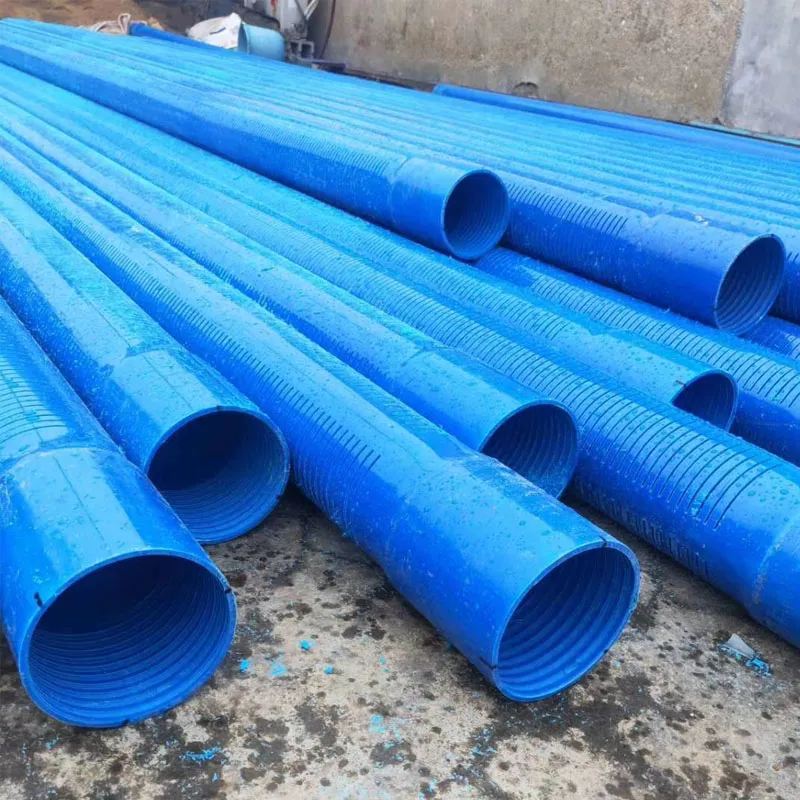
High-Density Polyethylene (HDPE) pipe has become a cornerstone material in modern water supply infrastructure. Its inherent properties – corrosion resistance, flexibility, and durability – position it as a superior alternative to traditional materials like ductile iron, steel, and PVC in a multitude of applications. This guide provides an in-depth technical overview of HDPE pipe for water supply, covering material science, manufacturing processes, performance characteristics, failure modes, and relevant industry standards. A key driver for its adoption is the lifecycle cost benefit; while initial material costs can be comparable to, or slightly higher than, PVC, HDPE’s extended service life and reduced maintenance needs offer substantial long-term savings. The "price list factory" aspect refers to the streamlined manufacturing and direct supply model optimizing cost-efficiency for large-scale projects. This analysis is aimed at procurement managers, engineers, and project stakeholders involved in water distribution system design, construction, and maintenance.
Material Science & Manufacturing
HDPE pipe is manufactured from polyethylene resin, a thermoplastic polymer produced through the polymerization of ethylene. The resin grade employed significantly influences the pipe's mechanical and chemical properties. Typically, HDPE pipes used for water supply conform to PE3408 or PE4710 classifications, signifying minimum requirements for hydrostatic strength and resistance to slow crack growth. Raw material properties are crucial: density (typically 0.93 – 0.97 g/cm³), molecular weight distribution, and the presence of additives (carbon black for UV protection, stabilizers for thermal degradation) directly affect performance.
Manufacturing primarily utilizes extrusion processes. The polyethylene resin is melted and forced through a die, forming a continuous pipe. Critical parameters during extrusion include melt temperature (180-210°C), die pressure, and cooling rate. Proper control of these parameters is vital to achieve uniform wall thickness, minimize residual stress, and prevent defects. Butt fusion, electrofusion, and mechanical joining are the common methods for joining HDPE pipes. Butt fusion involves heating the pipe ends and pressing them together, creating a homogenous weld. Electrofusion utilizes an internally heated sleeve to melt and fuse the pipe and fitting. Proper operator training and adherence to established welding procedures are paramount to ensure joint integrity. Quality control at the factory level includes hydrostatic testing (applying internal pressure to detect leaks and weaknesses) and dimensional inspections to verify compliance with relevant standards.
Performance & Engineering
HDPE pipe exhibits excellent resistance to a wide range of chemicals, making it suitable for transporting potable water without leaching harmful substances. Its flexibility allows for installation in challenging terrains, including areas with seismic activity or unstable soil conditions, minimizing the risk of fracturing. The inherent smoothness of the internal pipe surface reduces friction loss compared to rougher materials, leading to lower pumping costs and increased flow capacity.
Force analysis in HDPE pipe systems focuses on pressure containment and load bearing capacity. Hydrostatic design stress (HDS) calculations, based on the pipe’s dimensions, material strength, and operating pressure, are fundamental to ensuring long-term integrity. Buried pipelines are subjected to external loads from soil overburden, traffic, and potential settlements. Proper bedding and backfill procedures are critical to distribute these loads evenly and prevent pipe deformation or failure. Environmental resistance is also key; HDPE exhibits excellent resistance to UV degradation when carbon black is incorporated into the resin. However, prolonged exposure to direct sunlight can still cause surface oxidation, potentially compromising the material’s long-term durability. Compliance with AWWA standards (American Water Works Association) is mandatory for potable water applications, encompassing material specifications, testing procedures, and installation guidelines. Thermal expansion and contraction are also important engineering considerations. HDPE has a higher coefficient of thermal expansion than steel or PVC, necessitating expansion joints or flexible connections in long pipeline runs to prevent stress buildup.
Technical Specifications
| Parameter | Units | PE3408 | PE4710 |
|---|---|---|---|
| Minimum Required Strength (MRS) | MPa | 8.0 | 10.0 |
| Hydrostatic Design Stress (HDS) | MPa | 5.0 | 6.3 |
| Density | g/cm³ | 0.93 - 0.95 | 0.94 - 0.97 |
| Maximum Operating Pressure (PN10) | Bar | 1.0 | 1.0 |
| Slow Crack Growth Resistance (SCGR) | Hours | 1000 | 5000 |
| Coefficient of Linear Thermal Expansion | mm/m/°C | 0.00019 | 0.00019 |
Failure Mode & Maintenance
Several failure modes can affect HDPE pipe systems. Slow crack growth (SCG), induced by sustained tensile stress and exposure to aggressive chemicals, is a common concern. UV degradation, despite the inclusion of carbon black, can lead to surface cracking and embrittlement over prolonged exposure. Fatigue cracking can occur in areas subjected to cyclic loading, such as near joints or connections. Third-party damage from excavation activities represents a significant risk, often leading to punctures or complete pipe severance.
Preventative maintenance is crucial for ensuring long-term reliability. Regular inspections, using techniques like leak detection surveys and visual assessments, can identify potential problems early on. Proper backfilling procedures and the use of protective markings during excavation are essential to prevent third-party damage. Joint integrity should be periodically checked, particularly in areas prone to settlement or seismic activity. If a leak is detected, the damaged section of pipe should be excavated and replaced using proper fusion techniques. For minor surface scratches or abrasions, HDPE pipe can be repaired using specialized patching compounds. Routine flushing of the pipeline removes sediment and debris, preventing blockage and maintaining water quality. A comprehensive maintenance program, coupled with a thorough understanding of potential failure modes, is vital for maximizing the lifespan of an HDPE water supply system.
Industry FAQ
Q: What is the expected lifespan of an HDPE pipe used for potable water distribution?
A: A properly installed and maintained HDPE pipe system can have a lifespan exceeding 50 years, and in some cases, up to 100 years. This is significantly longer than many traditional materials, such as ductile iron or PVC. The longevity depends on several factors, including soil conditions, operating pressure, water quality, and the quality of installation and maintenance practices.
Q: How does HDPE pipe perform in seismic zones?
A: HDPE pipe's inherent flexibility makes it an excellent choice for seismic zones. It can withstand significant ground movement without fracturing, unlike rigid materials like concrete or ductile iron. The pipe's ability to absorb stress and deformation reduces the risk of leaks and system failures during earthquakes.
Q: What are the advantages of HDPE over PVC in terms of environmental impact?
A: HDPE is a more environmentally friendly option than PVC due to its recyclability and lower chlorine content. PVC production involves the use of chlorine, which can release harmful dioxins during manufacturing and disposal. HDPE can be readily recycled into new products, reducing landfill waste and conserving resources. Furthermore, HDPE's longer lifespan minimizes the need for frequent replacements, reducing the overall environmental footprint.
Q: What welding standards should be followed for HDPE pipe joining?
A: The primary standards for HDPE pipe welding are DVS 3221 (German Welding Society) and AWWA M55 (American Water Works Association). These standards specify procedures for butt fusion, electrofusion, and socket fusion, including operator qualification, welding parameters, and quality control requirements. Adherence to these standards is crucial for ensuring joint integrity and preventing leaks.
Q: How does the "price list factory" model impact the cost of HDPE pipe?
A: The "price list factory" model, typically involving direct manufacturing and sales, streamlines the supply chain, reducing intermediary costs and overhead. This translates to more competitive pricing for customers. Furthermore, economies of scale achieved through large-volume production contribute to lower per-unit costs. Direct communication between the manufacturer and the end-user also facilitates customization and quicker response times.
Conclusion
HDPE pipe represents a significant advancement in water supply infrastructure, offering a compelling combination of durability, flexibility, and cost-effectiveness. Its superior resistance to corrosion, chemical attack, and seismic activity, coupled with its extended service life, makes it a sustainable and reliable solution for potable water distribution. The material science underpinning HDPE's performance, along with precise manufacturing control, ensure consistent quality and long-term integrity.
The adoption of HDPE pipe requires a holistic approach, encompassing proper material selection, meticulous installation practices, and a proactive maintenance program. As municipalities and utilities strive to modernize their infrastructure and address challenges related to aging pipelines, HDPE is poised to play an increasingly important role. Continued research and development efforts are focused on enhancing HDPE’s performance characteristics and expanding its applications in various water management sectors. The "price list factory" model further democratizes access to this superior material, enabling broader implementation and contributing to more resilient and sustainable water supply systems.
-
DN25 HDPE Compression Fitting-HORON INTERNATIONAL|Reliable Irrigation Solutions
NewsFeb.11,2026
-
china hdpe coupling fittings Performance Analysis
News2026-05-10
-
china hdpe pipe use Performance Analysis
News2026-05-10
-
china hdpe water supply pipe Performance Analysis
News2026-05-10
-
china 1.5 inch pvc pipe Performance Analysis
News2026-05-10
-
china hdpe double wall corrugated pipe Performance Analysis
News2026-05-10
-
china 10mm pvc pipe Performance Analysis
News2026-05-09
-
china ppr pipe for cold water Material Performance
News2026-05-09
-
china type of pvc pipe Material and Manufacturing Analysis
News2026-05-09
-
china hdpe pipe sizes Performance Analysis
News2026-05-09
-
china 50mm pvc pipe Performance Analysis
News2026-05-09
-
china water supply lines under kitchen sink Material Science and Manufacturing
News2026-05-08
-
china green pvc pipe Performance Analysis
News2026-05-08
-
china coupler hdpe pipe Performance Analysis
News2026-05-08
-
china ppr pipe 32mm price Performance Analysis
News2026-05-08
-
china ppr piping system Performance Analysis
News2026-05-08