

Feb . 11, 2026 00:01 Back to list
hdpe pipe dimensions manufacturer Performance Analysis
Introduction
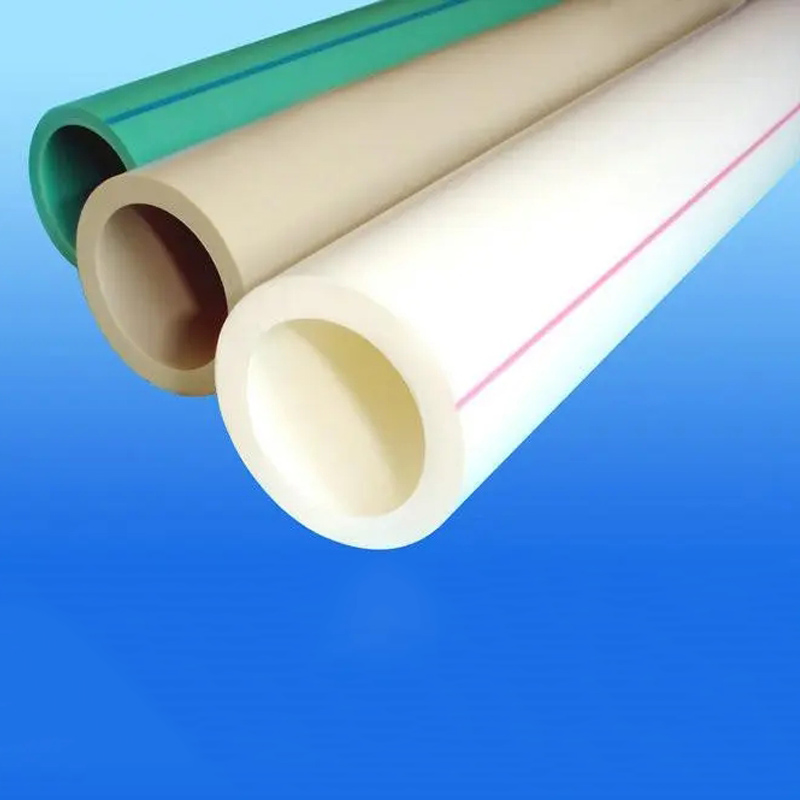
High-Density Polyethylene (HDPE) pipe represents a significant advancement in fluid and gas conveyance systems, offering a robust and cost-effective alternative to traditional materials like steel, ductile iron, and PVC. The manufacturing of HDPE pipe is characterized by precise dimensional control, crucial for ensuring optimal performance and system integrity. This technical guide provides an in-depth examination of HDPE pipe dimensions, covering material science, manufacturing processes, performance engineering, failure modes, and relevant industry standards. HDPE pipe finds application across diverse sectors including water distribution, gas transmission, sewer systems, industrial piping, and agricultural irrigation. A critical pain point in the industry centers around ensuring consistent dimensional accuracy to maintain pressure ratings, minimize joint failures, and comply with increasingly stringent regulatory requirements. This guide aims to provide a comprehensive understanding of these critical factors for engineers, procurement specialists, and operators involved in HDPE piping systems.
Material Science & Manufacturing
HDPE pipe relies on the thermoplastic properties of high-density polyethylene, a polymer derived from the polymerization of ethylene. Raw material properties, including molecular weight distribution, density (typically between 0.931 and 0.965 g/cm³), and melt flow index (MFI), are paramount to the final pipe characteristics. Higher density leads to improved tensile strength and chemical resistance, while MFI dictates processing ease. Manufacturing HDPE pipe predominantly utilizes extrusion processes. The polyethylene resin is fed into an extruder, melted, and forced through a die to form the pipe's shape. Critical process parameters include die temperature (typically 190-210°C), extrusion speed, and cooling rate. Dimensional accuracy is heavily reliant on precise die design and maintaining consistent temperature profiles throughout the extrusion process. Further, the pipe's pressure rating is directly tied to the pipe's wall thickness, which is carefully controlled by the extruder's calibration system. Post-extrusion, pipes undergo dimensional inspection to verify adherence to specified dimensions (OD, ID, wall thickness). Bimodal polyethylene resins, containing both high and low molecular weight fractions, are often preferred due to their enhanced resistance to slow crack growth (SCG), a common failure mode in HDPE pipe exposed to sustained tensile stress. The addition of carbon black is standard practice, providing UV resistance and protecting the polymer from degradation.
Performance & Engineering
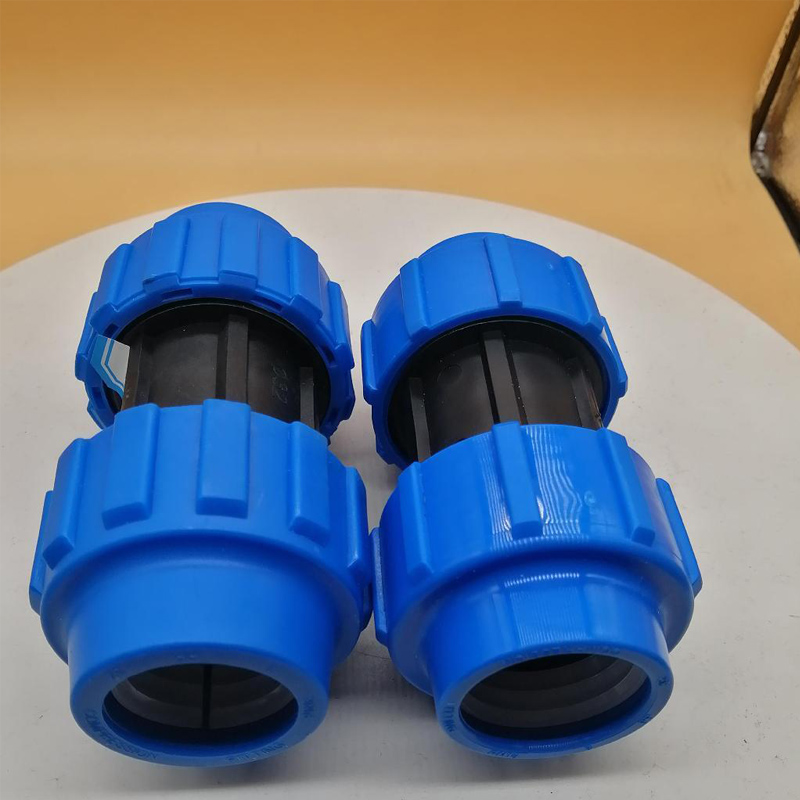
The performance of HDPE pipe is governed by its ability to withstand internal pressure, external loads, and environmental stresses. Hydrostatic design stress (HDS) is a critical engineering parameter, dictated by factors such as material’s minimum yield strength (MY), hydrostatic design basis (HDB), and a design factor. The HDS calculation determines the maximum allowable internal pressure for a given pipe size and wall thickness. External loads, including soil loads and traffic loads, require engineering analysis to ensure the pipe's structural integrity. Burial depth, soil properties, and pipe stiffness are key considerations. HDPE pipe exhibits excellent ductile behavior, meaning it can undergo significant deformation before failure. However, long-term creep, the time-dependent deformation under sustained load, needs to be accounted for in the design. Furthermore, HDPE's coefficient of thermal expansion is significantly higher than that of steel, requiring expansion loops or joints to accommodate thermal movements. Environmental resistance is another crucial aspect. While HDPE is highly resistant to most chemicals, exposure to certain oxidizing agents and hydrocarbons can lead to degradation. Installation practices, particularly proper bedding and backfilling, significantly impact the pipe’s long-term performance. Compliance with relevant standards, such as ASTM D3261 (for polyethylene pipe) and AWWA C906 (for large diameter water mains), is essential to ensure the system’s reliability and safety.
Technical Specifications
| Nominal Pipe Size (NPS) - inches | Schedule Number | Outside Diameter (OD) - inches | Wall Thickness - inches | Pressure Rating (PN) - bar |
|---|---|---|---|---|
| 1/2 | 40 | 0.625 | 0.065 | 12.5 |
| 1 | 40 | 1.050 | 0.083 | 10.0 |
| 2 | 40 | 2.067 | 0.154 | 8.0 |
| 4 | 40 | 4.220 | 0.218 | 6.3 |
| 6 | 40 | 6.625 | 0.280 | 5.0 |
| 8 | 40 | 8.625 | 0.340 | 4.0 |
Failure Mode & Maintenance
HDPE pipe, while durable, is susceptible to several failure modes. Slow Crack Growth (SCG) is a primary concern, initiated by sustained tensile stress, particularly in the presence of aggressive chemicals. This leads to brittle fracture over time. Another common failure mode is Rapid Crack Propagation (RCP), where a small crack rapidly propagates through the pipe wall, often triggered by a transient pressure surge or a sharp impact. Oxidative degradation, caused by exposure to UV radiation and oxidizing agents, weakens the polymer matrix. Joint failures, often stemming from improper fusion welding or inadequate preparation, can lead to leaks. Sagging and deformation can occur due to insufficient support or inadequate pipe stiffness under external loads. Maintenance of HDPE piping systems involves regular visual inspections for cracks, deformations, and leaks. Pressure testing is crucial to verify system integrity. Proper fusion welding procedures, including surface preparation, temperature control, and bead alignment, are paramount during installation and repair. For SCG prevention, utilizing bimodal polyethylene resins and minimizing sustained tensile stress are critical. In areas prone to UV exposure, protecting the pipe with coatings or burial is recommended. Regular cathodic protection may be necessary in certain soil conditions to mitigate corrosion of metallic components in the system. Detailed record-keeping of installation data, material specifications, and inspection results is essential for effective maintenance management.
Industry FAQ
Q: What is the impact of temperature on HDPE pipe dimensions and pressure rating?
A: HDPE experiences significant thermal expansion and contraction with temperature fluctuations. Increased temperature leads to an increase in pipe diameter and a decrease in pressure rating, as wall thickness effectively becomes thinner. Engineers must account for these changes during design, incorporating expansion loops or flexible joints to accommodate thermal movements and ensuring the pressure rating remains adequate at the highest operating temperature.
Q: How does the choice of polyethylene resin (e.g., PE3408, PE4710) affect the long-term performance of HDPE pipe?
A: Different polyethylene resins possess varying molecular weights and densities, influencing their performance characteristics. PE4710, with its higher molecular weight, exhibits improved resistance to SCG and creep compared to PE3408. The resin selection should align with the application's specific requirements, considering factors such as operating pressure, temperature, chemical exposure, and expected service life.
Q: What are the critical considerations for butt fusion welding of HDPE pipe to ensure a leak-proof joint?
A: Proper butt fusion welding requires meticulous attention to detail. Surface preparation is essential, ensuring the pipe ends are clean, dry, and free from contaminants. Precise temperature control during the heating and cooling phases is crucial, as is maintaining consistent welding pressure. Proper bead alignment and the use of calibrated fusion equipment are also vital for creating a strong, leak-proof joint.
Q: How does soil corrosivity impact the longevity of buried HDPE pipe, and what mitigation strategies can be employed?
A: While HDPE is inherently corrosion-resistant, the surrounding soil environment can influence its long-term performance. Highly corrosive soils can accelerate degradation, particularly if stray currents are present. Mitigation strategies include utilizing protective coatings, implementing cathodic protection systems, and ensuring proper bedding and backfilling materials are used to isolate the pipe from the corrosive environment.
Q: What are the key differences between SDR (Standard Dimension Ratio) and PN (Nominal Pressure) ratings for HDPE pipe, and which is preferred for different applications?
A: SDR represents the ratio of the pipe's outside diameter to its wall thickness, while PN denotes the maximum allowable operating pressure in bar. SDR is typically used for smaller diameter pipes, while PN is more common for larger diameters. PN provides a more direct indication of the pipe’s pressure capacity. The choice between SDR and PN depends on the application's specific pressure and diameter requirements, as well as relevant industry standards and regulations.
Conclusion
The successful implementation of HDPE piping systems hinges on a thorough understanding of material science, manufacturing precision, and engineering principles related to dimensional control. Accurate pipe dimensions are not merely a specification, but a fundamental factor influencing the system’s pressure rating, structural integrity, and long-term reliability. Addressing potential failure modes through proper material selection, installation practices, and maintenance procedures is crucial for maximizing the service life and minimizing operational costs.
Moving forward, advancements in polyethylene resin technology, coupled with sophisticated monitoring and diagnostic tools, will further enhance the performance and durability of HDPE pipe. Continued adherence to relevant international standards and best practices will be essential for ensuring the safe and efficient conveyance of fluids and gases across diverse industries. The ongoing evolution of HDPE pipe technology promises to deliver even more sustainable and cost-effective solutions for the challenges of modern infrastructure.
-
DN25 HDPE Compression Fitting-HORON INTERNATIONAL|Reliable Irrigation Solutions
NewsFeb.11,2026
-
china corrugated hdpe pipe fittings Performance Analysis
News2026-05-22
-
china ppr pipe for hot water Performance Analysis
News2026-05-22
-
china ppr Technical Performance Analysis
News2026-05-22
-
china corrugated dual wall pipe Performance Analysis
News2026-05-22
-
china sink inlet pipe Material Performance Analysis
News2026-05-22
-
china 1 2 inch pvc Performance Analysis
News2026-05-21
-
china hdpe pipe joint coupler Performance Analysis
News2026-05-21
-
china ppr pipes and fittings price list Technical Analysis
News2026-05-21
-
china 9 inch pvc pipe price Performance Analysis
News2026-05-21
-
china 2 inch borewell column pipe price Performance Engineering
News2026-05-21
-
china hdpe pipe suppliers Performance Analysis
News2026-05-20
-
china submersible pump column pipe Performance Engineering
News2026-05-20
-
china 8 hdpe corrugated pipe Manufacturing Analysis
News2026-05-20
-
china dual wall hdpe pipe Performance Analysis
News2026-05-20
-
china water lines under sink Performance Analysis
News2026-05-20