

Feb . 11, 2026 00:01 Back to list
hdpe pipe dimensions factory Performance Analysis
Introduction
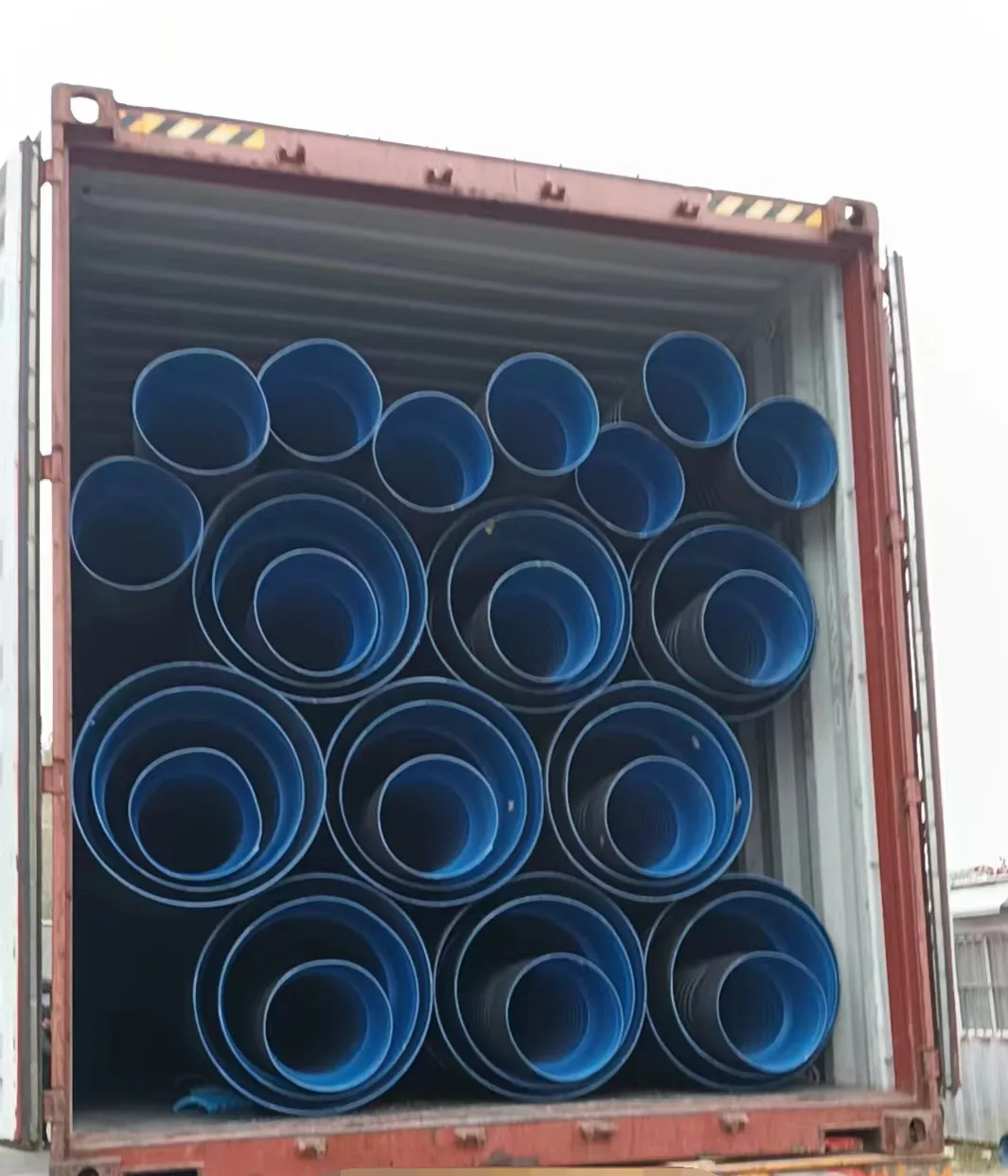
High-Density Polyethylene (HDPE) pipe is a thermoplastic pipe manufactured from polyethylene material. Its prominence in industrial applications stems from a confluence of factors including its corrosion resistance, flexibility, and cost-effectiveness. The ‘HDPE Pipe Dimensions Factory’ designation refers to facilities specializing in the extrusion and fabrication of HDPE pipes according to standardized dimensional specifications. These specifications are critical for ensuring compatibility within piping systems and adherence to industry regulations. HDPE pipe represents a substantial portion of the modern fluid transport infrastructure, finding application in sectors such as water and wastewater management, mining, oil and gas, and irrigation. The core performance characteristics – pressure rating, flow capacity, and long-term durability – are directly linked to precise dimensional control during manufacturing, making the factory’s process control and quality assurance paramount. Understanding the nuances of HDPE pipe dimensions, material grades, and manufacturing processes is crucial for engineers, procurement managers, and operators involved in pipeline design, installation, and maintenance. The industry faces challenges relating to maintaining dimensional consistency across varied production runs, ensuring compliance with evolving standards, and addressing long-term performance in aggressive environmental conditions.
Material Science & Manufacturing
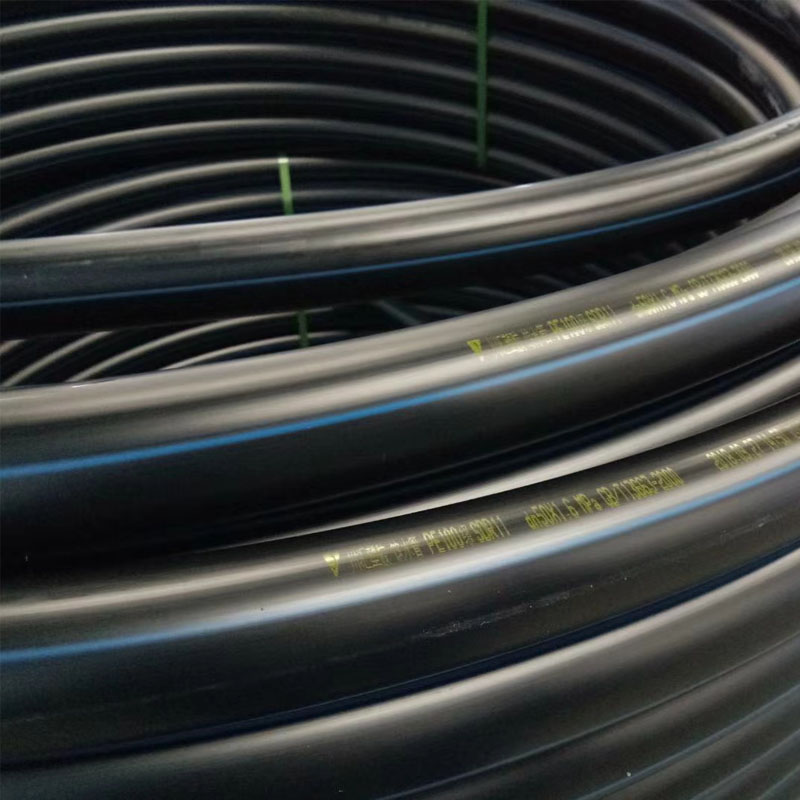
HDPE pipe derives its properties from the polyethylene resin itself, typically a high-density grade categorized by its density (generally between 0.931 and 0.965 g/cm³). The polyethylene resin is produced via the polymerization of ethylene, and varying catalyst systems and processing conditions dictate the molecular weight distribution and degree of branching. These factors fundamentally impact the pipe’s mechanical properties. Raw material selection is paramount; virgin HDPE is preferred for critical applications, while recycled HDPE may be utilized in non-critical areas, but with careful consideration of potential property degradation. Manufacturing commonly employs extrusion processes. The HDPE resin is fed into an extruder, melted, and forced through a die that dictates the pipe’s outer diameter and wall thickness. Parameter control is critical: melt temperature (typically between 180-210°C) impacts viscosity and flow behavior; die pressure affects dimensional accuracy; and cooling rates determine crystallinity and long-term stability. Bimodal HDPE resins, possessing both high-molecular-weight and low-molecular-weight fractions, offer an optimal balance of stiffness and crack resistance, frequently preferred for larger diameter pipes. Post-extrusion processes include sizing (to ensure precise dimensions), cooling (typically in a water bath), and coiling or cutting to specified lengths. Quality control throughout the process involves continuous monitoring of extrusion parameters, dimensional measurements using calibrated instruments, and regular material testing (e.g., hydrostatic pressure testing, impact resistance testing) to verify compliance with standards like ASTM D3350 and ISO 4427.
Performance & Engineering
The performance of HDPE pipes is largely governed by their ability to withstand internal pressure, external loads, and environmental stressors. Force analysis involves calculating hoop stress (σ = P r / t, where P is pressure, r is radius, and t is wall thickness) to ensure the pipe can contain the working fluid without failure. External loads, such as soil overburden and traffic loads, necessitate consideration of the pipe’s buckling resistance, particularly for buried applications. HDPE’s flexibility allows for some degree of ground movement without causing stress concentration. Environmental resistance is critical; HDPE exhibits excellent resistance to most chemicals, but prolonged exposure to strong oxidizers or UV radiation can lead to degradation. UV stabilizers are commonly added to the resin formulation to mitigate UV-induced embrittlement. Compliance requirements vary depending on the application. For potable water systems, pipes must meet NSF/ANSI 61 standards for lead and contaminant leaching. For gas distribution, compliance with DOT regulations (in the US) and equivalent standards in other regions is mandatory. Long-term creep resistance is also a crucial design consideration, particularly for pressurized systems. Creep, the time-dependent deformation under constant load, can lead to dimensional changes and potential failure over time. Hydrostatic stress cracking, induced by sustained internal pressure in the presence of certain chemicals, is another potential failure mode requiring careful material selection and design considerations. Proper jointing techniques (e.g., butt fusion, electrofusion, socket fusion) are essential for maintaining the pipe’s integrity and preventing leaks.
Technical Specifications
| Dimension | Unit | ASTM D3350 Specification | ISO 4427 Specification |
|---|---|---|---|
| Outside Diameter (OD) | mm | 16 - 630 | 16 - 1800 |
| Wall Thickness | mm | 0.5 - 12.7 | 0.5 - 32 |
| Pressure Rating (PN) | Bar | Up to 32 | Up to 32 |
| Standard Dimension Ratio (SDR) | - | SDR 11, SDR 17, SDR 21, SDR 26 | SDR 11, SDR 17, SDR 21, SDR 26 |
| Density | g/cm³ | 0.931 - 0.965 | 0.931 - 0.965 |
| Hydrostatic Design Basis (HDB) | MPa | Variable based on SDR | Variable based on SDR |
Failure Mode & Maintenance
HDPE pipe, while durable, is susceptible to specific failure modes. Slow Crack Growth (SCG) is a common issue, particularly in stressed pipe sections exposed to aggressive chemicals or sustained tensile loads. This involves the slow initiation and propagation of cracks perpendicular to the stress direction. Environmental Stress Cracking (ESC) is similar but occurs more rapidly. Fatigue cracking can occur in applications involving cyclic pressure fluctuations or vibrations. Oxidation, induced by prolonged exposure to high temperatures or oxidizing agents, can lead to embrittlement and cracking. Delamination can occur in multi-layer pipes if bonding between layers is compromised. UV degradation causes surface chalking and loss of mechanical properties. Proper maintenance practices are crucial for extending pipe lifespan. Regular visual inspections should be conducted to identify signs of cracking, deformation, or UV damage. Hydrostatic testing can verify the integrity of the pipe system. Joints are particularly vulnerable and should be inspected for leaks or separation. For buried pipes, corrosion protection measures (e.g., cathodic protection) may be necessary in aggressive soil environments. When repairing HDPE pipe, only compatible welding techniques (butt fusion, electrofusion) should be used. Avoid using adhesives that may compromise the pipe’s chemical resistance. Periodic cleaning to remove internal buildup can prevent flow restrictions and maintain pressure ratings. Proper bedding and backfill materials during installation minimize stress concentrations and protect the pipe from external damage.
Industry FAQ
Q: What is the impact of SDR (Standard Dimension Ratio) on the pressure-bearing capability of HDPE pipe?
A: SDR is the ratio of the pipe’s outside diameter to its wall thickness. A lower SDR indicates a thicker wall and, consequently, a higher pressure rating. Lower SDR pipes are used for higher-pressure applications or when greater mechanical strength is required. Conversely, higher SDR pipes are suitable for lower-pressure applications and offer cost savings due to reduced material usage. Understanding the SDR is critical for selecting the appropriate pipe for a specific application and ensuring it meets the required pressure specifications.
Q: How does the temperature affect the long-term performance of HDPE pipe, particularly concerning creep?
A: Elevated temperatures significantly accelerate creep in HDPE pipe. While HDPE maintains good strength at ambient temperatures, prolonged exposure to higher temperatures reduces its stiffness and increases the rate of creep deformation. This can lead to dimensional changes and, ultimately, failure. Design considerations must account for the maximum operating temperature and the potential for creep over the pipe’s intended service life. Derating factors are often applied to pressure ratings at higher temperatures.
Q: What are the key considerations for joining HDPE pipe, and what are the advantages and disadvantages of different methods?
A: Proper jointing is paramount to maintaining pipe integrity. Butt fusion is the most common method for larger diameter pipes, creating a homogenous weld that matches the pipe's strength. Electrofusion utilizes an electrical heating element for welding, offering precise control but requiring skilled operators. Socket fusion is used for smaller diameter pipes and involves heating both the pipe and fitting before joining. Each method requires specific training and equipment. Improper welding can lead to weak joints prone to failure. Butt fusion is generally preferred for its strength and reliability.
Q: How do different grades of HDPE resin (e.g., PE3408, PE4710) affect the suitability of the pipe for specific applications?
A: HDPE grades are categorized by their minimum required hydrostatic design basis (HDB). PE3408 has a lower HDB and is suitable for lower-pressure applications like irrigation. PE4710 offers a higher HDB and is commonly used for potable water and gas distribution systems requiring greater strength and durability. Selecting the appropriate grade based on the operating pressure, temperature, and chemical exposure is essential for ensuring long-term performance.
Q: What measures can be taken to mitigate the risk of Slow Crack Growth (SCG) in HDPE pipelines?
A: SCG is often initiated by stress concentrations or flaws in the pipe material. Minimizing stress through proper installation practices (e.g., adequate bedding, avoiding sharp bends) is crucial. Selecting HDPE resin grades with high stress crack resistance (SCR) is also important. Avoiding exposure to aggressive chemicals that accelerate SCG is essential. Regular inspections can identify early signs of cracking, allowing for proactive repairs before catastrophic failure occurs.
Conclusion
HDPE pipe dimensions are intrinsically linked to its performance and reliability in diverse industrial applications. A comprehensive understanding of the material science, manufacturing processes, and engineering principles governing its behavior is essential for ensuring optimal design, installation, and operation. Precisely controlled dimensions, coupled with careful material selection and adherence to industry standards, contribute to the long-term durability and cost-effectiveness of HDPE piping systems.
Future trends in HDPE pipe technology will likely focus on the development of advanced resin formulations with enhanced creep resistance and chemical compatibility. Improved manufacturing techniques will aim to further refine dimensional accuracy and consistency. Furthermore, increased emphasis on sustainable practices will drive the utilization of recycled HDPE materials while maintaining stringent quality control measures. Continuous advancements in non-destructive testing methods will also enhance the ability to assess pipeline integrity and predict potential failure modes, ultimately optimizing the lifecycle of HDPE infrastructure.
-
DN25 HDPE Compression Fitting-HORON INTERNATIONAL|Reliable Irrigation Solutions
NewsFeb.11,2026
-
china corrugated hdpe pipe fittings Performance Analysis
News2026-05-22
-
china ppr pipe for hot water Performance Analysis
News2026-05-22
-
china ppr Technical Performance Analysis
News2026-05-22
-
china corrugated dual wall pipe Performance Analysis
News2026-05-22
-
china sink inlet pipe Material Performance Analysis
News2026-05-22
-
china 1 2 inch pvc Performance Analysis
News2026-05-21
-
china hdpe pipe joint coupler Performance Analysis
News2026-05-21
-
china ppr pipes and fittings price list Technical Analysis
News2026-05-21
-
china 9 inch pvc pipe price Performance Analysis
News2026-05-21
-
china 2 inch borewell column pipe price Performance Engineering
News2026-05-21
-
china hdpe pipe suppliers Performance Analysis
News2026-05-20
-
china submersible pump column pipe Performance Engineering
News2026-05-20
-
china 8 hdpe corrugated pipe Manufacturing Analysis
News2026-05-20
-
china dual wall hdpe pipe Performance Analysis
News2026-05-20
-
china water lines under sink Performance Analysis
News2026-05-20