

Feb . 11, 2026 00:01 Back to list
dn500 hdpe double wall corrugated pipe for sewage drain manufacturer Performance Analysis
Introduction
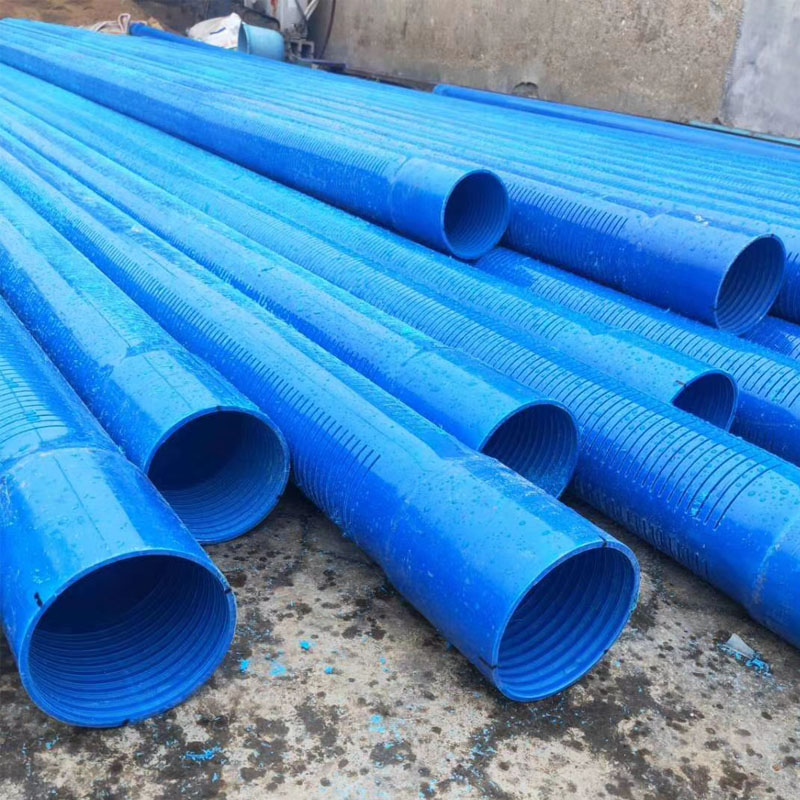
DN500 High-Density Polyethylene (HDPE) double-wall corrugated pipe is a crucial component in modern sewage drainage systems. Positioned downstream from wastewater collection networks, these pipes provide a robust and durable solution for transporting effluent from residential, commercial, and industrial sources to treatment facilities. This guide provides an in-depth technical analysis of these pipes, covering material science, manufacturing processes, performance characteristics, potential failure modes, and relevant industry standards. Core performance characteristics revolve around ring stiffness (resistance to collapse under load), hydraulic capacity, and long-term durability in chemically aggressive environments. A key industry pain point is ensuring consistent wall thickness and proper weld integrity in large-diameter pipes to prevent infiltration and structural failure, alongside mitigating potential issues with joint stability during installation and operation. Furthermore, maintaining compliance with evolving environmental regulations concerning material leachates and recyclability presents a continuous challenge.
Material Science & Manufacturing
The primary material used in DN500 HDPE double-wall corrugated pipes is high-density polyethylene (HDPE), specifically grades conforming to PE100 standards. HDPE is selected for its high strength-to-weight ratio, excellent chemical resistance, and flexibility. Raw material properties impacting performance include Molecular Weight Distribution (MWD), Density (typically 0.95 – 0.98 g/cm³), and Melt Flow Index (MFI). Lower MWD generally correlates with improved impact resistance and environmental stress crack resistance (ESCR). The manufacturing process typically involves extrusion. First, the inner layer is extruded, forming a smooth inner surface to minimize friction and maximize hydraulic flow. Second, the corrugated outer layer is extruded, providing structural rigidity. Finally, the inner and outer layers are combined, often through a co-extrusion process. Critical parameters during extrusion include melt temperature (typically 180-220°C), die pressure, cooling rate, and haul-off speed. Precise control of these parameters is vital to ensure consistent wall thickness and proper corrugation profile. Weld bead integrity, particularly in larger diameter pipes, is crucial and requires meticulous monitoring of welding temperatures, pressures, and cooling times. The corrugated profile geometry (shape and depth of the corrugations) directly influences the pipe’s ring stiffness and its ability to withstand external loads.
Performance & Engineering
Performance assessment of DN500 HDPE corrugated pipe centers around structural integrity and hydraulic efficiency. Force analysis considers vertical loads from soil cover, hydrostatic pressure from groundwater, and live loads from traffic (depending on installation depth). Ring stiffness, measured in psi or kPa, is a primary indicator of the pipe's ability to resist collapse. Hydraulic performance is assessed using Manning's equation, accounting for pipe roughness (HDPE is relatively smooth), diameter, and slope. Environmental resistance is critical, considering potential exposure to hydrogen sulfide (H₂S), sulfates, and other corrosive substances present in sewage. HDPE exhibits excellent chemical resistance to most common sewer constituents, but prolonged exposure to concentrated acids or solvents can lead to degradation. Compliance requirements vary by region, but typically adhere to ASTM F894 and EN 13476 standards, which specify minimum performance criteria for strength, stiffness, and leak tightness. Joint design is a critical engineering aspect. Commonly used jointing methods include socket joints with elastomeric seals or heat-fused joints. Heat-fused joints provide a homogenous connection, maximizing strength and preventing infiltration, but require skilled operators and precise control of fusion parameters.
Technical Specifications
| Parameter | Unit | Typical Value (DN500) | Testing Standard |
|---|---|---|---|
| Nominal Diameter | mm | 500 | ASTM F894 / EN 13476 |
| Ring Stiffness | psi | 68 - 83 | ASTM D2412 |
| Hydraulic Conductivity | m³/s/m | 0.00003 - 0.00005 | Calculated – Manning’s Equation |
| Tensile Strength at Yield | MPa | >8 | ASTM D638 |
| Elongation at Break | % | >300 | ASTM D638 |
| Short-Term Hydrostatic Pressure Test | MPa | 1.25 (24 hrs) | ASTM F894 / EN 13476 |
Failure Mode & Maintenance
Common failure modes in DN500 HDPE corrugated pipe include fatigue cracking (due to repeated loading from traffic or soil settlement), ovalization (deformation of the pipe cross-section), and joint failure (leakage or separation at connections). Environmental stress cracking (ESCR) can occur due to prolonged exposure to certain chemicals or stress concentrations. Oxidation, while less common in HDPE than in other polymers, can lead to embrittlement over extended periods, especially at elevated temperatures. Failure analysis typically involves visual inspection, hydrostatic testing, and material analysis (e.g., Fourier-Transform Infrared Spectroscopy – FTIR – to identify material degradation). Maintenance strategies include regular inspection for cracks or deformations, proper backfilling procedures to ensure uniform load distribution, and prompt repair of any detected damage. For minor cracks, heat welding may be a viable repair option. For significant damage or joint failures, complete pipe replacement is often necessary. Preventative maintenance includes implementing proper installation techniques, avoiding excessive loading during backfilling, and ensuring compatibility of surrounding soil materials with HDPE. Regular CCTV inspection can proactively identify potential issues before they escalate.
Industry FAQ
Q: What is the impact of soil corrosivity on the long-term performance of HDPE corrugated pipe?
A: Soil corrosivity, particularly the presence of sulfates and chlorides, can accelerate degradation of the surrounding soil structure, leading to uneven loading on the pipe. While HDPE itself is chemically resistant, compromised soil support can contribute to ovalization and increased stress, potentially leading to fatigue cracking. Geotechnical investigations are crucial to assess soil corrosivity and implement appropriate backfilling materials and pipe bedding to mitigate these risks.
Q: How does installation depth affect the required ring stiffness of the pipe?
A: Installation depth directly influences the external loads the pipe must withstand. Deeper installations require higher ring stiffness to resist the increased weight of the soil cover and any potential traffic loads. Design calculations should consider the anticipated soil overburden, groundwater table, and expected traffic volume to determine the appropriate ring stiffness class for the specific application.
Q: What are the key considerations for heat fusion welding of HDPE pipes?
A: Key considerations include proper surface preparation (cleaning and removal of contaminants), precise control of welding temperature and pressure, and adequate cooling time. Using calibrated welding equipment and adhering to established welding procedures (e.g., DVS 2208) are essential to ensure a homogenous, leak-tight joint. Operator training and certification are also critical.
Q: How do you address potential issues with joint deflection in larger diameter pipes?
A: Joint deflection can occur due to uneven settlement or ground movement. Implementing flexible joint systems (e.g., rubber gaskets or flexible couplings) can accommodate minor movements without compromising the seal. Proper bedding and compaction of the surrounding soil are also crucial to minimize differential settlement. In some cases, the use of concrete thrust blocks may be necessary to provide additional support.
Q: What are the environmental considerations related to HDPE pipe, particularly regarding recycling and leachate potential?
A: HDPE is recyclable (code #2), and significant efforts are being made to improve recycling infrastructure. However, recycling rates for plastic pipes are currently relatively low. Leachate potential from HDPE is generally minimal, but additives used in the manufacturing process (e.g., stabilizers, pigments) may pose a concern. Selecting pipes with environmentally friendly additives and ensuring proper end-of-life management are important considerations.
Conclusion
DN500 HDPE double-wall corrugated pipe represents a significant advancement in sewage drainage technology, offering a durable, cost-effective, and chemically resistant solution. Its performance is intimately tied to material selection, manufacturing precision, and proper installation practices. Addressing the industry pain points related to weld integrity, joint stability, and environmental sustainability requires continuous innovation in materials, manufacturing processes, and quality control measures.
Future developments are likely to focus on incorporating recycled HDPE content, enhancing pipe stiffness through optimized corrugation profiles, and developing more sophisticated monitoring technologies to detect potential failures before they occur. Continued adherence to rigorous testing standards and a commitment to sustainable practices will be crucial for ensuring the long-term reliability and environmental responsibility of these vital infrastructure components.
-
DN25 HDPE Compression Fitting-HORON INTERNATIONAL|Reliable Irrigation Solutions
NewsFeb.11,2026
-
china 32mm ppr pipe price Performance Analysis
News2026-05-14
-
china hdpe pipe for sale Performance Analysis
News2026-05-14
-
china ppr pipe 32mm Performance Analysis
News2026-05-14
-
china pvc pipes Manufacturing and Performance Analysis
News2026-05-14
-
china hdpe n 12 corrugated dual wall pipe Performance Analysis
News2026-05-14
-
china hdpe corrugated pipe sizes Performance Analysis
News2026-05-13
-
china ppr pipe for hot and cold water Technical Overview
News2026-05-13
-
china 150mm pvc pipe Performance Analysis
News2026-05-13
-
china 60mm pvc pipe Performance Analysis
News2026-05-13
-
china 12 inch diameter pvc pipe Performance Analysis
News2026-05-13
-
china sprinkler pvc pipe Performance and Engineering
News2026-05-12
-
china ppr pipe 3 4 Performance Analysis
News2026-05-12
-
china hdpe sprinkler pipe Performance Analysis
News2026-05-12
-
china hdpe irrigation pipe fittings Performance Analysis
News2026-05-12
-
china whole sale pvc pipe Performance Analysis
News2026-05-12