

Feb . 11, 2026 00:01 Back to list
9 inch pvc pipe price manufacturer Performance Analysis
Introduction
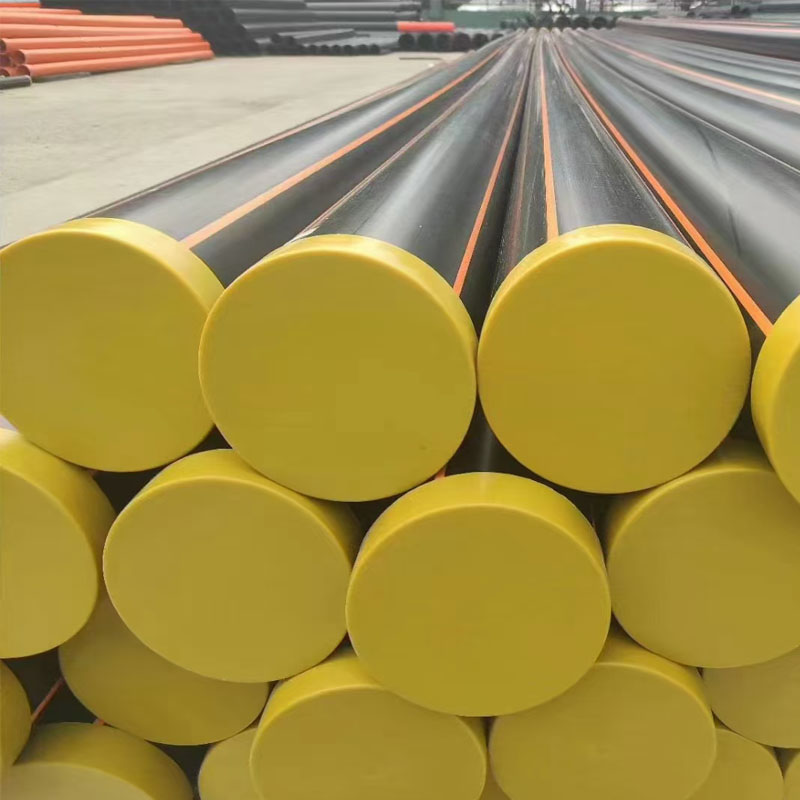
Nine-inch Polyvinyl Chloride (PVC) pipe represents a crucial component in numerous infrastructure projects, ranging from municipal water distribution and irrigation systems to industrial fluid transport and drainage applications. As a thermoplastic polymer, PVC offers a compelling balance of cost-effectiveness, durability, and chemical resistance, making it a preferred material over traditional alternatives like ductile iron or concrete in many scenarios. This technical guide provides a comprehensive overview of 9-inch PVC pipe, encompassing its material science, manufacturing processes, performance characteristics, potential failure modes, and relevant industry standards. The market for PVC pipe is heavily influenced by construction activity, population growth, and the need for efficient and reliable water management solutions, making accurate understanding of the material’s properties and long-term performance critical for informed procurement and engineering decisions. The pricing of 9-inch PVC pipe is directly correlated with the fluctuating costs of raw materials (primarily ethylene and chlorine), energy expenses, and prevailing market demand. A thorough evaluation of these factors, alongside a detailed understanding of pipe specifications, is essential for optimizing project budgets and ensuring system longevity.
Material Science & Manufacturing
The primary raw material for 9-inch PVC pipe is Polyvinyl Chloride, a synthetic plastic polymer created through the polymerization of vinyl chloride monomer (VCM). VCM itself is derived from ethylene (obtained from crude oil or natural gas) and chlorine (typically produced through the electrolysis of brine). The resulting PVC resin exists as a white, brittle powder. To enhance its processability and mechanical properties, various additives are incorporated, including plasticizers (like phthalates or alternatives), stabilizers (to prevent degradation from heat and UV exposure), lubricants (to aid in extrusion), and impact modifiers (to improve toughness). The specific formulation varies depending on the intended application and required performance characteristics.
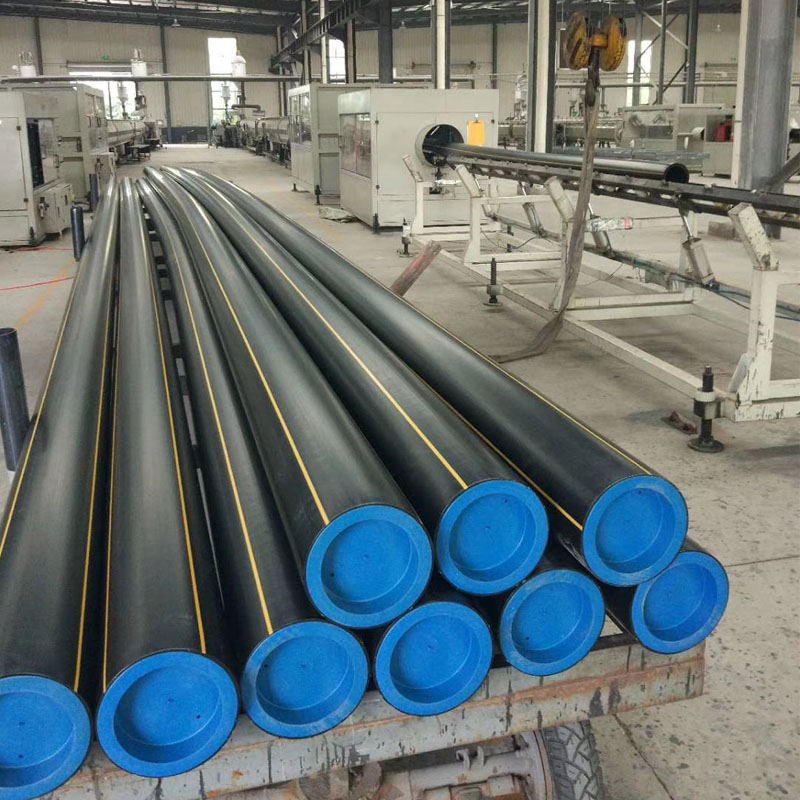
Manufacturing 9-inch PVC pipe primarily employs the extrusion process. PVC resin, along with additives, is fed into a hopper and advanced into an extruder. Within the extruder, the material is heated, melted, and homogenized under pressure. A screw conveyor propels the molten PVC through a die, shaping it into a continuous pipe profile. The extruded pipe is then cooled, typically using a water bath, to solidify the plastic. Subsequent steps include cutting the pipe to specified lengths, bell-end forming (creating a socket for joining), and quality control inspections. Critical parameters during extrusion include maintaining precise temperature control to prevent degradation, ensuring consistent screw speed and pressure to achieve uniform wall thickness, and adhering to strict dimensional tolerances. Wall thickness is a key factor influencing pressure rating and structural integrity. Variations in material composition and extrusion parameters can significantly impact the pipe’s long-term performance, particularly its resistance to creep and environmental stress cracking.
Performance & Engineering
The performance of 9-inch PVC pipe is governed by several key engineering principles. Hydrostatic pressure resistance, determined through burst and sustained pressure testing (ASTM D1501), is paramount for water distribution and industrial applications. This resistance is directly related to the pipe’s wall thickness, material composition, and manufacturing quality. The pipe’s ability to withstand internal pressure is also affected by temperature; higher temperatures generally reduce pressure rating.
Soil loading is another critical consideration, especially for buried pipelines. The pipe must be able to support the weight of the surrounding soil and any superimposed loads (traffic, structures). This is assessed through load-bearing capacity tests and design calculations, accounting for factors like soil type, burial depth, and pipe stiffness. PVC pipe exhibits relatively low modulus of elasticity, meaning it deforms more readily under load compared to materials like ductile iron. This deformation, while not necessarily catastrophic, can lead to ovalation (pipe becoming elliptical) and potential joint leakage. Furthermore, PVC's susceptibility to creep (slow deformation under sustained stress) must be considered in long-term design. Environmental resistance, particularly to UV exposure and chemical attack, is also vital. PVC can degrade upon prolonged UV exposure, becoming brittle. Stabilizers are added to mitigate this effect, but it remains a concern for above-ground applications. The chemical compatibility of PVC with the conveyed fluid is also essential; certain solvents and aggressive chemicals can cause swelling, softening, or cracking.
Technical Specifications
| Parameter | Typical Value (Schedule 40) | Typical Value (Schedule 80) | Testing Standard |
|---|---|---|---|
| Nominal Pipe Size | 9 inches (228.6 mm) | 9 inches (228.6 mm) | ASTM D1785 |
| Outside Diameter | 9.625 inches (244.5 mm) | 9.625 inches (244.5 mm) | ASTM D1785 |
| Wall Thickness | 0.25 inches (6.35 mm) | 0.375 inches (9.53 mm) | ASTM D1785 |
| Pressure Rating (at 73°F) | 200 psi | 350 psi | ASTM D1501 |
| Burst Pressure | 800 psi | 1400 psi | ASTM D1501 |
| Modulus of Elasticity | 415,000 psi | 415,000 psi | ASTM D1785 |
Failure Mode & Maintenance
9-inch PVC pipe, despite its durability, is susceptible to several failure modes. Cracking, particularly stress cracking and environmental stress cracking (ESC), can occur due to sustained tensile stress combined with exposure to aggressive chemicals or solvents. ESC is often initiated at stress concentrators, such as notches or weld seams. Fatigue cracking can develop under cyclic loading, such as from traffic vibrations or fluctuating water pressure. Joint failures are common, resulting from improper installation, gasket degradation, or soil movement. Degradation from prolonged UV exposure leads to embrittlement and cracking, especially in above-ground applications.
Maintenance strategies focus on preventative measures and early detection of potential problems. Regular visual inspections can identify cracks, leaks, or signs of degradation. Pressure testing can confirm the integrity of the pipeline and detect leaks. Proper joint installation is crucial; following manufacturer’s instructions and using appropriate lubricants is essential. Backfilling procedures should minimize stress on the pipe and provide adequate support. For above-ground applications, protective coatings or shielding can mitigate UV degradation. In cases of minor cracking, repair sleeves or wraps can provide temporary reinforcement. However, significant damage typically requires pipe replacement. Regular monitoring of water quality and ensuring compatibility with the PVC material can also prevent chemical attack and extend the pipe’s service life.
Industry FAQ
Q: What is the impact of temperature on the pressure rating of 9-inch PVC pipe?
A: The pressure rating of 9-inch PVC pipe decreases as temperature increases. PVC loses strength and stiffness at elevated temperatures. Pressure derating factors, specified by ASTM D1501, must be applied to account for temperature effects. For instance, the listed pressure rating is typically at 73°F (23°C). Operating at higher temperatures requires a reduction in allowable working pressure to prevent failure.
Q: How does soil corrosivity affect the long-term performance of buried PVC pipe?
A: While PVC is inherently corrosion-resistant, corrosive soils can indirectly impact its performance. Aggressive soils can accelerate the degradation of surrounding materials, potentially leading to settlement and stress on the pipe. Furthermore, certain soil chemistries can promote environmental stress cracking. Proper bedding and backfilling with non-corrosive materials are crucial mitigation strategies.
Q: What are the key differences between Schedule 40 and Schedule 80 PVC pipe?
A: Schedule 40 and Schedule 80 refer to the pipe wall thickness. Schedule 80 has a thicker wall than Schedule 40. This thicker wall results in a higher pressure rating and greater structural strength, but also a higher cost. Schedule 40 is typically used for lower-pressure applications, while Schedule 80 is preferred for higher-pressure or more demanding environments.
Q: What precautions should be taken during the installation of 9-inch PVC pipe to prevent joint failures?
A: Proper joint installation is critical. Ensure the bell and spigot are clean and free of debris. Use an appropriate PVC primer and solvent cement, following the manufacturer's instructions carefully. Apply the cement evenly and ensure complete coverage. Allow sufficient curing time before pressurizing the line. Avoid excessive force during assembly, which can damage the gasket or distort the joint.
Q: Can PVC pipe be used in applications involving potable water, and what certifications are required?
A: Yes, PVC pipe is commonly used for potable water distribution. However, the PVC formulation must meet specific requirements to ensure it doesn't leach harmful chemicals into the water. NSF/ANSI 61 certification verifies that the pipe is safe for contact with drinking water. Compliance with local plumbing codes and regulations is also essential.
Conclusion
Nine-inch PVC pipe remains a widely utilized and cost-effective solution for numerous piping applications. Its inherent properties – chemical resistance, lightweight nature, and ease of installation – contribute to its continued popularity. However, understanding the material’s limitations, particularly regarding temperature sensitivity, susceptibility to stress cracking, and the importance of proper installation, is paramount for ensuring long-term reliability and preventing premature failures. A thorough assessment of application requirements, careful material selection, and adherence to industry standards are essential for maximizing the service life and minimizing the lifecycle costs associated with 9-inch PVC pipe systems.
Looking ahead, advancements in PVC formulations, such as the development of more robust impact modifiers and UV stabilizers, are expected to further enhance the material’s performance. Furthermore, the increasing focus on sustainability and circular economy principles is driving research into PVC recycling and the development of bio-based PVC alternatives. Continued innovation and a commitment to best practices will solidify PVC’s position as a vital material in infrastructure development for years to come.
-
DN25 HDPE Compression Fitting-HORON INTERNATIONAL|Reliable Irrigation Solutions
NewsFeb.11,2026
-
china hdpe pipe for drip irrigation Performance Analysis
News2026-05-04
-
china hdpe pipe for agriculture Performance Analysis
News2026-05-04
-
china hdpe sprinkler pipe price Performance Analysis
News2026-05-04
-
china 2 ppr pipe Performance Analysis
News2026-05-04
-
china pvc pipe price per foot Performance Analysis
News2026-05-04
-
china long pvc pipe Performance Analysis
News2026-05-03
-
china plumbing kitchen sink water lines Performance Analysis
News2026-05-03
-
china hdpe drip irrigation Performance Analysis
News2026-05-03
-
china hot water ppr pipe Performance Analysis
News2026-05-03
-
china ppr plumbing Technical Analysis
News2026-05-03
-
china ppr pipe supplier Manufacturing Analysis
News2026-05-02
-
china 50mm ppr pipe Technical Analysis
News2026-05-02
-
china hdpe drip pipe Performance Analysis
News2026-05-02
-
china hdpe pipe 63mm price Performance Analysis
News2026-05-02
-
china hdpe pipe for potable water Performance Engineering
News2026-05-02