

Feb . 11, 2026 00:01 Back to list
2 inch upvc column pipe price service Performance Analysis
Introduction
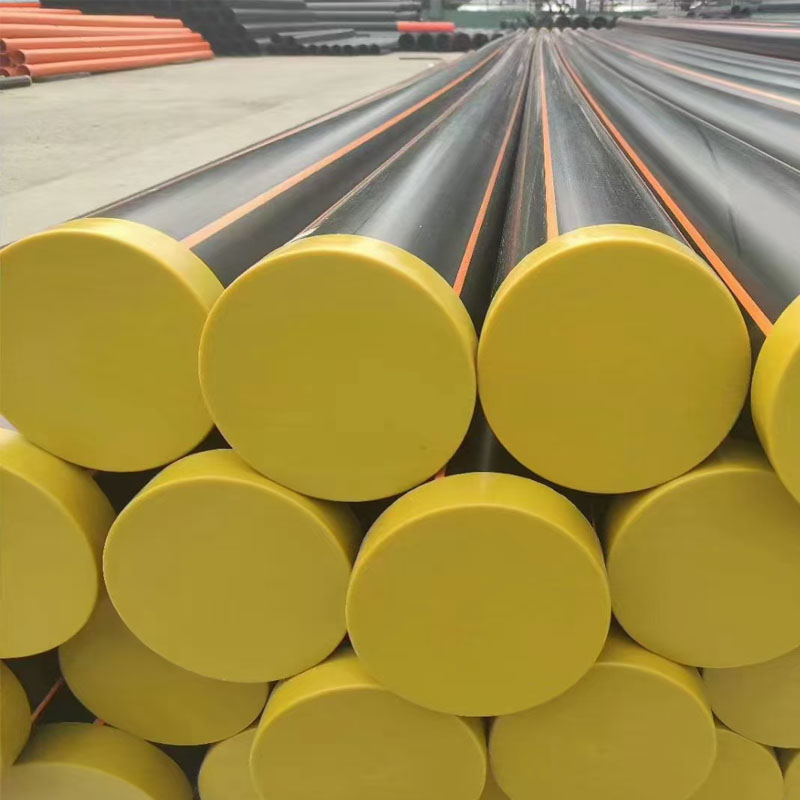
Polyvinyl chloride (PVC) column pipes, specifically those with a 2-inch diameter, represent a crucial component in various fluid handling systems. These pipes are predominantly used in applications ranging from water supply and drainage in agricultural settings to supporting structures in hydroponics and aquaculture, and increasingly, as conduit for electrical wiring where code allows. The ‘price service’ aspect refers not merely to the cost of the pipe itself, but also encompasses factors like logistical support, custom cutting and threading, and adherence to relevant industry standards. Within the industrial chain, 2-inch UPVC column pipes occupy a mid-stream position, converting petrochemical feedstocks into a semi-finished product requiring further fabrication by the end-user. Core performance characteristics are dictated by pressure rating, tensile strength, impact resistance, and chemical inertness, all of which directly impact the longevity and reliability of the installed system. A primary industry pain point is inconsistent quality control amongst manufacturers, leading to premature failure and costly replacements. Understanding the nuances of material composition, manufacturing processes, and operational limitations is paramount to successful implementation and cost-effective lifecycle management.
Material Science & Manufacturing
The foundation of 2-inch UPVC column pipes lies in the polymerization of vinyl chloride monomer (VCM). Raw materials include ethylene and chlorine, synthesized into VCM and subsequently converted to PVC resin. Key additives are crucial: stabilizers (typically based on tin or calcium-zinc formulations) prevent thermal degradation during processing, lubricants (stearates) facilitate extrusion, and impact modifiers (acrylics) enhance toughness. The manufacturing process typically involves extrusion. PVC resin, along with the aforementioned additives, is fed into a single-screw or twin-screw extruder. The material is heated and plastified, then forced through a die to create a continuous pipe profile. Critical parameters during extrusion include barrel temperature (maintained within a specific range to avoid degradation or incomplete fusion), screw speed (affecting throughput and melt homogeneity), and die temperature (influencing surface finish and dimensional accuracy). Following extrusion, pipes undergo cooling (water bath cooling is common), sizing (to ensure consistent diameter), cutting to length, and quality inspection. The degree of polymerization directly influences the pipe's molecular weight and, consequently, its physical properties. Higher molecular weight PVC generally exhibits improved tensile strength and impact resistance but can be more challenging to process. Chemical compatibility of additives with the PVC resin is vital; incompatible additives can cause phase separation, compromising pipe performance.
Performance & Engineering
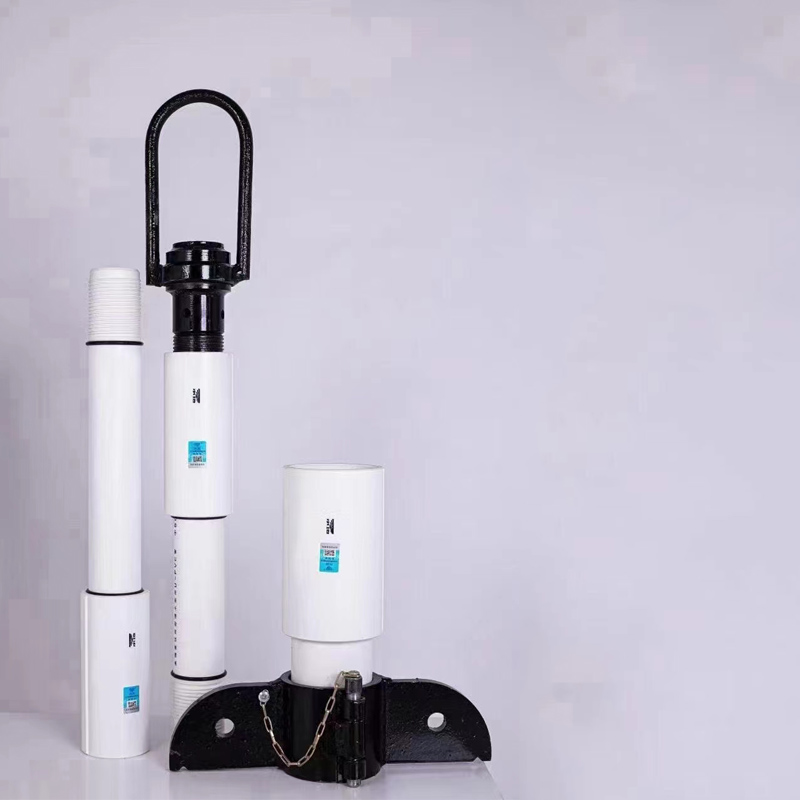
The performance of 2-inch UPVC column pipes is governed by several engineering principles. Hydrostatic pressure testing, conforming to standards like ASTM D1785, is critical to verify the pipe's ability to withstand internal fluid pressure. Force analysis, considering both longitudinal and radial stresses, is essential for designing support structures. The Young’s modulus of PVC (approximately 3-4 GPa) dictates its stiffness and resistance to deflection under load. Environmental resistance is a significant factor. UPVC exhibits excellent resistance to many acids and alkalis but can be susceptible to degradation from prolonged exposure to UV radiation and certain organic solvents. Therefore, UV stabilizers are often incorporated into the formulation. Compliance requirements vary by region and application. For potable water systems, the pipe must meet NSF/ANSI Standard 61 for lead content and extractable chemicals. For electrical conduit applications, adherence to NEC (National Electrical Code) standards is mandatory, specifically regarding flame retardancy and impact resistance. Thermal expansion and contraction are also crucial considerations; UPVC has a relatively high coefficient of thermal expansion, necessitating expansion joints in long pipeline runs to prevent stress cracking. Finite element analysis (FEA) can be employed to model complex loading scenarios and optimize pipe design for specific applications.
Technical Specifications
| Parameter | Unit | Specification (Typical) | Test Standard |
|---|---|---|---|
| Nominal Diameter | inch | 2 | ASTM D1785 |
| Schedule | - | 40 | ASTM D1785 |
| Pressure Rating | psi | 400 | ASTM D1785 |
| Tensile Strength | MPa | 62-75 | ASTM D638 |
| Impact Strength (Izod Notched) | J/m | 500-800 | ASTM D256 |
| Water Absorption (24 hrs) | % | < 0.5 | ASTM D570 |
Failure Mode & Maintenance
Failure modes in 2-inch UPVC column pipes can be categorized into several types. Stress cracking, particularly in the presence of residual stresses from manufacturing or improper installation, is a common issue. This is exacerbated by prolonged exposure to corrosive chemicals or UV radiation. Impact damage, resulting from accidental strikes or dropped objects, can lead to cracking or complete fracture. Fatigue cracking can occur in applications involving cyclical loading (e.g., pulsating flow). Thermal expansion and contraction can induce stresses, leading to joint failure or pipe deformation. Degradation due to UV exposure results in surface chalking and embrittlement. Maintenance practices are crucial for mitigating these risks. Regular visual inspections should be conducted to identify cracks, deformation, or signs of UV degradation. Properly supporting the pipe at appropriate intervals prevents excessive stress. Using appropriate jointing compounds and techniques (solvent welding is common) ensures a watertight and structurally sound connection. Protecting the pipe from direct sunlight through painting or covering can extend its service life. For systems handling corrosive fluids, regular flushing and chemical compatibility checks are recommended. Leak detection and prompt repair are essential to prevent further damage and maintain system efficiency.
Industry FAQ
Q: What is the impact of water hammer on the lifespan of a 2-inch UPVC column pipe?
A: Water hammer, the pressure surge caused by sudden changes in flow velocity, can significantly reduce the lifespan of a UPVC pipe. The repeated stress cycles can lead to fatigue cracking, particularly at joints. Mitigation strategies include installing air chambers or surge suppressors to dampen the pressure waves, and ensuring proper pipe anchoring to absorb shock loads. Selection of a pipe schedule with a higher pressure rating can also improve resilience.
Q: How does temperature affect the performance of UPVC column pipes, and what are the recommended operating temperature limits?
A: UPVC becomes more brittle at lower temperatures and loses strength at higher temperatures. The recommended operating temperature range is typically between 0°C and 60°C (32°F and 140°F). Exposure to temperatures outside this range can lead to premature failure. Furthermore, thermal expansion and contraction must be accounted for during installation to prevent stress buildup.
Q: What are the key differences between Schedule 40 and Schedule 80 UPVC pipes, and when would you choose one over the other?
A: Schedule 40 and Schedule 80 refer to the pipe wall thickness. Schedule 80 pipes have a thicker wall, providing higher pressure rating and greater impact resistance. Schedule 40 is suitable for lower-pressure applications with minimal mechanical stress. Schedule 80 is preferred for high-pressure systems, exposed installations, or where robust mechanical protection is required. The cost of Schedule 80 is generally higher.
Q: What is the best method for joining 2-inch UPVC column pipes, and what are the common pitfalls to avoid?
A: Solvent welding (using a PVC primer and cement) is the most common and reliable method for joining UPVC pipes. Proper surface preparation (cleaning and drying) is crucial. Applying the primer and cement correctly, ensuring complete coverage and sufficient dwell time, is essential for a strong, watertight joint. Common pitfalls include using incompatible primers or cements, insufficient application, and attempting to join pipes in wet or cold conditions.
Q: How does UV exposure impact the long-term durability of UPVC pipes, and what preventative measures can be taken?
A: Prolonged UV exposure causes photodegradation of the PVC polymer, leading to surface chalking, embrittlement, and reduced mechanical strength. Preventative measures include painting the pipes with a UV-resistant coating, using UV-stabilized PVC formulations, or shielding the pipes from direct sunlight using opaque coverings. Regular inspection for signs of UV degradation is also recommended.
Conclusion
2-inch UPVC column pipes represent a versatile and cost-effective solution for a diverse range of fluid handling applications. Their performance is intrinsically linked to the material science underpinning their construction and the precision of the manufacturing processes employed. Understanding the interplay between pressure rating, tensile strength, environmental resistance, and adherence to industry standards is critical for ensuring long-term reliability and minimizing the risk of premature failure.
Looking forward, advancements in PVC formulations, incorporating enhanced UV stabilizers and impact modifiers, will continue to improve the durability and lifespan of these pipes. Furthermore, the increasing adoption of non-destructive testing (NDT) techniques, such as ultrasonic testing, will enable more comprehensive quality control and proactive identification of potential defects. Careful consideration of installation practices and preventative maintenance will remain essential for maximizing the return on investment in this widely utilized industrial component.
-
DN25 HDPE Compression Fitting-HORON INTERNATIONAL|Reliable Irrigation Solutions
NewsFeb.11,2026
-
china corrugated hdpe pipe fittings Performance Analysis
News2026-05-22
-
china ppr pipe for hot water Performance Analysis
News2026-05-22
-
china ppr Technical Performance Analysis
News2026-05-22
-
china corrugated dual wall pipe Performance Analysis
News2026-05-22
-
china sink inlet pipe Material Performance Analysis
News2026-05-22
-
china 1 2 inch pvc Performance Analysis
News2026-05-21
-
china hdpe pipe joint coupler Performance Analysis
News2026-05-21
-
china ppr pipes and fittings price list Technical Analysis
News2026-05-21
-
china 9 inch pvc pipe price Performance Analysis
News2026-05-21
-
china 2 inch borewell column pipe price Performance Engineering
News2026-05-21
-
china hdpe pipe suppliers Performance Analysis
News2026-05-20
-
china submersible pump column pipe Performance Engineering
News2026-05-20
-
china 8 hdpe corrugated pipe Manufacturing Analysis
News2026-05-20
-
china dual wall hdpe pipe Performance Analysis
News2026-05-20
-
china water lines under sink Performance Analysis
News2026-05-20