

Feb . 11, 2026 00:01 Back to list
2 inch upvc column pipe price products Performance Analysis
Introduction
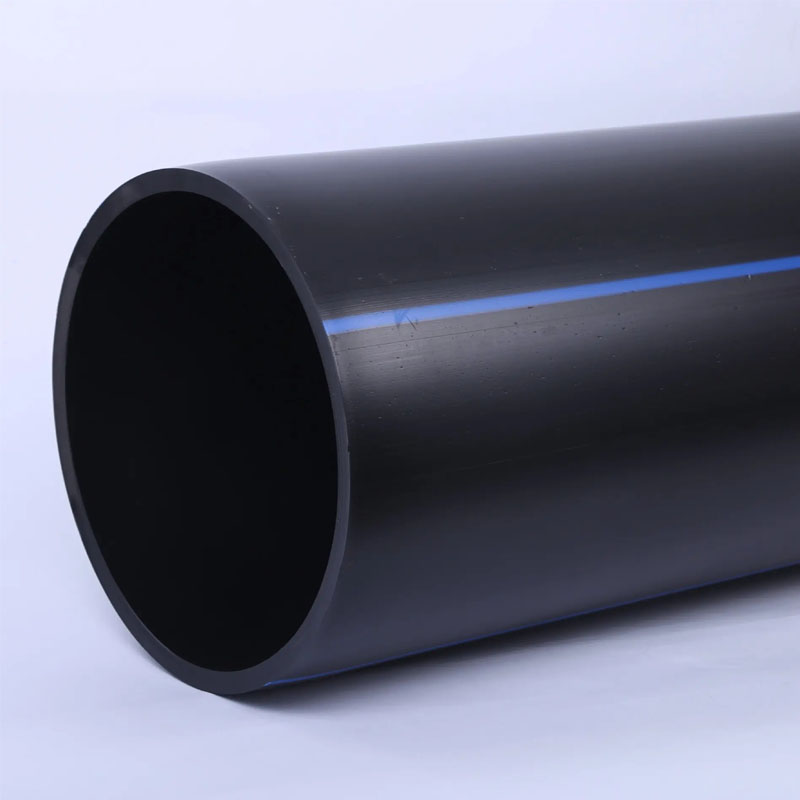
2-inch Unplasticized Polyvinyl Chloride (uPVC) column pipes represent a critical component in a broad range of fluid handling systems, primarily for drainage, ventilation, and cold water applications. Positioned within the building and civil engineering supply chain, these pipes offer a cost-effective and durable alternative to traditional materials like cast iron or galvanized steel. Their primary function is to provide structural support for vertical drainage stacks while efficiently conveying fluids. Core performance characteristics center around pressure resistance, flow capacity, chemical inertness, and ease of installation. The “price” aspect is heavily influenced by material grade, manufacturing standards compliance, and regional market dynamics, making a detailed understanding of material properties and engineering specifications vital for informed procurement decisions. This guide provides a comprehensive technical overview of 2-inch uPVC column pipes, addressing material science, manufacturing processes, performance considerations, failure modes, and relevant industry standards.
Material Science & Manufacturing
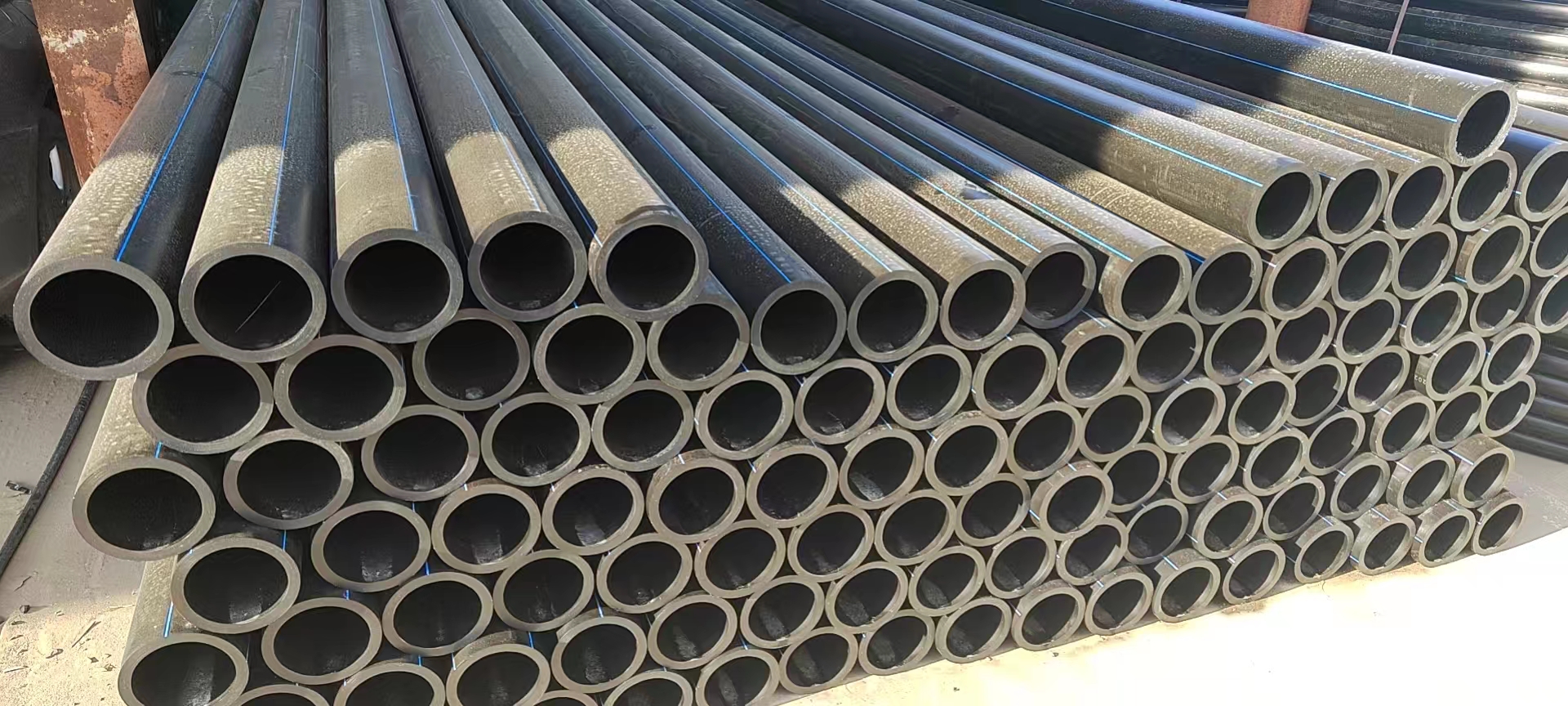
The foundation of 2-inch uPVC column pipes lies in the inherent properties of PVC resin, typically sourced from vinyl chloride monomer (VCM). The resin itself is a thermoplastic polymer characterized by its amorphous structure and lack of inherent flexibility. To enhance its suitability for column pipe applications, a range of additives are incorporated during the compounding process. These include stabilizers (typically lead-based, calcium-zinc, or organic-based formulations) to prevent thermal degradation during processing and prolonged UV exposure; lubricants to facilitate extrusion and reduce friction; impact modifiers (such as chlorinated polyethylene or acrylic polymers) to improve toughness and resistance to cracking; and processing aids to enhance melt flow. The resulting PVC compound is then processed through extrusion. This involves feeding the compound into a heated barrel where it melts and is forced through a die. Key parameters during extrusion include barrel temperature profile (typically 180-220°C), screw speed (optimized for uniform melting and output rate), die geometry (dictating pipe diameter and wall thickness), and cooling rate (critical for achieving dimensional stability). Following extrusion, pipes undergo cutting to length, bell-end forming (if required for socket connections), and quality control inspection. Wall thickness is a crucial parameter, directly impacting the pipe’s load-bearing capacity and resistance to collapse. Typically, 2-inch uPVC column pipes are manufactured with wall thicknesses ranging from 2.0mm to 4.0mm, dictated by the intended application and relevant standards. The impact of moisture content in the PVC compound must also be monitored closely, as excessive moisture can lead to void formation and compromised mechanical properties.
Performance & Engineering
The performance of 2-inch uPVC column pipes is governed by several engineering principles. Firstly, hydrostatic pressure resistance is paramount. Pipes are subjected to internal pressure from the fluid they convey and external pressure from soil or surrounding structures. This pressure induces hoop stress within the pipe wall, which must be adequately withstood. Calculations based on Barlow’s formula (S = (PD)/(2t), where S = hoop stress, P = internal pressure, D = pipe diameter, and t = wall thickness) are used to determine the required wall thickness for a given operating pressure. Secondly, structural stability is critical for vertical column applications. Pipes must resist buckling under axial load, particularly when subjected to wind loads or the weight of the fluid column above. Finite element analysis (FEA) is frequently employed to model the pipe’s structural behavior and optimize its design. Thirdly, the chemical resistance of uPVC is a significant advantage. It’s largely inert to acids, alkalis, and salts commonly found in wastewater, minimizing corrosion concerns. However, prolonged exposure to certain solvents or hydrocarbons can cause swelling and degradation. Furthermore, thermal expansion and contraction must be accounted for in system design. uPVC has a relatively high coefficient of thermal expansion (approximately 8 x 10^-5 /°C), which can induce stresses at joints and connections. Expansion loops or flexible couplings are often incorporated to accommodate these movements. Compliance with local building codes and plumbing standards is essential, dictating permissible pressure ratings, installation procedures, and material specifications.
Technical Specifications
| Parameter | Units | Typical Value (Range) | Test Standard |
|---|---|---|---|
| Nominal Diameter | inches | 2 | ASTM D1785 |
| Outside Diameter | mm | 63.5 | ASTM D1785 |
| Wall Thickness | mm | 2.0 – 4.0 | ASTM D1785 |
| Pressure Rating | psi | 100 – 200 | ASTM D1785 |
| Tensile Strength | MPa | 60 – 70 | ASTM D638 |
| Impact Strength (Izod Notched) | J/m | 400 – 600 | ASTM D256 |
| Vicat Softening Point | °C | 80 – 85 | ASTM D1525 |
Failure Mode & Maintenance
2-inch uPVC column pipes, while durable, are susceptible to several failure modes. One common issue is environmental stress cracking (ESC), induced by the combined action of sustained tensile stress and exposure to aggressive chemicals or solvents. This manifests as brittle cracking, often originating at stress concentration points like fittings or pipe ends. Another prevalent failure mode is UV degradation, particularly in outdoor applications. Prolonged exposure to ultraviolet radiation causes the polymer chains to break down, leading to embrittlement and discoloration. Mechanical damage, such as impact from falling objects or accidental drilling, can also cause cracks or punctures. Furthermore, improper installation, including inadequate support or excessive bending radius, can lead to stress concentrations and premature failure. Blockages due to sediment buildup or debris accumulation can increase internal pressure, potentially causing pipe rupture. Maintenance typically involves regular visual inspections to identify signs of damage or degradation. Cleaning to remove blockages is crucial. For minor cracks, repair kits using uPVC adhesive and patching compounds can be employed, but these are generally temporary solutions. For significant damage or widespread degradation, pipe replacement is recommended. Preventative measures include proper UV protection (e.g., painting or using UV-stabilized compounds), adequate support structures, and adherence to correct installation procedures. Periodic testing of pipe sections can also identify potential weaknesses before they lead to catastrophic failure.
Industry FAQ
Q: What is the impact of water hammer on uPVC column pipes, and how can it be mitigated?
A: Water hammer, the pressure surge resulting from sudden valve closure or pump stoppage, can cause significant stress on uPVC pipes. uPVC’s relatively lower elasticity compared to metallic pipes makes it more vulnerable to cracking. Mitigation strategies include the use of surge suppressors (air chambers or pressure relief valves), slow-closing valves, and properly sized pipe diameters to minimize fluid velocity. Additionally, ensuring adequate pipe support and avoiding sharp bends can reduce stress concentration points.
Q: How does temperature affect the long-term performance of uPVC column pipes?
A: Elevated temperatures can reduce the strength and stiffness of uPVC, increasing the risk of creep and deformation. Prolonged exposure to temperatures exceeding 60°C can accelerate degradation. Conversely, low temperatures can make uPVC more brittle and susceptible to impact damage. Maintaining operating temperatures within the recommended range (typically 0-45°C) is crucial for long-term performance. Thermal insulation may be necessary in extreme climates.
Q: What are the key differences between Schedule 40 and Schedule 80 uPVC pipes, and when should each be used?
A: Schedule 40 and Schedule 80 refer to the pipe wall thickness. Schedule 80 pipes have thicker walls and, consequently, higher pressure ratings and greater rigidity. Schedule 40 is suitable for lower-pressure applications like drainage and ventilation, while Schedule 80 is preferred for high-pressure systems or where greater mechanical strength is required. The choice depends on the specific application requirements and the fluid being conveyed.
Q: What is the best method for joining 2-inch uPVC column pipes to ensure a watertight seal?
A: Solvent cementing is the most common and reliable method for joining uPVC pipes. It involves applying a primer to both the pipe and fitting surfaces, followed by a coat of uPVC cement. The solvent chemically bonds the two surfaces together, creating a watertight seal. Proper application technique, including adequate ventilation and curing time, is crucial. Alternatively, rubber gasket joints or threaded connections can be used, depending on the application and fitting availability.
Q: How does the choice of stabilizer affect the lifespan and performance of uPVC column pipes?
A: The stabilizer system significantly impacts the long-term durability of uPVC pipes. Lead-based stabilizers were traditionally used but are being phased out due to environmental concerns. Calcium-zinc and organic-based stabilizers are increasingly common alternatives. The choice of stabilizer influences the pipe’s resistance to thermal degradation, UV exposure, and discoloration. High-quality stabilizers are essential for ensuring a long service life and maintaining the pipe’s mechanical properties.
Conclusion
In summary, 2-inch uPVC column pipes offer a compelling balance of cost-effectiveness, durability, and ease of installation, making them a preferred choice for numerous fluid handling applications. A thorough understanding of the material science underpinning uPVC, coupled with meticulous attention to manufacturing parameters and engineering design principles, is critical for maximizing performance and minimizing the risk of failure. Proper installation techniques and ongoing maintenance practices are equally important for ensuring a long service life and maintaining the integrity of the system.
Looking ahead, advancements in PVC compounding technology, particularly the development of more sustainable and environmentally friendly stabilizer systems, will continue to drive innovation in this field. Furthermore, increasing emphasis on life cycle assessment and circular economy principles will likely lead to greater focus on the recyclability and reuse of uPVC materials, enhancing the sustainability of these essential infrastructure components.
-
DN25 HDPE Compression Fitting-HORON INTERNATIONAL|Reliable Irrigation Solutions
NewsFeb.11,2026
-
china corrugated hdpe pipe fittings Performance Analysis
News2026-05-22
-
china ppr pipe for hot water Performance Analysis
News2026-05-22
-
china ppr Technical Performance Analysis
News2026-05-22
-
china corrugated dual wall pipe Performance Analysis
News2026-05-22
-
china sink inlet pipe Material Performance Analysis
News2026-05-22
-
china 1 2 inch pvc Performance Analysis
News2026-05-21
-
china hdpe pipe joint coupler Performance Analysis
News2026-05-21
-
china ppr pipes and fittings price list Technical Analysis
News2026-05-21
-
china 9 inch pvc pipe price Performance Analysis
News2026-05-21
-
china 2 inch borewell column pipe price Performance Engineering
News2026-05-21
-
china hdpe pipe suppliers Performance Analysis
News2026-05-20
-
china submersible pump column pipe Performance Engineering
News2026-05-20
-
china 8 hdpe corrugated pipe Manufacturing Analysis
News2026-05-20
-
china dual wall hdpe pipe Performance Analysis
News2026-05-20
-
china water lines under sink Performance Analysis
News2026-05-20