

Feb . 11, 2026 00:01 Back to list
2 inch upvc column pipe price manufacturer Performance Analysis
Introduction
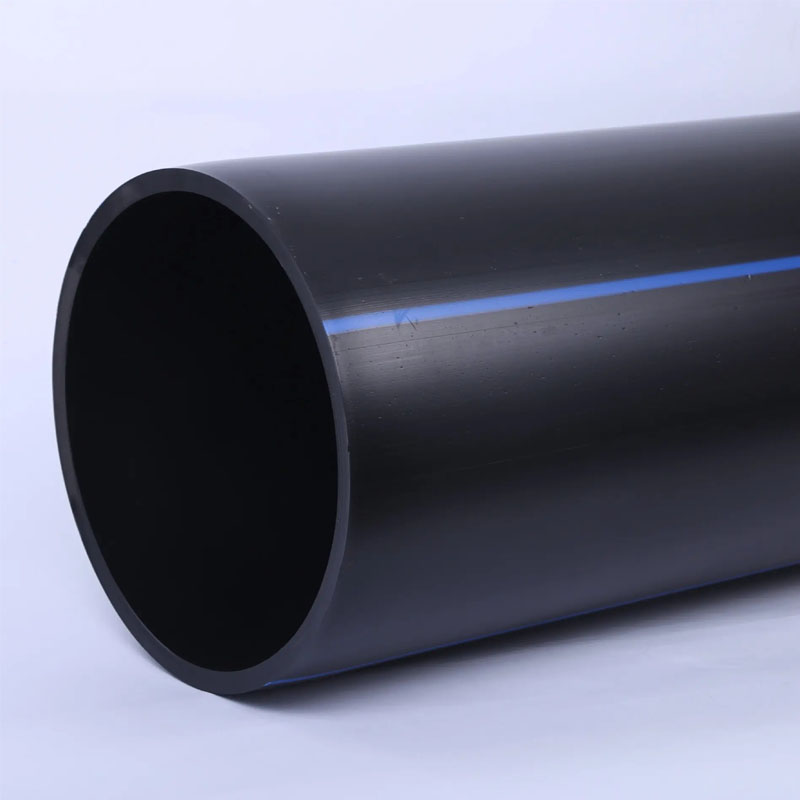
Polyvinyl Chloride (PVC) column pipes, specifically 2-inch diameter variants, represent a critical component in a diverse range of fluid handling systems. These pipes are employed in agricultural irrigation, water distribution networks, drainage solutions, and increasingly, in specialized industrial applications. The 'price' of these pipes is inextricably linked to raw material costs (PVC resin, additives), manufacturing processes, and compliance with regional and international standards. This technical guide provides an in-depth examination of 2-inch UPVC column pipes, encompassing material science, manufacturing techniques, performance characteristics, potential failure modes, and relevant industry standards. Understanding these elements is paramount for procurement managers, engineers, and maintenance personnel seeking to optimize system longevity, minimize lifecycle costs, and ensure regulatory compliance. The escalating demand for durable, corrosion-resistant piping solutions has solidified UPVC’s position as a primary material choice, creating a competitive market where technical understanding directly translates to cost-effective implementation.
Material Science & Manufacturing
The primary raw material for 2-inch UPVC column pipes is Polyvinyl Chloride (PVC) resin, typically sourced as a white powder. This resin is a thermoplastic polymer created through the polymerization of vinyl chloride monomer. Crucially, the ‘U’ in UPVC denotes ‘Unplasticized,’ indicating the absence of plasticizers which impart flexibility. This lack of plasticizers contributes to the pipe’s inherent rigidity and strength. Formulation typically includes stabilizers (e.g., tin-based compounds, calcium-zinc stabilizers) to prevent thermal degradation during processing and UV exposure, lubricants to aid extrusion, and impact modifiers (e.g., acrylic polymers) to enhance toughness. The manufacturing process predominantly utilizes extrusion. PVC resin, combined with additives, is fed into a single-screw or twin-screw extruder. The screw conveys and compresses the mixture, increasing its temperature via frictional heating and external heating elements. The molten PVC is then forced through a calibrated die, shaping it into a seamless pipe. Key parameters controlling pipe quality include: die temperature (typically 180-200°C), extrusion speed (influences melt viscosity and dimensional accuracy), cooling rate (critical for preventing warping or cracking), and haul-off speed (ensures consistent pipe diameter). Post-extrusion, pipes undergo sizing and cutting, followed by quality control checks including hydrostatic pressure testing and dimensional verification. The chemical compatibility of UPVC is excellent with a broad range of chemicals, however, it exhibits limited resistance to strong oxidizing acids and aromatic hydrocarbons.
Performance & Engineering
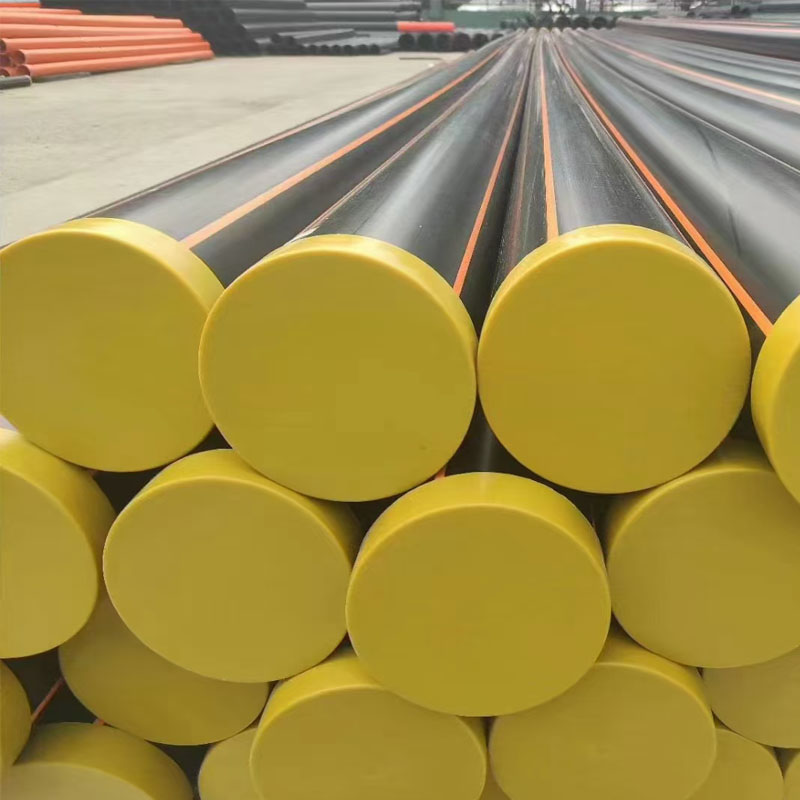
The performance of 2-inch UPVC column pipes is governed by several key engineering properties. Tensile strength, typically ranging from 55-65 MPa, determines the pipe’s resistance to longitudinal stress. Flexural modulus, around 3-4 GPa, reflects its resistance to bending. Importantly, UPVC exhibits relatively low impact strength, particularly at lower temperatures, necessitating the inclusion of impact modifiers in the formulation. Hydrostatic pressure testing, conducted according to standards like ASTM D1785, is crucial for verifying the pipe’s ability to withstand internal pressure. Long-term hydrostatic strength (LTHS) is a critical parameter, representing the pressure the pipe can sustain for a specified period (typically 50 years) at a defined temperature. Environmental resistance is a significant consideration. While UPVC is inherently resistant to corrosion, prolonged exposure to ultraviolet (UV) radiation can lead to surface degradation and embrittlement. Therefore, UV stabilizers are essential. Temperature fluctuations induce thermal expansion and contraction; appropriate expansion joints and careful installation practices are necessary to accommodate these movements and prevent stress cracking. Soil loading in buried applications requires adequate bedding and backfill support to prevent pipe deformation or collapse. The pipe's resistance to ground movement and settling is a crucial design parameter. Compliance with local plumbing codes and building regulations is also a paramount performance consideration, dictating permissible working pressures, installation procedures, and required testing protocols.
Technical Specifications
| Parameter | Unit | Typical Value (2-inch UPVC Column Pipe) | Test Standard |
|---|---|---|---|
| Nominal Diameter | inch | 2 | ASTM D1785 |
| Outer Diameter | mm | 63.5 | ASTM D2241 |
| Wall Thickness | mm | 4.2-5.5 | ASTM D1785 |
| Pressure Rating (PN) | bar | 10-16 | ASTM D1785 |
| Tensile Strength | MPa | 55-65 | ASTM D638 |
| Flexural Modulus | GPa | 3.0-4.0 | ASTM D790 |
| Impact Strength (Izod Notched) | kJ/m² | 2.5-5.0 (depending on impact modifier) | ASTM D256 |
Failure Mode & Maintenance
2-inch UPVC column pipes are susceptible to several failure modes. Stress Cracking arises from sustained tensile stresses, often exacerbated by environmental factors like temperature fluctuations or chemical exposure. Embrittlement occurs due to prolonged UV exposure, reducing impact resistance and leading to cracking. Hydrostatic Fatigue results from repeated pressure cycles, eventually leading to pipe rupture. Joint Failure is common if solvent welding is improperly performed, resulting in insufficient adhesion and leakage. Soil Settlement can cause excessive bending stress and cracking in buried pipelines. Mechanical Damage due to external impacts during handling or construction can cause immediate failure. Preventative maintenance includes regular visual inspections for cracks, discoloration, or deformation. UV protection measures, such as painting or applying UV-resistant coatings, are recommended for exposed pipes. Proper bedding and backfill procedures are crucial for buried pipelines. Joints should be periodically inspected for leaks. If damage is detected, sections of pipe should be replaced using appropriate solvent welding techniques. Avoid using abrasive cleaning agents or high-pressure water jets, as these can damage the pipe surface. Regular pressure testing can identify potential weaknesses before catastrophic failure occurs. Thorough flushing of the system to remove debris and sediment is also vital for maintaining flow efficiency and preventing blockages.
Industry FAQ
Q: What is the impact of temperature on the long-term performance of UPVC column pipes?
A: Elevated temperatures reduce the long-term hydrostatic strength (LTHS) of UPVC, accelerating creep and potentially leading to premature failure. Conversely, low temperatures can decrease impact resistance, making the pipe more susceptible to cracking. LTHS is typically specified at a reference temperature (e.g., 20°C), and derating factors are applied for higher operating temperatures.
Q: How does the choice of solvent cement affect the integrity of UPVC pipe joints?
A: Using the incorrect solvent cement, or applying it improperly, is a primary cause of joint failure. The solvent cement chemically welds the PVC surfaces together. Compatibility between the cement and the pipe material is crucial. Proper application requires cleaning the surfaces, applying a consistent layer of cement, and allowing sufficient curing time.
Q: What are the considerations for burying UPVC column pipes in different soil types?
A: Soil type significantly impacts pipe performance. Aggressive soils (e.g., those containing high levels of chlorides or sulfates) can accelerate corrosion of any metallic components. Poorly compacted soils can lead to uneven loading and pipe deformation. Adequate bedding and backfill with appropriate materials are essential. Geotextiles can provide additional protection against soil aggression.
Q: Can UPVC pipes be used for conveying abrasive fluids or slurries?
A: While UPVC offers good abrasion resistance compared to some materials, prolonged exposure to highly abrasive fluids can cause wear and erosion, reducing pipe wall thickness and potentially leading to failure. Consider using a thicker-walled pipe or incorporating abrasion-resistant coatings for such applications.
Q: What are the typical lead times for 2-inch UPVC column pipe orders, and how are price fluctuations managed?
A: Lead times vary depending on order volume, stock availability, and the manufacturer's production schedule. Typical lead times range from 2-6 weeks. Price fluctuations are primarily driven by the cost of PVC resin, which is linked to crude oil prices. Long-term contracts with price escalation clauses can help mitigate price volatility.
Conclusion
The 2-inch UPVC column pipe represents a robust and cost-effective solution for a wide spectrum of fluid conveyance applications. Its inherent corrosion resistance, coupled with relatively low material costs and ease of installation, contributes to its widespread adoption. However, realizing the full potential of these pipes requires a comprehensive understanding of material properties, manufacturing processes, and potential failure modes. Careful consideration of operating conditions – including temperature, pressure, UV exposure, and soil characteristics – is paramount for ensuring long-term performance and minimizing lifecycle costs.
Future advancements in UPVC formulations are focusing on enhancing impact strength, improving UV resistance, and developing more sustainable manufacturing processes. Furthermore, ongoing research into advanced joining techniques, beyond traditional solvent welding, promises to further improve joint integrity and reduce installation time. Proactive maintenance strategies, coupled with adherence to relevant industry standards, remain crucial for maximizing the service life and reliability of 2-inch UPVC column pipe systems.
-
DN25 HDPE Compression Fitting-HORON INTERNATIONAL|Reliable Irrigation Solutions
NewsFeb.11,2026
-
china corrugated hdpe pipe fittings Performance Analysis
News2026-05-22
-
china ppr pipe for hot water Performance Analysis
News2026-05-22
-
china ppr Technical Performance Analysis
News2026-05-22
-
china corrugated dual wall pipe Performance Analysis
News2026-05-22
-
china sink inlet pipe Material Performance Analysis
News2026-05-22
-
china 1 2 inch pvc Performance Analysis
News2026-05-21
-
china hdpe pipe joint coupler Performance Analysis
News2026-05-21
-
china ppr pipes and fittings price list Technical Analysis
News2026-05-21
-
china 9 inch pvc pipe price Performance Analysis
News2026-05-21
-
china 2 inch borewell column pipe price Performance Engineering
News2026-05-21
-
china hdpe pipe suppliers Performance Analysis
News2026-05-20
-
china submersible pump column pipe Performance Engineering
News2026-05-20
-
china 8 hdpe corrugated pipe Manufacturing Analysis
News2026-05-20
-
china dual wall hdpe pipe Performance Analysis
News2026-05-20
-
china water lines under sink Performance Analysis
News2026-05-20