

Feb . 11, 2026 00:01 Back to list
2 inch upvc column pipe price factory Performance Analysis
Introduction
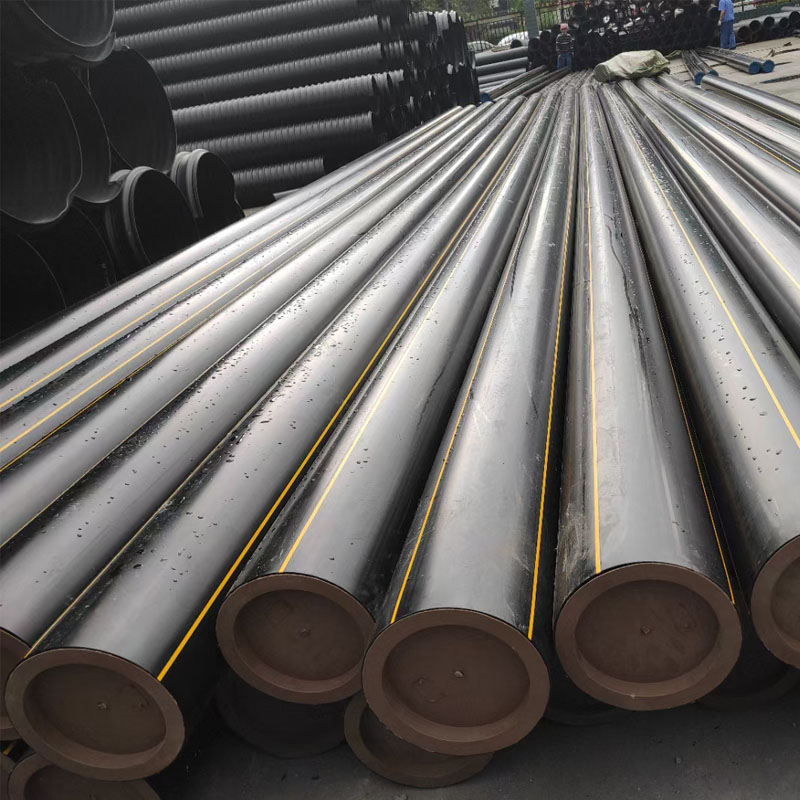
2 inch Unplasticized Polyvinyl Chloride (uPVC) column pipes represent a critical component within fluid conveyance systems, particularly in applications demanding structural rigidity and corrosion resistance. These pipes, commonly deployed in water supply, drainage, venting, and irrigation systems, serve as vertical supports for plumbing stacks or as load-bearing elements within larger structures. The “price factory” designation refers to manufacturers directly offering these pipes, typically at competitive rates by bypassing intermediary distributors. Their technical position in the building and construction materials supply chain is as a finished product requiring minimal on-site modification beyond connection via solvent welding, threading, or flanging. Core performance characteristics center around pressure resistance, tensile strength, impact strength, and long-term durability in diverse environmental conditions. A primary concern driving demand is the reduction of life-cycle costs – uPVC’s inherent resistance to corrosion and degradation translates to minimized maintenance and replacement frequency compared to metallic alternatives.
Material Science & Manufacturing
uPVC is synthesized via the polymerization of vinyl chloride monomer (VCM). The raw material, ethylene dichloride (EDC), is cracked to produce VCM, which is then polymerized using suspension or emulsion processes. The resulting PVC resin is compounded with stabilizers (typically calcium-zinc or lead-based, though lead is increasingly restricted due to environmental concerns), lubricants, impact modifiers (like chlorinated polyethylene – CPE), and processing aids. For 2 inch column pipe production, the compounded uPVC is commonly processed via extrusion. Extrusion involves feeding the PVC compound into a heated barrel where it melts and is forced through a die with the desired pipe dimensions. Key parameters during extrusion include barrel temperature profiles (typically 180-220°C), screw speed, and die pressure. Maintaining precise temperature control is vital to prevent degradation and ensure consistent material properties. Cooling is achieved through water baths, followed by sizing and cutting to specified lengths. Quality control measures encompass dimensional checks, hydrostatic pressure testing, impact resistance testing, and visual inspection for defects. The selection of stabilizers is critical; inadequate stabilization can lead to thermal degradation during processing and subsequent embrittlement of the finished pipe. The molecular weight distribution of the PVC resin significantly influences its mechanical properties and processability.
Performance & Engineering
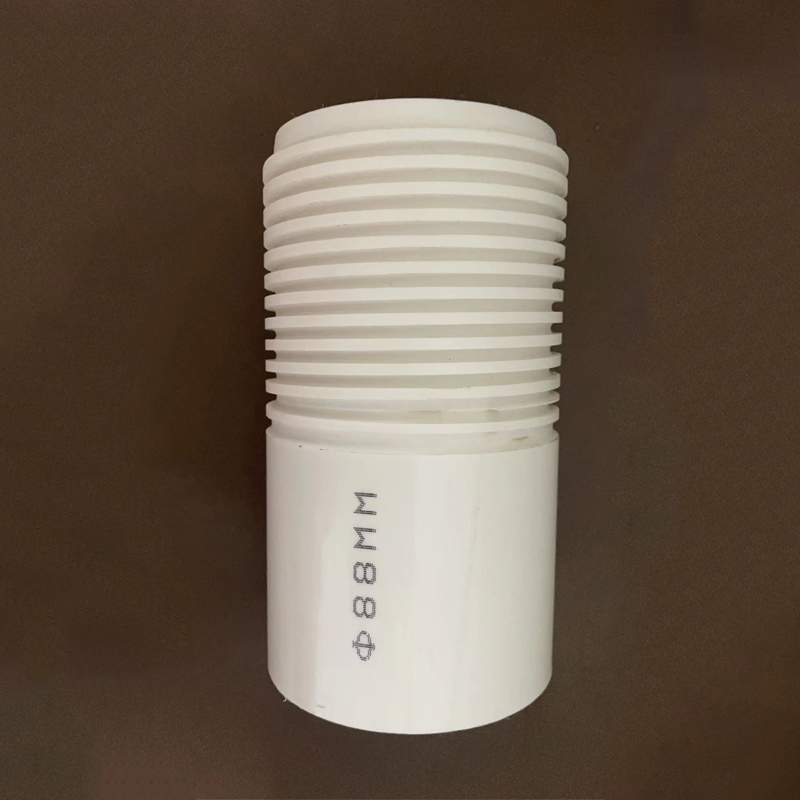
The structural integrity of 2 inch uPVC column pipes is governed by several engineering principles. Hoop stress, resulting from internal fluid pressure, is a critical design consideration. The pipe wall thickness directly influences its ability to withstand this stress. Burst pressure calculations, adhering to standards like ASTM D1785, determine the maximum internal pressure the pipe can safely handle. Buckling resistance is also paramount, especially in vertical applications where the pipe experiences compressive loads. Finite Element Analysis (FEA) is frequently employed to model stress distribution under various loading conditions. Environmental resistance is another key performance indicator. uPVC exhibits excellent resistance to most chemicals, however, prolonged exposure to strong oxidizing agents and certain solvents can cause degradation. UV exposure can lead to discoloration and embrittlement over time, necessitating the incorporation of UV stabilizers in the PVC compound. Furthermore, thermal expansion and contraction must be accounted for in system design to prevent stress concentrations at joints. Installation practices, including proper support and alignment, are crucial for maintaining long-term performance. The coefficient of linear expansion for uPVC is approximately 8 x 10⁻⁵ /°C. Compliance requirements, such as NSF/ANSI 61 for potable water systems, mandate that the pipe material does not leach harmful contaminants into the water supply.
Technical Specifications
| Parameter | Metric (Imperial) | Testing Standard | Typical Value |
|---|---|---|---|
| Nominal Diameter | 2 inches (50.8 mm) | ASTM D1785 | 2.375 inches (60.3 mm) Outer Diameter |
| Wall Thickness | Schedule 40: 0.133 inches (3.38 mm) Schedule 80: 0.179 inches (4.55 mm) |
ASTM D1785 | Varies based on Schedule |
| Pressure Rating (Hydrostatic) | Schedule 40: 400 psi (2.76 MPa) Schedule 80: 600 psi (4.14 MPa) |
ASTM D1785 | Dependent on Schedule and Temperature |
| Tensile Strength | 6000 – 7000 psi (41.4 – 48.3 MPa) | ASTM D638 | 6500 psi (44.8 MPa) |
| Impact Strength (Izod Notched) | > 10 ft-lb/in (5.6 J/m) | ASTM D256 | 12 ft-lb/in (6.7 J/m) |
| Water Absorption (24 hours) | < 0.1% | ASTM D570 | 0.08% |
Failure Mode & Maintenance
Common failure modes for 2 inch uPVC column pipes include brittle fracture due to impact damage, cracking resulting from excessive stress or thermal cycling, and degradation caused by prolonged UV exposure or chemical attack. Slow crack growth (SCG) is a significant concern, particularly in applications involving sustained tensile stress and exposure to certain chemicals. This is often exacerbated by residual stress introduced during manufacturing. Delamination can occur if the PVC compound is improperly mixed or processed, leading to weak bonding between layers. Oxidation can cause surface discoloration and embrittlement over extended periods. Maintenance primarily involves visual inspection for cracks, leaks, or signs of degradation. Regular cleaning to remove debris and contaminants is also recommended. Damaged sections should be replaced entirely rather than repaired, as repairs can compromise the structural integrity of the system. The use of appropriate solvent cement during joining is critical; incorrect cement selection or application can lead to weak joints prone to failure. Protecting the pipes from direct sunlight and extreme temperatures can significantly extend their service life. Periodic hydrostatic testing can help identify potential weaknesses before they lead to catastrophic failure. Regular checks for proper support and alignment are vital to prevent excessive stress on the pipes.
Industry FAQ
Q: What is the impact of water hammer on uPVC column pipes and how can it be mitigated?
A: Water hammer, caused by sudden changes in flow velocity, can induce significant pressure surges within the pipe. uPVC, while robust, is susceptible to brittle fracture under these conditions. Mitigation strategies include the installation of air chambers, pressure relief valves, and slow-closing valves to dampen the pressure fluctuations. Proper pipe support is also crucial to minimize stress concentrations.
Q: How does temperature affect the performance of uPVC pipes?
A: Elevated temperatures can reduce the pressure rating of uPVC pipes and increase their susceptibility to creep. Conversely, low temperatures can make them more brittle and prone to impact damage. The stated pressure ratings are typically based on standard test temperatures (e.g., 73°F/23°C). Temperature derating factors should be considered for applications outside this range.
Q: What are the limitations of using uPVC pipes in industrial applications involving corrosive chemicals?
A: While uPVC exhibits excellent resistance to many chemicals, it is not universally compatible. Strong oxidizing agents, aromatic hydrocarbons, and certain chlorinated solvents can cause swelling, cracking, or dissolution. Chemical resistance charts should be consulted to ensure compatibility before deploying uPVC pipes in such environments.
Q: What is the expected service life of a properly installed 2 inch uPVC column pipe?
A: A properly installed and maintained 2 inch uPVC column pipe can have a service life exceeding 50 years. However, this is contingent on factors such as operating pressure, temperature, UV exposure, chemical exposure, and adherence to proper installation procedures.
Q: How do different schedules (e.g., Schedule 40 vs. Schedule 80) affect the cost-benefit analysis of using uPVC pipes?
A: Schedule 80 pipes offer higher pressure ratings and greater structural strength but are more expensive than Schedule 40 pipes. The optimal choice depends on the application's specific requirements. For low-pressure, non-critical applications, Schedule 40 may be sufficient, offering a cost-effective solution. For high-pressure or safety-critical applications, Schedule 80 provides an added margin of safety, justifying the higher cost.
Conclusion
2 inch uPVC column pipes represent a durable and cost-effective solution for fluid conveyance in a wide range of applications. Their inherent corrosion resistance, ease of installation, and favorable mechanical properties contribute to their widespread adoption. Understanding the material science, manufacturing processes, and performance characteristics is crucial for ensuring optimal system design and longevity.
Careful consideration of potential failure modes, adherence to relevant industry standards, and implementation of appropriate maintenance practices are essential for maximizing the service life and reliability of these pipes. The continued development of advanced PVC formulations, incorporating improved stabilizers and impact modifiers, will further enhance their performance and expand their application scope.
-
DN25 HDPE Compression Fitting-HORON INTERNATIONAL|Reliable Irrigation Solutions
NewsFeb.11,2026
-
china corrugated hdpe pipe fittings Performance Analysis
News2026-05-22
-
china ppr pipe for hot water Performance Analysis
News2026-05-22
-
china ppr Technical Performance Analysis
News2026-05-22
-
china corrugated dual wall pipe Performance Analysis
News2026-05-22
-
china sink inlet pipe Material Performance Analysis
News2026-05-22
-
china 1 2 inch pvc Performance Analysis
News2026-05-21
-
china hdpe pipe joint coupler Performance Analysis
News2026-05-21
-
china ppr pipes and fittings price list Technical Analysis
News2026-05-21
-
china 9 inch pvc pipe price Performance Analysis
News2026-05-21
-
china 2 inch borewell column pipe price Performance Engineering
News2026-05-21
-
china hdpe pipe suppliers Performance Analysis
News2026-05-20
-
china submersible pump column pipe Performance Engineering
News2026-05-20
-
china 8 hdpe corrugated pipe Manufacturing Analysis
News2026-05-20
-
china dual wall hdpe pipe Performance Analysis
News2026-05-20
-
china water lines under sink Performance Analysis
News2026-05-20