

Feb . 11, 2026 00:01 Back to list
12 inch pvc pipe service Performance Analysis
Introduction
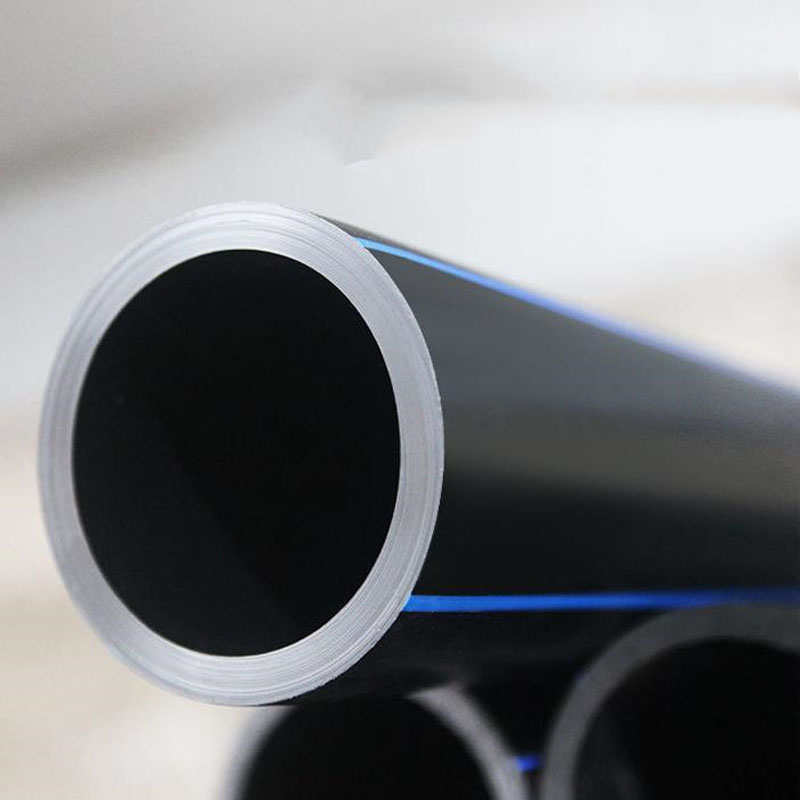
12-inch Polyvinyl Chloride (PVC) pipe is a ubiquitous material in a wide array of infrastructure applications, primarily for the conveyance of fluids and gases. Within the industrial chain, it occupies a critical position as a cost-effective and corrosion-resistant alternative to metallic piping systems. This technical guide provides an in-depth exploration of 12-inch PVC pipe service, encompassing its material science, manufacturing processes, performance characteristics, potential failure modes, maintenance protocols, and relevant industry standards. Its core performance lies in its pressure rating, chemical resistance, and long-term durability, making it suitable for potable water distribution, irrigation, wastewater management, and industrial process piping. Addressing common industry pain points such as long-term degradation, joint failure, and compatibility with specific chemical environments is central to this analysis. The selection of appropriate PVC compounds and installation practices are paramount to ensuring the longevity and reliability of these systems.
Material Science & Manufacturing
The foundation of 12-inch PVC pipe lies in the polymerization of vinyl chloride monomer (VCM). PVC is a thermoplastic polymer known for its inherent rigidity, chemical inertness, and cost-effectiveness. The primary raw material, ethylene dichloride (EDC), is produced from ethylene and chlorine. Dehydrochlorination of EDC yields VCM. Polymerization is typically conducted via suspension or emulsion processes, yielding PVC resin. Additives, including stabilizers (typically based on organotin compounds, calcium-zinc, or lead), plasticizers (phthalates, adipates, trimellitates), lubricants (stearates), and impact modifiers (acrylics or chlorinated polyethylene), are incorporated to tailor the material properties to specific service requirements. For 12-inch pipe, Schedule 40 and Schedule 80 PVC are common; Schedule 80 offers increased wall thickness and therefore higher pressure ratings.
Manufacturing involves extrusion. The PVC compound is fed into a single-screw or twin-screw extruder, where it’s heated and homogenized. The molten PVC is forced through a die that shapes the pipe to the desired diameter and wall thickness. Precise temperature control throughout the extrusion process is crucial to prevent degradation and ensure consistent material properties. Cooling is achieved via water baths, followed by dimensional stabilization and cutting to length. Socket and spigot ends are often formed during extrusion. Quality control includes hydrostatic pressure testing (as per ASTM D1595) to verify the pipe's ability to withstand internal pressure, dimensional checks, and impact resistance testing (ASTM D2444). Jointing methods include solvent cementing (using primers and cement compatible with the PVC compound), gasketed joints (using elastomeric gaskets), and flanged connections.
Performance & Engineering
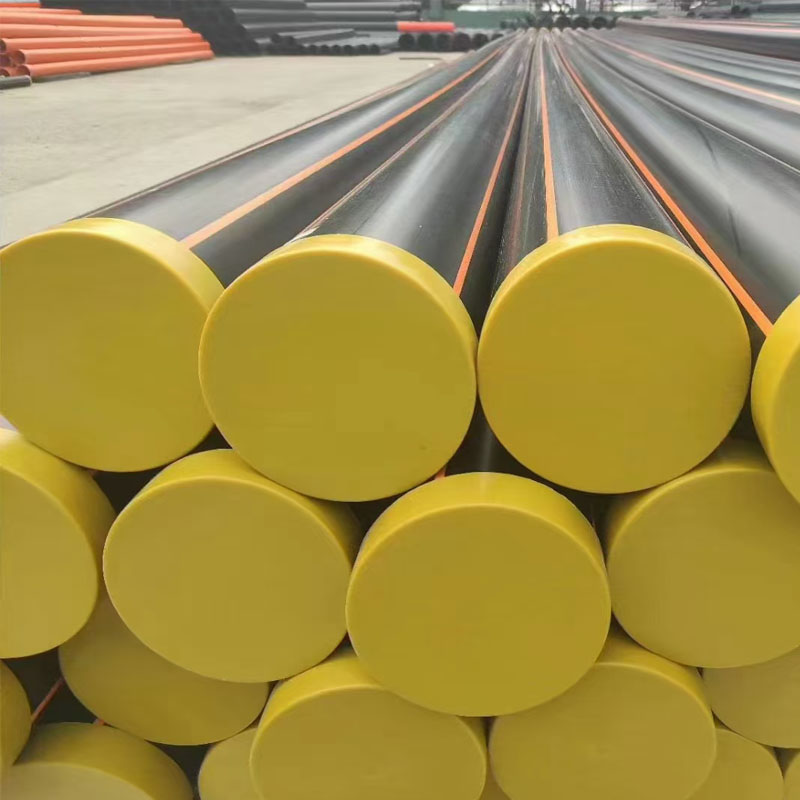
The performance of 12-inch PVC pipe is governed by several engineering principles. Hoop stress analysis, based on Barlow’s formula (σ = PD/2t, where σ is hoop stress, P is internal pressure, D is diameter, and t is wall thickness), is fundamental to determining the pipe’s pressure-bearing capacity. The selection of Schedule 40 or Schedule 80 directly impacts the wall thickness (t) and therefore the allowable operating pressure. PVC exhibits relatively low tensile strength compared to metals, but its ductility can be improved through the incorporation of impact modifiers. Environmental factors, particularly temperature, significantly influence PVC's mechanical properties. Increased temperatures reduce tensile strength and impact resistance. Furthermore, long-term creep (slow deformation under sustained stress) is a critical consideration, especially in pressure applications. Soil loading, backfill compaction, and external stresses from traffic or adjacent structures must be accounted for in the design. PVC’s thermal expansion coefficient is approximately 7 x 10^-5 /°C, necessitating expansion joints or flexible connections in long pipeline runs to prevent stress cracking.
Compliance requirements depend on the application. For potable water systems, PVC must comply with NSF/ANSI 61 standards, ensuring that no harmful contaminants leach into the water. Wastewater applications may require compliance with ASTM F477 for corrosion resistance. In industrial settings, chemical compatibility is paramount. PVC is resistant to many acids and bases, but is vulnerable to attack by aromatic hydrocarbons, ketones, and chlorinated solvents. Proper material selection and compatibility testing are essential to avoid premature failure. The resistance to UV degradation is also important for above-ground applications; UV stabilizers are incorporated into the PVC compound to mitigate this effect.
Technical Specifications
| Parameter | Schedule 40 (Typical) | Schedule 80 (Typical) | Unit |
|---|---|---|---|
| Nominal Pipe Size | 12 inches | 12 inches | inches |
| Outside Diameter | 12.75 | 12.75 | inches |
| Wall Thickness | 0.237 | 0.375 | inches |
| Pressure Rating (at 73°F) | 400 | 600 | psi |
| Burst Pressure (at 73°F) | 2000 | 3000 | psi |
| Density | 1.40 | 1.40 | g/cm³ |
| Tensile Strength | 6900 | 6900 | psi |
Failure Mode & Maintenance
12-inch PVC pipe is susceptible to several failure modes. Slow crack growth (SCG) is a common issue, particularly in highly stressed areas subjected to sustained tensile loads and aggressive environmental conditions. This is often exacerbated by residual stresses from manufacturing or improper installation. Chemical attack, particularly from solvents and hydrocarbons, can cause swelling, softening, and eventual cracking. UV degradation can lead to embrittlement and surface crazing, especially in exposed applications. Joint failures, resulting from improper solvent cementing techniques, gasket degradation, or inadequate support, are also frequent occurrences. Impact damage, caused by external forces during handling or operation, can lead to cracking or complete rupture. Fatigue cracking can occur under cyclic loading conditions.
Preventative maintenance includes regular visual inspections for cracks, leaks, or signs of degradation. Pressure testing should be conducted periodically to verify the integrity of the system. Proper support and bedding are essential to prevent excessive stress on the pipe. UV protection (e.g., coatings or burial) should be implemented for exposed sections. Joints should be inspected for leaks and re-cemented or replaced as necessary. In the event of a failure, a thorough root cause analysis should be conducted to identify the underlying cause and implement corrective actions. Repair options include cutting out the damaged section and splicing in a new piece of pipe using solvent cement or mechanical couplings. For significant damage, complete pipe replacement may be required.
Industry FAQ
Q: What is the long-term impact of soil acidity on PVC pipe performance?
A: Prolonged exposure to acidic soils can accelerate the degradation of PVC, particularly if the soil contains elevated levels of sulfates or other aggressive chemicals. Acidic conditions can leach plasticizers from the PVC compound, leading to embrittlement and reduced impact resistance. Furthermore, certain types of clay soils can swell when exposed to moisture, creating external stresses that can contribute to cracking.
Q: How does the choice of solvent cement affect the long-term joint integrity?
A: The selection of a solvent cement specifically formulated for the PVC compound is critical. Using an incompatible cement can result in a weak joint that is prone to failure. Proper application technique, including adequate priming, consistent cement coverage, and sufficient curing time, is also essential. The cement should be compatible with the operating temperature and pressure of the system.
Q: What methods can be used to mitigate the risk of slow crack growth (SCG)?
A: Mitigating SCG involves minimizing sustained tensile stresses, selecting a PVC compound with enhanced resistance to SCG, and avoiding exposure to aggressive chemicals. Proper bedding and support are crucial to distribute loads evenly and prevent stress concentrations. The use of stress-relieving gaskets and expansion joints can also help to reduce stress.
Q: What are the limitations of using PVC pipe in high-temperature applications?
A: PVC’s mechanical properties degrade significantly at elevated temperatures. The maximum continuous operating temperature for PVC pipe is typically around 140°F (60°C). Above this temperature, the pipe can soften, lose strength, and become susceptible to creep. For high-temperature applications, alternative materials such as CPVC or metal piping systems should be considered.
Q: What is the recommended procedure for inspecting PVC pipe for UV degradation?
A: Visual inspection should focus on identifying surface crazing, chalking, and discoloration. The presence of these indicators suggests that the PVC has been exposed to excessive UV radiation. Impact testing can be used to assess the remaining impact resistance of the material. If significant degradation is observed, the affected sections should be replaced or protected with a UV-resistant coating.
Conclusion
12-inch PVC pipe service offers a compelling balance of cost-effectiveness, corrosion resistance, and ease of installation, making it a preferred choice for a multitude of fluid conveyance applications. However, its long-term performance is heavily dependent on careful material selection, proper installation practices, and diligent maintenance. Understanding the potential failure modes – including slow crack growth, chemical attack, and UV degradation – is crucial for mitigating risks and ensuring the longevity of these systems.
Future advancements in PVC compounding, incorporating enhanced stabilizers and impact modifiers, will likely extend the service life and broaden the applicability of 12-inch PVC pipe. Continued research into non-destructive testing methods for detecting early signs of degradation will also play a vital role in optimizing maintenance strategies and preventing catastrophic failures. Ultimately, a holistic approach that considers the entire lifecycle of the piping system, from design to decommissioning, is essential for maximizing its value and minimizing environmental impact.
-
DN25 HDPE Compression Fitting-HORON INTERNATIONAL|Reliable Irrigation Solutions
NewsFeb.11,2026
-
china corrugated hdpe pipe fittings Performance Analysis
News2026-05-22
-
china ppr pipe for hot water Performance Analysis
News2026-05-22
-
china ppr Technical Performance Analysis
News2026-05-22
-
china corrugated dual wall pipe Performance Analysis
News2026-05-22
-
china sink inlet pipe Material Performance Analysis
News2026-05-22
-
china 1 2 inch pvc Performance Analysis
News2026-05-21
-
china hdpe pipe joint coupler Performance Analysis
News2026-05-21
-
china ppr pipes and fittings price list Technical Analysis
News2026-05-21
-
china 9 inch pvc pipe price Performance Analysis
News2026-05-21
-
china 2 inch borewell column pipe price Performance Engineering
News2026-05-21
-
china hdpe pipe suppliers Performance Analysis
News2026-05-20
-
china submersible pump column pipe Performance Engineering
News2026-05-20
-
china 8 hdpe corrugated pipe Manufacturing Analysis
News2026-05-20
-
china dual wall hdpe pipe Performance Analysis
News2026-05-20
-
china water lines under sink Performance Analysis
News2026-05-20