

Feb . 11, 2026 00:01 Back to list
12 inch pvc pipe product Performance Analysis
Introduction
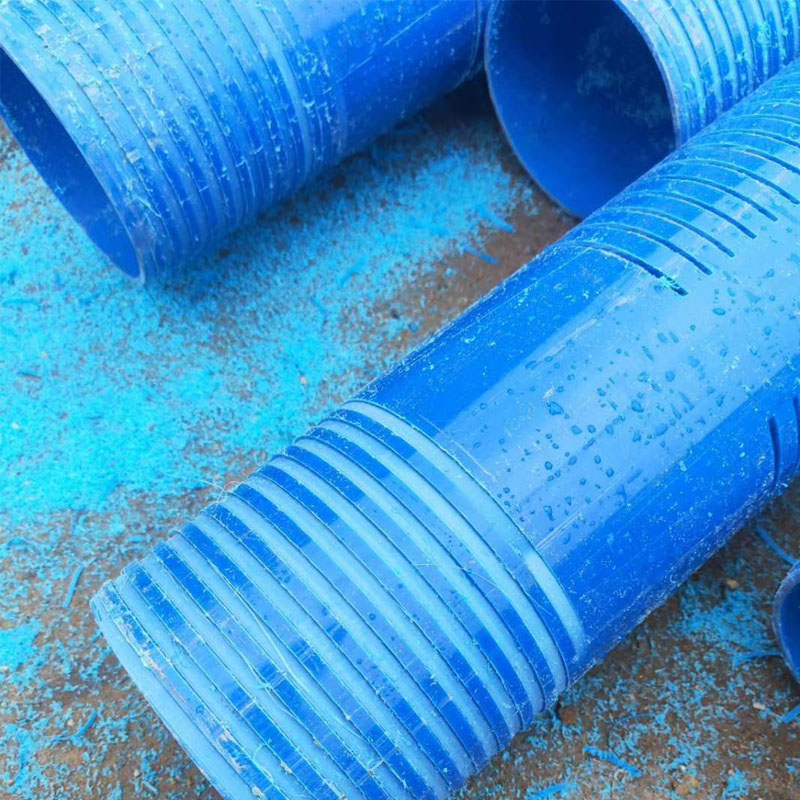
Polyvinyl Chloride (PVC) pipe, specifically 12-inch diameter configurations, represents a critical component in diverse infrastructure applications including water distribution, wastewater management, irrigation, and industrial fluid transport. Positioned within the broader thermoplastics piping industry, 12-inch PVC pipe offers a cost-effective and corrosion-resistant alternative to traditional materials like ductile iron, steel, and concrete. Its primary performance characteristics stem from its inherent chemical inertness, high tensile strength relative to its weight, and ease of installation. The manufacturing process, largely focused on extrusion, results in a product requiring minimal maintenance and providing a long service life, making it a mainstay in municipal and industrial engineering projects. Understanding the nuances of PVC formulation, manufacturing tolerances, and long-term performance is crucial for ensuring system reliability and adhering to stringent industry regulations.
Material Science & Manufacturing
12-inch PVC pipe is predominantly manufactured from PVC resin, typically a copolymer of vinyl chloride monomer (VCM). The primary raw material, ethylene dichloride (EDC), is derived from chlorine and ethylene. PVC resin’s physical properties – density (1.4 g/cm³), glass transition temperature (Tg ~81°C), and amorphous structure – dictate its processability and end-use performance. Essential additives include heat stabilizers (often organotin compounds or calcium-zinc formulations to prevent thermal degradation during processing), lubricants (to reduce friction during extrusion), plasticizers (primarily phthalates or alternative non-phthalate options to enhance flexibility – particularly in lower-pressure applications), and impact modifiers (acrylic or chlorinated polyethylene to improve toughness). The manufacturing process centers around extrusion. PVC resin and additives are blended, then fed into a twin-screw extruder where they are heated, melted, and homogenized. The molten PVC is then forced through a circular die of 12-inch diameter, followed by cooling in a water bath to solidify the pipe. Key parameter control includes maintaining precise temperature profiles within the extruder barrels, controlling screw speed for optimal mixing and throughput, and carefully managing die pressure to ensure dimensional accuracy and prevent defects like surface imperfections or ovality. Post-extrusion, pipes are cut to length, bell and spigot ends are formed (often using a separate molding process), and quality control checks, including hydrostatic pressure testing and dimensional verification, are performed.
Performance & Engineering
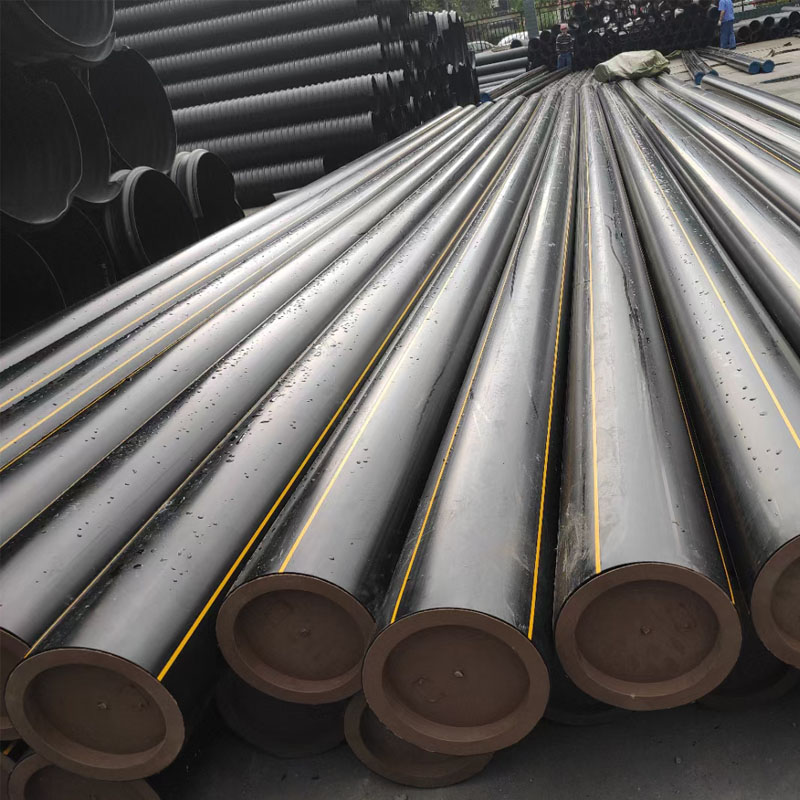
The performance of 12-inch PVC pipe is governed by several engineering considerations. Firstly, burst pressure – determined by the pipe's schedule (e.g., Schedule 40, Schedule 80) and wall thickness – is critical for withstanding internal fluid pressure. Calculations are based on Barlow’s Formula: P = (2Sσ)/D, where P is the burst pressure, S is the allowable tensile stress, σ is the hoop stress, and D is the pipe diameter. Secondly, soil loading and external pressure resistance are crucial for buried applications. The pipe’s stiffness (measured by its Modulus of Elasticity) determines its ability to resist deformation under load. Thirdly, chemical resistance dictates its suitability for specific fluids. PVC exhibits excellent resistance to many acids, alkalis, and salts, but is susceptible to degradation by certain solvents and aromatic hydrocarbons. Fourthly, long-term creep resistance – the tendency to deform slowly under sustained stress – must be considered, especially in high-temperature environments. Compliance requirements are extensive, encompassing ASTM D1785 (specifications for PVC pipe), ASTM F477 (solvent cementing of PVC pipe), and relevant local building codes governing pressure ratings and installation practices. Thermal expansion and contraction, mitigated by careful installation practices including expansion joints and bedding materials, are also important factors.
Technical Specifications
| Parameter | Schedule 40 | Schedule 80 | ASTM D1785 Standard |
|---|---|---|---|
| Nominal Pipe Size (inches) | 12 | 12 | 12 |
| Outside Diameter (inches) | 12.68 | 12.68 | 12.68 |
| Wall Thickness (inches) | 0.290 | 0.375 | Varies by Schedule |
| Burst Pressure (psi) | 350 | 520 | Dependent on Schedule and Temperature |
| Hydrostatic Design Stress (HDS) (psi) | 2000 | 2000 | 2000 |
| Weight per Foot (lbs) | 1.97 | 2.62 | Varies by Schedule |
Failure Mode & Maintenance
12-inch PVC pipe can experience several failure modes. Slow Crack Growth (SCG), induced by sustained tensile stress and the presence of aggressive chemicals, is a significant concern, particularly in older systems. This manifests as brittle cracking perpendicular to the stress direction. Another failure mode is Environmental Stress Cracking (ESC), similar to SCG, but accelerated by specific environmental conditions. Fatigue cracking can occur under cyclic pressure loads, especially at joints or where the pipe is subjected to vibration. UV degradation, caused by prolonged exposure to sunlight, can embrittle the pipe material, reducing its impact resistance. Joint failures – due to improper solvent cementing, incorrect alignment, or soil settlement – are also common. Maintenance primarily involves visual inspection for cracks, leaks, or deformation. Hydrostatic testing can be used to assess the integrity of the system. Repairs typically involve cutting out the damaged section and replacing it with a new section using solvent cement. Preventative maintenance includes proper bedding and backfill procedures during installation to minimize stress on the pipe and protecting exposed sections from UV radiation. Regular monitoring of water quality and pressure can help identify potential issues before they lead to catastrophic failure.
Industry FAQ
Q: What is the impact of temperature on the long-term performance of 12-inch PVC pipe?
A: Elevated temperatures significantly reduce the tensile strength and creep resistance of PVC. Long-term exposure to temperatures above 140°F (60°C) can accelerate degradation and reduce the service life. Hydrostatic design stress is typically derated at higher temperatures to account for this reduction in strength. Material formulations with enhanced thermal stability are available for higher-temperature applications.
Q: How does soil corrosivity affect the longevity of buried 12-inch PVC pipe?
A: Highly corrosive soils, characterized by low pH or high sulfate content, can contribute to degradation of the pipe material and surrounding joint compounds. While PVC itself is chemically resistant, the presence of corrosive elements can accelerate degradation at stress concentration points. Proper bedding and backfill materials, as well as cathodic protection in extreme cases, are essential to mitigate this risk.
Q: What are the critical considerations when solvent cementing 12-inch PVC pipe?
A: Proper surface preparation (cleaning and priming) is paramount. The solvent cement must be compatible with the PVC formulation. Adequate ventilation is required to avoid inhalation of fumes. Sufficient curing time must be allowed before pressurizing the system. Applying the correct amount of cement – not too little and not too much – is crucial for a reliable joint.
Q: How does Schedule 80 PVC pipe differ from Schedule 40 in terms of application suitability?
A: Schedule 80 PVC pipe has a thicker wall and higher burst pressure rating compared to Schedule 40. It is typically used in applications requiring greater mechanical strength, higher operating pressures, or increased resistance to external loads. It is often preferred for industrial applications and high-demand municipal water systems. Schedule 40 is adequate for lower-pressure applications like irrigation or drainage.
Q: What are the emerging trends in PVC pipe technology for 12-inch diameter applications?
A: There's a growing trend towards the use of bio-based plasticizers and alternative stabilizers to enhance the sustainability of PVC pipes. Improved extrusion techniques are enabling tighter dimensional tolerances and thinner wall thicknesses without compromising strength. The development of smart PVC pipes incorporating sensors for leak detection and monitoring is also gaining traction. Furthermore, research into enhanced impact modifiers and UV stabilizers is extending the service life of PVC pipes in challenging environments.
Conclusion
12-inch PVC pipe remains a dominant force in fluid conveyance systems due to its combination of cost-effectiveness, corrosion resistance, and ease of installation. A thorough understanding of the material science, manufacturing processes, and engineering principles governing its performance is critical for ensuring long-term reliability and adherence to industry standards. The selection of the appropriate schedule, proper installation techniques, and ongoing maintenance are all essential components of a successful implementation.
Future advancements will likely focus on enhancing the sustainability of PVC production, improving its mechanical properties, and incorporating smart technologies for proactive monitoring and maintenance. As regulations evolve and demands for infrastructure resilience increase, continuous innovation in PVC pipe technology will be paramount.
-
DN25 HDPE Compression Fitting-HORON INTERNATIONAL|Reliable Irrigation Solutions
NewsFeb.11,2026
-
china corrugated hdpe pipe fittings Performance Analysis
News2026-05-22
-
china ppr pipe for hot water Performance Analysis
News2026-05-22
-
china ppr Technical Performance Analysis
News2026-05-22
-
china corrugated dual wall pipe Performance Analysis
News2026-05-22
-
china sink inlet pipe Material Performance Analysis
News2026-05-22
-
china 1 2 inch pvc Performance Analysis
News2026-05-21
-
china hdpe pipe joint coupler Performance Analysis
News2026-05-21
-
china ppr pipes and fittings price list Technical Analysis
News2026-05-21
-
china 9 inch pvc pipe price Performance Analysis
News2026-05-21
-
china 2 inch borewell column pipe price Performance Engineering
News2026-05-21
-
china hdpe pipe suppliers Performance Analysis
News2026-05-20
-
china submersible pump column pipe Performance Engineering
News2026-05-20
-
china 8 hdpe corrugated pipe Manufacturing Analysis
News2026-05-20
-
china dual wall hdpe pipe Performance Analysis
News2026-05-20
-
china water lines under sink Performance Analysis
News2026-05-20