

Feb . 11, 2026 00:01 Back to list
12 inch pvc pipe manufacturers Performance Analysis
Introduction
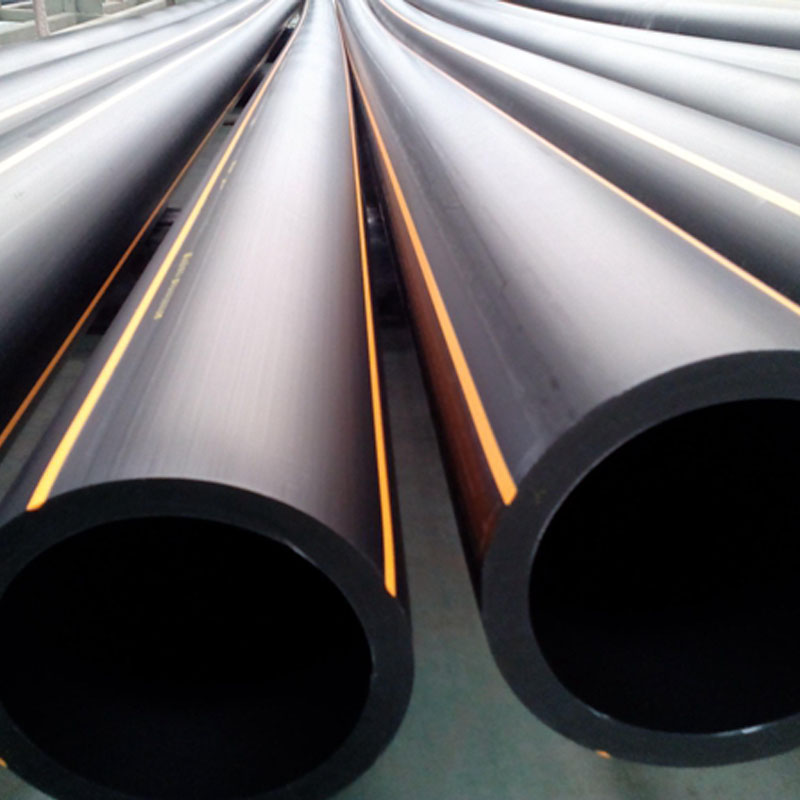
Polyvinyl Chloride (PVC) pipe, specifically 12-inch diameter configurations, represents a cornerstone material in modern infrastructure. Its application spans a broad spectrum including potable water distribution, wastewater management, irrigation, and industrial fluid conveyance. This technical guide provides a comprehensive analysis of 12-inch PVC pipe, from material composition and manufacturing processes to performance characteristics, failure modes, and relevant industry standards. The increasing demands on infrastructure – aging systems, population growth, and stricter environmental regulations – necessitate a deep understanding of PVC pipe’s capabilities and limitations. 12-inch PVC pipe is chosen frequently over other materials due to its cost-effectiveness, corrosion resistance, and relatively simple installation, but achieving long-term reliability requires careful consideration of design parameters, material selection, and proper installation practices. This guide will dissect those elements to provide actionable insights for engineers, procurement managers, and maintenance personnel involved in PVC pipe systems.
Material Science & Manufacturing
12-inch PVC pipe is primarily manufactured from PVC resin, a thermoplastic polymer produced by the polymerization of vinyl chloride monomer (VCM). The PVC resin is rarely used in its pure form. It is typically compounded with various additives to enhance its properties. Common additives include plasticizers (e.g., phthalates or DINP) to increase flexibility, stabilizers (e.g., organotin compounds or calcium-zinc stabilizers) to prevent thermal degradation during processing, lubricants to aid in extrusion, and impact modifiers (e.g., chlorinated polyethylene) to improve toughness. The formulation directly influences the pipe's performance characteristics, particularly its resistance to temperature, UV exposure, and chemical attack.
Manufacturing typically employs extrusion processes. PVC compound is fed into a single-screw or twin-screw extruder, where it is heated and homogenized. The molten PVC is then forced through a die that shapes it into a seamless pipe. Critical process parameters include barrel temperature profile (typically 180-210°C), screw speed, die temperature, and haul-off speed. Precise control of these parameters is crucial for achieving consistent wall thickness, dimensional accuracy, and smooth surface finish. After extrusion, the pipe is cooled in a water bath to solidify the PVC and maintain its shape.
For Schedule 40 and Schedule 80 pipes (common wall thickness classifications), the extrusion process is carefully calibrated. Schedule 80, having a thicker wall, requires higher extrusion pressures and more precise cooling to prevent deformation. Quality control measures include online monitoring of wall thickness using ultrasonic sensors and offline testing of mechanical properties such as tensile strength, impact resistance, and hydrostatic pressure rating, per ASTM D1785. The raw material’s K-value (molecular weight indicator) is also critical, directly impacting the pipe's long-term performance.
Performance & Engineering
The performance of 12-inch PVC pipe is governed by several key engineering principles. Stress analysis, particularly regarding hydrostatic pressure and external loads (soil loading, traffic loads), is vital in determining appropriate pipe selection and installation depth. PVC exhibits a relatively high tensile strength (typically 60-70 MPa) but is susceptible to creep – gradual deformation under sustained stress. This necessitates careful consideration of long-term loading conditions, especially in buried applications.
Environmental resistance is a critical performance factor. PVC is inherently resistant to many acids, bases, and salts, making it suitable for a wide range of chemical environments. However, it can be affected by prolonged exposure to certain solvents (e.g., ketones, aromatic hydrocarbons) and elevated temperatures. UV degradation is also a concern, particularly for exposed pipe sections. UV stabilizers are added to the PVC formulation to mitigate this effect, but periodic inspection and protective coatings may be necessary in high-UV environments.
Compliance requirements are dictated by various standards and regulations, depending on the application. Potable water systems must adhere to NSF/ANSI 61, ensuring the pipe material does not leach harmful contaminants into the water. Wastewater applications require compliance with ASTM F477, which specifies the standards for sewer pipe. Installation practices must also conform to local building codes and industry best practices (e.g., AWWA standards for water distribution). Pressure ratings (e.g., 100 psi, 200 psi) are determined through hydrostatic testing per ASTM D1597 and represent the maximum allowable operating pressure at a specified temperature.
Technical Specifications
| Parameter | Schedule 40 (psi) | Schedule 80 (psi) | ASTM Standard |
|---|---|---|---|
| Nominal Pipe Size | 12 inches | 12 inches | D1785 |
| Outside Diameter | 12.75 inches | 12.75 inches | D1785 |
| Wall Thickness | 0.237 inches | 0.375 inches | D1785 |
| Hydrostatic Design Stress | 4000 psi | 4000 psi | D1597 |
| Burst Pressure | 2400 psi | 3600 psi | D1597 |
| Operating Temperature Range | -40°F to 140°F | -40°F to 140°F | D1785 |
Failure Mode & Maintenance
12-inch PVC pipe, while durable, is susceptible to several failure modes. Fatigue cracking can occur under cyclic loading, particularly at joints or areas of stress concentration. This is often exacerbated by improper installation (e.g., inadequate bedding support). Chemical attack, although generally resistant, can occur with prolonged exposure to specific solvents or highly concentrated chemicals. UV degradation leads to embrittlement and cracking, especially in exposed sections. Soil settlement and external loads can cause ovalization and cracking, particularly in areas with poor soil conditions.
Joint failures are a common occurrence, often resulting from improper solvent welding techniques or incompatible solvent cement/pipe combinations. Slow crack growth (SCG), a form of environmentally assisted cracking, can occur in certain PVC formulations under sustained stress in the presence of specific chemicals.
Preventative maintenance includes regular visual inspections for cracks, discoloration, or deformation. Proper bedding and backfill are critical to distribute external loads and prevent stress on the pipe. Protective coatings can mitigate UV degradation. For joints, ensuring proper solvent cement application (temperature, coverage, curing time) is paramount. Leak detection surveys can identify areas of concern before catastrophic failure occurs. When repairs are necessary, qualified personnel should be employed, using compatible materials and following established repair procedures (e.g., utilizing repair couplings or sleeves). Record keeping of all inspections, repairs, and maintenance activities is essential for long-term asset management.
Industry FAQ
Q: What is the impact of different PVC resin types (e.g., PVC-CT, PVC-U) on the long-term performance of 12-inch pipe?
A: PVC-CT (Chlorinated PVC) offers enhanced temperature resistance and impact strength compared to PVC-U (Unplasticized PVC). While PVC-U is suitable for many applications, PVC-CT is preferred for high-temperature or demanding environments. However, PVC-CT is typically more expensive. The choice depends on the specific operating conditions and budget constraints. Long-term creep resistance is also a consideration; PVC-CT generally exhibits superior creep performance at elevated temperatures.
Q: How does the soil type affect the design and installation of 12-inch PVC pipe?
A: Soil type significantly impacts pipe design and installation. Highly corrosive soils require the use of protective coatings or alternative materials. Poorly compacted soils necessitate wider bedding and backfill zones to distribute external loads. Rocky soils require careful excavation and bedding to prevent damage to the pipe. Soil bearing capacity must be determined to ensure adequate support and prevent pipe deformation or cracking. Geotechnical investigations are crucial for determining appropriate installation practices.
Q: What are the best practices for solvent welding 12-inch PVC pipe?
A: Proper solvent welding is critical for joint integrity. Surfaces must be clean, dry, and free of contaminants. Use the correct solvent cement type for the PVC formulation. Apply the cement evenly and liberally to both the pipe and fitting surfaces. Immediately assemble the joint, ensuring full insertion. Hold the joint firmly for the recommended curing time. Temperature and humidity can affect curing time; follow the manufacturer’s instructions. Avoid excessive cement application, which can create a weak joint.
Q: What is the effect of surge pressure on 12-inch PVC pipe systems?
A: Surge pressure (water hammer) can generate significant stresses in PVC pipe systems, potentially leading to cracking or bursting. Surge protection devices, such as surge tanks or air valves, should be installed to mitigate these effects. Proper pipe anchoring and support are also essential. System design should minimize abrupt changes in flow velocity to reduce the likelihood of surge pressure events. Regular monitoring of pressure fluctuations can help identify potential problems.
Q: How can you differentiate between a minor crack and a critical defect in a 12-inch PVC pipe during an inspection?
A: Minor cracks (e.g., hairline cracks, surface crazing) often result from superficial stress and may not immediately compromise the pipe's structural integrity. However, critical defects – larger cracks, through-wall cracks, or cracks extending along joints – indicate a significant compromise in strength and require immediate repair or replacement. Depth and length of the crack are key indicators. A thorough visual inspection, supplemented by non-destructive testing methods (e.g., ultrasonic testing) can help accurately assess the severity of the defect.
Conclusion
The 12-inch PVC pipe remains a vital component in a diverse range of infrastructure projects. Its favorable balance of cost, durability, and ease of installation ensures its continued relevance. However, achieving long-term performance demands a comprehensive understanding of the material's properties, manufacturing processes, and potential failure modes. Correct material selection, adhering to stringent quality control during manufacturing, implementing proper installation techniques, and proactive maintenance are all essential for maximizing the lifespan and reliability of PVC pipe systems.
Future advancements in PVC formulations, such as incorporating bio-based plasticizers or enhancing UV resistance, will further improve the sustainability and performance of this widely used material. Ongoing research into non-destructive testing methods will also provide more accurate and efficient means of assessing the integrity of existing PVC infrastructure. A focus on lifecycle cost analysis, considering initial investment, maintenance costs, and replacement intervals, will become increasingly important in optimizing the value of PVC pipe systems.
-
DN25 HDPE Compression Fitting-HORON INTERNATIONAL|Reliable Irrigation Solutions
NewsFeb.11,2026
-
china corrugated hdpe pipe fittings Performance Analysis
News2026-05-22
-
china ppr pipe for hot water Performance Analysis
News2026-05-22
-
china ppr Technical Performance Analysis
News2026-05-22
-
china corrugated dual wall pipe Performance Analysis
News2026-05-22
-
china sink inlet pipe Material Performance Analysis
News2026-05-22
-
china 1 2 inch pvc Performance Analysis
News2026-05-21
-
china hdpe pipe joint coupler Performance Analysis
News2026-05-21
-
china ppr pipes and fittings price list Technical Analysis
News2026-05-21
-
china 9 inch pvc pipe price Performance Analysis
News2026-05-21
-
china 2 inch borewell column pipe price Performance Engineering
News2026-05-21
-
china hdpe pipe suppliers Performance Analysis
News2026-05-20
-
china submersible pump column pipe Performance Engineering
News2026-05-20
-
china 8 hdpe corrugated pipe Manufacturing Analysis
News2026-05-20
-
china dual wall hdpe pipe Performance Analysis
News2026-05-20
-
china water lines under sink Performance Analysis
News2026-05-20