

Feb . 11, 2026 00:01 Back to list
12 inch pvc pipe manufacturer Performance Analysis
Introduction
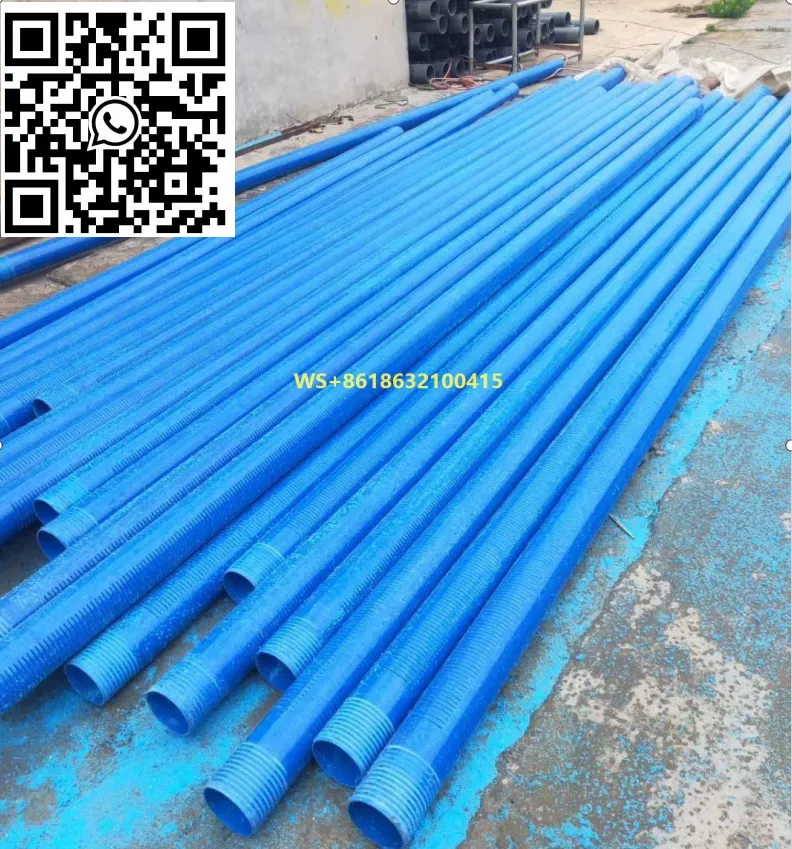
Polyvinyl chloride (PVC) pipe, specifically 12-inch diameter variants, represents a critical component within fluid conveyance infrastructure globally. This guide provides a comprehensive technical overview of 12-inch PVC pipe, encompassing material science, manufacturing processes, performance characteristics, potential failure modes, and relevant industry standards. PVC’s widespread adoption is attributed to its cost-effectiveness, corrosion resistance, and relative ease of installation. It finds application in diverse sectors including water distribution, wastewater management, irrigation, and industrial process piping. However, optimal performance relies on understanding its material limitations and adhering to appropriate engineering and installation practices. This document targets procurement managers, project engineers, and maintenance personnel seeking detailed technical information for informed decision-making regarding 12-inch PVC pipe selection and deployment. Core performance metrics include pressure rating, tensile strength, impact resistance, and long-term durability under varying environmental conditions. The industry frequently encounters challenges related to joint integrity, UV degradation, and soil stress, which this guide addresses in detail.
Material Science & Manufacturing
12-inch PVC pipe is primarily manufactured from PVC resin, typically suspension PVC (S-PVC), blended with stabilizers, lubricants, and impact modifiers. The PVC resin itself is a thermoplastic polymer produced by the polymerization of vinyl chloride monomer (VCM). The critical physical property defining PVC’s performance is its glass transition temperature (Tg) around 80°C, influencing its flexibility and impact resistance. Impact modifiers, commonly methyl methacrylate-butadiene-styrene (MBS) resins, enhance toughness, particularly at lower temperatures. Stabilizers, such as calcium-zinc or lead-based compounds (although lead is increasingly restricted due to environmental concerns), prevent thermal degradation during processing and prolonged service life. Manufacturing utilizes primarily extrusion processes. PVC compound is fed into a single-screw or twin-screw extruder where it is heated, melted, and homogenized. A precisely engineered die shapes the molten PVC into a seamless pipe. Key parameters during extrusion include die temperature (180-210°C), screw speed, and haul-off speed, directly influencing pipe dimensions and wall thickness uniformity. Cooling is achieved through water baths, controlling the rate to prevent warping or cracking. Post-extrusion, pipes are often subjected to hydrostatic testing to verify pressure-bearing capacity and dimensional accuracy. Quality control focuses on resin purity, compound homogeneity, extrusion process control, and rigorous dimensional checks, adhering to standards like ASTM D1785. Jointing methods – solvent cementing, gasketed joints, and mechanical couplings – require precise surface preparation and adherence to manufacturer recommendations for long-term leak-free performance.
Performance & Engineering
The performance of 12-inch PVC pipe is dictated by its ability to withstand internal pressure, external loads, and environmental stressors. Pressure rating (typically ranging from 40 to 160 psi, depending on schedule – 40, 80, etc.) is determined through hydrostatic burst testing per ASTM D1597. Force analysis considers hoop stress (circumferential stress due to internal pressure) and longitudinal stress. External loads include soil loads (bedding and backfill), traffic loads, and hydrostatic uplift. Sufficient bedding and backfill compaction are crucial to distribute loads evenly and prevent pipe ovalation or cracking. The pipe's inherent flexibility allows for some degree of ground movement without catastrophic failure, but excessive deflection can compromise joint integrity. Environmental resistance encompasses UV degradation, chemical attack, and temperature effects. UV stabilizers are incorporated into the PVC compound to mitigate degradation from sunlight exposure. While PVC exhibits good resistance to many common chemicals, prolonged exposure to strong acids, bases, or solvents can cause swelling, softening, or cracking. Temperature significantly influences PVC’s mechanical properties. Increased temperatures reduce strength and stiffness, while low temperatures increase brittleness. Installation practices must consider these factors, particularly in extreme climates. Compliance with local building codes and industry standards (AWWA C900 for water distribution, ASTM D2241 for irrigation) is paramount to ensure safe and reliable operation. Finite element analysis (FEA) is increasingly used to model complex loading scenarios and optimize pipe design for specific applications.
Technical Specifications
| Parameter | Schedule 40 | Schedule 80 | ASTM D1785 Specification |
|---|---|---|---|
| Nominal Pipe Size (inches) | 12 | 12 | 12 |
| Outside Diameter (inches) | 12.68 | 12.68 | Varies based on Schedule |
| Wall Thickness (inches) | 0.290 | 0.375 | Specified by Schedule |
| Pressure Rating (psi at 73°F) | 200 | 350 | Dependent on Schedule & Temperature |
| Tensile Strength (psi) | 6,000 | 6,000 | Minimum 6,000 |
| Impact Strength (ft-lb) | 10 | 12 | Minimum varies by temperature |
Failure Mode & Maintenance
12-inch PVC pipe can experience several failure modes in practical applications. Fatigue cracking, often initiated at stress concentrators (e.g., joints, fittings), results from cyclic loading and can lead to catastrophic failure. Delamination, particularly in lower-quality pipes, occurs when layers within the pipe wall separate, reducing strength. Chemical degradation arises from prolonged exposure to incompatible chemicals, causing swelling, softening, or cracking. UV degradation manifests as surface crazing and embrittlement, reducing impact resistance. Soil stress, induced by improper bedding or heavy loads, can cause ovalation, cracking, or joint separation. Hydrostatic pressure fluctuations can also induce stress and contribute to fatigue failure. Maintenance strategies include regular visual inspections for cracks, leaks, or deformation. Joint integrity should be periodically checked, particularly in areas prone to settlement or vibration. Appropriate bedding and backfill compaction are crucial preventative measures. If damage is detected, repairs should be performed by qualified personnel using approved methods (e.g., pipe clamps, sleeve repairs). Preventative maintenance programs incorporating cathodic protection in corrosive environments can significantly extend pipe lifespan. Thorough record-keeping of installation details, maintenance activities, and failure incidents is essential for effective long-term asset management. Careful consideration must be given to the chemical compatibility of transported fluids with the PVC material to avoid premature degradation.
Industry FAQ
Q: What is the impact of soil corrosivity on the lifespan of 12-inch PVC pipe?
A: Highly corrosive soils can accelerate PVC degradation, particularly if stray electrical currents are present. Corrosivity increases the risk of stress cracking and reduces the long-term durability of the pipe. Employing proper bedding materials, cathodic protection systems, and conducting regular soil resistivity measurements are critical mitigation strategies.
Q: How does temperature affect the pressure rating of 12-inch PVC pipe?
A: Elevated temperatures reduce the pressure rating of PVC pipe. As temperature increases, the material becomes less stiff and more susceptible to failure under internal pressure. De-rating factors are specified in ASTM D1785 and must be considered during design and operation.
Q: What are the common causes of leaks at PVC pipe joints?
A: Leaks at joints typically result from inadequate solvent cementing (insufficient priming, improper cement application, or incompatible materials), improper gasket seating, or movement/separation of the joint due to soil settlement or thermal expansion/contraction. Proper installation procedures and quality control are essential.
Q: Can PVC pipe be used for transporting abrasive slurries?
A: While PVC offers good abrasion resistance compared to some materials, prolonged transport of highly abrasive slurries can cause erosion and wall thinning, ultimately reducing pipe lifespan. Consider using specialized PVC formulations with enhanced abrasion resistance or alternative piping materials.
Q: What are the advantages of Schedule 80 PVC pipe over Schedule 40?
A: Schedule 80 PVC pipe has a thicker wall than Schedule 40, resulting in a higher pressure rating and increased resistance to impact and external loads. It’s generally preferred for applications requiring greater structural integrity and higher operating pressures, despite being more costly.
Conclusion
12-inch PVC pipe remains a dominant material in numerous fluid conveyance applications due to its balance of cost-effectiveness, durability, and ease of installation. However, maximizing its performance and lifespan necessitates a thorough understanding of its material properties, manufacturing nuances, and potential failure modes. Careful consideration of environmental factors, loading conditions, and chemical compatibility is paramount during design and installation.
Continued advancements in PVC resin formulations, extrusion techniques, and jointing technologies will further enhance the reliability and longevity of 12-inch PVC pipe systems. Implementing robust maintenance programs, incorporating preventative measures against corrosion and UV degradation, and adhering to relevant industry standards are crucial for ensuring the long-term integrity of these critical infrastructure components.
-
DN25 HDPE Compression Fitting-HORON INTERNATIONAL|Reliable Irrigation Solutions
NewsFeb.11,2026
-
china corrugated hdpe pipe fittings Performance Analysis
News2026-05-22
-
china ppr pipe for hot water Performance Analysis
News2026-05-22
-
china ppr Technical Performance Analysis
News2026-05-22
-
china corrugated dual wall pipe Performance Analysis
News2026-05-22
-
china sink inlet pipe Material Performance Analysis
News2026-05-22
-
china 1 2 inch pvc Performance Analysis
News2026-05-21
-
china hdpe pipe joint coupler Performance Analysis
News2026-05-21
-
china ppr pipes and fittings price list Technical Analysis
News2026-05-21
-
china 9 inch pvc pipe price Performance Analysis
News2026-05-21
-
china 2 inch borewell column pipe price Performance Engineering
News2026-05-21
-
china hdpe pipe suppliers Performance Analysis
News2026-05-20
-
china submersible pump column pipe Performance Engineering
News2026-05-20
-
china 8 hdpe corrugated pipe Manufacturing Analysis
News2026-05-20
-
china dual wall hdpe pipe Performance Analysis
News2026-05-20
-
china water lines under sink Performance Analysis
News2026-05-20