

Feb . 11, 2026 00:01 Back to list
12 inch pvc pipe factory Performance Analysis
Introduction
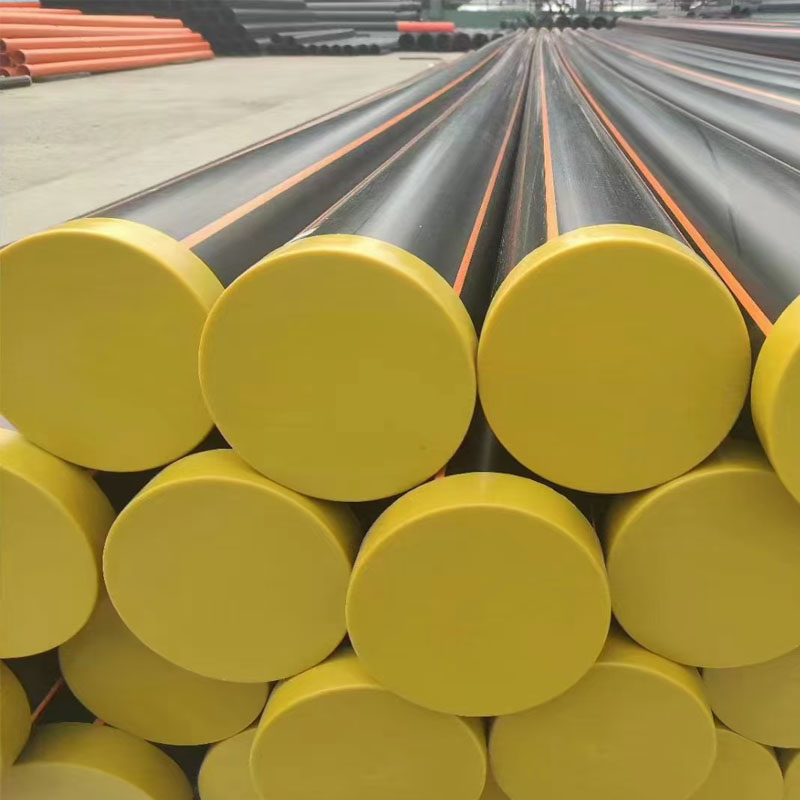
12-inch Polyvinyl Chloride (PVC) pipe represents a critical component in a vast range of infrastructure applications, encompassing water distribution, wastewater management, irrigation, and industrial fluid conveyance. This technical guide provides an in-depth examination of 12-inch PVC pipe, focusing on its material science, manufacturing processes, performance characteristics, potential failure modes, and relevant industry standards. Its prevalence stems from a balance of cost-effectiveness, durability, chemical resistance, and ease of installation. However, specific applications demand a nuanced understanding of PVC's limitations, particularly regarding temperature sensitivity, UV degradation, and long-term creep resistance. This document aims to provide the necessary technical detail for informed material selection and proper implementation within complex B2B industrial contexts. The current industry faces challenges around sourcing consistent material quality, ensuring long-term performance prediction, and navigating evolving regulatory demands concerning material leachates and environmental impact.
Material Science & Manufacturing
The fundamental material of 12-inch PVC pipe is a thermoplastic polymer synthesized from the polymerization of vinyl chloride monomer (VCM). The resulting PVC resin is inherently rigid and brittle. To enhance its processability and impact resistance, plasticizers, primarily phthalates or alternative non-phthalate esters, are incorporated. The amount of plasticizer dictates the flexibility of the final product, categorizing it into rigid PVC (typically >90% PVC content) and flexible PVC. 12-inch pipe generally utilizes rigid PVC formulations. Other crucial additives include heat stabilizers (typically organotin compounds or calcium-zinc stabilizers), lubricants (stearic acid-based), and impact modifiers (acrylic polymers). The manufacturing process typically involves compounding these raw materials – PVC resin, plasticizers, stabilizers, lubricants, and pigments – in a high-intensity mixer. This homogenous mixture is then fed into an extruder, where it’s heated and forced through a die to form a continuous pipe profile. Critical parameters during extrusion include melt temperature (typically 180-210°C), screw speed, and die pressure. Proper temperature control is vital to prevent degradation of the PVC polymer and maintain dimensional accuracy. Following extrusion, the pipe is cooled in a water bath, calibrated to ensure consistent diameter, and then cut to specified lengths. Quality control measures include regular testing of resin properties (K-value, viscosity), pipe dimensions (diameter, wall thickness), and hydrostatic pressure resistance.
Performance & Engineering
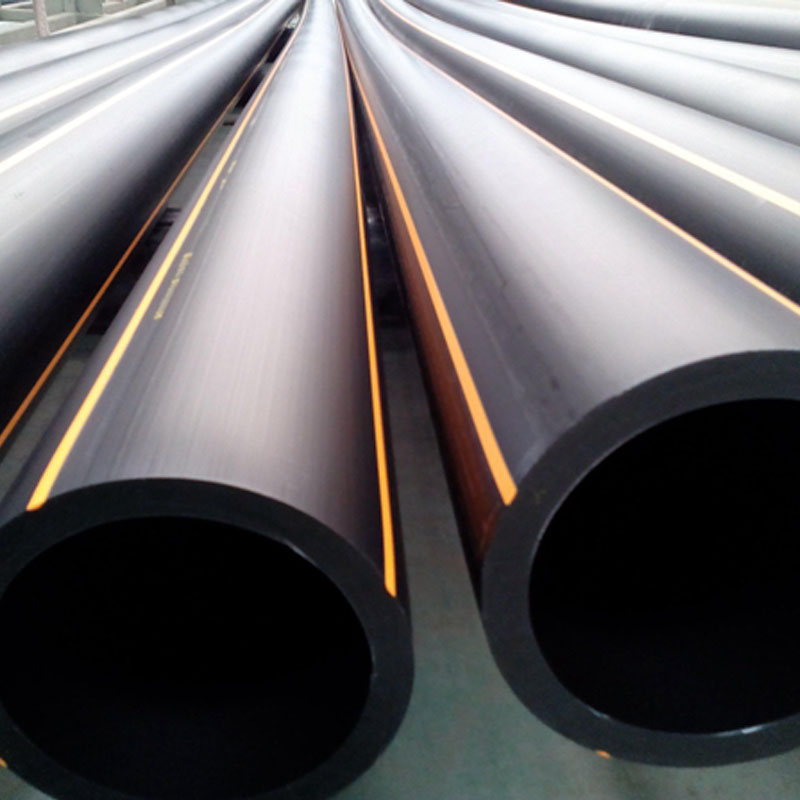
The performance of 12-inch PVC pipe is governed by several engineering principles. Its mechanical strength, particularly its tensile strength and burst pressure, is crucial for withstanding internal fluid pressure. These properties are directly related to the pipe's wall thickness and the PVC compound formulation. A key consideration is the long-term hydrostatic strength, which decreases over time due to creep – the slow, permanent deformation of the material under sustained stress. This creep behavior is temperature-dependent, with higher temperatures accelerating the rate of deformation. Furthermore, PVC exhibits a glass transition temperature (Tg) around 80-85°C. Exceeding this temperature significantly reduces its mechanical properties. Environmental resistance is another critical factor. While PVC is highly resistant to many chemicals, prolonged exposure to certain solvents and oxidizing agents can cause degradation. UV radiation can also lead to embrittlement and discoloration over time, necessitating the use of UV stabilizers in outdoor applications. Installation practices are paramount; proper bedding and backfilling are essential to prevent stresses that could lead to cracking or deformation. Standards like ASTM D2412 and ASTM F477 specify requirements for pipe stiffness and joint tightness, respectively, ensuring the integrity of the pipeline system. Force analysis during installation and operation must account for soil load, traffic load (if applicable), and hydrostatic pressure.
Technical Specifications
| Parameter | Units | Typical Value (Schedule 40) | Typical Value (Schedule 80) |
|---|---|---|---|
| Nominal Pipe Size | inches | 12 | 12 |
| Outside Diameter | inches | 12.68 | 12.68 |
| Wall Thickness | inches | 0.237 | 0.375 |
| Pressure Rating (Hydrostatic) | psi | 350 | 600 |
| Tensile Strength | psi | 6,900 | 6,900 |
| Flexural Modulus | psi | 3,000 – 4,000 | 3,000 – 4,000 |
| Water Absorption (24 hrs) | % | <0.1 | <0.1 |
Failure Mode & Maintenance
12-inch PVC pipe is susceptible to several failure modes. Slow Crack Growth (SCG) is a primary concern, particularly in systems exposed to sustained tensile stress and aggressive environments. SCG initiates at surface flaws and propagates slowly through the material. Environmental Stress Cracking (ESC) is similar but occurs under the combined influence of stress and specific chemical agents. Hydrostatic Burst failures are typically caused by exceeding the pressure rating of the pipe or by defects in the pipe wall. Joint failures can occur due to improper solvent welding, inadequate rubber ring seals, or damage to the joint area. UV degradation leads to surface embrittlement and cracking in exposed applications. Soil loading and deformation can cause ovalization and cracking, particularly if the pipe is not adequately supported. Preventative maintenance includes regular visual inspections for cracks, leaks, or discoloration. Pressure testing should be conducted periodically to verify the integrity of the system. Proper backfilling and bedding are essential to prevent external stresses. For systems handling corrosive fluids, periodic chemical compatibility assessments should be performed. Repair options for minor cracks may include patching with PVC cement, while more significant damage typically necessitates pipe replacement. Consideration of cathodic protection may be necessary in certain soil conditions to mitigate corrosion of any metallic components within the pipeline system.
Industry FAQ
Q: What is the impact of temperature on the long-term performance of 12-inch PVC pipe?
A: Elevated temperatures significantly accelerate creep deformation in PVC, reducing its long-term hydrostatic strength. Furthermore, exceeding the glass transition temperature compromises the material's rigidity and load-bearing capacity. Therefore, applications involving high temperatures require careful consideration of derating factors and alternative materials.
Q: How does the type of plasticizer affect the performance of PVC pipe?
A: The type and concentration of plasticizer impact the pipe’s flexibility, impact resistance, and chemical resistance. Phthalate plasticizers, while cost-effective, are facing increasing regulatory scrutiny due to health concerns. Alternative non-phthalate plasticizers offer improved environmental profiles but may exhibit different performance characteristics regarding migration and compatibility.
Q: What are the critical considerations when solvent welding 12-inch PVC pipe joints?
A: Proper surface preparation (cleaning and priming), appropriate solvent cement selection based on PVC formulation, adequate ventilation, and correct application technique (cementing both surfaces) are crucial. Insufficient cement, improper curing time, or contamination can lead to weak joints prone to failure.
Q: How can I mitigate the risk of slow crack growth in a PVC pipeline?
A: Minimize sustained tensile stresses through proper installation support and backfilling. Avoid exposure to aggressive chemicals known to induce SCG. Consider using PVC formulations with improved resistance to SCG, such as those incorporating metallocene catalysts. Implement regular inspection programs to detect early signs of cracking.
Q: What is the importance of hydrostatic testing for newly installed 12-inch PVC pipelines?
A: Hydrostatic testing verifies the integrity of the pipeline system by subjecting it to a pressure significantly higher than its operating pressure. This test identifies any leaks, weak joints, or defects in the pipe wall before the system is put into service, preventing costly failures and ensuring long-term reliability.
Conclusion
12-inch PVC pipe remains a dominant material in numerous infrastructure applications due to its combination of affordability, durability, and ease of installation. However, its performance is intricately linked to its material composition, manufacturing quality, installation practices, and operating environment. A thorough understanding of PVC’s material properties, potential failure modes, and relevant industry standards is paramount for ensuring long-term reliability and minimizing lifecycle costs.
Future developments in PVC technology will likely focus on enhancing its resistance to SCG, reducing its environmental impact through the adoption of bio-based plasticizers, and improving its performance at elevated temperatures. Continued research and adherence to evolving industry standards are crucial for optimizing the performance and sustainability of 12-inch PVC pipe systems.
-
DN25 HDPE Compression Fitting-HORON INTERNATIONAL|Reliable Irrigation Solutions
NewsFeb.11,2026
-
china corrugated hdpe pipe fittings Performance Analysis
News2026-05-22
-
china ppr pipe for hot water Performance Analysis
News2026-05-22
-
china ppr Technical Performance Analysis
News2026-05-22
-
china corrugated dual wall pipe Performance Analysis
News2026-05-22
-
china sink inlet pipe Material Performance Analysis
News2026-05-22
-
china 1 2 inch pvc Performance Analysis
News2026-05-21
-
china hdpe pipe joint coupler Performance Analysis
News2026-05-21
-
china ppr pipes and fittings price list Technical Analysis
News2026-05-21
-
china 9 inch pvc pipe price Performance Analysis
News2026-05-21
-
china 2 inch borewell column pipe price Performance Engineering
News2026-05-21
-
china hdpe pipe suppliers Performance Analysis
News2026-05-20
-
china submersible pump column pipe Performance Engineering
News2026-05-20
-
china 8 hdpe corrugated pipe Manufacturing Analysis
News2026-05-20
-
china dual wall hdpe pipe Performance Analysis
News2026-05-20
-
china water lines under sink Performance Analysis
News2026-05-20