

Feb . 11, 2026 00:01 Back to list
china pvc pipe used for water supply Performance and Engineering
Introduction
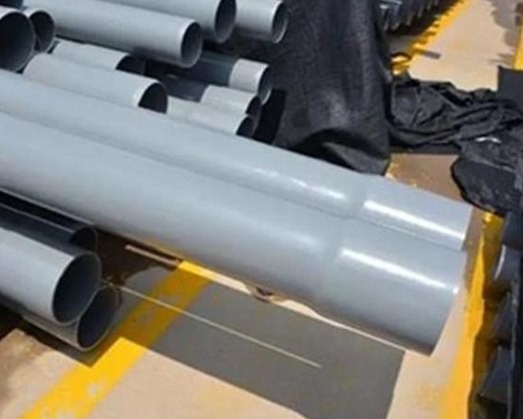
Polyvinyl Chloride (PVC) pipe manufactured in China for water supply applications represents a significant portion of the global PVC piping market. This guide provides a comprehensive technical overview of these pipes, encompassing their material composition, manufacturing processes, performance characteristics, common failure modes, and relevant industry standards. PVC’s widespread adoption stems from its cost-effectiveness, corrosion resistance, and relatively simple installation. However, variations in manufacturing quality and adherence to international standards present critical considerations for procurement professionals and engineers. This document will delve into these specifics, focusing on the technical aspects essential for reliable long-term performance in potable water distribution systems. The key performance characteristics include pressure rating, tensile strength, impact resistance, and chemical inertness concerning water treatment chemicals. Understanding these factors is paramount for preventing failures such as cracking, leakage, and contamination.
Material Science & Manufacturing
The primary raw material for China PVC water supply pipes is Polyvinyl Chloride resin, typically sourced as suspension PVC (S-PVC). Additives are crucial for modifying PVC’s inherent brittleness and enhancing its processability. These include plasticizers, such as dioctyl phthalate (DOP) or dibutyl phthalate (DBP), which increase flexibility; stabilizers, commonly based on organotin compounds or calcium-zinc formulations, to prevent thermal degradation during processing; and impact modifiers, like chlorinated polyethylene (CPE) or acrylic impact modifiers, to improve fracture toughness. Manufacturing typically involves extrusion. PVC resin and additives are thoroughly mixed and fed into a twin-screw extruder. The extruder heats the mixture, melting the PVC and homogenizing the blend. The molten PVC is then forced through a die to form the desired pipe diameter and wall thickness. Cooling is achieved through water baths, and the pipe is cut to length. Critical parameters in this process include extrusion temperature (typically 180-210°C), screw speed, die design, and cooling rate. Maintaining consistent temperature control and screw speed is essential for ensuring uniform material distribution and preventing defects like voids or uneven wall thickness. The quality of the PVC resin, the precise ratio of additives, and the control of extrusion parameters significantly influence the final product’s mechanical properties and long-term durability. Variations in these factors are frequently observed in Chinese manufacturing, leading to inconsistencies in product quality.
Performance & Engineering
The performance of PVC pipes in water supply systems is dictated by their ability to withstand hydrostatic pressure and external loads. Hydrostatic pressure testing is a standard quality control measure, typically conducted at 1.5 times the pipe’s rated working pressure for a specified duration. Engineering calculations related to PVC pipe involve determining the allowable stress based on the material’s tensile strength, Young’s modulus, and a suitable safety factor. The Hazen-Williams equation is commonly used to calculate head loss due to friction within the pipe, which is crucial for pump sizing and system design. Environmental resistance is another critical factor. PVC is susceptible to degradation from UV exposure, which can lead to embrittlement and cracking. Therefore, UV stabilizers are added during manufacturing, and pipes are often recommended for burial or shading in exposed applications. Chemical compatibility is also essential; while PVC is generally resistant to many water treatment chemicals, prolonged exposure to certain solvents or high concentrations of chlorine can cause swelling or degradation. Installation practices significantly affect performance. Proper bedding and backfilling are vital to distribute external loads and prevent pipe deformation. Thermal expansion and contraction must also be accounted for, particularly in long pipeline runs, to prevent stress buildup and potential failure. Furthermore, PVC’s relatively low modulus of elasticity necessitates adequate support to prevent buckling under axial loads.
Technical Specifications
| Parameter | Schedule 40 (mm) | Schedule 80 (mm) | Units |
|---|---|---|---|
| Outside Diameter | 110 | 110 | mm |
| Wall Thickness | 3.2 | 4.2 | mm |
| Pressure Rating (at 23°C) | 450 | 600 | psi |
| Tensile Strength | 55 | 55 | MPa |
| Impact Strength (Izod Notched) | 8 | 10 | kJ/m2 |
| Water Absorption (24hr) | <0.1 | <0.1 | % |
Failure Mode & Maintenance
Common failure modes in China PVC water supply pipes include longitudinal cracking, circumferential cracking, and pinhole leaks. Longitudinal cracking often originates from stress concentrations at pipe joints or due to excessive bending during installation. Circumferential cracking can occur due to embrittlement from UV exposure or degradation from chemical attack. Pinhole leaks are often associated with manufacturing defects, such as inclusions or voids in the pipe wall. Fatigue cracking can develop over time due to cyclic pressure fluctuations. A crucial failure analysis involves examining the fracture surface using microscopy to determine the root cause. Maintenance strategies include regular inspections for visual defects, pressure testing to identify leaks, and cathodic protection in corrosive environments. Repairs can involve the use of PVC couplings or sleeves, depending on the size and location of the damage. For significant damage, pipe replacement is often necessary. Preventive maintenance includes ensuring proper installation practices, providing adequate support, and protecting pipes from UV exposure and extreme temperatures. The addition of corrosion inhibitors to the water supply can also help to prolong pipe life. Degradation due to prolonged exposure to certain disinfectants should be monitored, and alternative disinfection methods considered if necessary. Oxidation of plasticizers can lead to embrittlement over extended periods.
Industry FAQ
Q: What is the typical service life expectancy of a properly installed and maintained China PVC water supply pipe?
A: A properly installed and maintained China PVC water supply pipe typically has a service life expectancy of 50-100 years. However, this is heavily dependent on factors such as water quality, soil conditions, UV exposure, and adherence to proper installation practices. Regular inspections and preventative maintenance are crucial for maximizing longevity.
Q: How does the quality of PVC pipe manufactured in China compare to that manufactured in other countries, such as Germany or the USA?
A: Historically, there have been inconsistencies in the quality of PVC pipe manufactured in China. While many Chinese manufacturers now adhere to international standards, variations in raw material quality, process control, and quality assurance procedures can exist. Independent testing and certification are essential to verify compliance with relevant standards. Pipes from Germany and the USA generally have stricter quality control protocols, but price points are typically higher.
Q: What are the key differences between Schedule 40 and Schedule 80 PVC pipe, and when should each be used?
A: Schedule 40 PVC pipe has thinner walls and is suitable for lower-pressure applications. Schedule 80 PVC pipe has thicker walls and offers greater pressure resistance. Schedule 80 is typically used in industrial applications, underground installations with heavy traffic loads, or where higher safety factors are required. The choice depends on the specific operating pressure, external load requirements, and local regulations.
Q: What is the impact of water hammer on PVC pipe systems, and how can it be mitigated?
A: Water hammer, or pressure surge, can cause significant stress on PVC pipe systems, leading to cracking or even catastrophic failure. It is caused by the sudden stopping or starting of water flow. Mitigation strategies include the installation of surge arrestors (air chambers or pressure relief valves), slow-closing valves, and proper pipe anchoring to prevent movement during pressure fluctuations.
Q: Are there any concerns regarding the leaching of chemicals from PVC pipe into the potable water supply?
A: While PVC is generally considered safe for potable water transport, there are potential concerns about the leaching of plasticizers and other additives. The levels of these chemicals are regulated by various health organizations, and PVC pipes manufactured to NSF/ANSI 61 standards are certified to meet these requirements. Using high-quality PVC compounds and ensuring proper curing during manufacturing minimizes leaching.
Conclusion
China PVC pipe for water supply represents a cost-effective and versatile solution for potable water distribution. However, a comprehensive understanding of its material properties, manufacturing processes, and potential failure modes is crucial for ensuring long-term reliability and preventing costly failures. Variability in manufacturing quality necessitates rigorous quality control measures, including independent testing and certification against international standards.
Future developments in PVC technology focus on the incorporation of bio-based plasticizers and improved stabilizer systems to enhance sustainability and reduce environmental impact. Continued research into novel PVC formulations and manufacturing techniques will further improve the performance and durability of these pipes, ensuring their continued relevance in water infrastructure projects globally. Careful consideration of installation practices and ongoing maintenance programs are essential for maximizing the service life and minimizing the risk of failures.
-
DN25 HDPE Compression Fitting-HORON INTERNATIONAL|Reliable Irrigation Solutions
NewsFeb.11,2026
-
china hdpe coupling joint Performance Analysis
News2026-06-05
-
china ppr pipe connector Manufacturing Analysis
News2026-06-05
-
china ppr pipe 20mm Manufacturing Analysis
News2026-06-05
-
china pvc pipe used for water supply Performance and Engineering
News2026-06-05
-
china orange pvc pipe Performance Engineering
News2026-06-05
-
china 1 2 ppr pipe in mm Performance Analysis
News2026-06-04
-
china hdpe pipe for water supply specifications Performance Analysis
News2026-06-04
-
china ppr hot water pipe insulation Thermal Performance
News2026-06-04
-
china 24 inch diameter pvc pipe Performance Analysis
News2026-06-04
-
china ppr hot water pipe Performance Analysis
News2026-06-04
-
china 3.5 inch pvc pipe Performance Analysis
News2026-06-03
-
china 75mm plastic pipe Performance Analysis
News2026-06-03
-
china use of ppr pipe Performance Analysis
News2026-06-03
-
china hdpe corrugated subsoil drainage pipe Performance Analysis
News2026-06-03
-
china ppr quick connector Performance Analysis
News2026-06-03