

Feb . 11, 2026 00:01 Back to list
china hdpe coupling joint Performance Analysis
Introduction
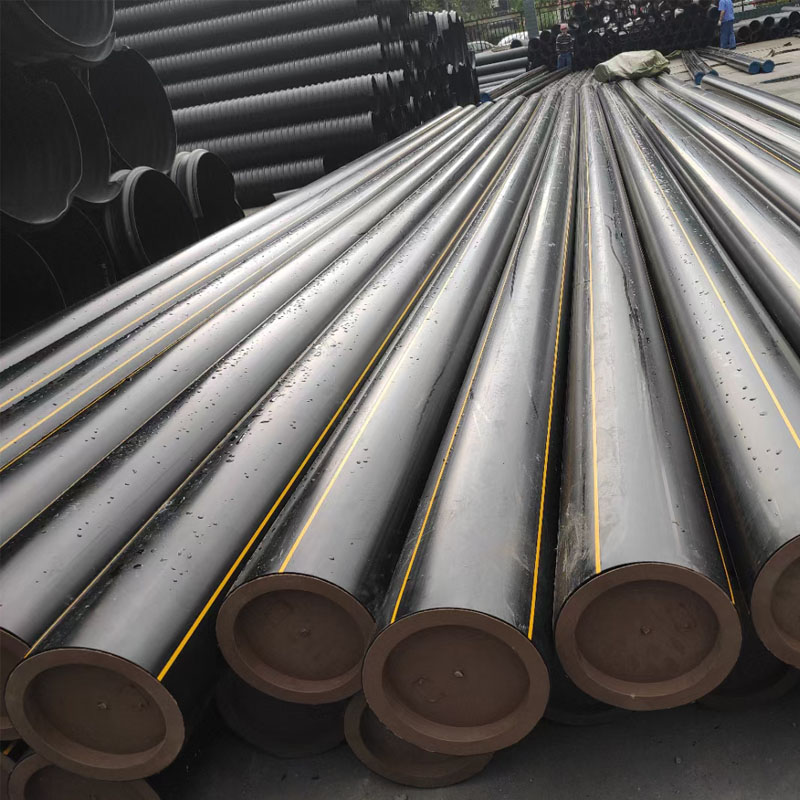
High-Density Polyethylene (HDPE) coupling joints, manufactured in China, represent a critical component in a wide range of fluid transfer systems. These joints facilitate the connection of HDPE pipes, commonly utilized in infrastructure projects encompassing water distribution, irrigation, drainage, gas conveyance, and industrial applications. Their technical position within the industry chain resides between pipe extrusion/manufacturing and the final installation of pipeline networks. Core performance characteristics center around leak-proof sealing under pressure, resistance to chemical degradation, and long-term durability in diverse environmental conditions. A key industry pain point is ensuring consistent dimensional accuracy and weldability across various manufacturers to avoid installation issues and system failures. Maintaining consistent material quality (specifically HDPE resin grade) is also paramount to guarantee long-term performance and compliance with international standards. The proliferation of substandard products necessitates rigorous quality control and material verification for procurement professionals.
Material Science & Manufacturing
The primary raw material for HDPE coupling joints is, naturally, High-Density Polyethylene (HDPE) resin. HDPE is a thermoplastic polymer produced from the polymerization of ethylene. Key physical properties influencing coupling joint performance include density (typically ranging from 0.93 to 0.97 g/cm³), tensile strength (20-30 MPa), elongation at break (300-700%), and a relatively low coefficient of friction. The molecular weight distribution of the HDPE resin is crucial; broader distributions can improve processability but may compromise long-term creep resistance. Manufacturing typically involves injection molding. This process requires precise control of melt temperature (180-220°C), mold temperature (30-50°C), and injection pressure (50-150 MPa) to achieve optimal material flow and minimize residual stress. The molding process also dictates the crystallisation rate of the HDPE, influencing its long-term structural integrity. Post-molding, joints may undergo stress relieving annealing to reduce internal stresses and dimensional instability. Chemical compatibility is vital; HDPE exhibits excellent resistance to acids, alkalis, and many solvents, but can be susceptible to degradation by prolonged exposure to strong oxidizing agents and certain hydrocarbons. Joints intended for potable water systems must utilize HDPE resins certified for drinking water contact, complying with regulations like NSF/ANSI 61.
Performance & Engineering
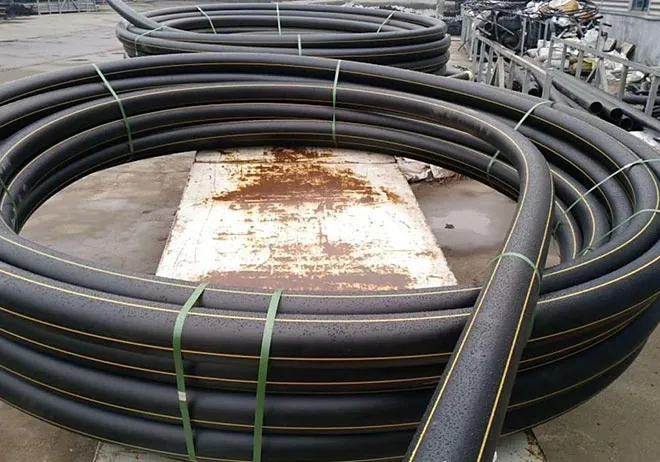
Performance of HDPE coupling joints is fundamentally linked to their ability to withstand internal pressure and external loads. Force analysis considers hoop stress generated by internal pressure, which is directly proportional to the pipe diameter and pressure, and inversely proportional to the wall thickness. Coupling joints must be designed to handle these stresses without deformation or failure. Engineering considerations also encompass thermal expansion and contraction of the HDPE material. Temperature fluctuations can induce significant stresses at the joint interface if proper allowances are not made during installation, often necessitating expansion loops or flexible connections. Environmental resistance is crucial, particularly in underground applications. HDPE is generally resistant to corrosion, but long-term exposure to UV radiation can cause embrittlement. Joints intended for above-ground use require UV stabilization additives. Compliance requirements vary by region and application. For pressurized water systems, joints must meet pressure testing standards specified by organizations like AWWA (American Water Works Association). Gas conveyance systems require adherence to stringent safety standards, including leak detection protocols and material traceability. The joint's design must also account for soil loading and potential ground movement, ensuring its structural integrity over its service life. Finite element analysis (FEA) is frequently employed to optimize joint geometry and material distribution to maximize performance and minimize stress concentrations.
Technical Specifications
| Parameter | Units | Specification Range | Testing Standard |
|---|---|---|---|
| Nominal Diameter | mm | 20 - 630 | ISO 4427 |
| Pressure Rating | bar | PN6 - PN16 | ISO 14236 |
| Material | - | HDPE (PE100, PE80) | ISO 4437 |
| Joint Type | - | Electrofusion, Butt Fusion, Mechanical | DIN EN 15553 |
| Operating Temperature | °C | -40 to +60 | ASTM D1694 |
| Tensile Strength (of HDPE) | MPa | >20 | ISO 527-2 |
Failure Mode & Maintenance
HDPE coupling joint failure can manifest in several modes. Fatigue cracking, particularly in electrofusion joints, can occur due to cyclical pressure loading and temperature variations, often initiated at weld imperfections. Delamination can occur in mechanical joints if the clamping force is insufficient or unevenly distributed. Chemical degradation, though less common, can be induced by exposure to aggressive chemicals or prolonged UV radiation, leading to embrittlement and cracking. Oxidation can occur at elevated temperatures, reducing the material's ductility and strength. Installation errors, such as improper alignment or insufficient welding parameters, are a significant contributor to failure. Maintenance primarily focuses on visual inspection for cracks, deformation, or leaks. Regular pressure testing can identify potential weaknesses before catastrophic failure occurs. For electrofusion joints, periodic electrical resistance measurements can detect degradation of the weld area. If a leak is detected, the joint should be replaced. Preventive maintenance includes protecting above-ground joints from UV exposure with protective coatings or shielding. Proper burial depth and backfilling procedures are crucial to minimize external stress and prevent mechanical damage.
Industry FAQ
Q: What are the key differences between electrofusion and butt fusion HDPE coupling joints, and which is preferred for high-pressure applications?
A: Electrofusion utilizes an electrical current to melt the HDPE at the joint interface, creating a homogenous weld. Butt fusion involves friction heating of the pipe ends and joint, then pressing them together to form a weld. Electrofusion is generally preferred for smaller diameters and complex geometries, offering greater control and traceability. Butt fusion is more cost-effective for larger diameters. For high-pressure applications, butt fusion often provides a stronger, more reliable weld due to the larger weld area and reduced risk of weld defects, provided proper operator training and equipment calibration are maintained. However, advanced electrofusion techniques with rigorous quality control can also achieve comparable performance.
Q: How does the HDPE resin grade (PE100 vs. PE80) impact the long-term performance of the coupling joint?
A: PE100 exhibits superior long-term hydrostatic strength (LTHS) compared to PE80. LTHS is a measure of a material’s ability to withstand sustained internal pressure over a 50-year lifespan. PE100 can therefore handle higher pressures and is recommended for critical applications like water distribution and gas conveyance. PE80 is suitable for lower-pressure applications like irrigation and drainage, where the stress levels are lower. Selecting the appropriate resin grade based on the application’s pressure and temperature requirements is crucial for ensuring long-term reliability.
Q: What quality control measures should be implemented to ensure the reliability of HDPE coupling joints sourced from China?
A: Implementing a comprehensive quality control program is essential. This includes verifying the manufacturer’s certifications (ISO 9001, etc.), conducting independent material testing (density, molecular weight distribution, tensile strength), performing hydrostatic pressure testing on a representative sample of joints, and inspecting for visual defects (cracks, voids, inconsistencies). A robust traceability system to track the resin batch and manufacturing date is also critical. Third-party inspection services can provide an additional layer of assurance.
Q: What are the common causes of leakage in HDPE coupling joints after installation?
A: Common causes of leakage include improper fusion parameters (temperature, pressure, time), inadequate surface preparation prior to fusion, contamination of the weld area, mechanical damage during installation (e.g., over-bending or impact), and thermal expansion/contraction stresses not accounted for during installation. In mechanical joints, insufficient clamping force or damaged sealing elements can also cause leaks. Proper training of installation personnel and adherence to manufacturer’s instructions are crucial for preventing leaks.
Q: What is the expected service life of a properly installed HDPE coupling joint, and what factors can affect this lifespan?
A: A properly installed HDPE coupling joint can have a service life exceeding 50 years, and potentially up to 100 years in ideal conditions. Factors that can affect this lifespan include the operating pressure, temperature, exposure to UV radiation and aggressive chemicals, soil conditions (for buried joints), and the quality of the initial installation. Regular inspection and preventive maintenance can help maximize the service life of the joint.
Conclusion
China-manufactured HDPE coupling joints represent a vital component in modern fluid transfer infrastructure. Their performance and longevity are dictated by a complex interplay of material science, manufacturing precision, and proper installation. Understanding the nuances of HDPE resin properties, fusion techniques, and potential failure modes is crucial for procurement professionals and engineers alike. Maintaining consistent quality control and adhering to international standards are paramount to ensure reliable, long-term performance and mitigate the risks associated with substandard products.
Moving forward, advancements in HDPE resin technology, coupled with enhanced quality control processes and improved installation techniques, will further solidify the role of HDPE coupling joints in sustainable infrastructure development. The ongoing emphasis on traceability, rigorous testing, and operator training will be key to unlocking the full potential of these versatile and durable components. Continued research into innovative joint designs and materials will address evolving industry demands and extend service life in challenging environments.
-
DN25 HDPE Compression Fitting-HORON INTERNATIONAL|Reliable Irrigation Solutions
NewsFeb.11,2026
-
china hdpe coupling joint Performance Analysis
News2026-06-05
-
china ppr pipe connector Manufacturing Analysis
News2026-06-05
-
china ppr pipe 20mm Manufacturing Analysis
News2026-06-05
-
china pvc pipe used for water supply Performance and Engineering
News2026-06-05
-
china orange pvc pipe Performance Engineering
News2026-06-05
-
china 1 2 ppr pipe in mm Performance Analysis
News2026-06-04
-
china hdpe pipe for water supply specifications Performance Analysis
News2026-06-04
-
china ppr hot water pipe insulation Thermal Performance
News2026-06-04
-
china 24 inch diameter pvc pipe Performance Analysis
News2026-06-04
-
china ppr hot water pipe Performance Analysis
News2026-06-04
-
china 3.5 inch pvc pipe Performance Analysis
News2026-06-03
-
china 75mm plastic pipe Performance Analysis
News2026-06-03
-
china use of ppr pipe Performance Analysis
News2026-06-03
-
china hdpe corrugated subsoil drainage pipe Performance Analysis
News2026-06-03
-
china ppr quick connector Performance Analysis
News2026-06-03