

Feb . 11, 2026 00:01 Back to list
china orange pvc pipe Performance Engineering

Introduction
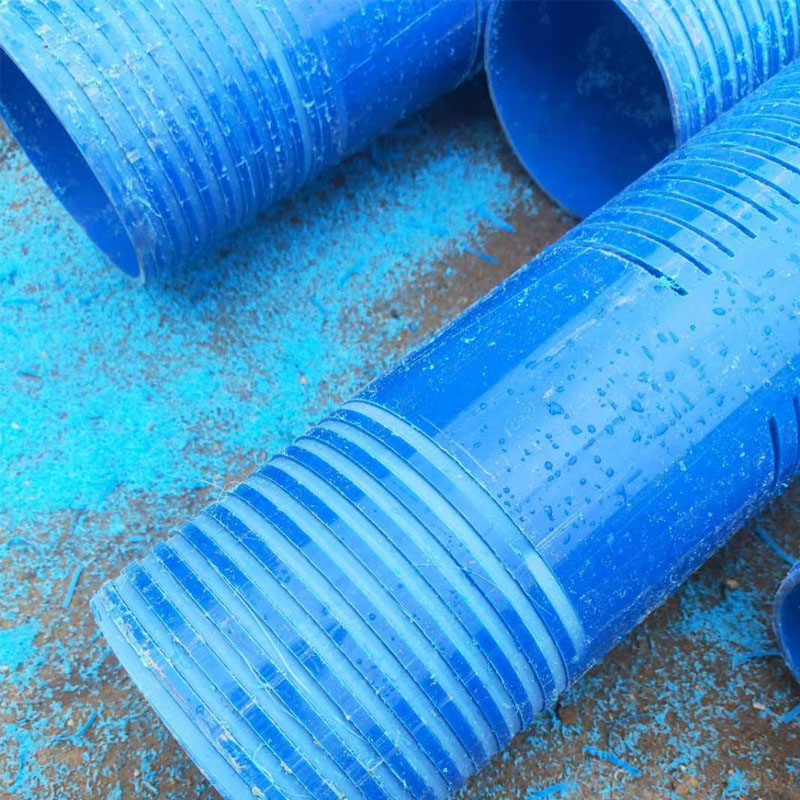
Polyvinyl chloride (PVC) pipe, particularly in the color commonly referred to as “china orange,” represents a significant component in fluid conveyance systems across diverse industrial and infrastructural applications. Its position within the broader piping industry chain is foundational, serving as a cost-effective alternative to metallic piping in non-critical pressure and temperature environments. While the “china orange” designation often relates to specific manufacturing origins and pigment choices—typically utilizing iron oxide pigments for coloration—the core material properties remain consistent with standard PVC compounds. The primary performance characteristics defining its utility are chemical resistance, rigidity, ease of installation, and relatively low cost. This guide provides a comprehensive technical overview of china orange PVC pipe, covering material science, manufacturing processes, performance engineering, potential failure modes, and relevant industry standards.
Material Science & Manufacturing
China orange PVC pipe is fundamentally composed of polyvinyl chloride, a thermoplastic polymer created through the polymerization of vinyl chloride monomer (VCM). The raw material, ethylene dichloride (EDC), is first synthesized from ethylene and chlorine. This EDC is then cracked to produce VCM, which undergoes polymerization – typically suspension polymerization – to yield PVC resin. The “china orange” coloration is achieved by incorporating iron oxide pigments (primarily Fe2O3) into the PVC compound during the mixing stage. Additives such as stabilizers (typically organotin compounds or calcium-zinc stabilizers, increasingly replacing tin-based compounds due to environmental concerns), lubricants (stearates), and impact modifiers (acrylonitrile butadiene styrene – ABS, or chlorinated polyethylene – CPE) are also added to tailor the material properties. Manufacturing primarily utilizes extrusion processes. PVC compound is fed into a single or twin-screw extruder, where it is heated, melted, and forced through a die to create the pipe’s desired dimensions. Critical parameters during extrusion include die temperature, screw speed, and puller speed, directly influencing wall thickness consistency and surface finish. Cooling is achieved through water baths, followed by dimensional stabilization and cutting to specified lengths. Quality control involves rigorous testing of material composition, dimensions, and hydrostatic pressure resistance per relevant standards.
Performance & Engineering
The performance of china orange PVC pipe is governed by several engineering considerations. Hydrostatic pressure resistance is paramount, dictated by the pipe’s schedule (wall thickness) and diameter. The Barlow’s formula provides a fundamental basis for calculating burst pressure: P = (2 S t) / D, where P is the pressure, S is the tensile strength of the PVC, t is the wall thickness, and D is the outer diameter. Long-term hydrostatic strength is reduced by creep, a time-dependent deformation under sustained stress. Therefore, derating factors are applied based on operating temperature and anticipated service life. Soil loading is another critical factor in buried applications, requiring sufficient embedment depth and backfill compaction to prevent ovalization and cracking. Chemical resistance is a strong suit of PVC, resisting acids, bases, and many solvents, but susceptible to degradation by ketones, esters, and aromatic hydrocarbons. Temperature limitations are also crucial; PVC becomes brittle at low temperatures (below 0°C) and loses strength at elevated temperatures (above 60°C). For potable water applications, compliance with NSF/ANSI 61 standards is essential, ensuring the pipe does not leach harmful contaminants into the water supply. Furthermore, UV exposure can cause discoloration and embrittlement; UV stabilizers are added to the formulation, but prolonged exposure necessitates protective coatings or burial.
Technical Specifications
| Parameter | Units | Schedule 40 | Schedule 80 |
|---|---|---|---|
| Outside Diameter | mm | 114.3 | 114.3 |
| Wall Thickness | mm | 4.2 | 5.6 |
| Burst Pressure | MPa | 5.5 | 8.3 |
| Hydrostatic Design Stress | MPa | 4.1 | 6.2 |
| Tensile Strength | MPa | 62-69 | 62-69 |
| Impact Strength (Izod Notched) | J/m | 50-80 | 70-100 |
Failure Mode & Maintenance
China orange PVC pipe, while durable, is susceptible to several failure modes. Long-term hydrostatic stress can induce slow crack growth (SCG), especially in environments with residual stresses and trace contaminants. This results in brittle fracture, often occurring at stress concentrators like fittings or welds. UV degradation, as mentioned previously, leads to surface cracking and embrittlement, reducing impact resistance. Soil loading can cause ovalization and cracking, particularly if the pipe is not properly bedded and backfilled. Chemical attack by incompatible substances can result in swelling, softening, and eventual failure. Poor installation practices, such as over-tightening fittings or improper solvent welding, can create weak points prone to leakage. Maintenance primarily involves visual inspection for cracks, discoloration, or deformation. Leakage indicates a compromised section requiring repair or replacement. Preventative measures include proper material selection for the intended application, correct installation procedures (following ASTM D2241 for solvent cementing), and protection from UV exposure and extreme temperatures. Regular pressure testing can identify developing issues before catastrophic failure occurs. If cracks are detected, a full section replacement is generally recommended rather than attempting localized repairs due to the brittle nature of PVC.
Industry FAQ
Q: What is the impact of temperature on the long-term performance of china orange PVC pipe?
A: Elevated temperatures significantly reduce the long-term hydrostatic strength of PVC due to increased creep rates. A common rule of thumb is that for every 10°C increase in operating temperature, the allowable stress is reduced by approximately 10-20%. Furthermore, prolonged exposure to temperatures above 60°C can lead to thermal degradation, reducing the pipe’s impact resistance and overall lifespan.
Q: How does the choice of stabilizer affect the service life of PVC pipe?
A: The stabilizer system is critical. Historically, organotin stabilizers were prevalent but are being phased out due to environmental regulations. Calcium-zinc stabilizers offer a more environmentally friendly alternative, but they may exhibit lower heat stability and processing performance. The type and concentration of stabilizer directly impact the pipe’s resistance to thermal degradation and UV exposure.
Q: What are the key considerations when solvent cementing china orange PVC pipe?
A: Proper solvent cementing is crucial for joint integrity. Surfaces must be clean, dry, and free of contaminants. The correct primer and cement combination, compatible with the PVC formulation, must be used. Adequate ventilation is essential, and the cement should be applied uniformly and quickly. Allow sufficient curing time before pressurizing the system, following the cement manufacturer’s recommendations.
Q: What is slow crack growth (SCG) and how can it be mitigated?
A: SCG is a brittle failure mechanism caused by sustained tensile stress in the presence of aggressive environments. Mitigating SCG involves selecting appropriate PVC formulations with enhanced resistance, avoiding exposure to incompatible chemicals, ensuring proper installation to minimize residual stresses, and controlling operating pressures within acceptable limits.
Q: How does the 'china orange' pigment affect the material properties of the PVC pipe?
A: The iron oxide pigment itself has minimal impact on the core mechanical properties of the PVC. However, the pigment concentration and dispersion quality can influence UV absorption characteristics, potentially offering slightly increased protection against UV degradation compared to unpigmented PVC. The primary concern is ensuring the pigment is chemically compatible with the PVC compound and does not introduce any adverse effects on long-term stability.
Conclusion
China orange PVC pipe remains a versatile and cost-effective material for a wide array of fluid conveyance applications, provided its limitations are understood and addressed. The material’s strength resides in its chemical resistance, ease of installation, and relatively low cost. However, its susceptibility to creep, UV degradation, and brittle failure necessitates careful consideration of operating conditions, installation practices, and long-term maintenance strategies.
Effective implementation of this technology requires a holistic approach encompassing appropriate material selection, adherence to industry standards, and proactive monitoring to ensure long-term system reliability and minimize the risk of premature failure. Continued advancements in PVC formulations, particularly the development of more environmentally friendly stabilizers and enhanced UV resistance, will further expand the applications and lifespan of this essential piping material.
-
DN25 HDPE Compression Fitting-HORON INTERNATIONAL|Reliable Irrigation Solutions
NewsFeb.11,2026
-
china hdpe coupling joint Performance Analysis
News2026-06-05
-
china ppr pipe connector Manufacturing Analysis
News2026-06-05
-
china ppr pipe 20mm Manufacturing Analysis
News2026-06-05
-
china pvc pipe used for water supply Performance and Engineering
News2026-06-05
-
china orange pvc pipe Performance Engineering
News2026-06-05
-
china 1 2 ppr pipe in mm Performance Analysis
News2026-06-04
-
china hdpe pipe for water supply specifications Performance Analysis
News2026-06-04
-
china ppr hot water pipe insulation Thermal Performance
News2026-06-04
-
china 24 inch diameter pvc pipe Performance Analysis
News2026-06-04
-
china ppr hot water pipe Performance Analysis
News2026-06-04
-
china 3.5 inch pvc pipe Performance Analysis
News2026-06-03
-
china 75mm plastic pipe Performance Analysis
News2026-06-03
-
china use of ppr pipe Performance Analysis
News2026-06-03
-
china hdpe corrugated subsoil drainage pipe Performance Analysis
News2026-06-03
-
china ppr quick connector Performance Analysis
News2026-06-03