

Feb . 11, 2026 00:01 Back to list
china ppr hot water pipe Performance Analysis
Introduction
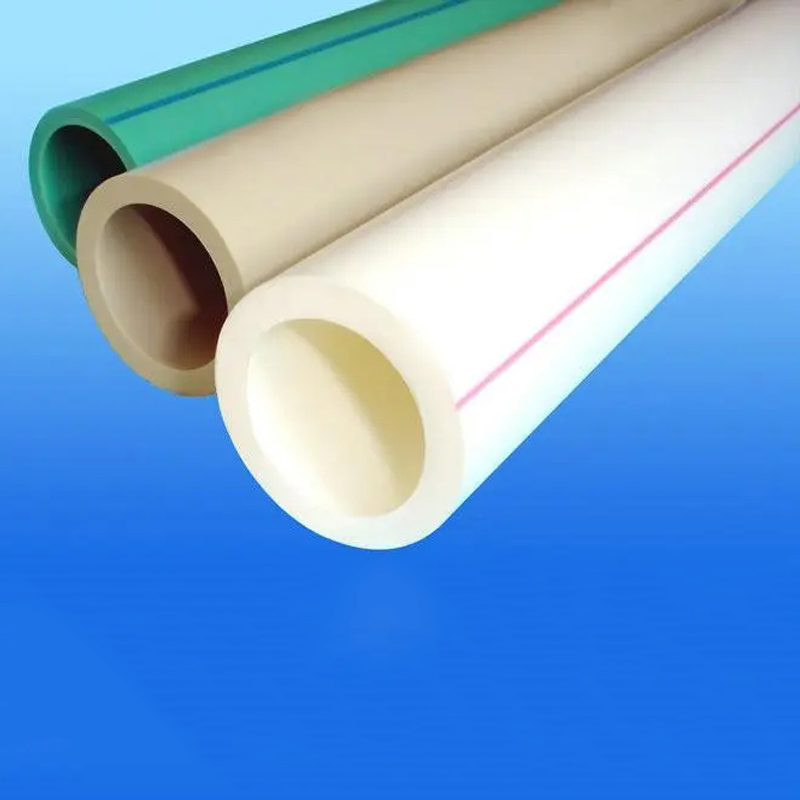
Polypropylene Random (PPR) hot water pipes, manufactured in China, represent a significant component of modern plumbing infrastructure. These pipes are utilized extensively in residential, commercial, and industrial hot and cold water distribution systems. Positioned as a cost-effective alternative to traditional metal piping (copper, galvanized steel), PPR pipes offer distinct advantages in corrosion resistance, thermal insulation, and ease of installation. Their composition, primarily polypropylene random copolymer, dictates their performance characteristics, making a thorough understanding of their material science, manufacturing processes, and limitations crucial for engineers, procurement specialists, and installers. Core performance revolves around maintaining water temperature, resisting pressure fluctuations, and ensuring long-term durability without compromising water quality. The Chinese manufacturing base provides large-scale production capabilities and increasingly stringent quality control measures.
Material Science & Manufacturing
PPR pipes are composed of polypropylene random copolymer, a thermoplastic polymer produced through the polymerization of propylene. The ‘random’ designation refers to the random distribution of comonomers (typically ethylene) within the polypropylene chain. This randomization reduces crystallinity, resulting in increased flexibility, impact resistance, and improved weldability compared to homopolymer polypropylene. Raw material quality is paramount; manufacturers commonly utilize grades compliant with DIN 8077/8078 standards, specifying requirements for purity, melt flow rate (MFR), and molecular weight distribution. Manufacturing typically involves extrusion. Polypropylene granules are fed into an extruder, melted, and forced through a die to form the pipe’s shape. Crucial parameters during extrusion include temperature control across heating zones (hopper, compression, metering), screw speed, and die pressure. These parameters influence the pipe’s dimensional accuracy, surface finish, and homogeneity. Socket fusion, butt fusion, and electrofusion are common joining techniques. Socket fusion relies on heating both the pipe and fitting before insertion, creating a homogeneous weld. Butt fusion is employed for larger diameter pipes, utilizing a heating plate to melt the ends before joining under pressure. Electrofusion uses an embedded heating coil within the fitting to melt the pipe and fitting simultaneously. Maintaining precise temperature and pressure control during welding is vital to ensure structural integrity and prevent weld defects. Post-extrusion processes include cooling, sizing, printing (with material specifications and manufacturer details), and quality inspection.

Performance & Engineering
The performance of PPR hot water pipes is heavily dictated by their ability to withstand hydrostatic pressure, thermal expansion, and chemical interactions with transported fluids. Hydrostatic pressure testing, typically conducted according to ISO 1167, assesses the pipe’s resistance to bursting under internal pressure. PPR pipes generally exhibit excellent pressure ratings, commonly ranging from PN16 (1.6 MPa) to PN25 (2.5 MPa), suitable for most residential and commercial applications. Thermal expansion is a critical engineering consideration. PPR exhibits a relatively high coefficient of thermal expansion (approximately 0.15 mm/m°C). Failure to accommodate this expansion through expansion loops, flexible connectors, or strategic pipe supports can lead to stress concentration and premature failure. Chemical compatibility is also essential. PPR is generally resistant to a wide range of common waterborne chemicals, but prolonged exposure to strong oxidizing agents, hydrocarbons, or chlorinated solvents can induce degradation. Long-term creep resistance is another factor; the pipe’s ability to maintain its dimensional stability under sustained hydrostatic pressure and temperature over an extended period. Compliance with relevant building codes and standards (e.g., local plumbing codes, EN 16765 for pressure pipes) is mandatory. Force analysis during installation and operation must consider weight of the pipe, fluid pressure, thermal stresses, and external loads. Proper anchoring and support systems are crucial to prevent excessive bending and stress.
Technical Specifications
| Parameter | Unit | PN16 (Typical) | PN20 (Typical) |
|---|---|---|---|
| Nominal Diameter | mm | 20-110 | 20-160 |
| Pressure Rating | MPa | 1.6 | 2.0 |
| Operating Temperature | °C | -20 to +80 | -20 to +95 |
| Density | g/cm³ | 0.905 – 0.925 | 0.905 – 0.925 |
| Tensile Strength | MPa | >20 | >25 |
| Elongation at Break | % | >250 | >300 |
Failure Mode & Maintenance
PPR pipes, while durable, are susceptible to specific failure modes. Long-term hydrostatic pressure can lead to creep rupture, especially at elevated temperatures. This manifests as slow crack growth and eventual pipe failure. Thermal stress, arising from inadequate expansion compensation, induces stresses that can initiate cracking, particularly at joints. Oxidation, though relatively slow, can degrade the polymer matrix over time, reducing its mechanical properties. Chemical attack from aggressive water constituents (e.g., high chloride content) can accelerate degradation. Improper welding is a common cause of failure. Insufficient heating, contamination during welding, or improper alignment can result in weak or porous welds prone to leakage. Mechanical damage, such as impact from construction activities, can cause cracking or puncture. Maintenance primarily involves visual inspection for leaks, cracks, or deformation. Regular checks of support systems ensure adequate load distribution. For minor leaks at joints, re-welding may be possible, but complete pipe replacement is often recommended for significant damage. Preventative measures include ensuring proper installation practices, adhering to manufacturer’s guidelines for welding parameters, and implementing corrosion control measures in aggressive water environments. Periodic pressure testing can identify potential weaknesses before catastrophic failure occurs. The use of high-quality fittings and adherence to proper pipe handling procedures during installation are vital preventative steps.
Industry FAQ
Q: What is the expected lifespan of a properly installed PPR hot water piping system?
A: A properly installed PPR hot water piping system, operating within specified temperature and pressure limits, typically has an expected lifespan of 50+ years. However, this is contingent on water quality, environmental conditions, and adherence to proper installation and maintenance practices. Regular inspection and preventative maintenance can extend the lifespan.
Q: How does PPR piping compare to copper piping in terms of thermal conductivity?
A: PPR has significantly lower thermal conductivity than copper. This results in better thermal insulation, reducing heat loss in hot water systems and minimizing condensation on cold water pipes. While copper requires external insulation in many applications, PPR often eliminates this need.
Q: What are the limitations of PPR piping regarding chemical resistance?
A: PPR exhibits good resistance to most common waterborne chemicals. However, it is susceptible to degradation from prolonged exposure to strong oxidizing agents, hydrocarbons, and chlorinated solvents. The chemical compatibility of the specific fluid being transported should be verified before use.
Q: What is the recommended expansion compensation method for long runs of PPR piping?
A: For long runs of PPR piping, expansion loops or flexible connectors are recommended to accommodate thermal expansion and contraction. The size and spacing of expansion loops depend on the pipe diameter, temperature change, and length of the run. Careful calculation is crucial to prevent stress buildup.
Q: What quality control standards should be verified when sourcing PPR pipes from Chinese manufacturers?
A: Verify compliance with ISO 15876 (Plastic piping systems for water supply – Polypropylene (PP) pipes and fittings for cold and hot water) and DIN 8077/8078. Request material test reports (MTRs) verifying MFR, density, and other key material properties. Audit the manufacturer’s quality control processes to ensure consistent product quality.
Conclusion
China-manufactured PPR hot water pipes represent a viable and cost-effective solution for a wide range of plumbing applications. Their inherent advantages in corrosion resistance, thermal insulation, and ease of installation, coupled with the scalability of Chinese manufacturing, contribute to their widespread adoption. However, understanding the material science underpinning their performance, specifically the implications of thermal expansion and chemical compatibility, is crucial for ensuring long-term reliability.
Effective implementation necessitates meticulous attention to detail during installation, including proper welding techniques, adequate expansion compensation, and adherence to relevant industry standards. Continuous quality control, both by the manufacturer and the installer, is paramount to mitigate potential failure modes and maximize the service life of the piping system. Future advancements may focus on enhancing the chemical resistance of PPR compounds and developing more sophisticated joining techniques.
-
DN25 HDPE Compression Fitting-HORON INTERNATIONAL|Reliable Irrigation Solutions
NewsFeb.11,2026
-
china 1 2 ppr pipe in mm Performance Analysis
News2026-06-04
-
china hdpe pipe for water supply specifications Performance Analysis
News2026-06-04
-
china ppr hot water pipe insulation Thermal Performance
News2026-06-04
-
china 24 inch diameter pvc pipe Performance Analysis
News2026-06-04
-
china ppr hot water pipe Performance Analysis
News2026-06-04
-
china 3.5 inch pvc pipe Performance Analysis
News2026-06-03
-
china 75mm plastic pipe Performance Analysis
News2026-06-03
-
china use of ppr pipe Performance Analysis
News2026-06-03
-
china hdpe corrugated subsoil drainage pipe Performance Analysis
News2026-06-03
-
china ppr quick connector Performance Analysis
News2026-06-03
-
china hdpe pipe sizes and dimensions Performance Analysis
News2026-06-02
-
china pvc pipe supplier Performance Analysis
News2026-06-02
-
china flexible water line for kitchen sink Performance Analysis
News2026-06-02
-
china blue pvc pipe Performance Analysis
News2026-06-02
-
china hdpe pipe jain irrigation Performance Analysis
News2026-06-02