

Feb . 11, 2026 00:01 Back to list
china hdpe pipe sizes and dimensions Performance Analysis
Introduction
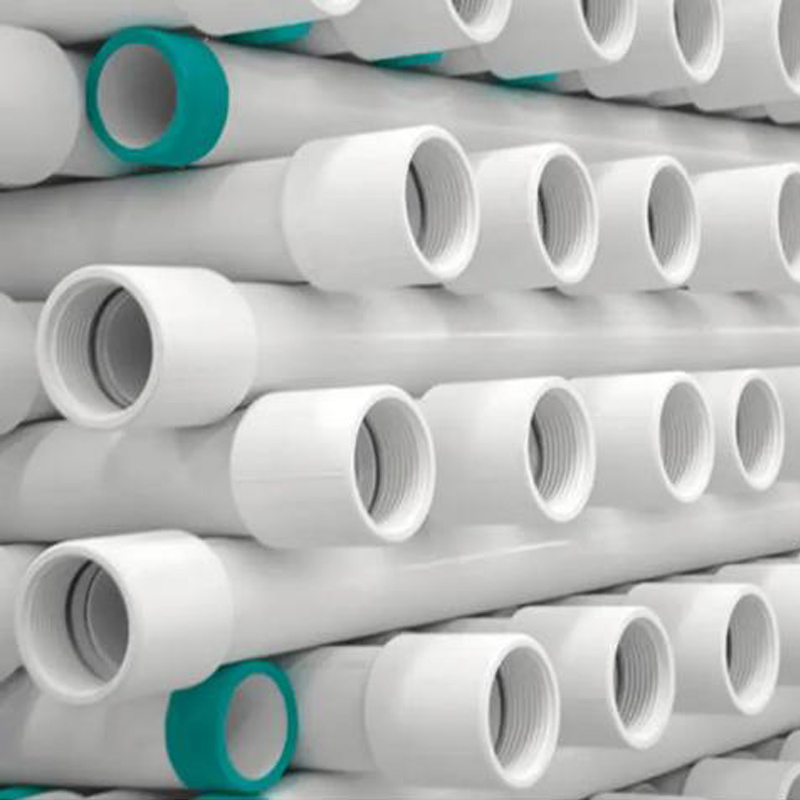
High-Density Polyethylene (HDPE) pipe has become a ubiquitous material in various industrial applications, particularly in water distribution, gas transmission, sewage systems, and industrial fluid handling. This guide focuses on the technical aspects of China-manufactured HDPE pipe sizes and dimensions, addressing critical performance characteristics and industry standards. HDPE's popularity stems from its lightweight nature, corrosion resistance, durability, and relatively low cost compared to traditional materials like steel or cast iron. Within the Chinese manufacturing landscape, HDPE pipe production has rapidly scaled, becoming a significant export commodity. Understanding the nuances of sizing, material grades, and manufacturing processes is crucial for ensuring optimal performance and long-term reliability. This document will provide a detailed examination of these factors, exploring the implications of different dimensions and standards for various applications. The positioning within the industry chain involves raw material supply (polyethylene resin), extrusion and molding processes, quality control, and finally, installation and operation by end-users.
Material Science & Manufacturing
HDPE pipe production begins with polyethylene resin, typically produced via the polymerization of ethylene. The molecular weight and density of the polyethylene resin directly influence the mechanical properties of the final pipe. Higher density equates to increased strength and rigidity. Common HDPE grades used in pipe manufacturing include HDPE PE63, PE80, PE100, and PE100+, categorized according to their minimum required strength (MRS) as per ISO 11679. PE100 and PE100+ are increasingly favored for higher-pressure applications. The manufacturing process typically involves extrusion. Polyethylene resin is fed into an extruder, where it is heated and melted. The molten plastic is then forced through a die, shaping it into the desired pipe diameter and wall thickness. Critical process parameters include melt temperature, screw speed, and die pressure. These parameters must be precisely controlled to ensure consistent dimensions, uniform wall thickness, and proper material consolidation. Cooling is achieved using water tanks or air cooling systems, stabilizing the pipe shape. Hydrostatic testing is a standard quality control measure, verifying the pipe’s ability to withstand internal pressure without failure. Furthermore, the addition of carbon black is common to enhance UV resistance and prevent degradation from sunlight exposure. Chemical compatibility is also paramount; HDPE exhibits excellent resistance to most acids and bases, but can be affected by prolonged exposure to strong oxidizing agents.
Performance & Engineering
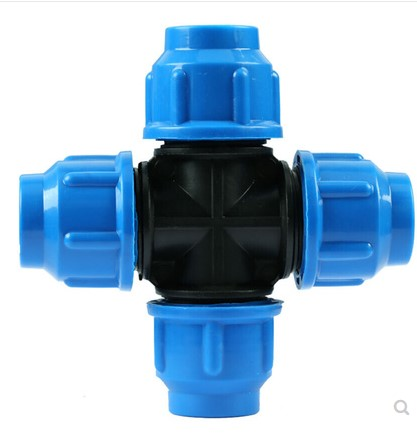
The performance of HDPE pipe is fundamentally governed by its mechanical properties and resistance to environmental factors. Key engineering considerations include hoop stress analysis, particularly for buried pipelines subject to external loads from soil, traffic, and hydrostatic pressure. The Barlow formula (S = P D / 2 t, where S = hoop stress, P = internal pressure, D = pipe outside diameter, t = wall thickness) is commonly used to calculate hoop stress and ensure adequate safety factors. Long-term creep resistance is also critical, especially in applications involving sustained pressure. HDPE exhibits creep, meaning it deforms slowly over time under constant stress. Design calculations must account for this creep behavior to prevent pipe failure. Environmental resistance factors include UV degradation, chemical attack, and temperature variations. Burial depth and backfill material significantly impact pipe performance. Proper bedding and compaction minimize stress concentrations and provide support. Jointing methods, such as butt fusion, electrofusion, and mechanical fittings, are crucial for maintaining pipeline integrity. Butt fusion creates a homogenous weld, offering the highest strength and leak tightness. Electrofusion utilizes electrical resistance heating to melt and fuse the pipe ends, providing a reliable joint. Compliance with relevant codes and standards, such as AWWA C906 and EN 12201, is essential for ensuring safe and reliable operation. Fatigue resistance, relevant for applications involving pressure fluctuations, is influenced by the pipe material’s molecular structure and manufacturing quality.
Technical Specifications
| Nominal Pipe Size (DN/inches) | Outside Diameter (OD) mm | Wall Thickness (WT) mm | Pressure Rating (PN) bar |
|---|---|---|---|
| DN63 / 2.5” | 63 | 2.3 - 3.7 | PN6 - PN16 |
| DN90 / 3.5” | 90 | 3.7 - 6.8 | PN6 - PN20 |
| DN110 / 4.3” | 110 | 4.4 - 8.7 | PN6 - PN25 |
| DN160 / 6.3” | 160 | 5.8 - 11.4 | PN6 - PN32 |
| DN200 / 8.0” | 200 | 6.8 - 14.8 | PN6 - PN40 |
| DN250 / 10.0” | 250 | 8.7 - 18.5 | PN6 - PN50 |
Failure Mode & Maintenance
HDPE pipe, while durable, is susceptible to specific failure modes. Slow Crack Growth (SCG) is a common issue, particularly in older pipes, where long-term exposure to stress and certain chemicals can initiate crack formation. This is often exacerbated by the presence of residual stresses from manufacturing or installation. Fatigue cracking can occur in applications with cyclic pressure fluctuations. Improper jointing, particularly with mechanical fittings, can lead to leakage and eventual failure. Third-party damage during excavation is a significant cause of pipeline breaks. Environmental stress cracking (ESC) occurs when HDPE is exposed to both stress and aggressive chemicals. Oxidation, particularly at elevated temperatures, can degrade the material, reducing its strength and flexibility. Maintenance strategies include regular inspections, pressure testing, and cathodic protection for buried pipelines (though HDPE's inherent corrosion resistance often negates the need for extensive cathodic protection). Leak detection surveys, using acoustic methods or tracer gases, can identify potential problems early on. Proper backfill compaction and the use of protective sleeves at penetrations minimize the risk of mechanical damage. For SCG mitigation, reducing operating pressure and avoiding contact with incompatible chemicals are crucial. Joint integrity checks should be performed periodically, and any damaged sections should be promptly repaired or replaced using appropriate fusion techniques.
Industry FAQ
Q: What is the significance of the SDR (Standard Dimension Ratio) in HDPE pipe specifications?
A: The SDR is a dimensionless ratio representing the pipe's diameter-to-wall thickness ratio (D/t). A lower SDR indicates a thicker wall and therefore a higher pressure rating. SDR is a convenient way to specify pipe dimensions and pressure capabilities, particularly in the US market, and directly relates to the pipe’s ability to withstand internal pressure. Different SDR values correspond to different pressure classes.
Q: How does the PE100+ grade differ from PE100, and what are the benefits?
A: PE100+ represents a further enhancement of the PE100 material, boasting an even higher minimum required strength (MRS). This translates to improved long-term hydrostatic strength, allowing for thinner walls at the same pressure rating, or higher pressure ratings with the same wall thickness. PE100+ offers enhanced creep resistance and extended service life, making it suitable for demanding applications.
Q: What are the best practices for butt fusion welding of HDPE pipes?
A: Proper surface preparation is paramount – ensuring clean, dry, and smooth pipe ends is critical. Precise temperature and pressure control during the heating and cooling phases are also vital. Following the manufacturer's recommended fusion parameters (temperature, time, and pressure) is essential. Qualified and certified welders should perform the fusion process, and each weld should be visually inspected for defects. Recording fusion parameters and maintaining a weld log is also recommended.
Q: What impact does soil corrosivity have on HDPE pipe longevity?
A: While HDPE itself is inherently corrosion-resistant, highly corrosive soils can accelerate degradation of surrounding materials (e.g., metal fittings). Properly selecting backfill material and potentially applying protective coatings to any metallic components in contact with the soil can mitigate these risks. Monitoring soil pH and resistivity levels can provide insights into potential corrosion concerns.
Q: What is the typical service life expectancy of a properly installed and maintained HDPE pipeline?
A: With proper installation, operation within design parameters, and regular maintenance, HDPE pipelines can have a service life exceeding 50 years, and potentially reaching 100 years or more. The actual lifespan depends on factors such as operating pressure, temperature, soil conditions, and the quality of materials and workmanship.
Conclusion
China-manufactured HDPE pipe sizes and dimensions offer a robust and cost-effective solution for a wide range of fluid handling applications. Understanding the interplay between material science, manufacturing processes, and engineering principles is crucial for ensuring optimal performance and longevity. The selection of the appropriate HDPE grade, SDR, and jointing method directly influences the pipeline’s ability to withstand internal pressure, external loads, and environmental stressors.
Future developments in HDPE pipe technology will likely focus on enhancing material properties (e.g., increasing MRS), improving fusion techniques, and developing more sophisticated monitoring systems for early detection of potential failures. Adherence to international standards and rigorous quality control throughout the manufacturing process are paramount for maintaining the reliability and reputation of Chinese-made HDPE pipe in the global market.
-
DN25 HDPE Compression Fitting-HORON INTERNATIONAL|Reliable Irrigation Solutions
NewsFeb.11,2026
-
china 3.5 inch pvc pipe Performance Analysis
News2026-06-03
-
china 75mm plastic pipe Performance Analysis
News2026-06-03
-
china use of ppr pipe Performance Analysis
News2026-06-03
-
china hdpe corrugated subsoil drainage pipe Performance Analysis
News2026-06-03
-
china ppr quick connector Performance Analysis
News2026-06-03
-
china hdpe pipe sizes and dimensions Performance Analysis
News2026-06-02
-
china pvc pipe supplier Performance Analysis
News2026-06-02
-
china flexible water line for kitchen sink Performance Analysis
News2026-06-02
-
china blue pvc pipe Performance Analysis
News2026-06-02
-
china hdpe pipe jain irrigation Performance Analysis
News2026-06-02
-
china hdpe coupling price Performance Analysis
News2026-06-01
-
china dual wall perforated corrugated pipe Performance Analysis
News2026-06-01
-
china ppr pipe 63mm Performance Analysis
News2026-06-01
-
china 63mm hdpe pipe price Performance Analysis
News2026-06-01
-
china ppr water pipe Performance Analysis
News2026-06-01