

Feb . 11, 2026 00:01 Back to list
china hdpe corrugated subsoil drainage pipe Performance Analysis
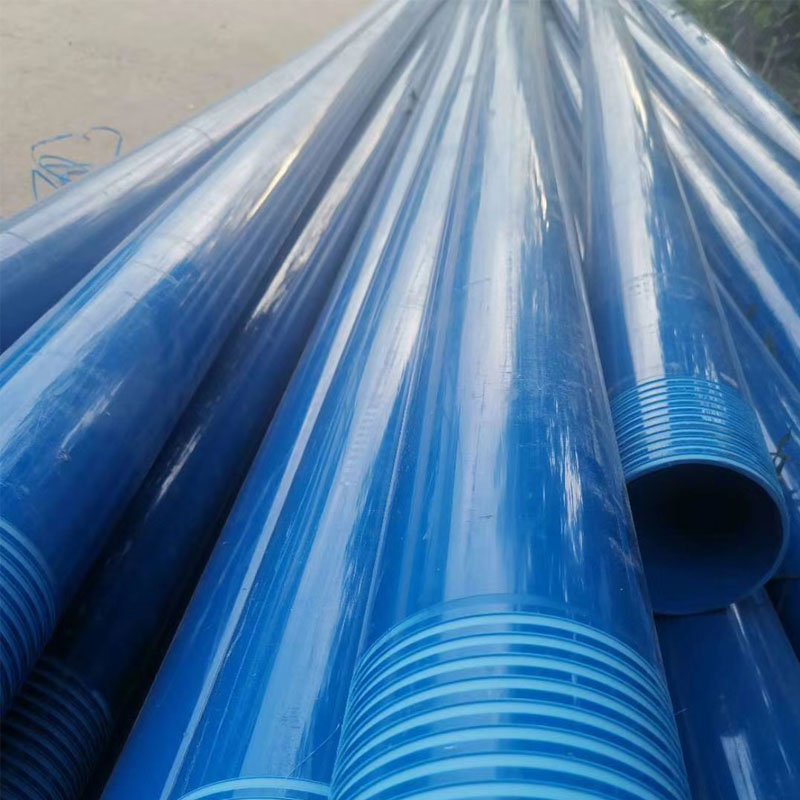
Introduction
High-Density Polyethylene (HDPE) corrugated subsoil drainage pipe is a critical component in modern subsurface water management systems. Positioned within the broader civil engineering and infrastructure supply chain, it serves as a primary conduit for the collection and conveyance of groundwater, stormwater runoff, and effluent from septic systems. Unlike traditional drainage materials such as concrete or clay, HDPE offers significant advantages in terms of weight, installation speed, corrosion resistance, and hydraulic performance. Its corrugated structure provides exceptional ring stiffness, enabling it to withstand substantial soil loads while maintaining internal diameter for optimal flow capacity. This guide provides an in-depth technical overview of HDPE corrugated subsoil drainage pipe, encompassing material science, manufacturing processes, performance characteristics, failure modes, and relevant industry standards. A core pain point in the construction industry is the long-term durability and prevention of clogging in subsurface drainage, which HDPE addresses through its smooth interior and resistance to chemical degradation.
Material Science & Manufacturing
The primary raw material for corrugated subsoil drainage pipe is high-density polyethylene (HDPE) resin, typically conforming to ASTM D3350 or equivalent international standards. HDPE is a thermoplastic polymer produced from the polymerization of ethylene. Its crystalline structure contributes to its high strength-to-density ratio, chemical inertness, and resistance to environmental stress cracking. Key physical properties include a density ranging from 0.941 to 0.965 g/cm³, a tensile strength typically between 20-30 MPa, and a ductile elongation of 200-500%. The manufacturing process begins with HDPE resin pellets being fed into an extruder. The extruder melts the resin and forces it through a circular die, forming a continuous pipe. This pipe then enters a corrugation unit, which utilizes rollers to create the characteristic corrugated profile. Parameters such as roller speed, temperature, and pressure are tightly controlled to ensure consistent corrugation geometry. Following corrugation, the pipe may undergo further processing, including surface treatment to enhance skid resistance or the application of filter fabric sleeves to prevent soil intrusion. Quality control measures include dimensional checks, hydrostatic pressure testing, and impact resistance assessments to verify adherence to specifications. Chemical compatibility is crucial; HDPE exhibits excellent resistance to acids, alkalis, and most common soil chemicals, contributing to its longevity in harsh subsurface environments.

Performance & Engineering
The performance of HDPE corrugated subsoil drainage pipe is governed by several engineering principles. Ring stiffness, a measure of the pipe’s resistance to flattening under load, is critical for withstanding soil overburden. This is calculated based on the pipe’s dimensions and the modulus of elasticity of HDPE. Hydraulic capacity is determined by the Manning’s equation, considering the pipe's internal diameter, slope, and roughness coefficient. A smoother inner surface translates to a lower roughness coefficient and improved flow efficiency. Force analysis includes assessing the pipe's ability to withstand both external loads from soil and internal hydrostatic pressure. The pipe must be designed to prevent buckling or collapse under anticipated loading conditions. Environmental resistance is paramount; HDPE exhibits excellent UV resistance, though prolonged exposure can lead to surface degradation. However, subsurface applications mitigate this concern. Relevant compliance requirements include adherence to ASTM F2306 (Standard Specification for Corrugated Polyethylene Drainage Pipe) and local building codes. Proper installation is vital to ensure optimal performance. This includes providing adequate bedding and backfill support, maintaining correct slope, and avoiding sharp bends or kinks in the pipe alignment. The long-term performance is also influenced by groundwater chemistry and potential exposure to aggressive soil contaminants.
Technical Specifications
| Parameter | Unit | Typical Value (DN/ID 100mm) | Testing Standard |
|---|---|---|---|
| Nominal Diameter (DN) | mm | 100 | ISO 4437 |
| Internal Diameter (ID) | mm | 96 | ASTM F2306 |
| Ring Stiffness | kPa | 7.5 | ASTM F2412 |
| Tensile Strength | MPa | 25 | ASTM D638 |
| Elongation at Break | % | 400 | ASTM D638 |
| Hydrostatic Pressure Test | kPa | 600 | ASTM F2306 |
Failure Mode & Maintenance
Several failure modes can affect HDPE corrugated subsoil drainage pipe. Fatigue cracking can occur due to repeated stress cycles caused by soil settlement or traffic loads. Delamination, the separation of layers within the corrugated structure, can result from poor manufacturing or impact damage. Environmental degradation, while generally slow, can be accelerated by exposure to aggressive chemicals or prolonged UV radiation (though less common in subsurface applications). Oxidation can occur due to the breakdown of the HDPE polymer, particularly at elevated temperatures. Blockage due to sediment or root intrusion is a common issue, reducing hydraulic capacity. Proper maintenance involves periodic inspection of outfalls for blockages and the removal of accumulated sediment. CCTV inspection can be used to assess the condition of the pipe and identify areas of damage or deformation. In cases of significant damage, localized repairs may be possible using specialized couplings and patching materials. Prevention of failure includes ensuring proper installation practices, selecting the appropriate pipe stiffness for the anticipated load conditions, and implementing erosion control measures to minimize soil intrusion. Failure analysis often reveals the root cause – improper installation, exceeding load limits, or exposure to unexpected chemical environments.
Industry FAQ
Q: What is the minimum allowable cover depth for this pipe, and how does it affect long-term performance?
A: The minimum allowable cover depth is typically dictated by the pipe’s ring stiffness and the anticipated load conditions. A general guideline is to maintain at least 0.6 meters (2 feet) of cover. Insufficient cover can lead to pipe deformation and reduced hydraulic capacity. Excessive loading without adequate support can cause buckling or cracking. Always consult local building codes and engineering specifications for specific requirements. A higher ring stiffness allows for reduced cover depths.
Q: How does the corrugated profile contribute to the structural integrity of the pipe compared to a smooth-walled pipe?
A: The corrugated profile significantly enhances the pipe's ring stiffness and resistance to flattening under load. The corrugations act as arches, distributing the load more effectively and preventing collapse. A smooth-walled pipe of the same material and thickness would have substantially lower ring stiffness and be more susceptible to deformation. The corrugations allow for a lighter weight pipe to achieve the same structural performance.
Q: What types of filter fabrics are commonly used with this pipe, and what is their purpose?
A: Non-woven geotextiles are commonly used as filter fabrics. Their purpose is to prevent soil particles from migrating into the pipe and causing blockage while still allowing water to flow freely. The fabric acts as a barrier, retaining soil fines but permitting water to pass through. The appropriate fabric weight and permeability should be selected based on the soil type and anticipated flow rates.
Q: What is the expected service life of this HDPE pipe under typical subsurface conditions?
A: Under typical subsurface conditions, HDPE corrugated drainage pipe can have a service life exceeding 50 years. However, this is dependent on several factors, including soil chemistry, load conditions, and proper installation. Aggressive soil environments or excessive loading can shorten the service life. Regular inspection and maintenance can help extend the pipe's longevity.
Q: How does this pipe compare to concrete drainage pipe in terms of cost, installation, and environmental impact?
A: HDPE pipe is generally lighter and easier to install than concrete pipe, resulting in lower labor costs. It is also more resistant to corrosion and chemical attack, reducing the need for long-term maintenance. From an environmental perspective, HDPE is recyclable, while concrete production is energy-intensive and generates significant CO2 emissions. While the initial material cost of concrete may be lower, the total lifecycle cost of HDPE is often more favorable.
Conclusion
HDPE corrugated subsoil drainage pipe represents a robust and cost-effective solution for subsurface water management. Its superior physical and chemical properties, coupled with its ease of installation and long service life, make it a preferred choice over traditional materials like concrete or clay. The corrugated structure provides exceptional ring stiffness, enabling it to withstand substantial soil loads while maintaining optimal hydraulic performance.
Looking forward, advancements in HDPE resin technology and manufacturing processes will further enhance the performance and sustainability of these pipes. Innovations in filter fabric integration and smart drainage systems, incorporating sensors for monitoring flow and identifying blockages, will contribute to more efficient and reliable water management infrastructure. Continued adherence to relevant industry standards and best practices is essential for ensuring the long-term integrity and performance of HDPE corrugated subsoil drainage systems.
-
DN25 HDPE Compression Fitting-HORON INTERNATIONAL|Reliable Irrigation Solutions
NewsFeb.11,2026
-
china 3.5 inch pvc pipe Performance Analysis
News2026-06-03
-
china 75mm plastic pipe Performance Analysis
News2026-06-03
-
china use of ppr pipe Performance Analysis
News2026-06-03
-
china hdpe corrugated subsoil drainage pipe Performance Analysis
News2026-06-03
-
china ppr quick connector Performance Analysis
News2026-06-03
-
china hdpe pipe sizes and dimensions Performance Analysis
News2026-06-02
-
china pvc pipe supplier Performance Analysis
News2026-06-02
-
china flexible water line for kitchen sink Performance Analysis
News2026-06-02
-
china blue pvc pipe Performance Analysis
News2026-06-02
-
china hdpe pipe jain irrigation Performance Analysis
News2026-06-02
-
china hdpe coupling price Performance Analysis
News2026-06-01
-
china dual wall perforated corrugated pipe Performance Analysis
News2026-06-01
-
china ppr pipe 63mm Performance Analysis
News2026-06-01
-
china 63mm hdpe pipe price Performance Analysis
News2026-06-01
-
china ppr water pipe Performance Analysis
News2026-06-01