

Feb . 11, 2026 00:01 Back to list
china 3.5 inch pvc pipe Performance Analysis
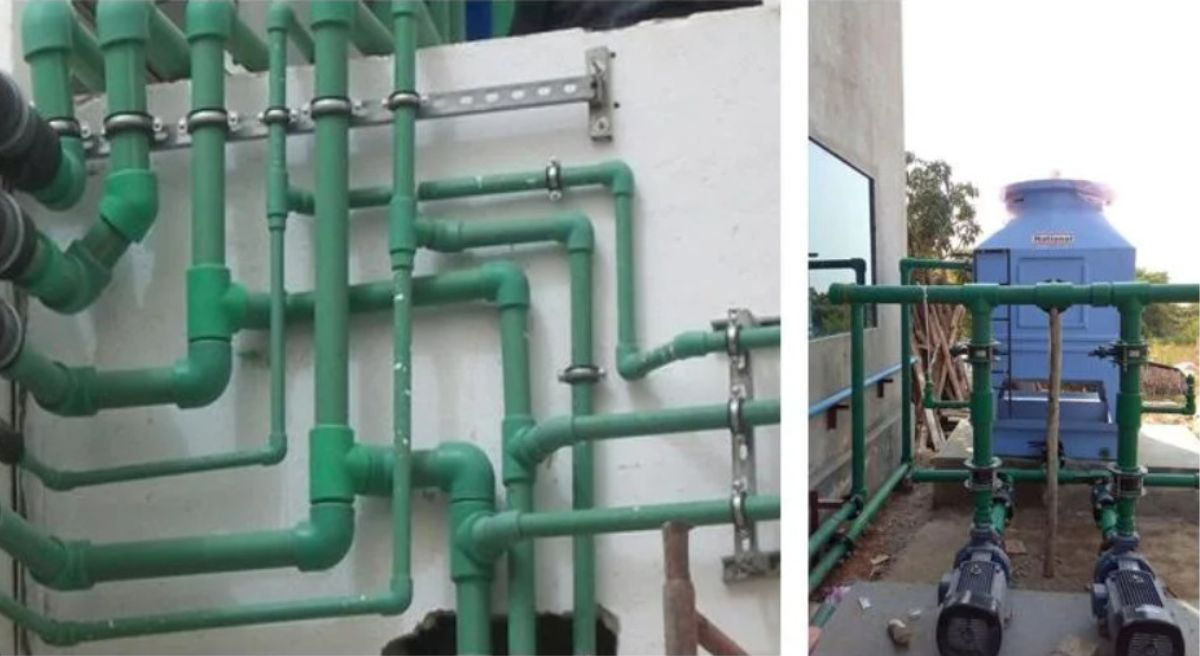
Introduction
Polyvinyl Chloride (PVC) pipe, specifically 3.5-inch diameter pipe manufactured in China, represents a significant component within fluid conveyance infrastructure globally. Its position in the industry chain extends from petrochemical feedstock production through polymerization, extrusion, and final quality control. This guide details the technical aspects of this ubiquitous piping solution, emphasizing material properties, manufacturing techniques, performance characteristics, potential failure modes, and relevant industry standards. 3.5-inch PVC pipe is primarily utilized in irrigation, drainage, water distribution, and industrial effluent handling systems, offering a cost-effective and corrosion-resistant alternative to metallic piping. Core performance metrics include pressure rating, tensile strength, impact resistance, and long-term hydrolytic stability, all crucial for maintaining system integrity and minimizing operational costs.
Material Science & Manufacturing
The primary raw material for 3.5-inch PVC pipe is Polyvinyl Chloride resin, typically produced via suspension polymerization of vinyl chloride monomer (VCM). The resin's molecular weight distribution and K-value (a measure of molecular weight) are critical parameters influencing processability and final product properties. Alongside the PVC resin, formulations include plasticizers (e.g., DOP, DINP) to impart flexibility, stabilizers (e.g., organotin compounds, calcium-zinc stabilizers) to prevent thermal degradation during processing, lubricants (e.g., stearic acid) to facilitate extrusion, and impact modifiers (e.g., chlorinated polyethylene - CPE) to enhance toughness. The manufacturing process typically involves compounding these ingredients, followed by extrusion. Extrusion employs a single-screw or twin-screw extruder, where the PVC compound is heated, melted, and forced through a die of the desired 3.5-inch diameter and wall thickness. Critical parameters during extrusion include die temperature, screw speed, haul-off speed, and cooling water flow rate. Maintaining consistent temperature profiles throughout the extrusion process is crucial to prevent material degradation and ensure dimensional accuracy. Post-extrusion, pipes undergo cutting, beveling, and quality control checks, including hydrostatic pressure testing and dimensional verification, per standards like GB/T 10002.1-2007.
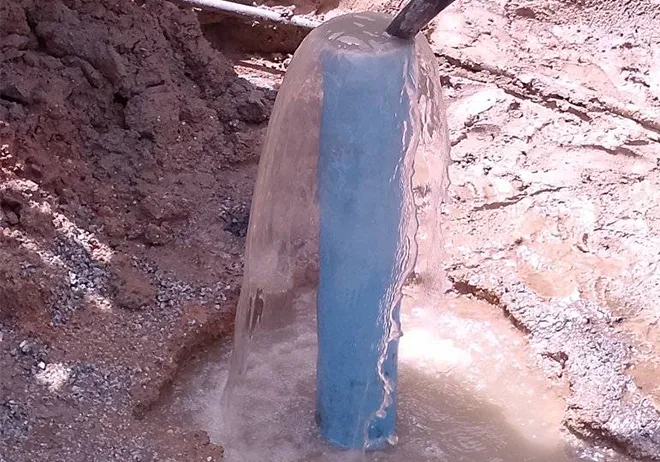
Performance & Engineering
The performance of 3.5-inch PVC pipe is governed by its mechanical and hydraulic properties. Force analysis considers both internal hydrostatic pressure and external loads such as soil pressure (for buried applications) and traffic loads. The pipe's resistance to internal pressure is dictated by its Schedule number (e.g., Schedule 40, Schedule 80), which defines the wall thickness. Higher Schedule numbers indicate thicker walls and greater pressure ratings. Environmental resistance is a crucial consideration, particularly UV exposure and temperature fluctuations. Prolonged UV exposure can cause embrittlement and discoloration; therefore, UV stabilizers are incorporated into the PVC formulation. Temperature affects both the pipe’s strength and flexibility. At lower temperatures, PVC becomes more brittle, increasing the risk of cracking. At elevated temperatures, it becomes more pliable, potentially leading to deformation. Compliance requirements often dictate the use of specific PVC compounds and manufacturing processes to meet potable water standards (e.g., NSF/ANSI 61) or wastewater standards. Hydraulic performance is evaluated based on the Hazen-Williams roughness coefficient, which determines flow capacity and head loss. Proper jointing techniques (solvent welding, gasketed joints) are critical to maintain system integrity and prevent leaks. Incorrectly joined pipes can significantly reduce pressure ratings and lead to premature failure. Furthermore, thermal expansion and contraction need to be accounted for in long pipeline runs to prevent stress buildup and potential cracking.
Technical Specifications
| Parameter | Schedule 40 (Typical) | Schedule 80 (Typical) | Unit |
|---|---|---|---|
| Nominal Pipe Size | 3.5 inches | 3.5 inches | inches |
| Outside Diameter | 3.581 | 3.581 | inches |
| Wall Thickness | 0.218 | 0.280 | inches |
| Pressure Rating (at 73°F) | 400 | 600 | psi |
| Tensile Strength | 6,000 | 6,000 | psi |
| Impact Strength (Izod Notched) | 12 | 12 | ft-lb/in |
| Hydrostatic Design Stress | 4000 | 6000 | psi |
Failure Mode & Maintenance
Common failure modes for 3.5-inch PVC pipe include brittle fracture due to impact, stress cracking from sustained mechanical loads, hydrolytic degradation over long-term exposure to water, and chemical attack from aggressive soil or fluids. Fatigue cracking can occur in systems subjected to cyclical pressure fluctuations. Delamination can arise from inadequate material mixing during compounding or improper extrusion processing. Oxidation, especially at elevated temperatures, can lead to embrittlement. Failure analysis often involves visual inspection for cracks, discoloration, or deformation, followed by microscopic examination to identify the root cause. Maintenance primarily focuses on preventative measures. Regular inspections should be conducted to identify any signs of damage or degradation. Proper jointing techniques are essential to prevent leaks. For buried pipelines, adequate bedding and backfill material should be used to provide support and prevent external loads from causing stress on the pipe. In aggressive environments, consideration should be given to using PVC compounds with enhanced chemical resistance or employing protective coatings. Repairing minor cracks or leaks can often be achieved using PVC repair clamps or solvent cement. However, for significant damage, pipe replacement is usually the most reliable solution.
Industry FAQ
Q: What is the expected service life of 3.5-inch PVC pipe in a typical potable water distribution system?
A: The expected service life is typically 50-100 years, provided the pipe is installed correctly, protected from UV exposure, and the water chemistry is within acceptable limits. Hydrolytic degradation is the primary long-term failure mechanism, but modern PVC formulations with enhanced stabilizers significantly mitigate this risk.
Q: How does Schedule 80 PVC pipe compare to Schedule 40 in terms of cost and application?
A: Schedule 80 PVC is more expensive than Schedule 40 due to the increased material required for the thicker walls. Schedule 80 is typically used in applications requiring higher pressure ratings or increased impact resistance, such as industrial piping systems or high-demand water lines.
Q: What are the potential consequences of using incompatible solvent cement for joining PVC pipes?
A: Using an incompatible solvent cement can result in a weak joint that is prone to leaking or failure under pressure. The solvent cement must be specifically formulated for PVC and compatible with the PVC compound used in the pipe and fittings. Always verify compatibility before use.
Q: What impact does soil corrosivity have on the longevity of buried PVC pipe?
A: Highly corrosive soils can accelerate the degradation of PVC pipe, particularly if the soil contains high levels of chlorides or sulfates. Proper bedding and backfill materials, along with protective coatings, can mitigate the effects of soil corrosivity.
Q: What are the key considerations when selecting PVC pipe for irrigation systems exposed to agricultural chemicals?
A: Agricultural chemicals can cause swelling, cracking, or leaching of plasticizers from PVC. It’s vital to select a PVC formulation specifically designed for agricultural applications and resistant to the chemicals being used. Consider using a thicker-walled pipe for increased durability and consult with chemical resistance charts.
Conclusion
3.5-inch PVC pipe manufactured in China represents a versatile and economical solution for a wide range of fluid conveyance applications. Its performance characteristics are fundamentally linked to the quality of raw materials, precision of the extrusion process, and adherence to relevant industry standards. Understanding the material science, potential failure modes, and proper installation techniques is paramount to ensuring long-term system reliability and minimizing maintenance costs.
Future advancements in PVC formulations, such as bio-based plasticizers and enhanced UV stabilizers, promise to further improve the sustainability and performance of this critical piping material. Continuous monitoring of pipeline integrity and proactive maintenance programs are essential for maximizing service life and preventing costly failures. Ongoing research into novel PVC compounds with improved chemical resistance will expand the applicability of PVC pipe in increasingly demanding environments.
-
DN25 HDPE Compression Fitting-HORON INTERNATIONAL|Reliable Irrigation Solutions
NewsFeb.11,2026
-
china 3.5 inch pvc pipe Performance Analysis
News2026-06-03
-
china 75mm plastic pipe Performance Analysis
News2026-06-03
-
china use of ppr pipe Performance Analysis
News2026-06-03
-
china hdpe corrugated subsoil drainage pipe Performance Analysis
News2026-06-03
-
china ppr quick connector Performance Analysis
News2026-06-03
-
china hdpe pipe sizes and dimensions Performance Analysis
News2026-06-02
-
china pvc pipe supplier Performance Analysis
News2026-06-02
-
china flexible water line for kitchen sink Performance Analysis
News2026-06-02
-
china blue pvc pipe Performance Analysis
News2026-06-02
-
china hdpe pipe jain irrigation Performance Analysis
News2026-06-02
-
china hdpe coupling price Performance Analysis
News2026-06-01
-
china dual wall perforated corrugated pipe Performance Analysis
News2026-06-01
-
china ppr pipe 63mm Performance Analysis
News2026-06-01
-
china 63mm hdpe pipe price Performance Analysis
News2026-06-01
-
china ppr water pipe Performance Analysis
News2026-06-01