

Feb . 11, 2026 00:01 Back to list
china 75mm plastic pipe Performance Analysis
Introduction
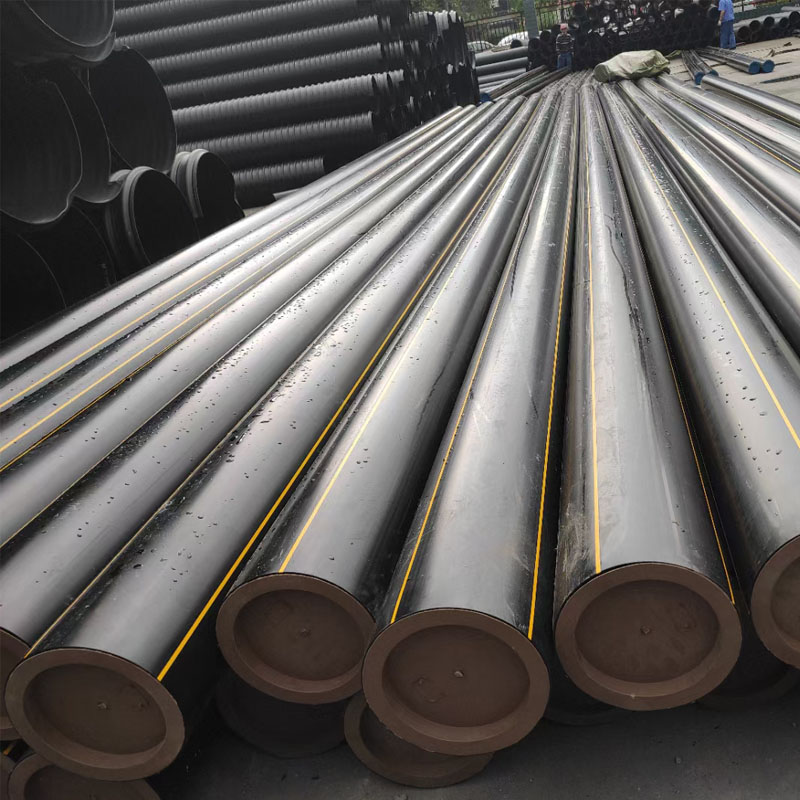
75mm plastic pipe, manufactured in China, represents a significant component within the broader network of fluid and material conveyance systems. Predominantly composed of Polyvinyl Chloride (PVC), Polyethylene (PE), or Polypropylene (PP), its technical position lies in providing a cost-effective and corrosion-resistant alternative to traditional metallic piping. This diameter pipe is widely used in applications including potable water distribution, irrigation, drainage, sewage systems, and industrial fluid transport. Core performance characteristics include pressure rating, flow capacity, chemical resistance, and long-term durability. The Chinese manufacturing base offers substantial production capacity and competitive pricing, making it a prominent player in both domestic and international markets. A key industry pain point is ensuring consistent quality control and adherence to international standards given the volume of production, alongside addressing concerns regarding long-term environmental degradation of the plastic materials.
Material Science & Manufacturing
The primary raw materials for 75mm plastic pipe are PVC, PE, and PP, each offering distinct properties. PVC, known for its rigidity and chemical resistance, utilizes vinyl chloride monomer as its building block, polymerized through suspension or emulsion processes. PE, categorized into Low-Density Polyethylene (LDPE), High-Density Polyethylene (HDPE), and Linear Low-Density Polyethylene (LLDPE), is derived from ethylene gas via catalytic polymerization. PP, a thermoplastic polymer made from propylene monomer, exhibits good chemical resistance and heat stability. Manufacturing typically employs extrusion processes. Raw material pellets are fed into an extruder, melted, and forced through a die to create the pipe’s shape. Critical parameters include melt temperature (typically 180-220°C for PVC, 120-180°C for PE, and 200-240°C for PP), extrusion speed, die geometry, and cooling rate. Post-extrusion, pipes are often subjected to hydrostatic testing to verify pressure resistance and dimensional accuracy. Wall thickness control is paramount, influencing the pipe's ability to withstand internal pressure and external loads. Chemical compatibility of the raw material with the intended conveyed fluid is also essential to prevent degradation and ensure long-term performance. The degree of crystallinity in PE and PP significantly impacts strength and flexibility, controlled by cooling rates during extrusion.
Performance & Engineering
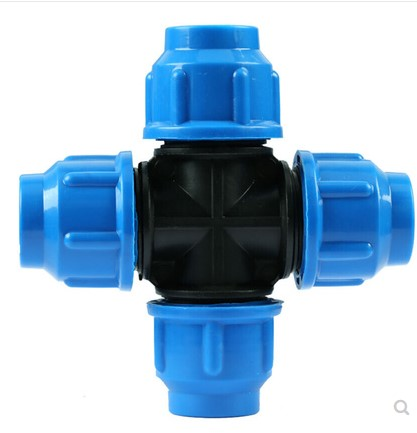
The performance of 75mm plastic pipe is governed by several engineering principles. Hydrostatic pressure testing, conforming to standards like ISO 1167, assesses the pipe’s ability to withstand internal pressure without failure. Burst pressure is a critical parameter, typically 2.5 to 4 times the rated working pressure. Force analysis considers hoop stress, longitudinal stress, and bending moments, particularly in buried applications where soil loading and traffic loads are present. Environmental resistance is crucial; UV exposure can cause degradation in PVC and PE, necessitating the addition of UV stabilizers. Temperature fluctuations induce thermal expansion and contraction, requiring careful consideration in pipeline design to prevent stress cracking. Chemical resistance is determined by the specific polymer used; PVC exhibits good resistance to acids and bases, while PE is susceptible to attack by certain solvents. Compliance requirements vary by region and application, including regulations for potable water contact (NSF/ANSI 61) and wastewater conveyance. The Hazen-Williams equation is used to calculate flow capacity, factoring in pipe roughness, diameter, and flow velocity. The long-term hydrostatic strength (LTHS) is determined using extrapolation techniques to predict the pipe’s lifespan under constant pressure and temperature.
Technical Specifications
| Parameter | PVC (Schedule 40) | HDPE (PE100) | PP-R | Unit |
|---|---|---|---|---|
| Nominal Diameter | 75 mm | 75 mm | 75 mm | mm |
| Outside Diameter | 90 mm | 90 mm | 91.5 mm | mm |
| Wall Thickness | 4.2 mm | 4.6 mm | 4.2 mm | mm |
| Pressure Rating | PN10 (1.0 MPa) | PN16 (1.6 MPa) | PN20 (2.0 MPa) | MPa |
| Burst Pressure | 25 MPa | 40 MPa | 50 MPa | MPa |
| Density | 1.4 g/cm³ | 0.95 g/cm³ | 0.91 g/cm³ | g/cm³ |
Failure Mode & Maintenance
75mm plastic pipe is susceptible to several failure modes. Brittle failure in PVC can occur due to impact loads or excessive stress concentration, particularly at fittings. Slow crack growth (SCG) is a significant concern in PE pipes, triggered by residual stresses and exposure to certain chemicals. Environmental Stress Cracking (ESC) can occur in all three materials due to combined stresses and corrosive environments. UV degradation leads to embrittlement and surface cracking, especially in areas exposed to sunlight. Delamination can occur due to inadequate bonding during extrusion or manufacturing defects. Oxidation can degrade the polymer chains over time, reducing strength and flexibility. Maintenance involves regular visual inspections for cracks, leaks, and deformation. Pressure testing should be conducted periodically to verify integrity. Proper jointing techniques (solvent welding for PVC, heat fusion for PE/PP) are critical to prevent failures. Backfilling procedures should follow best practices to provide adequate support and prevent external loads. For UV-exposed pipes, consider protective coatings or burial to minimize degradation. Preventative maintenance programs, including scheduled inspections and repairs, can significantly extend the service life of the pipeline.
Industry FAQ
Q: What is the impact of soil corrosivity on the long-term performance of buried 75mm plastic pipe?
A: Soil corrosivity, particularly the presence of sulfates and chlorides, can accelerate the degradation of plastic pipe materials. While plastics themselves don't corrode in the same way as metals, the chemical attack can lead to stress cracking and reduced long-term hydrostatic strength. Proper soil testing and selection of appropriate pipe materials (e.g., HDPE with enhanced resistance to chemical attack) are crucial. Protective coatings or cathodic protection may be considered in highly corrosive environments.
Q: How does the quality control process in Chinese manufacturing impact the consistency of 75mm plastic pipe?
A: Quality control in Chinese manufacturing varies significantly between producers. Reputable manufacturers implement rigorous quality management systems, adhering to ISO 9001 standards, and conduct thorough testing throughout the production process, including raw material inspection, dimensional control, hydrostatic testing, and impact resistance tests. However, lower-tier manufacturers may have less stringent quality control measures, leading to inconsistencies in product quality. Due diligence, including factory audits and sample testing, is essential when sourcing from China.
Q: What are the differences in installation procedures between PVC, PE, and PP 75mm pipes?
A: PVC pipes typically utilize solvent welding for jointing, requiring careful surface preparation and proper application of primer and cement. PE pipes are commonly joined using heat fusion techniques (butt fusion, socket fusion, electrofusion), which create a homogenous weld. PP-R pipes also use heat fusion, requiring specialized welding equipment. Installation procedures for each material vary in terms of alignment, pressure testing, and backfilling requirements. Proper training and adherence to manufacturer’s recommendations are critical for ensuring a leak-proof and durable installation.
Q: How does temperature affect the pressure rating of 75mm plastic pipe?
A: The pressure rating of plastic pipe decreases with increasing temperature. The long-term hydrostatic strength (LTHS) is temperature-dependent. Manufacturers provide derating factors to adjust the pressure rating based on the operating temperature. Higher temperatures reduce the pipe's ability to withstand internal pressure, increasing the risk of failure. Therefore, it's essential to select a pipe material with a sufficient pressure rating for the expected operating temperature.
Q: What is the service life expectancy of 75mm plastic pipe under typical operating conditions?
A: The service life expectancy varies depending on the pipe material, operating conditions, and maintenance practices. PVC pipes typically have a service life of 50-100 years under normal conditions. HDPE pipes can exceed 100 years, especially in less demanding applications. PP-R pipes generally have a service life of 50-70 years. Factors like UV exposure, temperature fluctuations, soil corrosivity, and water quality can significantly impact the actual service life. Regular inspections and preventative maintenance can help maximize the lifespan of the pipeline.
Conclusion
75mm plastic pipe manufactured in China offers a cost-effective and versatile solution for a wide range of fluid and material transport applications. Its performance, however, is critically dependent on the selection of appropriate materials (PVC, PE, or PP) based on the specific operating conditions, coupled with adherence to rigorous manufacturing and installation standards. Understanding the potential failure modes – including brittle fracture, stress cracking, and UV degradation – and implementing preventative maintenance strategies are essential for ensuring long-term reliability and minimizing lifecycle costs.
Future advancements in polymer technology are expected to yield even more durable and chemically resistant plastic pipe materials. Continued emphasis on quality control in Chinese manufacturing, alongside the adoption of international standards and best practices, will be crucial for maintaining the competitiveness and reliability of these products in the global market. Further research into the long-term environmental impact of plastic pipes and the development of sustainable alternatives are also important considerations for the future.
-
DN25 HDPE Compression Fitting-HORON INTERNATIONAL|Reliable Irrigation Solutions
NewsFeb.11,2026
-
china 3.5 inch pvc pipe Performance Analysis
News2026-06-03
-
china 75mm plastic pipe Performance Analysis
News2026-06-03
-
china use of ppr pipe Performance Analysis
News2026-06-03
-
china hdpe corrugated subsoil drainage pipe Performance Analysis
News2026-06-03
-
china ppr quick connector Performance Analysis
News2026-06-03
-
china hdpe pipe sizes and dimensions Performance Analysis
News2026-06-02
-
china pvc pipe supplier Performance Analysis
News2026-06-02
-
china flexible water line for kitchen sink Performance Analysis
News2026-06-02
-
china blue pvc pipe Performance Analysis
News2026-06-02
-
china hdpe pipe jain irrigation Performance Analysis
News2026-06-02
-
china hdpe coupling price Performance Analysis
News2026-06-01
-
china dual wall perforated corrugated pipe Performance Analysis
News2026-06-01
-
china ppr pipe 63mm Performance Analysis
News2026-06-01
-
china 63mm hdpe pipe price Performance Analysis
News2026-06-01
-
china ppr water pipe Performance Analysis
News2026-06-01