

Feb . 11, 2026 00:01 Back to list
china 1 2 ppr pipe in mm Performance Analysis
Introduction
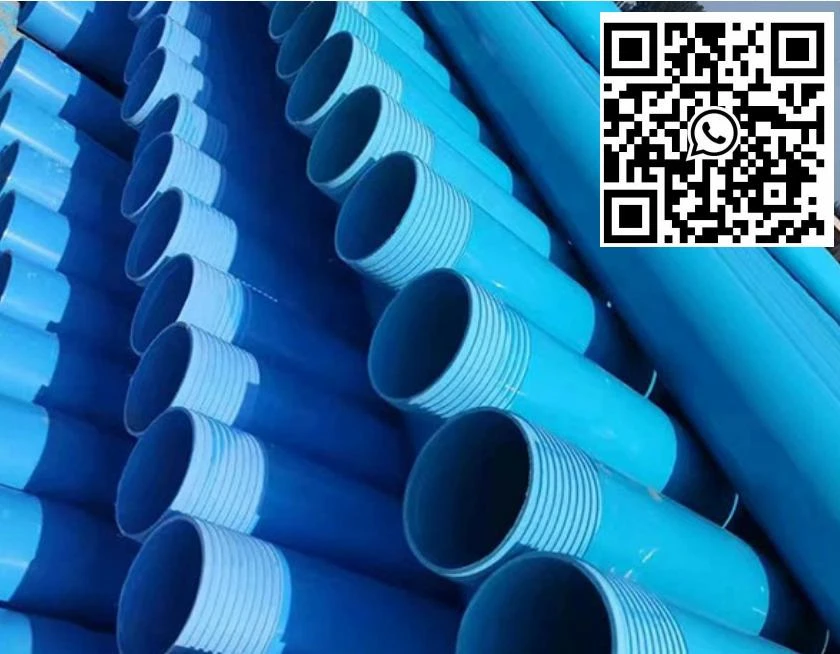
Polypropylene Random (PPR) pipe, specifically the 1/2 inch (DN15) diameter manufactured in China, represents a significant segment of the thermoplastic piping market. PPR pipes are utilized extensively in hot and cold water distribution systems, industrial piping, and increasingly, in heating applications. Positioned between traditional metal piping and more flexible materials like PVC-U, PPR offers a balance of cost-effectiveness, corrosion resistance, and ease of installation. Its performance is governed by stringent national standards (GB) and increasingly, adherence to international benchmarks. Core performance characteristics include its hydrostatic strength, temperature resistance (up to 95°C for short durations), and chemical inertness, making it suitable for potable water systems. The specific manufacturing process and material grade directly impact its long-term durability and resistance to creep under sustained pressure. This guide provides an in-depth technical analysis of 1/2 inch PPR pipes manufactured in China, covering material science, manufacturing processes, performance characteristics, potential failure modes, and relevant industry standards.
Material Science & Manufacturing
PPR pipe is derived from polypropylene random copolymer. The “random” designation indicates that the comonomer, ethylene, is randomly distributed along the polypropylene chain. This randomization reduces the crystallinity of the polymer, resulting in increased flexibility and impact resistance compared to homopolymer polypropylene. The raw material typically consists of polypropylene homopolymer and random copolymer resins, along with stabilizing additives (antioxidants, UV stabilizers) and potentially colorants. The molecular weight distribution (MWD) of the polypropylene resin is a critical parameter, influencing melt flow index (MFI) and, subsequently, the pipe's processing characteristics and mechanical properties.
Manufacturing typically involves extrusion. Polypropylene granules are fed into an extruder, melted, and forced through a circular die to form the pipe. Critical parameters during extrusion include melt temperature (typically 200-240°C), die pressure, screw speed, and cooling rate. Precise control of these parameters is essential to ensure consistent wall thickness, dimensional accuracy, and a smooth inner surface. The pipe is then cooled, calibrated to the desired diameter, and cut to length. Socket fusion or butt fusion are the common joining methods. Socket fusion involves heating both the pipe end and the fitting socket, then joining them under pressure. Butt fusion is employed for larger diameter pipes and involves heating and fusing the pipe ends directly. Quality control throughout the manufacturing process includes regular testing of MFI, density, hydrostatic pressure, and impact resistance according to GB/T18742.2-2002 and related standards. The presence of voids or inconsistencies in the polymer matrix can significantly compromise the pipe’s performance.
Performance & Engineering
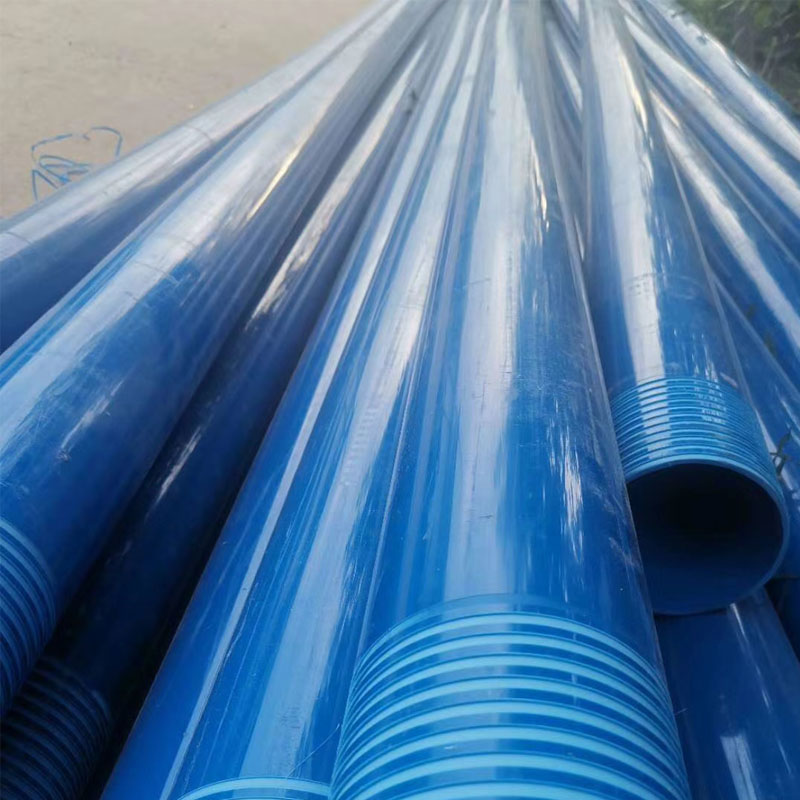
The performance of 1/2 inch PPR pipe is dictated by its ability to withstand hydrostatic pressure, temperature fluctuations, and chemical exposure. Hydrostatic pressure testing, conducted according to GB/T18742.2-2002, determines the short-term burst pressure and long-term hydrostatic strength. Finite Element Analysis (FEA) is increasingly used to optimize pipe wall thickness and geometry for specific pressure and temperature conditions. Creep rupture, the gradual deformation and eventual failure under sustained pressure at elevated temperatures, is a critical design consideration. PPR’s relatively high coefficient of thermal expansion (approximately 0.15 mm/m·°C) necessitates careful design of piping systems to accommodate thermal movement and prevent stress concentrations at joints.
Chemical resistance is generally excellent, with PPR being compatible with most common water treatments and household chemicals. However, prolonged exposure to strong oxidizing agents and some organic solvents should be avoided. For potable water applications, compliance with regulations regarding leaching of monomers and additives is paramount. Environmental resistance considerations include UV degradation. While PPR itself is susceptible to UV degradation, the addition of UV stabilizers during manufacturing mitigates this effect. For outdoor installations, pipes should be protected from direct sunlight. The long-term performance is also affected by the quality of the fusion welds. Imperfect welds can create weak points prone to failure under pressure. Routine inspections and pressure testing of installed systems are recommended to identify and address potential issues.
Technical Specifications
| Parameter | Unit | Typical Value (1/2" PPR) | Test Standard |
|---|---|---|---|
| Nominal Diameter | mm | 15 (1/2 inch) | GB/T18742.2-2002 |
| Outer Diameter | mm | 21.5 | GB/T18742.2-2002 |
| Wall Thickness | mm | 2.3 - 3.2 | GB/T18742.2-2002 |
| Hydrostatic Pressure (Short-Term) | MPa | ≥ 1.25 | GB/T18742.2-2002 |
| Hydrostatic Pressure (Long-Term) | MPa | ≥ 0.8 | GB/T18742.2-2002 |
| Maximum Operating Temperature | °C | 95 (short term), 70 (continuous) | DIN 8077/8078 |
| Melt Flow Index (MFI) | g/10min | 0.3 – 0.8 | GB/T18742.3-2002 |
Failure Mode & Maintenance
Common failure modes in 1/2 inch PPR pipe include: 1) Hydrostatic Burst: Resulting from exceeding the pipe’s pressure rating, often due to water hammer or system overpressure. 2) Creep Rupture: Occurring over extended periods under sustained pressure and elevated temperatures, leading to slow crack propagation and eventual failure. 3) Thermal Fatigue: Caused by repeated expansion and contraction due to temperature cycling, particularly at joints. 4) UV Degradation: Resulting in embrittlement and cracking, particularly in exposed outdoor applications. 5) Welding Defects: Imperfect fusion welds can create weak points prone to failure under pressure. 6) Chemical Attack: Although generally resistant, prolonged exposure to aggressive chemicals can cause degradation.
Preventative maintenance includes: Regular visual inspections for cracks, leaks, or discoloration. Pressure testing of the system to verify integrity. Ensuring proper support and anchoring of the piping to minimize stress. Protecting exposed pipes from UV radiation. Avoiding excessive thermal shock. If a leak is detected, the damaged section should be cut out and replaced with a new piece of PPR pipe and fitting, ensuring proper fusion welding techniques are employed. For larger systems, periodic water quality analysis can help identify potential corrosive elements. Professional leak detection services employing acoustic methods can identify hidden leaks within walls or underground.
Industry FAQ
Q: What is the difference between PPR Type 1, 2, and 3, and which is suitable for potable water?
A: PPR is categorized into Type 1, 2, and 3 based on its MFI (Melt Flow Index), which dictates its application. Type 1 has the highest MFI and is used for cold water. Type 2 is a universal grade suitable for both hot and cold water. Type 3 has the lowest MFI and is specifically designed for hot water applications, offering greater creep resistance. For potable water, Type 2 is generally preferred due to its balanced performance and versatility. Type 1 can be used for cold water lines, but Type 3 is generally not recommended unless specifically required for high-temperature hot water distribution.
Q: What is the impact of water hardness on the lifespan of PPR pipes?
A: Hard water, containing high levels of calcium and magnesium, can lead to the formation of scale buildup inside PPR pipes. While PPR is not corroded by calcium carbonate, scale reduces the internal diameter, increasing flow resistance and potentially leading to localized pressure increases. This scale buildup can also create crevices where corrosion of metal fittings (if used) can occur. Regular flushing of the system and, in severe cases, installation of water softening equipment can mitigate this issue.
Q: How does the quality of the welding equipment affect the long-term reliability of PPR pipe joints?
A: The quality of the welding equipment, particularly the temperature control accuracy and heating element uniformity, is crucial. Inconsistent heating can lead to incomplete fusion or overheating, resulting in weak or brittle joints. Using certified welding equipment and adhering to the manufacturer’s recommended welding parameters (temperature, heating time, pressure) is essential. Regular calibration and maintenance of the welding equipment are also necessary.
Q: What are the common causes of leaks at PPR pipe fittings?
A: Common causes of leaks at PPR pipe fittings include: improper welding technique (insufficient heating, incorrect pressure), contamination of the joining surfaces (dirt, moisture), damaged or deformed fittings, and mechanical stress on the joint. Ensuring clean and dry joining surfaces, using the correct welding parameters, and avoiding excessive bending or stress on the fitting after welding are critical.
Q: What are the typical service life expectations for a properly installed and maintained 1/2 inch PPR pipe system?
A: With proper installation, maintenance, and operating conditions, a properly installed 1/2 inch PPR pipe system can typically have a service life of 50 years or more. However, this lifespan is influenced by factors such as water quality, operating temperature, pressure fluctuations, and UV exposure. Regular inspections and preventative maintenance are essential to maximizing the system's longevity.
Conclusion
The 1/2 inch PPR pipe manufactured in China provides a cost-effective and reliable solution for a wide range of plumbing and industrial applications. Its inherent corrosion resistance, ease of installation, and compatibility with various joining methods make it a viable alternative to traditional metal piping systems. However, careful consideration must be given to material selection (Type 1, 2, or 3), proper welding techniques, and environmental factors to ensure long-term performance and prevent premature failure.
Future advancements in PPR technology may focus on developing enhanced formulations with improved creep resistance, UV stability, and chemical compatibility. The increasing adoption of advanced monitoring techniques, such as acoustic leak detection and non-destructive testing, will further enhance the reliability and lifespan of PPR piping systems. Continued adherence to international standards and best practices is crucial for maintaining the quality and performance of these vital infrastructure components.
-
DN25 HDPE Compression Fitting-HORON INTERNATIONAL|Reliable Irrigation Solutions
NewsFeb.11,2026
-
china 1 2 ppr pipe in mm Performance Analysis
News2026-06-04
-
china hdpe pipe for water supply specifications Performance Analysis
News2026-06-04
-
china ppr hot water pipe insulation Thermal Performance
News2026-06-04
-
china 24 inch diameter pvc pipe Performance Analysis
News2026-06-04
-
china ppr hot water pipe Performance Analysis
News2026-06-04
-
china 3.5 inch pvc pipe Performance Analysis
News2026-06-03
-
china 75mm plastic pipe Performance Analysis
News2026-06-03
-
china use of ppr pipe Performance Analysis
News2026-06-03
-
china hdpe corrugated subsoil drainage pipe Performance Analysis
News2026-06-03
-
china ppr quick connector Performance Analysis
News2026-06-03
-
china hdpe pipe sizes and dimensions Performance Analysis
News2026-06-02
-
china pvc pipe supplier Performance Analysis
News2026-06-02
-
china flexible water line for kitchen sink Performance Analysis
News2026-06-02
-
china blue pvc pipe Performance Analysis
News2026-06-02
-
china hdpe pipe jain irrigation Performance Analysis
News2026-06-02