

Feb . 11, 2026 00:01 Back to list
china hdpe pipe connectors Performance Analysis
Introduction
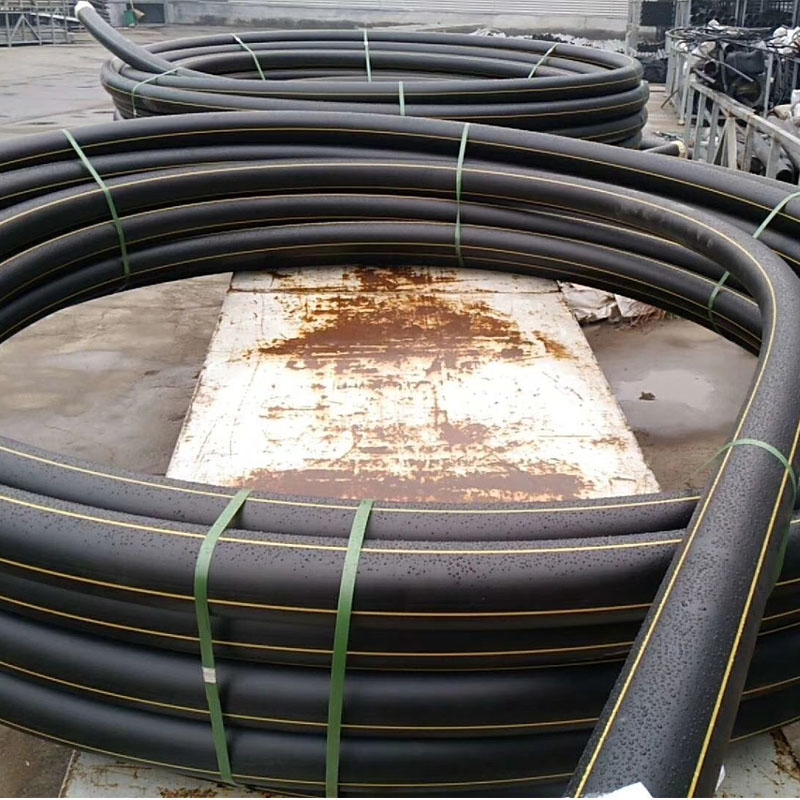
High-Density Polyethylene (HDPE) pipe connectors, manufactured in China, represent a critical component in fluid and gas transmission systems across diverse industries including water management, wastewater treatment, mining, and oil & gas. These connectors facilitate the joining of HDPE pipes, enabling the construction of robust and leak-proof pipelines. Their technical position within the industry chain resides between the extruded HDPE pipe itself and the broader system infrastructure. Core performance characteristics center around maintaining pressure integrity, ensuring chemical compatibility with conveyed fluids, and providing long-term durability under various environmental conditions. The growing demand for reliable and cost-effective piping solutions has positioned Chinese manufacturers as major players in the global HDPE connector market, necessitating a detailed understanding of their material science, manufacturing processes, performance parameters, and potential failure modes.
Material Science & Manufacturing
HDPE pipe connectors are predominantly manufactured from high-density polyethylene resin, chosen for its excellent tensile strength, chemical resistance, and weldability. The resin grade used typically conforms to PE100 standards (ISO 4427), ensuring a minimum required strength (MRS) of 10 MPa. Raw material properties, including molecular weight distribution and density (typically 0.93-0.97 g/cm³), directly influence the connector’s mechanical performance. Manufacturing processes vary depending on the connector type. Electrofusion connectors, commonly used for larger diameter pipes, involve a metallic heating element embedded within the HDPE body. Injection molding is the prevalent method for smaller diameter connectors, particularly those with complex geometries like saddles and flanges. Key parameters in injection molding include melt temperature (180-220°C), mold temperature (30-50°C), and injection pressure (60-100 MPa). Extrusion is used for producing spigot and socket fittings. Precise control of these parameters is critical to minimize residual stresses, maintain dimensional accuracy, and prevent material degradation. The addition of carbon black as a UV stabilizer is commonplace, enhancing resistance to sunlight and extending the service life of the connector. Quality control during manufacturing includes hydrostatic pressure testing to verify leak tightness and dimensional inspection to ensure compliance with relevant standards.
Performance & Engineering
The performance of HDPE pipe connectors is fundamentally governed by principles of stress analysis and material behavior under load. Connectors must withstand internal pressure from the conveyed fluid, external loads from soil or traffic, and stresses induced during installation and operation. Force analysis focuses on hoop stress in the connector body and shear stress at the pipe-connector interface. Environmental resistance is a crucial consideration. HDPE exhibits excellent resistance to most chemicals, but prolonged exposure to strong oxidizing agents can lead to degradation. Temperature affects the mechanical properties of HDPE; reducing ductility at lower temperatures and increasing creep under sustained load at higher temperatures. Compliance requirements dictate minimum performance criteria. For potable water systems, connectors must comply with NSF/ANSI 61 standards to ensure they do not leach harmful contaminants into the water supply. In gas distribution, connectors must meet standards such as EN 12201-3 and CSA Z245.1. Functional implementation involves selecting the appropriate connector type and size based on pipe dimensions, operating pressure, fluid characteristics, and installation method (e.g., electrofusion welding, butt fusion welding, mechanical connection). Proper welding parameters (temperature, time, pressure) are critical for achieving a strong and reliable joint.
Technical Specifications
| Parameter | Unit | Specification (Typical) | Test Standard |
|---|---|---|---|
| Material | - | PE100 (ISO 4427) | ISO 4427 |
| Minimum Required Strength (MRS) | MPa | 10 | ISO 4427 |
| Density | g/cm³ | 0.93 – 0.97 | ISO 1183 |
| Hydrostatic Pressure Test | MPa | ≥ 1.5 x Design Pressure | ISO 1167 |
| Operating Temperature Range | °C | -40 to +60 | Manufacturer Specification |
| UV Resistance | - | Carbon Black Stabilized (8 year service life) | ASTM D4455 |
Failure Mode & Maintenance
HDPE pipe connector failures typically fall into several categories. Slow Crack Growth (SCG) is a common failure mode, particularly in connectors exposed to sustained tensile stress and aggressive chemicals. SCG initiates at stress concentrators (e.g., scratches, gouges) and propagates slowly over time. Fatigue cracking can occur under cyclical loading conditions, especially in applications involving vibrations or fluctuating pressures. Delamination can occur in electrofusion connectors if the welding process is not properly controlled, resulting in insufficient fusion between the HDPE and the heating element. Degradation due to UV exposure, even with carbon black stabilization, can lead to embrittlement and reduced strength over extended periods. Oxidation can occur at high temperatures, altering the material's properties. Maintenance primarily focuses on preventative measures. Regular visual inspections should be conducted to identify cracks, gouges, or other signs of damage. Proper installation procedures, including correct welding parameters and adequate pipe support, are crucial. Protecting connectors from direct sunlight exposure can extend their service life. In the event of a detected failure, the connector should be replaced immediately with a compatible component. Joints should be periodically tested for leak tightness, particularly in critical applications.
Industry FAQ
Q: What is the impact of soil corrosivity on the long-term performance of HDPE pipe connectors?
A: While HDPE itself is inherently corrosion-resistant, corrosive soil conditions can indirectly affect connector performance. Sustained exposure to highly acidic or alkaline soils can accelerate the degradation of any polymeric materials, including HDPE, over very long timescales. Furthermore, corrosive soils can accelerate corrosion of any metallic components within the connector (e.g., the heating element in electrofusion fittings), potentially leading to failure. Backfilling with a non-corrosive material and applying a protective coating to the connectors can mitigate these risks.
Q: How does the choice of welding technique (electrofusion vs. butt fusion) affect the joint strength and long-term reliability?
A: Both electrofusion and butt fusion create strong, reliable joints when performed correctly. Butt fusion generally results in slightly higher joint strengths, as it involves complete melting and fusion of the pipe and connector materials. However, butt fusion requires specialized equipment and skilled operators. Electrofusion offers greater convenience and is suitable for a wider range of pipe sizes and configurations. Proper control of welding parameters (temperature, time, pressure) is critical for both techniques. Poorly executed electrofusion welds can be prone to delamination, while inadequate butt fusion can result in insufficient fusion and reduced strength.
Q: What are the key considerations when selecting HDPE connectors for potable water applications?
A: Potable water applications require connectors that comply with NSF/ANSI 61 standards to ensure they do not leach harmful contaminants into the water supply. The connector material should be suitable for long-term contact with potable water and must not impart any taste, odor, or color to the water. Connectors should also be resistant to chlorine and other disinfectants commonly used in water treatment. Traceability of materials and manufacturing processes is crucial for ensuring compliance.
Q: What is the role of pressure derating in HDPE piping systems, and how does it relate to connector performance?
A: Pressure derating is the reduction of the maximum operating pressure of a piping system to account for factors such as temperature, fluid type, and component aging. HDPE pipe and connectors have a temperature-dependent pressure rating; the allowable pressure decreases as temperature increases. Connectors must be selected with a pressure rating that is sufficient for the maximum operating pressure, taking into account any required derating factors. Using connectors with an inadequate pressure rating can lead to catastrophic failure.
Q: How can the quality of HDPE pipe connectors be verified upon delivery and during installation?
A: Upon delivery, inspect connectors for any visible damage, such as cracks, gouges, or deformation. Verify that the connectors are properly labeled with the manufacturer’s name, size, pressure rating, and material specification. During installation, ensure that the pipe and connector surfaces are clean and free of contaminants. Follow the manufacturer’s recommended welding procedures carefully. Perform hydrostatic pressure testing after installation to verify the integrity of the joints. Document all inspection and testing results.
Conclusion
China-manufactured HDPE pipe connectors are essential components in modern piping infrastructure, offering a balance of cost-effectiveness and reliable performance. Their suitability depends heavily on a deep understanding of the underlying material science – particularly the properties of PE100 – and adherence to stringent manufacturing controls. Maintaining long-term integrity requires careful consideration of environmental factors, operating conditions, and the potential for failure modes like Slow Crack Growth and fatigue.
The successful implementation of HDPE piping systems relies not only on the quality of the connectors themselves but also on proper installation techniques, regular inspection, and proactive maintenance strategies. Continued development in materials science and welding technologies will further enhance the performance and durability of these critical components, ensuring the longevity and reliability of pipelines across various industries.
-
DN25 HDPE Compression Fitting-HORON INTERNATIONAL|Reliable Irrigation Solutions
NewsFeb.11,2026
-
china 1 2 inch pvc Performance Analysis
News2026-05-21
-
china hdpe pipe joint coupler Performance Analysis
News2026-05-21
-
china ppr pipes and fittings price list Technical Analysis
News2026-05-21
-
china 9 inch pvc pipe price Performance Analysis
News2026-05-21
-
china 2 inch borewell column pipe price Performance Engineering
News2026-05-21
-
china hdpe pipe suppliers Performance Analysis
News2026-05-20
-
china submersible pump column pipe Performance Engineering
News2026-05-20
-
china 8 hdpe corrugated pipe Manufacturing Analysis
News2026-05-20
-
china dual wall hdpe pipe Performance Analysis
News2026-05-20
-
china water lines under sink Performance Analysis
News2026-05-20
-
china ppr pipe used for Material Performance
News2026-05-19
-
china hdpe pipe for sewer line Performance Analysis
News2026-05-19
-
china pvc pipe used for plumbing Technical Analysis
News2026-05-19
-
china hdpe pipe dimensions Technical Analysis
News2026-05-19
-
china kitchen sink water plumbing Performance Analysis
News2026-05-19