

Feb . 11, 2026 00:01 Back to list
water supply hdpe pipe service Performance Analysis
Introduction
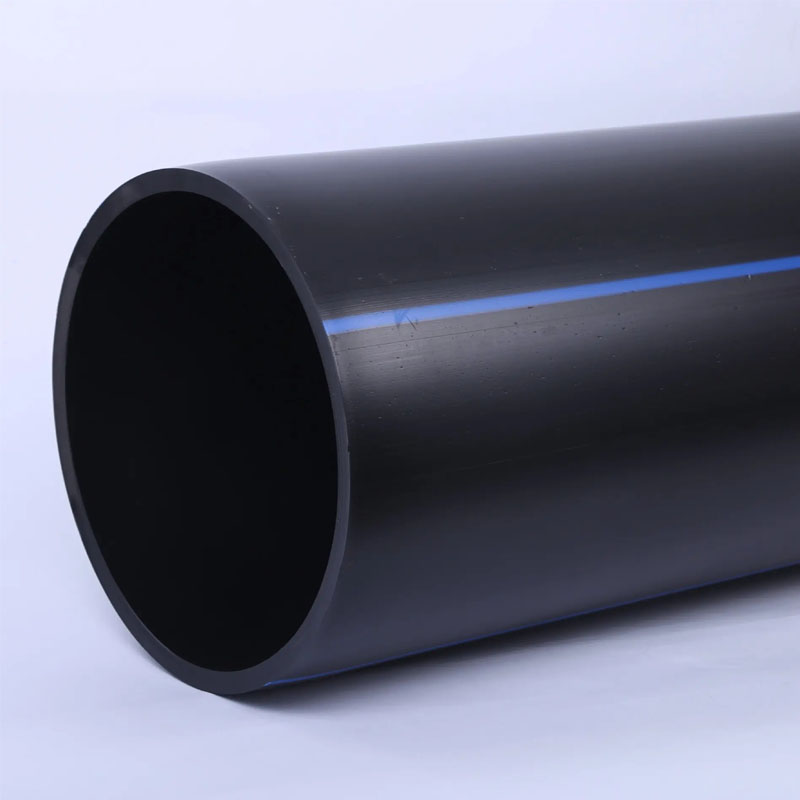
High-Density Polyethylene (HDPE) pipe for water supply represents a significant advancement in potable water distribution infrastructure. Positioned as a direct replacement for traditional materials like ductile iron, steel, and PVC, HDPE offers a unique combination of durability, flexibility, and chemical resistance. Its placement within the industry chain is as a core component of municipal water systems, irrigation networks, and increasingly, private water services. Core performance characteristics include leak-free joints utilizing heat fusion techniques, exceptional flow capacity due to smooth internal surfaces, and long-term corrosion resistance, leading to reduced lifecycle costs. A primary industry pain point is the need for solutions that minimize water loss through leaks and prevent contamination of potable water sources. HDPE addresses these concerns directly, offering a robust and reliable solution that aligns with increasingly stringent regulatory requirements and sustainability goals.
Material Science & Manufacturing
HDPE pipe is manufactured from a thermoplastic polymer derived from petroleum. The raw material, HDPE resin, is characterized by its high molecular weight and density, contributing to its strength and durability. Key physical properties include a tensile strength ranging from 20 to 30 MPa, a density of 0.941 – 0.965 g/cm³, and a relatively low coefficient of friction (0.95). The manufacturing process typically involves extrusion. HDPE resin is fed into an extruder where it’s heated and melted, then forced through a die to form a continuous pipe. Critical parameters during extrusion include temperature control (melt temperature typically 180-210°C), screw speed, and die pressure, all impacting the final pipe dimensions and material properties. Pipe wall thickness is controlled by the die design. Fusion welding is the predominant joining method; specifically, butt fusion, socket fusion, and electrofusion. Butt fusion involves heating the pipe ends and pressing them together, creating a homogenous weld. Socket and electrofusion utilize fittings with integrated heating elements. Chemical compatibility is excellent with most potable water treatments and soil conditions; however, long-term exposure to strong oxidizing agents should be avoided. Degradation can occur from prolonged UV exposure requiring appropriate protective coatings or burial.
Performance & Engineering
The performance of HDPE pipe is governed by several engineering principles. Stress analysis is crucial, particularly concerning burst pressure and long-term hydrostatic strength. The Hazen-Williams equation is widely used to calculate frictional head loss, influenced by the pipe's smoothness (typically a C-factor of 140-150). Environmental resistance is a key advantage. HDPE exhibits excellent resistance to corrosion, unlike metallic pipes that require protective coatings. However, creep rupture, a time-dependent failure mechanism, must be considered, particularly under sustained pressure and elevated temperatures. Soil loading significantly affects pipe performance. Proper bedding and backfill are essential to distribute the load evenly and prevent deformation. Compliance requirements are extensive, dictated by national and international standards regarding material purity, pressure ratings, and joint integrity. Specifically, pipes must meet NSF/ANSI 61 standards for potable water contact, ensuring no harmful contaminants leach into the water supply. Furthermore, burst testing is conducted to verify compliance with pressure requirements, defined by standards like AWWA C906. Thermal expansion and contraction are also important design considerations, necessitating the inclusion of expansion joints or flexible connections in long pipeline runs.
Technical Specifications
| Parameter | Unit | Specification (Typical) | Test Standard |
|---|---|---|---|
| Nominal Pipe Size | inches | 0.5 - 60 | ASTM D2239 |
| Pressure Rating (PN) | psi | 40 – 200+ | ASTM D2239 |
| Density | g/cm³ | 0.941 – 0.965 | ASTM D1505 |
| Tensile Strength at Yield | MPa | 20 – 30 | ASTM D638 |
| Elongation at Break | % | 300 – 700 | ASTM D638 |
| Hazen-Williams C-Factor | - | 140 – 150 | Calculated |
Failure Mode & Maintenance
HDPE pipe, while durable, is susceptible to specific failure modes. Slow Crack Growth (SCG) is a primary concern, initiated by stress concentrations around imperfections or damage, exacerbated by exposure to certain chemicals or sustained stress. Fatigue cracking can occur from cyclic pressure fluctuations, although this is less common in properly designed systems. Oxidation, while HDPE is inherently resistant, can occur over extended periods, particularly at elevated temperatures, leading to embrittlement. Third-party damage during installation or excavation is a frequent cause of failure, resulting in punctures or cuts. Joint failures, though less prevalent with heat fusion, can occur due to improper welding procedures or contamination during the fusion process. Maintenance primarily focuses on preventative measures. Regular leak detection surveys are crucial for identifying SCG or other failures before they escalate. Proper bedding and backfill are essential to minimize stress on the pipe. Careful handling during installation is critical to avoid damage. For repairs, heat fusion is generally the preferred method, ensuring a homogenous weld and maintaining the pipe's integrity. Mechanical couplings can be used for temporary repairs, but their long-term reliability is lower. Cathodic protection is not required, unlike metallic piping systems.
Industry FAQ
Q: What is the expected service life of HDPE pipe in a potable water application?
A: Properly installed and maintained HDPE pipe can have a service life exceeding 50 years, and in many cases, upwards of 100 years. This longevity is due to its inherent corrosion resistance and the reliability of heat-fused joints. However, service life is heavily influenced by factors such as operating pressure, temperature, soil conditions, and water quality.
Q: How does HDPE pipe compare to ductile iron pipe in terms of installation cost?
A: While the material cost of HDPE can sometimes be higher than ductile iron, the overall installation cost is often lower. HDPE pipe is lighter and more flexible, requiring less heavy equipment and fewer joints. Heat fusion welding is faster and more reliable than mechanical joining methods used with ductile iron, reducing labor costs.
Q: What are the implications of thermal expansion and contraction with HDPE pipe?
A: HDPE has a significantly higher coefficient of thermal expansion than ductile iron or PVC. This means that the pipe will expand and contract with temperature changes. Proper design must account for this by incorporating expansion joints or utilizing flexible connections to prevent stress on the pipe and joints. Burying depth also plays a role in mitigating thermal effects.
Q: Is HDPE pipe suitable for trenchless installation methods like horizontal directional drilling (HDD)?
A: Yes, HDPE pipe is ideally suited for trenchless installation methods such as HDD. Its flexibility and durability allow it to be pulled through the bore path with minimal risk of damage. This makes it a cost-effective and environmentally friendly option for installing pipelines in congested areas or sensitive environments.
Q: What measures should be taken to prevent Slow Crack Growth (SCG) in HDPE pipe?
A: SCG can be mitigated by avoiding exposure to aggressive chemicals, minimizing stress concentrations, and ensuring proper installation techniques. Stress relief around fittings and other components is crucial. Using high-quality HDPE materials with appropriate PE ratings and ensuring proper fusion welding procedures are also vital preventative measures.
Conclusion
HDPE pipe represents a compelling solution for water supply systems, offering a robust and reliable alternative to traditional materials. Its unique combination of material properties, coupled with efficient installation techniques, addresses key industry pain points related to water loss, corrosion, and long-term durability. The lifecycle cost benefits, driven by reduced maintenance and extended service life, make HDPE an increasingly attractive investment for municipalities and private water service providers.
Looking ahead, advancements in HDPE resin formulations and welding technologies will further enhance the performance and reliability of these systems. Increased adoption of non-destructive testing methods for quality control, along with the development of more sophisticated predictive models for creep rupture and SCG, will contribute to optimizing the design and operation of HDPE pipelines. As sustainability concerns continue to grow, HDPE’s contribution to minimizing water waste and reducing environmental impact will solidify its position as a cornerstone of modern water infrastructure.
-
DN25 HDPE Compression Fitting-HORON INTERNATIONAL|Reliable Irrigation Solutions
NewsFeb.11,2026
-
china corrugated hdpe pipe fittings Performance Analysis
News2026-05-22
-
china ppr pipe for hot water Performance Analysis
News2026-05-22
-
china ppr Technical Performance Analysis
News2026-05-22
-
china corrugated dual wall pipe Performance Analysis
News2026-05-22
-
china sink inlet pipe Material Performance Analysis
News2026-05-22
-
china 1 2 inch pvc Performance Analysis
News2026-05-21
-
china hdpe pipe joint coupler Performance Analysis
News2026-05-21
-
china ppr pipes and fittings price list Technical Analysis
News2026-05-21
-
china 9 inch pvc pipe price Performance Analysis
News2026-05-21
-
china 2 inch borewell column pipe price Performance Engineering
News2026-05-21
-
china hdpe pipe suppliers Performance Analysis
News2026-05-20
-
china submersible pump column pipe Performance Engineering
News2026-05-20
-
china 8 hdpe corrugated pipe Manufacturing Analysis
News2026-05-20
-
china dual wall hdpe pipe Performance Analysis
News2026-05-20
-
china water lines under sink Performance Analysis
News2026-05-20