

Feb . 11, 2026 00:01 Back to list
water supply hdpe pipe manufacturer Performance Analysis
Introduction
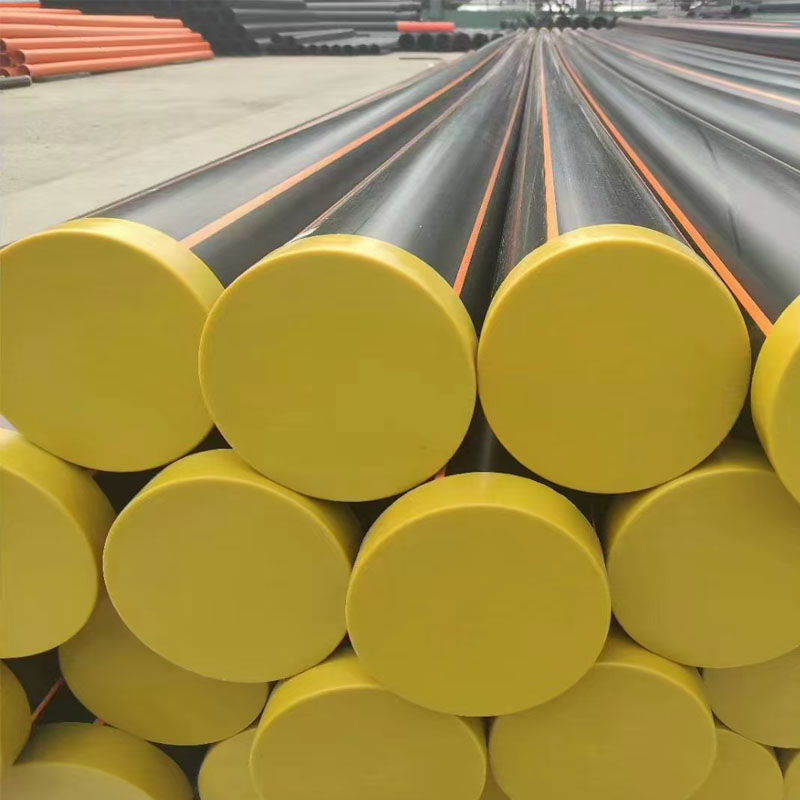
High-Density Polyethylene (HDPE) pipe represents a significant advancement in water supply infrastructure. Positioned within the broader polymer piping industry, HDPE offers a compelling alternative to traditional materials like ductile iron, PVC, and steel. Its primary function is the conveyance of potable water, but also extends to irrigation, industrial applications, and even slurry transport. Core performance characteristics of HDPE pipe – including its chemical inertness, corrosion resistance, flexibility, and high strength-to-weight ratio – directly address critical pain points in the water supply sector: minimizing leakage, reducing maintenance costs, and ensuring long-term system reliability. This guide provides a comprehensive technical overview of HDPE pipe for water supply, encompassing material science, manufacturing processes, performance metrics, failure modes, and relevant industry standards. It is intended for engineers, procurement managers, and technical personnel involved in the specification, installation, and maintenance of water distribution systems.
Material Science & Manufacturing
HDPE pipe is fabricated from polyethylene resin, typically a homopolymer or copolymer of ethylene. The resin grade dictates key properties like density, molecular weight distribution, and presence of comonomers (e.g., alpha-olefin). Higher density correlates with increased tensile strength and stiffness, but also reduced impact resistance at lower temperatures. Molecular weight distribution influences melt flow and processing characteristics. PE100, PE80, and PE63 are common classifications, denoting the hydrostatic design stress (HDS) the material can withstand for 50 years at a specified temperature. The resin’s physical properties include a density typically ranging from 0.93 to 0.97 g/cm³, a melting point between 120-135°C, and a glass transition temperature around -125°C. Chemical compatibility is excellent with most water treatment chemicals and naturally occurring soil conditions, exhibiting resistance to acids, alkalis, and salts.
Manufacturing primarily employs extrusion processes. Resin pellets are fed into an extruder where they are heated and melted, then forced through a die to form a continuous pipe. Key parameters include extrusion temperature (critical for preventing degradation), die geometry (influencing pipe dimensions), and cooling rate (affecting crystallinity and mechanical properties). Butt fusion, electrofusion, and socket fusion are the predominant joining methods. Butt fusion involves heating the pipe ends and pressing them together under controlled pressure, creating a homogenous weld. Electrofusion utilizes an internal heating element within a fitting to melt the pipe and fitting simultaneously. Socket fusion is used for smaller diameter pipes, heating both the pipe and fitting socket before insertion. Quality control is paramount, including hydrostatic pressure testing to verify burst pressure and dimensional checks to ensure adherence to specifications (OD, wall thickness, roundness). The quality of the weld is heavily dependent on temperature control, alignment, and surface preparation.
Performance & Engineering
The performance of HDPE pipe in water supply applications is dictated by its ability to withstand internal pressure, external loads, and environmental stressors. Force analysis considers hoop stress (resulting from internal pressure), longitudinal stress (due to pressure and end thrust), and bending stress (from soil loading or traffic). HDPE’s flexibility allows it to accommodate ground movement and thermal expansion/contraction without catastrophic failure. However, proper bedding and backfill are crucial to distribute external loads and prevent overstressing the pipe. Environmental resistance is a key advantage; HDPE exhibits excellent resistance to UV degradation (though UV stabilizers are often added), chemical attack, and abrasion.
Compliance requirements are extensive, varying by region. AWWA C906 (American Water Works Association) is a widely adopted standard specifying minimum performance requirements for polyethylene pipe and fittings. This includes hydrostatic design stress (HDS), slow crack growth resistance (SCGR), and joint integrity. Other regulations address material traceability, disinfection requirements, and allowable leakage rates. Geotechnical considerations are also critical, as soil corrosivity and settlement can significantly impact pipe lifespan. The long-term creep resistance of HDPE must be considered in design, particularly for larger diameter pipes operating at higher pressures.
Technical Specifications
| Parameter | Unit | PE80 | PE100 |
|---|---|---|---|
| Hydrostatic Design Stress (HDS) - 50 year | MPa | 6.3 | 10.0 |
| Density | g/cm³ | 0.932 - 0.941 | 0.941 - 0.965 |
| Tensile Strength at Yield | MPa | 3.5 - 4.5 | 4.5 - 6.0 |
| Elongation at Break | % | >350 | >400 |
| Service Temperature Range | °C | -40 to +60 | -40 to +60 |
| Slow Crack Growth Resistance (SCGR) | Hours | >1000 | >10000 |
Failure Mode & Maintenance
HDPE pipe, while durable, is susceptible to specific failure modes. Slow Crack Growth (SCG) is a primary concern, initiated by sustained stress and exposure to certain chemicals. This results in the gradual propagation of cracks over time. Third-party damage during installation or excavation is a common cause of failure, leading to punctures or cuts. Fatigue cracking can occur in areas subjected to cyclic pressure or vibration. Oxidation can degrade the material over extended periods, particularly at elevated temperatures. Delamination can occur in areas with poor weld quality. Maintenance strategies include regular visual inspections for cracks, leaks, or surface damage. Pressure testing can identify leaks and assess system integrity. Proper backfill compaction is essential to prevent external stress and protect the pipe. For SCG prevention, ensure compatibility of the pipe with transported fluids and avoid prolonged exposure to aggressive chemicals. Prompt repair of any damage is crucial to prevent catastrophic failure. Joint inspection utilizing non-destructive testing methods like ultrasonic testing can help identify potential weak points in welded joints.
Industry FAQ
Q: What is the advantage of HDPE pipe over ductile iron for water distribution?
A: HDPE offers significantly lower weight, reducing installation costs and handling requirements. It also possesses inherent corrosion resistance, eliminating the need for protective coatings and minimizing maintenance associated with corrosion in ductile iron. HDPE’s flexibility allows for greater tolerance to ground movement and seismic activity, reducing the risk of joint failure. While ductile iron has higher tensile strength, HDPE’s adequate strength for most water supply applications, coupled with its other advantages, often makes it the more cost-effective solution.
Q: How does temperature affect the performance of HDPE pipe?
A: While HDPE is suitable for a broad temperature range (-40°C to +60°C), temperature fluctuations induce expansion and contraction. Proper installation techniques, including allowing for thermal movement and utilizing flexible joints, are essential. Elevated temperatures can accelerate oxidation and reduce the long-term creep resistance, while very low temperatures can reduce impact strength. The hydrostatic design stress is temperature dependent.
Q: What is the typical lifespan of an HDPE water supply pipe?
A: With proper installation and operation, HDPE pipe can have a lifespan exceeding 50 years, and often up to 100 years. This is based on accelerated aging tests and long-term field performance data. However, the actual lifespan depends on factors like soil conditions, water quality, operating pressure, and the quality of the installation.
Q: What are the key considerations for joining HDPE pipes?
A: Proper surface preparation is critical for achieving a strong and leak-proof joint. Contamination with dirt, moisture, or foreign materials must be avoided. Adhering to the manufacturer’s recommended welding parameters (temperature, pressure, and cooling time) is essential. Qualified personnel should perform the welding process, and thorough inspection of the weld is mandatory.
Q: How does HDPE pipe perform in seismic areas?
A: HDPE’s inherent flexibility and ability to elongate without fracturing make it an excellent choice for seismic areas. It can absorb ground movement and reduce the risk of catastrophic failure compared to rigid materials like ductile iron or concrete. However, proper restraint systems are still necessary to prevent excessive movement at joints and connections.
Conclusion
HDPE pipe represents a robust and reliable solution for modern water supply systems. Its unique combination of corrosion resistance, flexibility, strength, and ease of installation addresses critical challenges faced by water utilities. Understanding the material science, manufacturing processes, and performance characteristics of HDPE is essential for ensuring long-term system integrity and minimizing life-cycle costs.
Looking ahead, advancements in HDPE resin technology, coupled with improved installation techniques and monitoring systems, will further enhance the performance and longevity of HDPE pipelines. Increased adoption of HDPE pipe will contribute to more sustainable and resilient water infrastructure globally. Proper consideration of all technical aspects presented in this guide will enable engineers and procurement professionals to make informed decisions and optimize their water supply systems for decades to come.
-
DN25 HDPE Compression Fitting-HORON INTERNATIONAL|Reliable Irrigation Solutions
NewsFeb.11,2026
-
china corrugated hdpe pipe fittings Performance Analysis
News2026-05-22
-
china ppr pipe for hot water Performance Analysis
News2026-05-22
-
china ppr Technical Performance Analysis
News2026-05-22
-
china corrugated dual wall pipe Performance Analysis
News2026-05-22
-
china sink inlet pipe Material Performance Analysis
News2026-05-22
-
china 1 2 inch pvc Performance Analysis
News2026-05-21
-
china hdpe pipe joint coupler Performance Analysis
News2026-05-21
-
china ppr pipes and fittings price list Technical Analysis
News2026-05-21
-
china 9 inch pvc pipe price Performance Analysis
News2026-05-21
-
china 2 inch borewell column pipe price Performance Engineering
News2026-05-21
-
china hdpe pipe suppliers Performance Analysis
News2026-05-20
-
china submersible pump column pipe Performance Engineering
News2026-05-20
-
china 8 hdpe corrugated pipe Manufacturing Analysis
News2026-05-20
-
china dual wall hdpe pipe Performance Analysis
News2026-05-20
-
china water lines under sink Performance Analysis
News2026-05-20